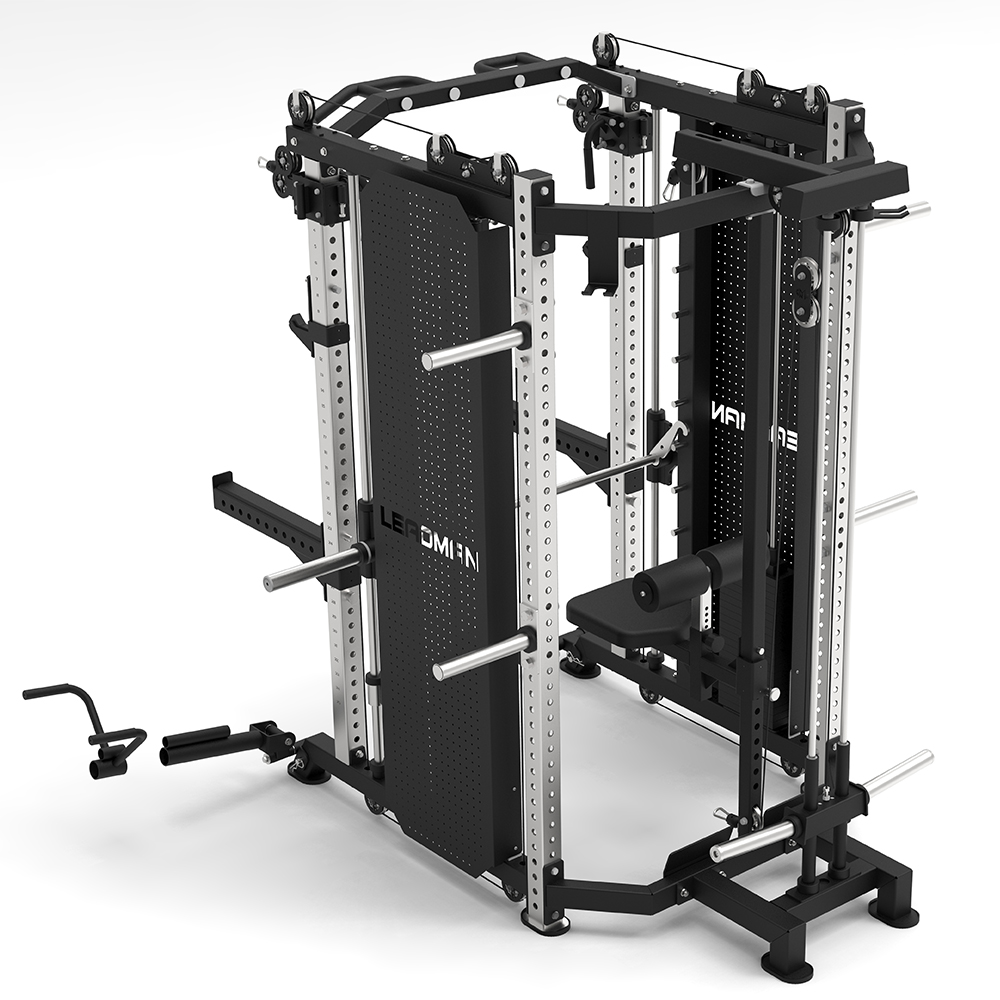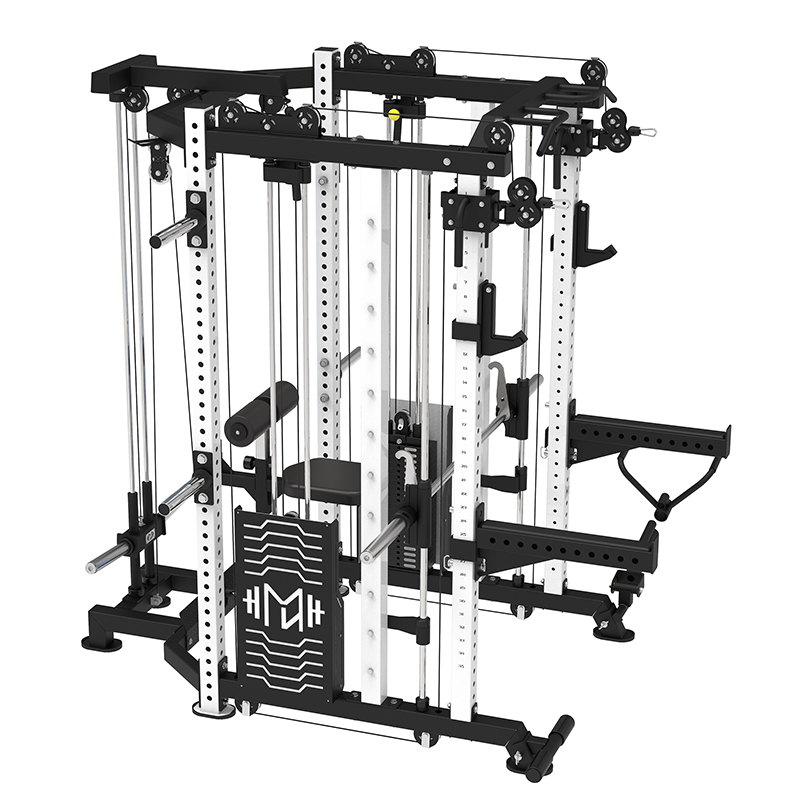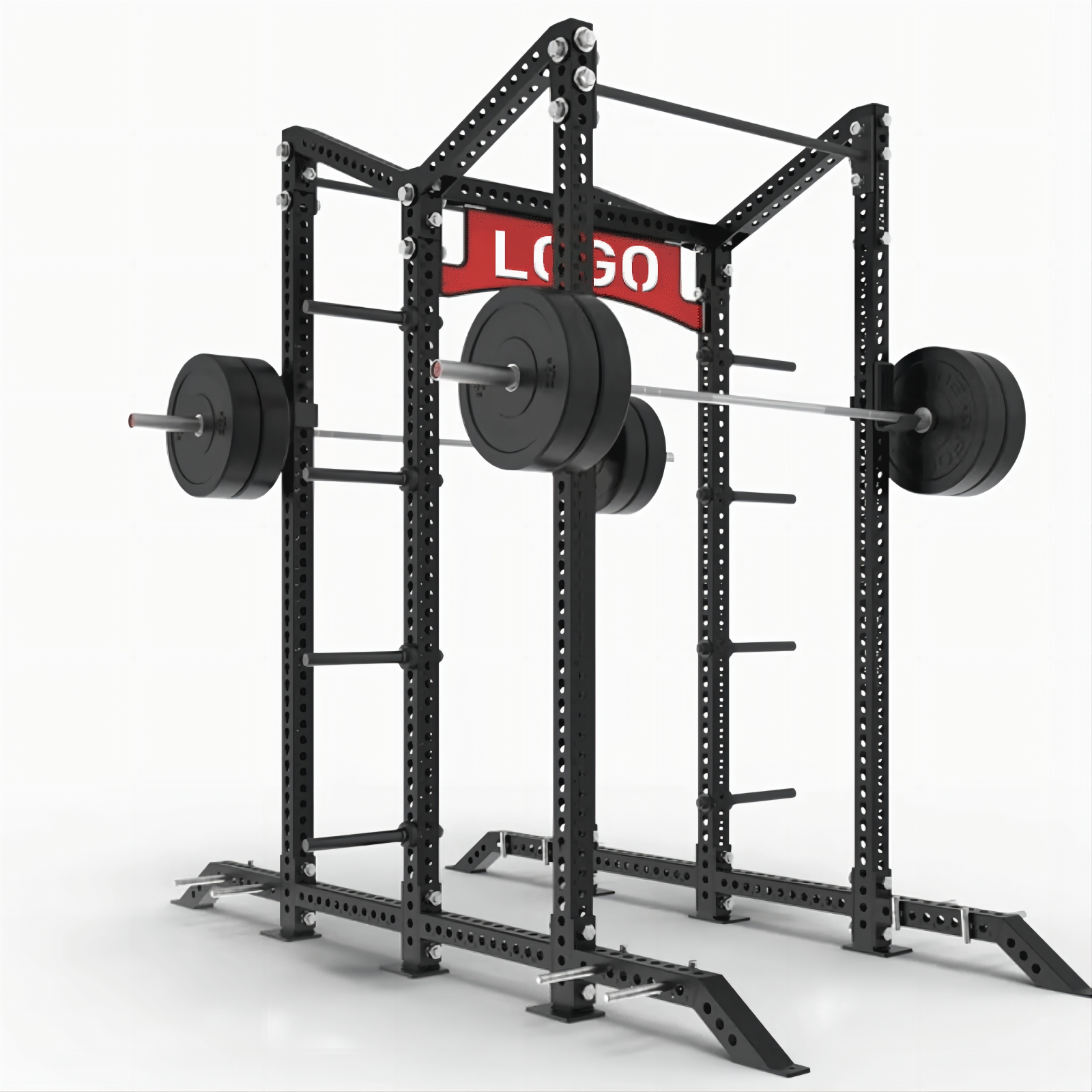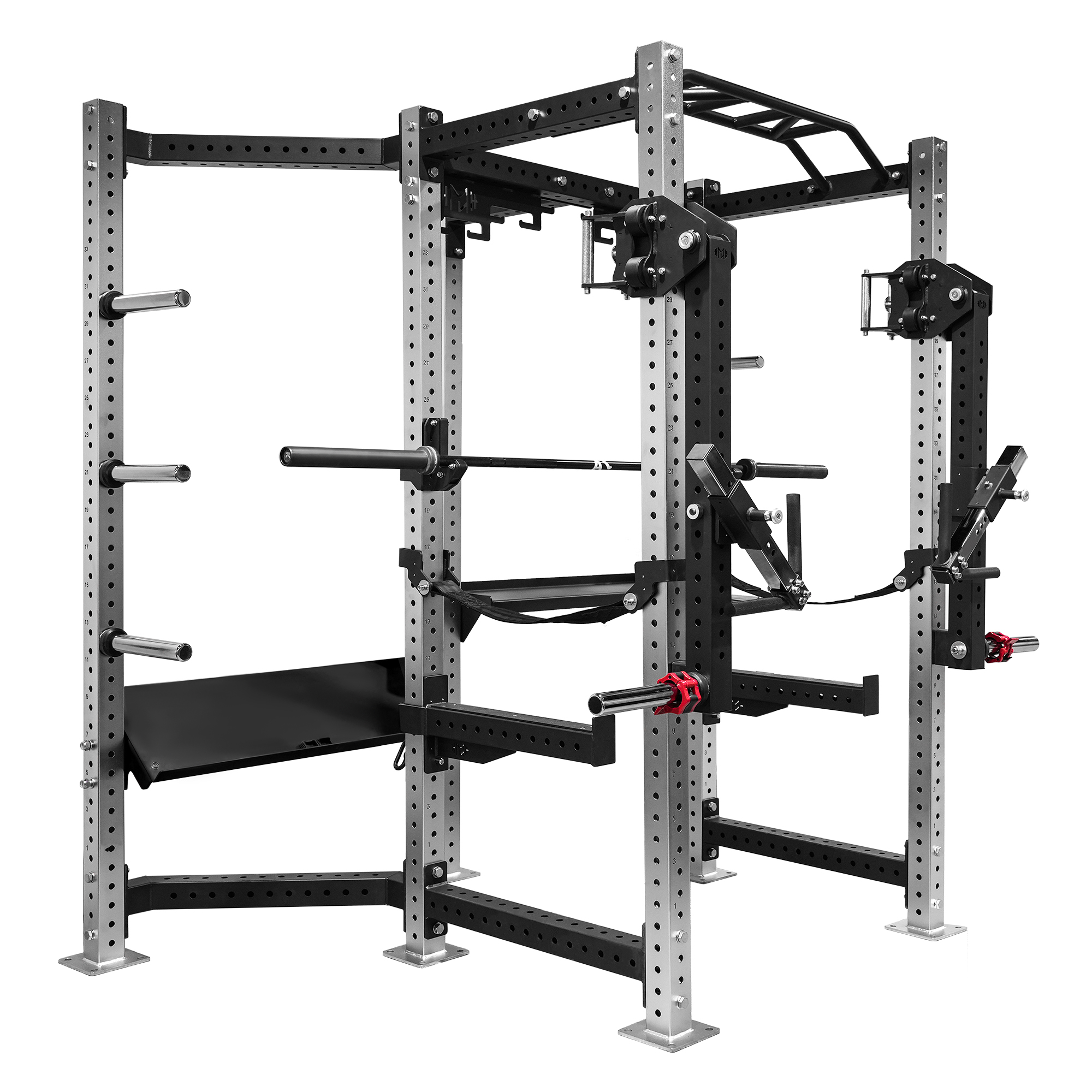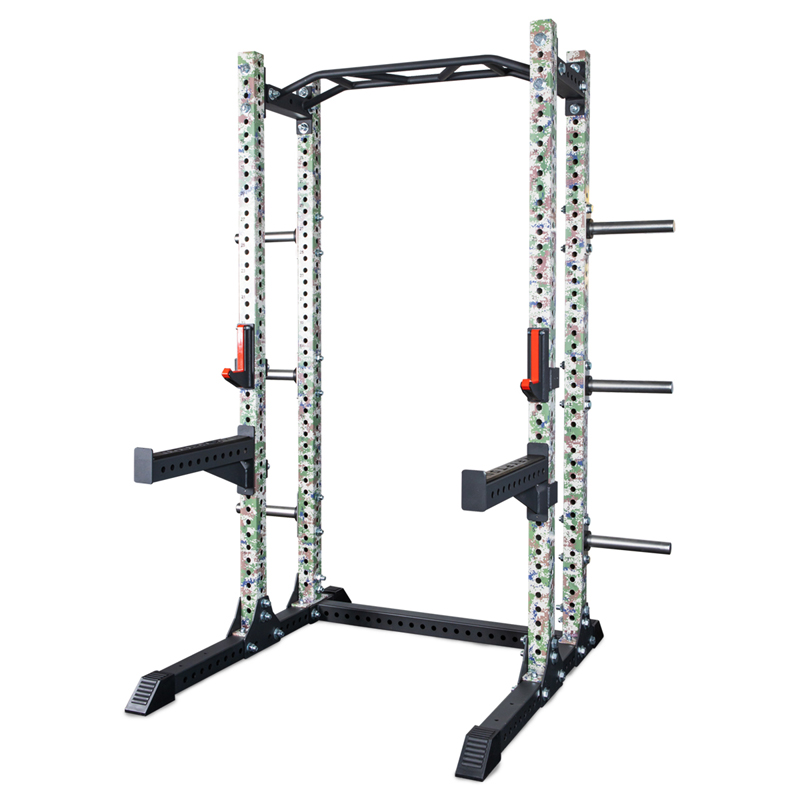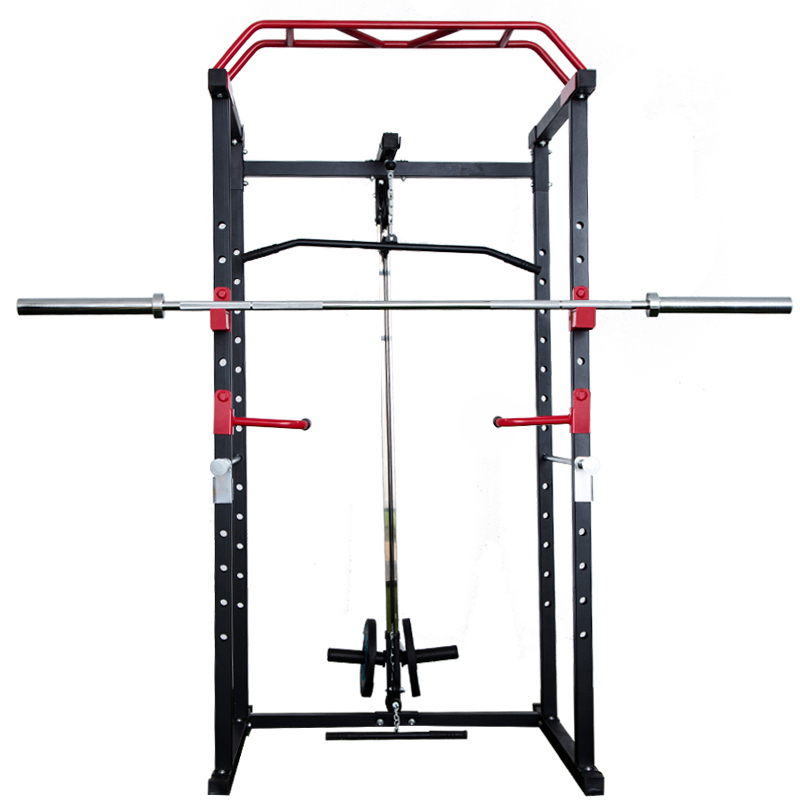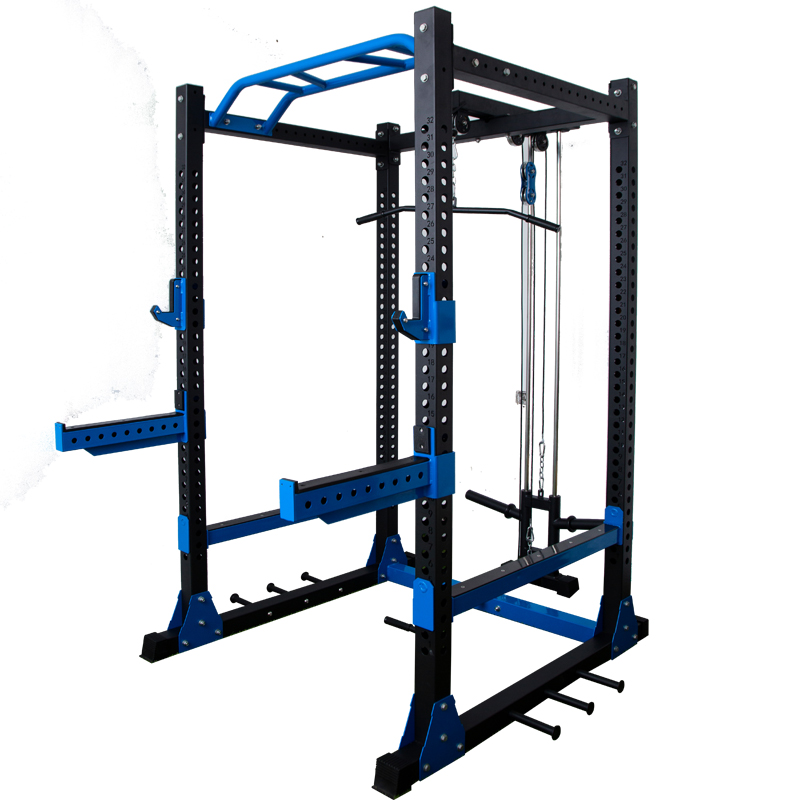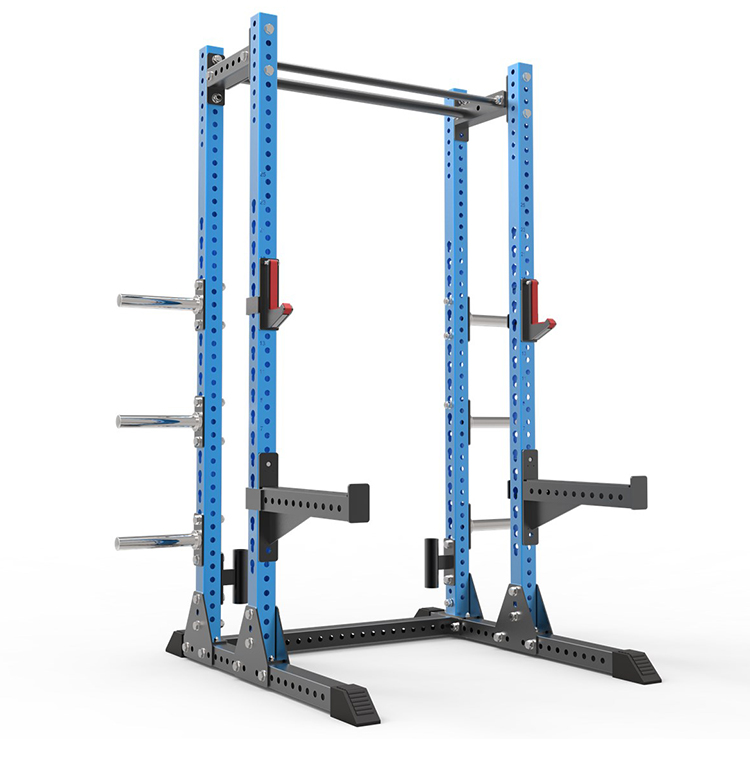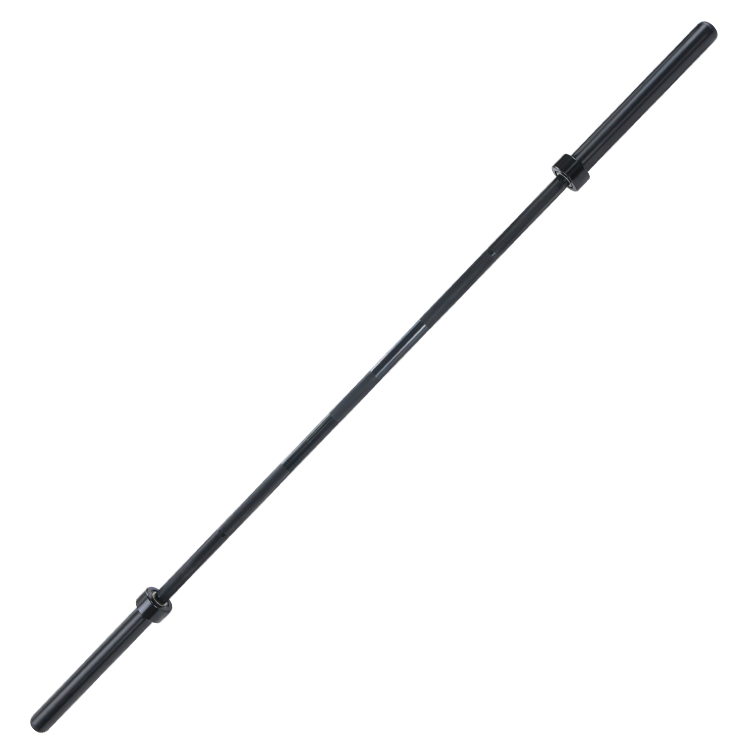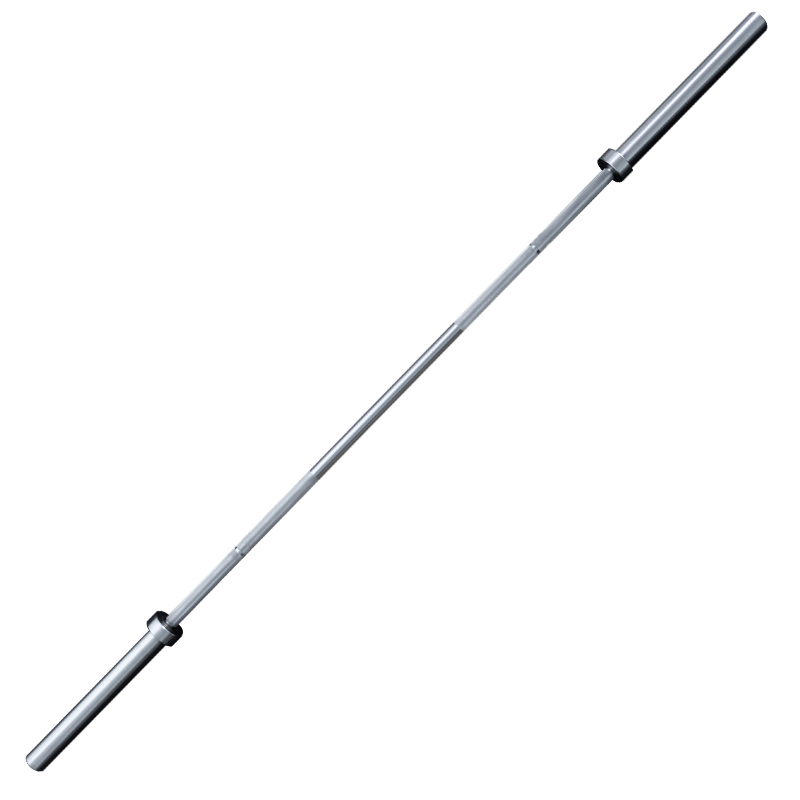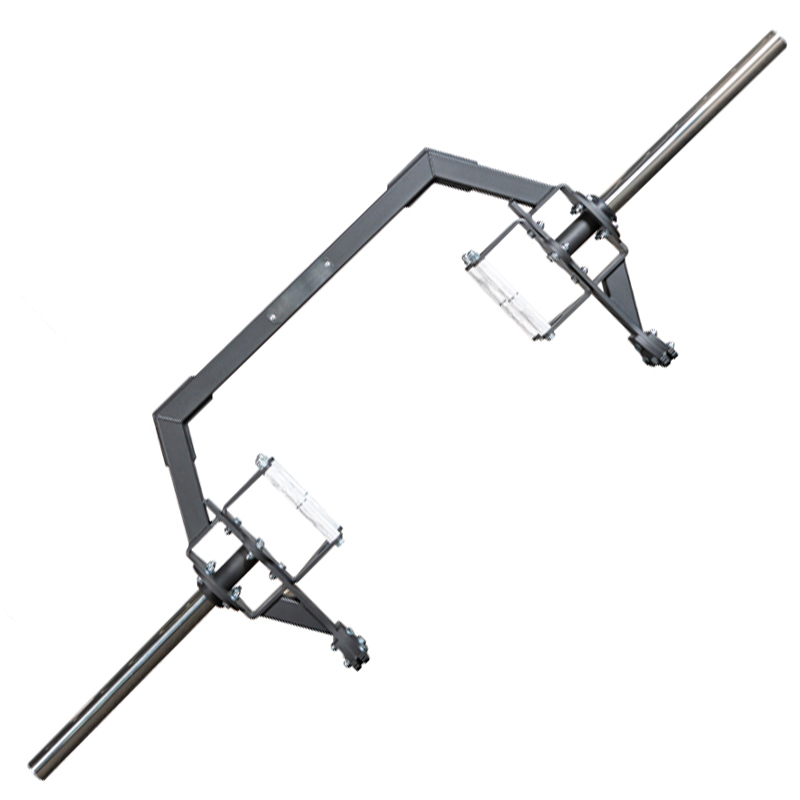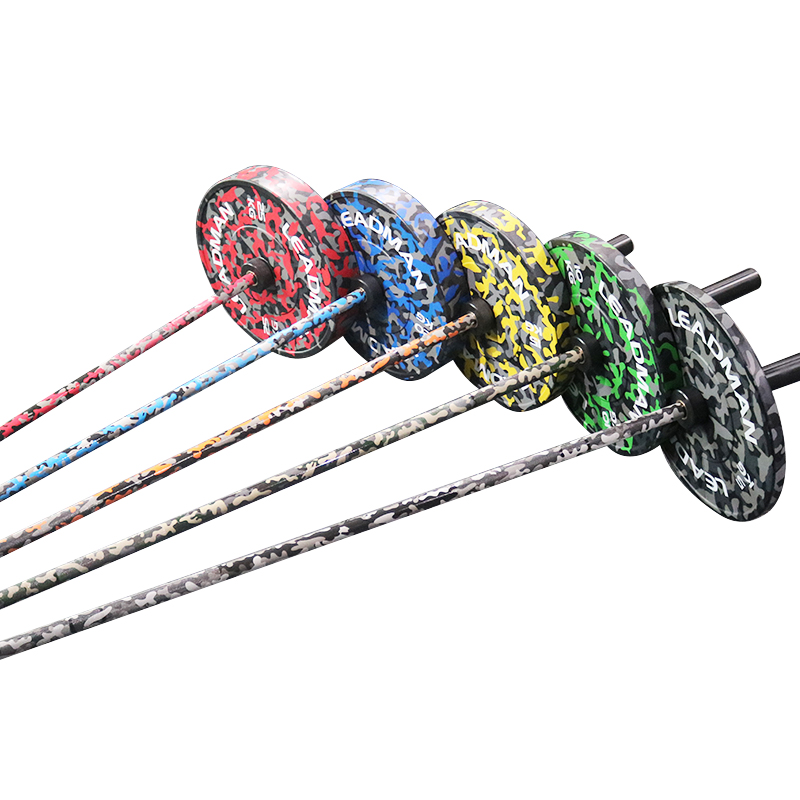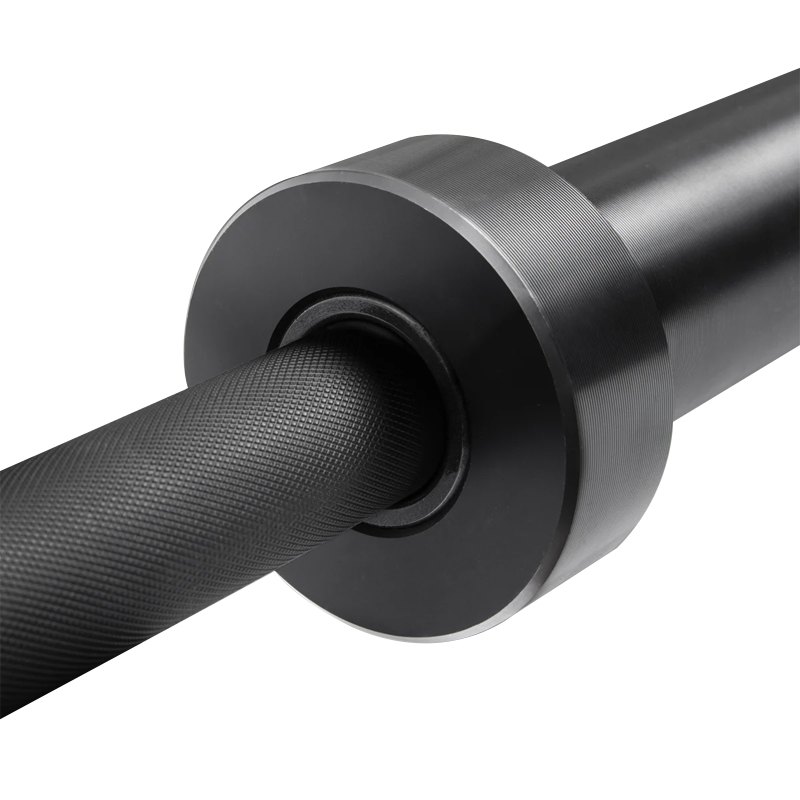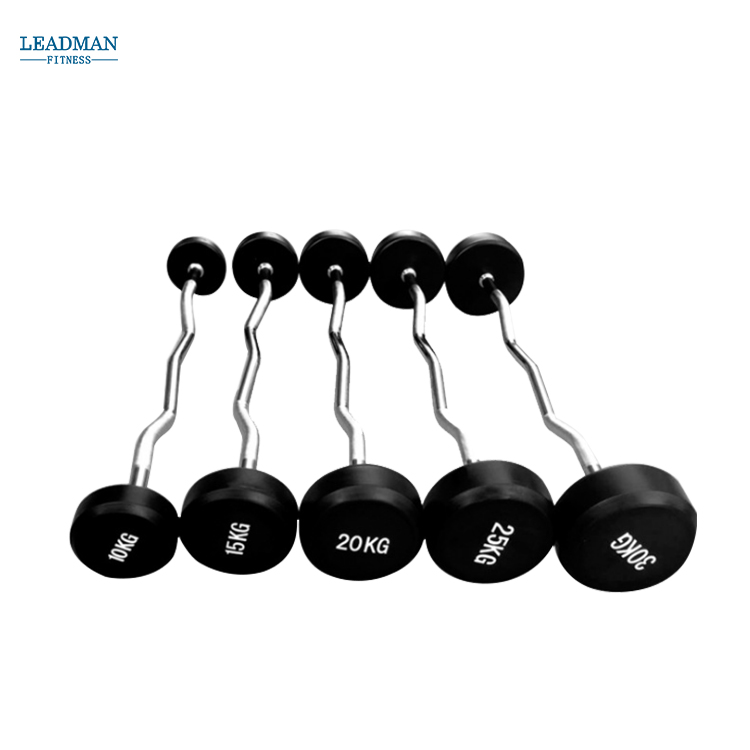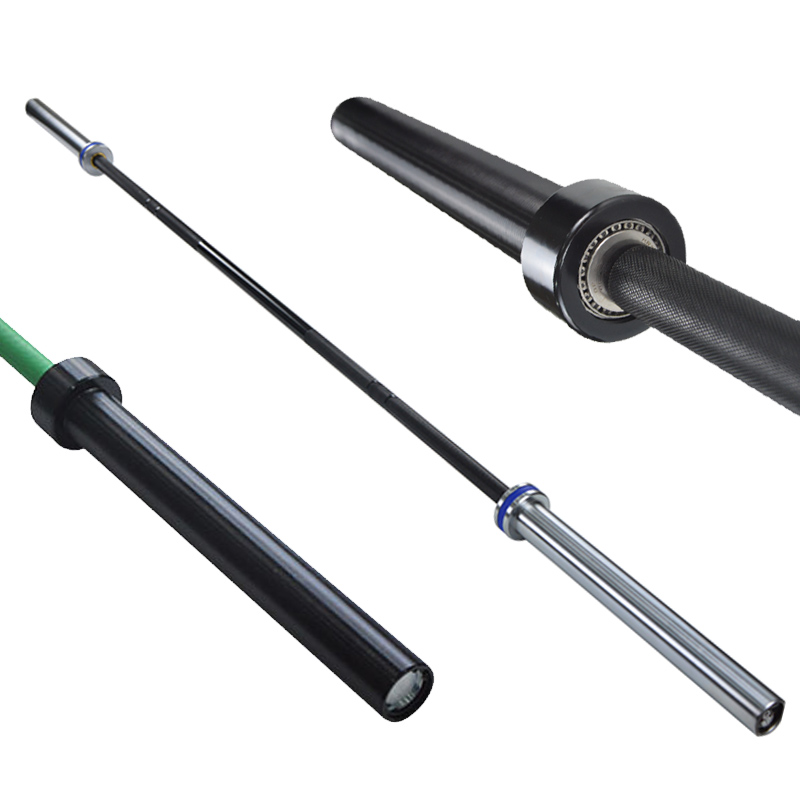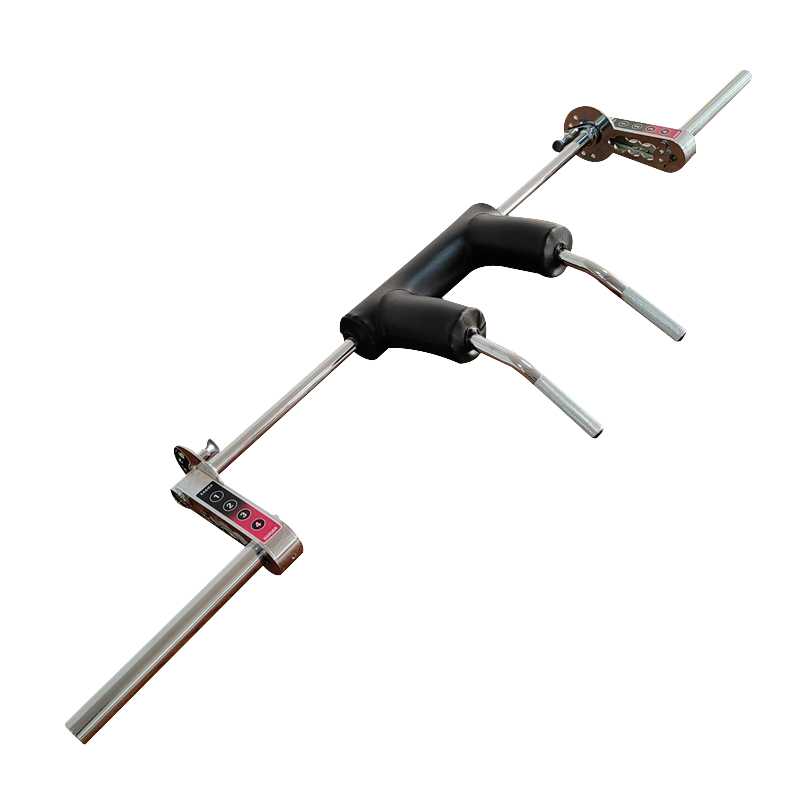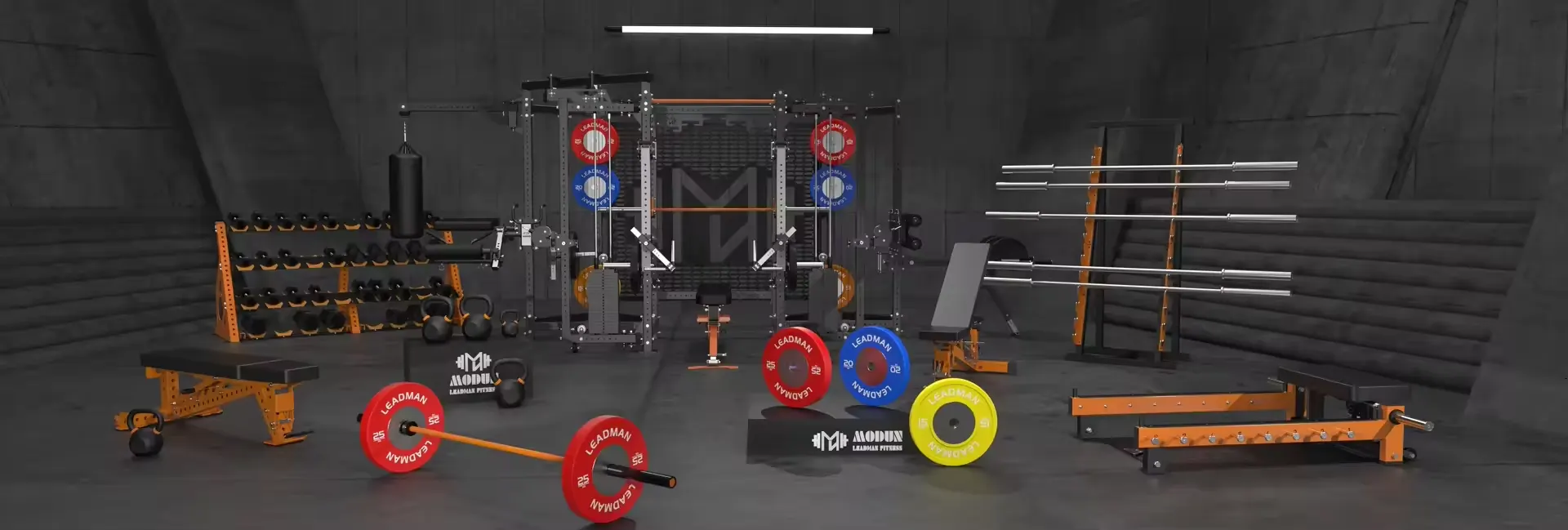
A barbell rack stand is an indispensable piece of infrastructure in any commercial gym, serving not only as a storage solution but as a critical operational tool that protects equipment, enhances facility safety, and improves gym floor efficiency. Unlike simple wall-mounted hangers, professional-grade rack stands are engineered to accommodate multiple barbells of varying weights and lengths, reducing clutter and preventing floor-level accidents that can damage both bars and foot traffic. The strategic placement of these stands—typically near squat racks, deadlift platforms, and Olympic lifting zones—ensures that barbells are readily accessible, minimising downtime between exercises and maintaining a smooth flow of members through busy training areas.
Construction specifications for commercial barbell storage rack designs prioritise structural durability, barbell protection, and space efficiency. Professional-grade stands utilise 2-inch or larger square steel tubing with 2–3mm wall thickness, incorporating rubberised or urethane-lined saddles that prevent knurling abrasion and finish wear. Vertical stands occupy minimal floor area while accommodating 6–12 barbells, whereas horizontal stands offer easier loading but require increased depth. Pivoting or angled models improve accessibility, while mobile stands with locking casters enable repositioning for floor cleaning, class setups, or temporary relocation. Premium designs include weight-identification tags, integrated chalk bowls, and accessory hooks for enhanced functionality.
Operational benefits of a well-designed barbell rack stand extend beyond mere organisation to measurable improvements in equipment longevity and gym floor safety. By storing bars vertically or horizontally in designated saddles, racks prevent warping or bending from improper floor storage, preserving the straightness and load-bearing characteristics of expensive barbells. Proper racking also reduces tripping hazards and ensures bars are stored with sleeves oriented to prevent impact damage from plate collisions. Additionally, organisational systems that distinguish Olympic, powerlifting, and specialty bars at a glance greatly benefit staff and members. Facilities implementing comprehensive barbell storage report 15–20% longer barbell service life, highlighting a compelling operational advantage that directly impacts the capital replacement cycle.
From a procurement perspective, rack capacity and floor planning integration are essential factors in selection, with gyms requiring barbell stands that accommodate 1.5–2 times the number of bars in use during peak hours. Price range spans $200–800 depending on capacity, materials, and mobility features. Installation requires floor anchoring for stability and careful positioning within training zones. Regular inspection of saddle wear, frame integrity, and wheel functionality ensures ongoing service. Ultimately, a high-quality barbell rack stand is a small investment that delivers significant returns through extended barbell life, improved workflow, and enhanced gym safety in any commercial setting.

Let our experts design the perfect gym solution for your business. Get a free consultation and quote today.