

Mastering the Mechanics of Crossing Barbells for Precision Training
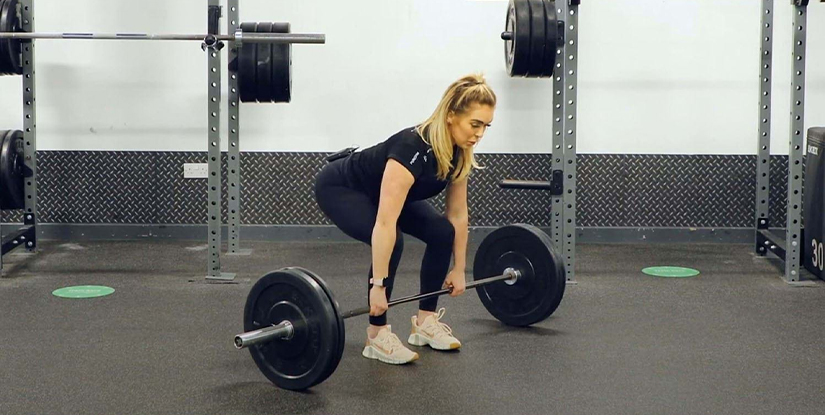
Addressing the Instability of Improperly Managed Barbells
In high-performance strength training environments, equipment instability is a constant threat to both athlete safety and consistent progress. A common failure mode observed by facility managers involves the erratic movement of weighted implements during complex lifting patterns. When athletes perform movements involving the Crossing Barbells technique—where the barbell's rotation or center of gravity is intentionally manipulated across the body's midline—any minor mechanical defect in the bar or the plates can lead to catastrophic instability. This is not merely a skill issue; it is often a direct consequence of neglected equipment maintenance and poor selection criteria.
The primary pain point for operators is the inability to distinguish between an athlete's technical error and an equipment-induced deviation. If the bar oscillates unexpectedly during a transverse movement, the cause is frequently found in the bearing friction or the dimensional tolerance of the sleeves. By understanding the mechanical root causes, operators can implement a proactive verification system that ensures the equipment supports, rather than hinders, the athlete. Establishing a baseline of mechanical integrity is the first step in managing these complex kinetic interactions.
Mechanical Foundations and Rotational Dynamics
To manage the risks associated with the previous instability issues, one must first understand the physics governing the implement. The term involves managing the barbell as it transitions across different planes of motion, necessitating a deep understanding of rotational inertia and bearing performance. When a barbell rotates, the speed and smoothness of the sleeve rotation directly dictate how much torque is transferred to the lifter's wrists and elbows.
The Role of Bearing Friction and Sleeve Integrity
The smoothness of a rotation is determined by the internal components of the barbell sleeve. Depending on the level of high-intensity training required, operators must choose between different bearing architectures. A failure to match the equipment to the specific movement pattern results in uneven drag, which can cause the bar to 'catch' during a transition.
| Component Type | Mechanism of Action | Ideal Use Case | Primary Failure Mode |
|---|---|---|---|
| Bushings | Low-speed friction-based rotation | Static heavy lifting (Squats/Deadlifts) | Seizing due to debris accumulation |
| Needle Bearings | High-speed precision rotation | Dynamic Olympic lifts (Snatch/Clean) | Increased drag after impact or dust ingress |
| Hybrid Systems | Combined rotation efficiency | Cross-functional commercial gyms | Inconsistent rotational speeds across sleeves |
By selecting the correct rotation mechanism, operators reduce the likelihood of unexpected torque spikes. This technical selection provides the necessary foundation for executing the complex patterns discussed previously, leading us into the specific procedural requirements for setup.
Standard Operating Procedures for Implement Setup
Once the rotational mechanics are understood, the focus shifts to the practicalities of the setup phase. The goal is to eliminate variables before the athlete begins the first set. A common mistake during setup is the failure to verify the weight distribution across the bar, which can lead to a significant tilt during lateral transitions.
Pre-Lift Checklist for Operators
Before an athlete engages with the implement, the following verification steps should be completed. These steps are designed to ensure that the weight is centered and the rotation is unobstructed.
- Sleeve Clearance Check: Ensure that collars or weight plates are not physically touching the bar shaft, which inhibits rotation.
- Center of Mass Verification: Confirm that weight is distributed symmetrically on both sides of the knurling.
- Rotation Test: Spin the sleeves manually to ensure there is no 'grittiness' or resistance in the bearings.
- Knurling Integrity: Inspect for any metal burrs that could cause premature grip fatigue during the crossing movement.
Adhering to this checklist minimizes the chance of equipment-induced errors. With a stabilized setup in place, the operator can then focus on the critical aspect of technical execution and common pitfalls.
Explore the complete technical specifications:
Common Technical Errors and Mitigating Causes
Even with a perfectly calibrated setup, the complexity of the movement can introduce errors if the relationship between the lifter and the equipment is misunderstood. These errors are often categorized into two groups: mechanical interference and biological compensation. The key to solving these is to isolate whether the problem lies with the machine or the human.
Differentiating Skill Gaps from Equipment Deficiencies
When an athlete struggles with the stability of the bar, the operator must act as a diagnostic technician. If the bar feels 'sluggish,' the issue is likely mechanical (bearing drag). If the bar feels 'erratic,' it may be an issue of weight distribution or an uneven sleeve fit. Identifying these differences allows for a more precise intervention.
| Observation | Probable Cause (Equipment) | Probable Cause (Technique) | Recommended Fix |
|---|---|---|---|
| Jerky rotation during transition | Contaminated bearings or lack of lubrication | Improper hand placement on knurling | Clean/service sleeves or adjust grip width |
| Imbalanced tilt during lateral move | Uneven plate loading/faulty collars | Core instability/Lack of bracing | Re-seat plates or coach bracing technique |
| Excessive vibration at high speed | Loose barbell collars or bent shaft | Rapid, uncontrolled force application | Replace collars or review weight progression |
Analyzing these data points allows the operator to move from reactive troubleshooting to proactive coaching. This leads directly into the necessary maintenance protocols required to sustain this level of performance.
Explore the complete technical specifications:
Olympic Bar vs Standard Bar Weight: 20kg vs 5kg – B2B Procurement Engineering Guide
Maintenance Schedules and Component Longevity
Consistent performance relies on a rigorous maintenance cadence. As established in the previous section, the subtle differences between a functional and a failing bearing can be the difference between a successful lift and a training injury. Therefore, maintenance cannot be an afterthought.
Establishing a Preventive Maintenance Cadence
Operators should treat the barbell as a high-precision instrument rather than a simple piece of steel. Depending on the usage frequency, a formalized schedule is necessary to ensure the long-term viability of the equipment. Commercial environments typically require a multi-tiered approach to care.
- Daily (Operator Level): Wipe down shafts to remove sweat and salt; check for visible debris in the sleeves.
- Monthly (Technician Level): Inspect collars for tightness; check for any axial play (side-to-side movement) in the sleeves.
- Quarterly (Specialist Level): Detailed inspection of bearing surfaces; evaluation of shaft straightness and knurling wear.
Regularly following these steps ensures that the mechanical properties of the bar remain within the desired tolerances. Maintaining these standards is essential for ensuring that the technical execution of the lifters remains the focus of the training session.
Explore the complete technical specifications:
Best Barbells Guide: Specifications, Knurling, and Commercial Selection
Advanced Troubleshooting: Identifying Subtle Defects
As equipment ages, the failure modes become more subtle and difficult to diagnose. An experienced operator must be able to detect deviations that are not immediately obvious to the untrained eye. This advanced level of oversight is what separates a professional facility from a basic gym environment.
The Nuances of Component Wear
Subtle issues such as a slight bend in the shaft or microscopic metal shavings in a bearing can drastically alter the performance of the bar. In the context of Crossing Barbells, these tiny deviations are magnified by the rotational forces involved. A bent shaft might pass a visual test but will cause a rhythmic oscillation during high-speed lifting.
To detect these, use precision tools. A caliper can verify the diameter of the shaft, and a specialized straightness gauge can detect deviations that are invisible to the naked eye. If a bar exhibits a 'wobble' that cannot be explained by weight distribution, it is time to retire the implement from high-performance use. Verifying the straightness of the shaft is a critical part of a comprehensive inspection routine.
Explore the complete technical specifications:
Optimizing Ergonomics and Grip Interaction
The interaction between the athlete's hands and the metal surface is the final link in the kinetic chain. Even if the internal mechanics are perfect, a poor surface interface can negate the benefits of a high-quality barbell. This section addresses the nuances of knurling and coating interaction.
Selecting the Right Surface for the Movement
Different training styles require different grip characteristics. For movements involving high rotational speeds, the friction provided by the knurling must be consistent. If the knurling is worn or uneven, the athlete may lose confidence in the stability of the bar during the transition phase.
| Knurling Profile | Grip Characteristic | Best For | Wear Resistance |
|---|---|---|---|
| Fine/Smooth | Minimal friction, high comfort | High-rep, low-impact training | High |
| Medium/Standard | Balanced grip and comfort | General strength and conditioning | Moderate |
| Aggressive/Sharp | Maximum friction/bite | Heavy weight, high-intensity lifting | Low (tends to dull over time) |
Understanding these profiles allows for better procurement decisions. Once the surface and mechanical aspects are aligned, the operator can finalize the operational standards for the facility.
Explore the complete technical specifications:
Bumper Plates Per Pound: Cost Analysis, Material Tiers, and Procurement
Operational Longevity and Long-term ROI
Ultimately, the goal of high-level equipment management is to maximize the return on investment (ROI) while maintaining safety. High-quality implements are an investment, and their longevity is directly proportional to the quality of the maintenance and operational protocols established by the facility management.
Calculating the True Cost of Neglect
The cost of a single equipment-related injury or the premature replacement of a barbell far outweighs the cost of a monthly maintenance schedule. When operators neglect the technical aspects of their equipment, they are essentially accepting a higher risk profile for their entire operation. By prioritizing the integrity of the tools, they protect both their athletes and their bottom line.
A robust maintenance program, combined with a keen eye for technical execution, ensures that the facility remains a premium environment for high-performance training. The ability to master the complexities of the equipment is the hallmark of a professional operation.