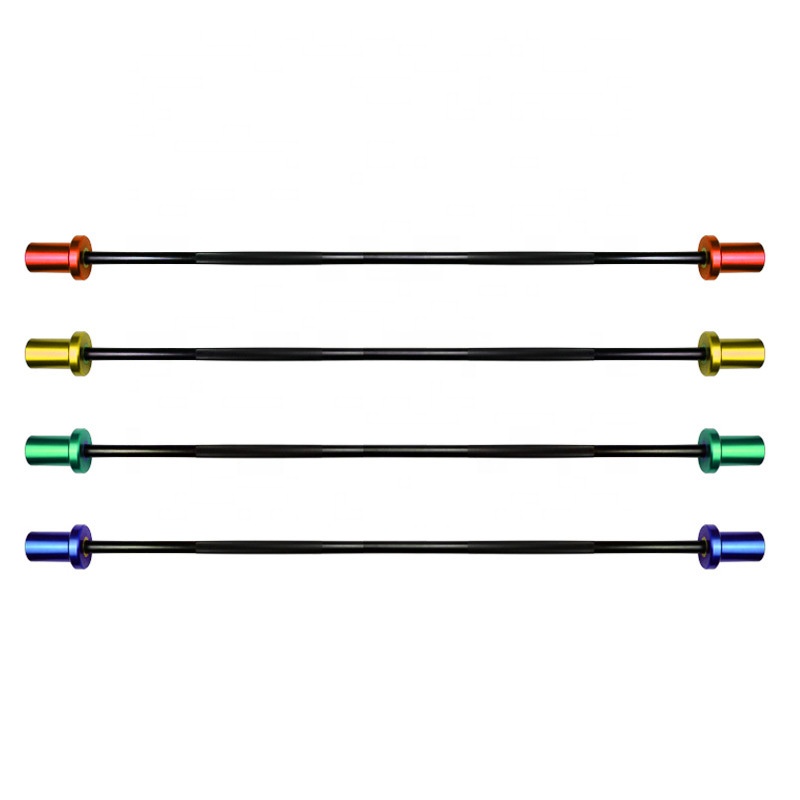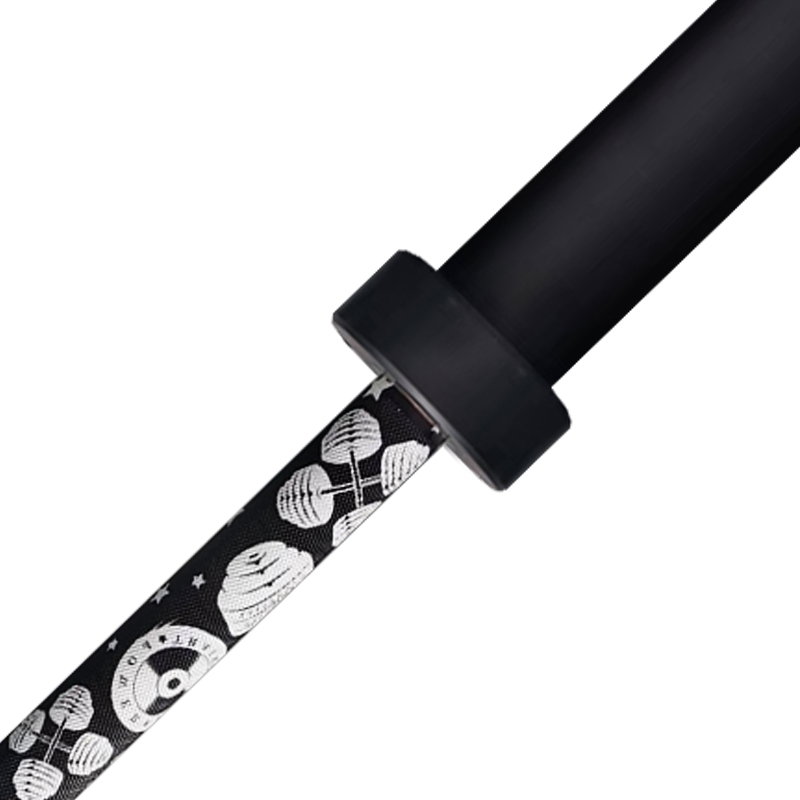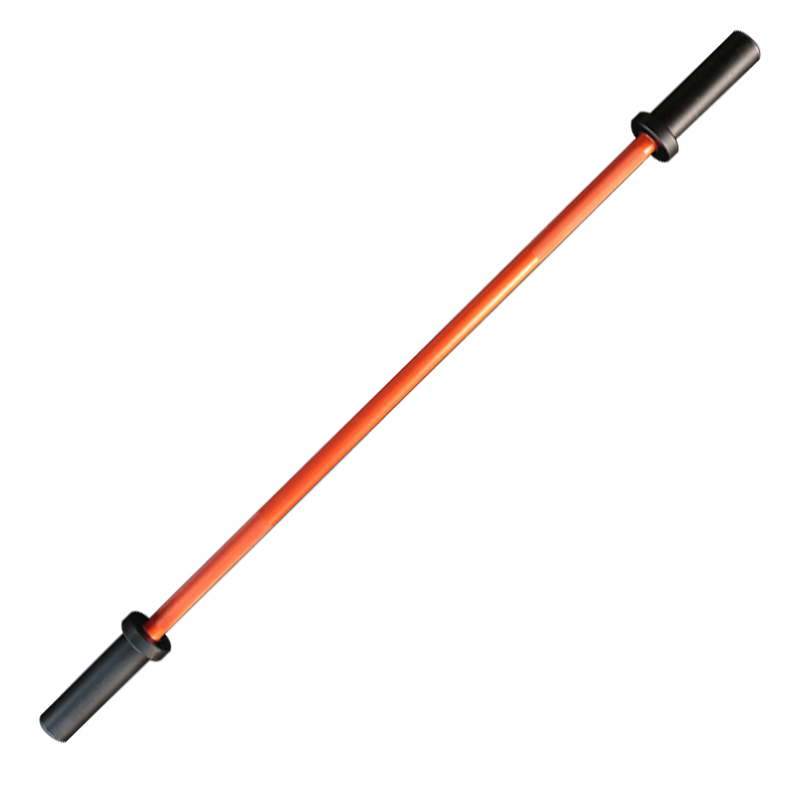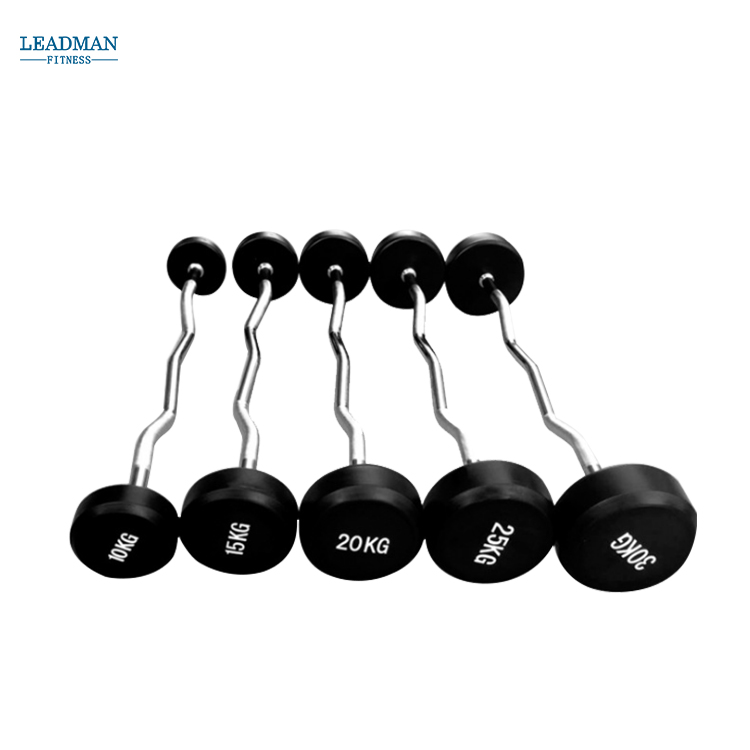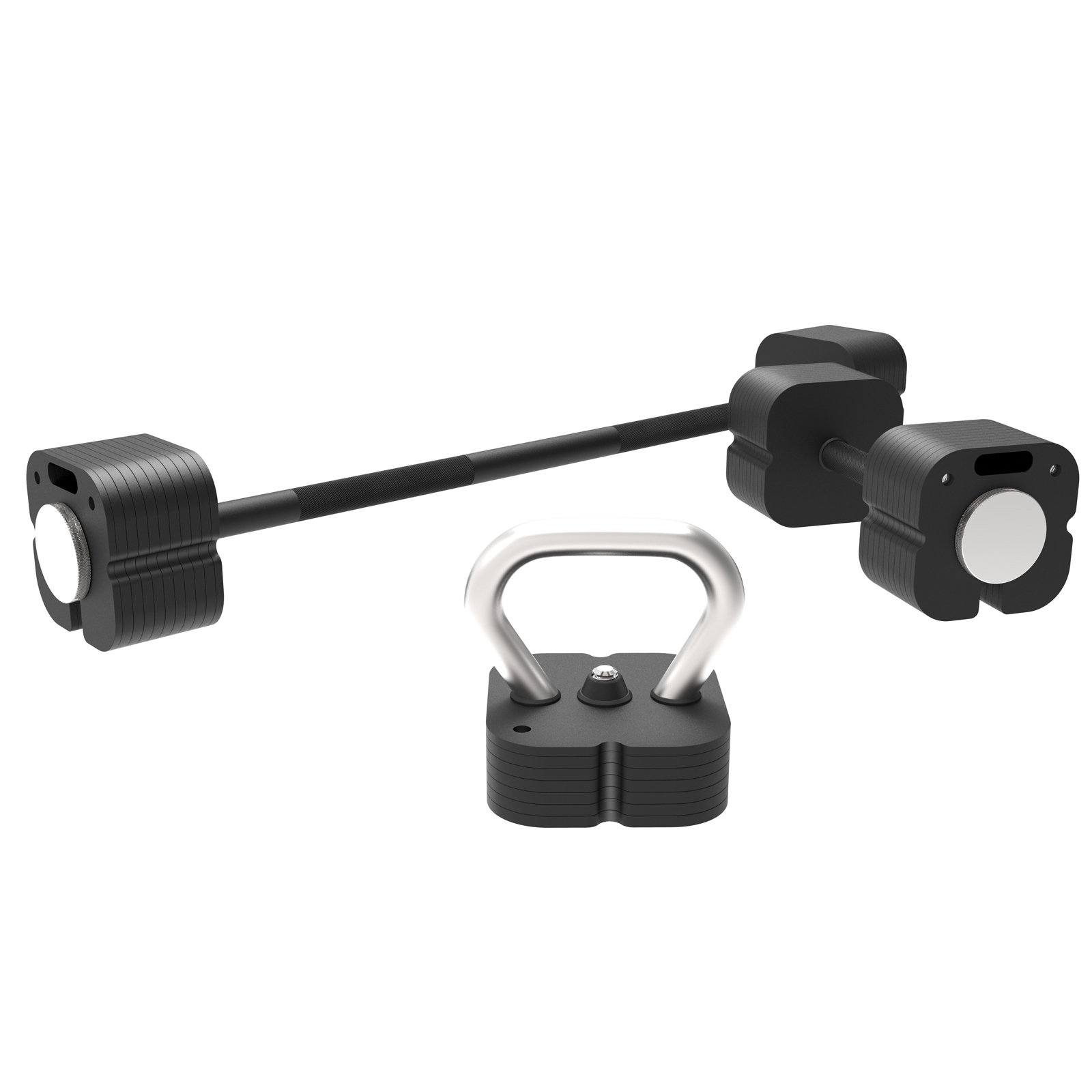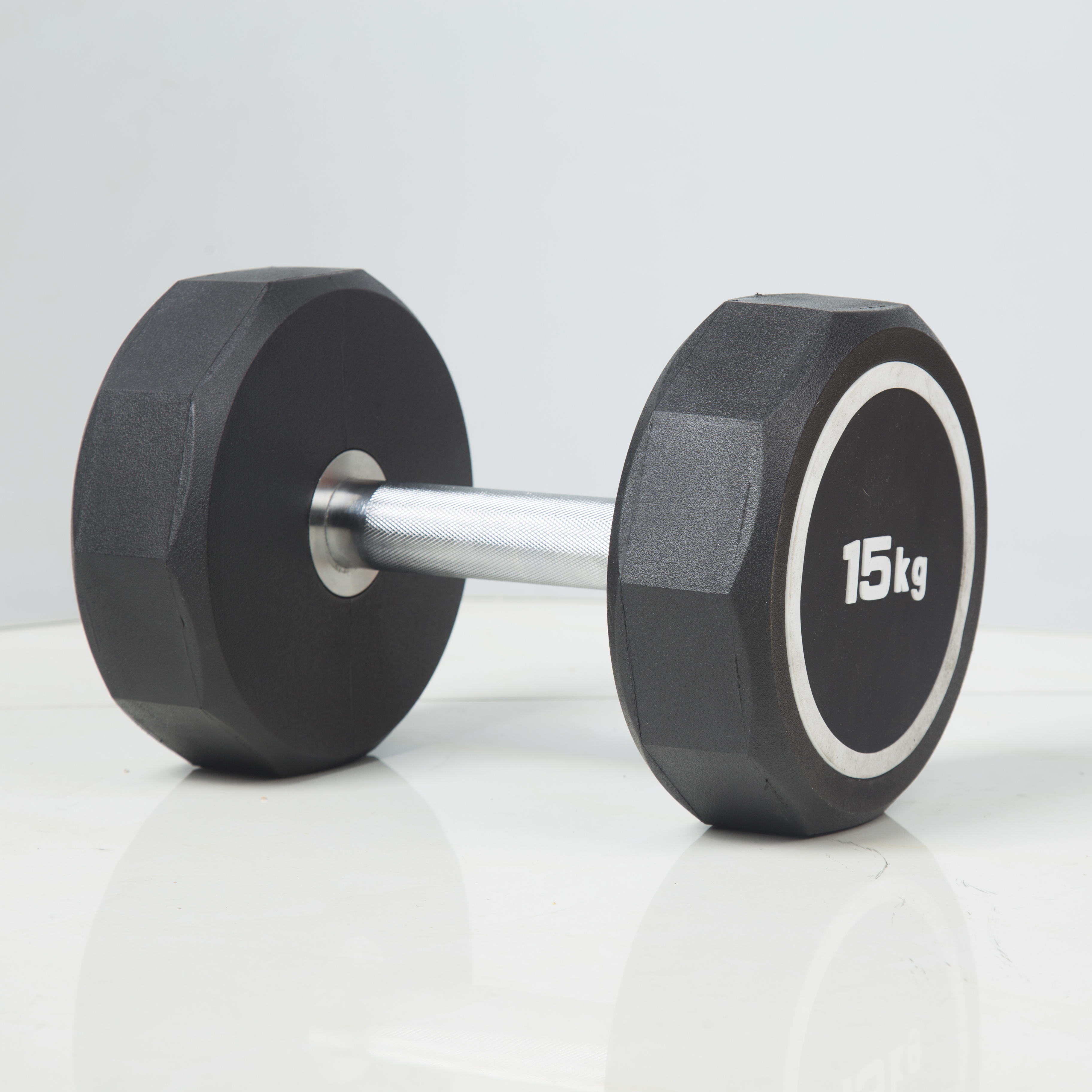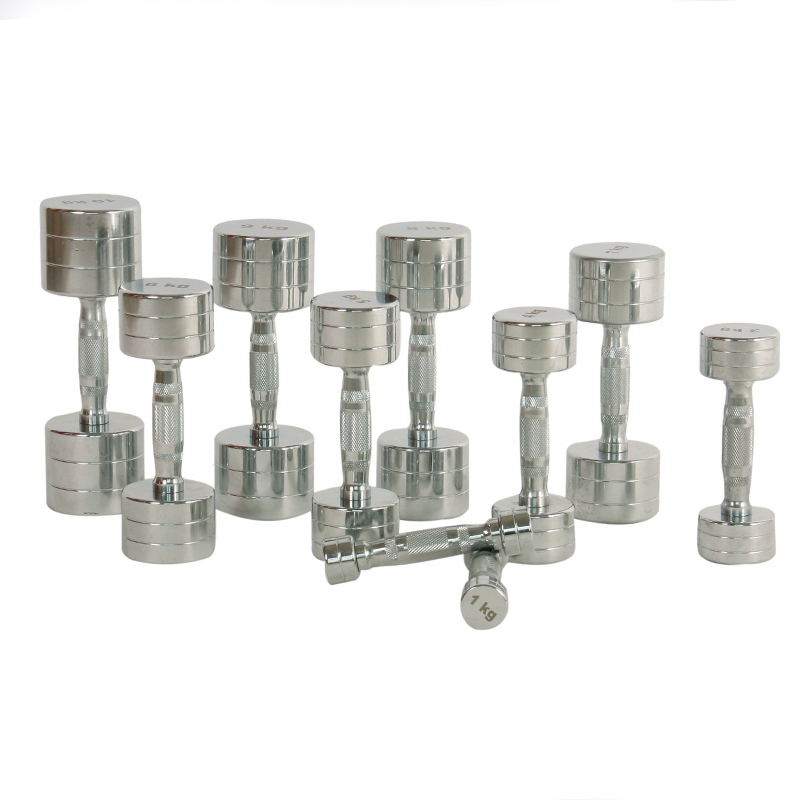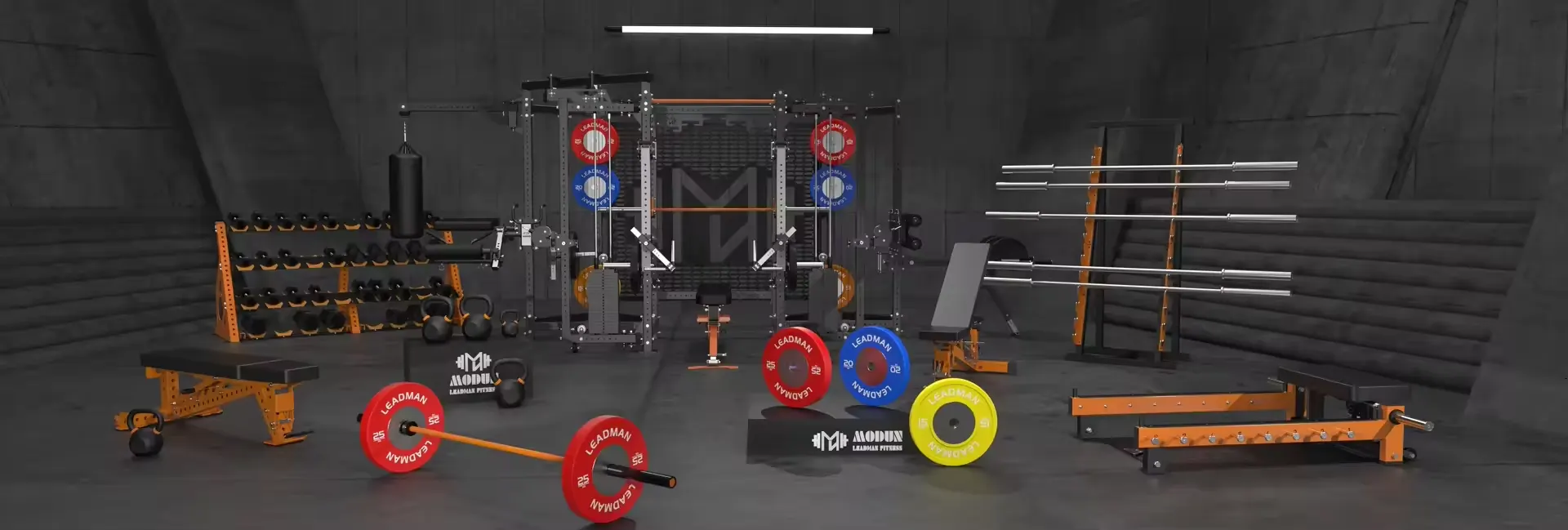
Determining the best barbells for a commercial facility transcends simple brand loyalty or price comparisons; it demands a forensic evaluation of steel metallurgy, manufacturing precision, and application-specific engineering. Unlike consumer-grade bars found in big-box retailers, professional-grade barbells are precision instruments where shaft diameter, knurling pitch, shoulder geometry, and tensile strength converge to define performance under maximal loads. The bar that excels in a competitive weightlifting platform may prove entirely unsuitable for a high-volume general fitness floor, underscoring the importance of matching barbell specifications to the facility's primary training modalities and member demographics.
Metallurgical quality serves as the foundation of barbell excellence. Premium manufacturers utilise high-carbon steel or chromoly alloys with tensile strengths exceeding 190,000 PSI, ensuring the bar withstands repeated 500kg+ loads without permanent deformation. The heat-treatment process—specifically through-hardening versus case-hardening—determines whether the bar retains its mechanical properties through decades of use. Top-tier barbells also incorporate precision-ground shafts that maintain straightness within 0.5mm tolerances, a critical specification for squat and deadlift accuracy where even minor bows translate to uneven loading and compromised movement patterns.
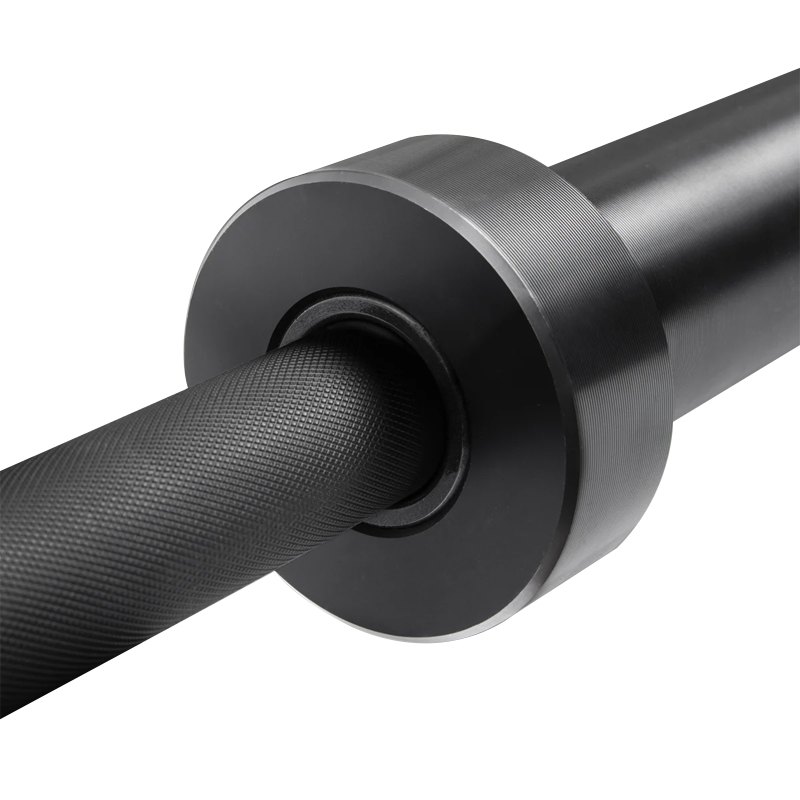
Knurling design represents the second differentiator. Aggressive volcano-style knurling with 1.5mm depth benefits powerlifters requiring vice-like grip security during heavy pulls, while medium-depth knurling with finer 1.2mm pitch suits Olympic lifters performing rapid turnover movements. Multipurpose commercial bars often adopt 1.3mm depth with passive centre knurling, striking a balance that accommodates both low-rep strength work and high-rep metabolic conditioning. Importantly, knurling should terminate precisely at the IPF- or IWF-specified shoulder positions, ensuring competition compliance and consistent hand placement during compound lifts.
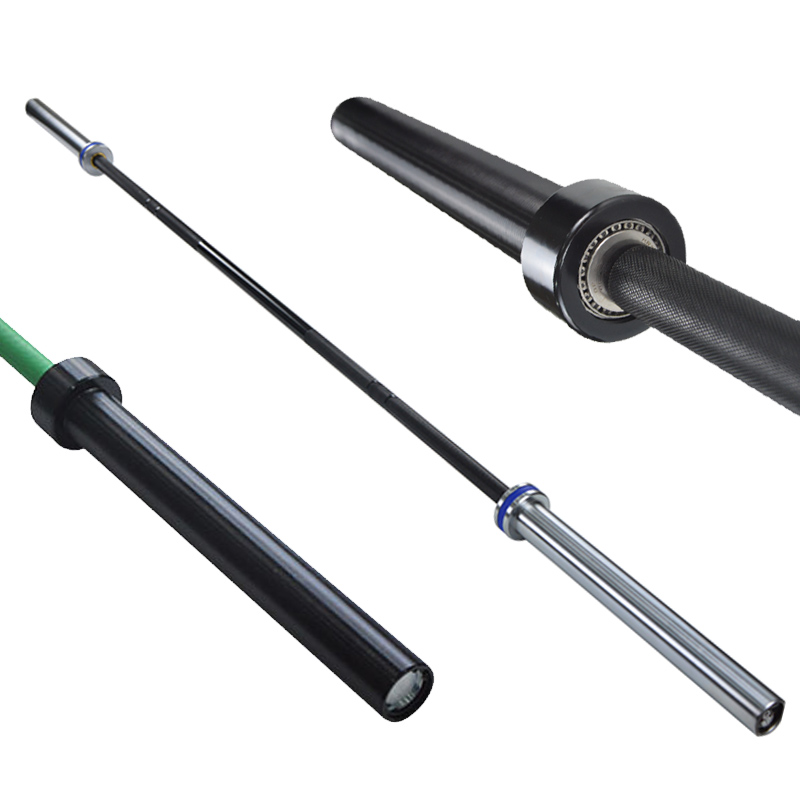
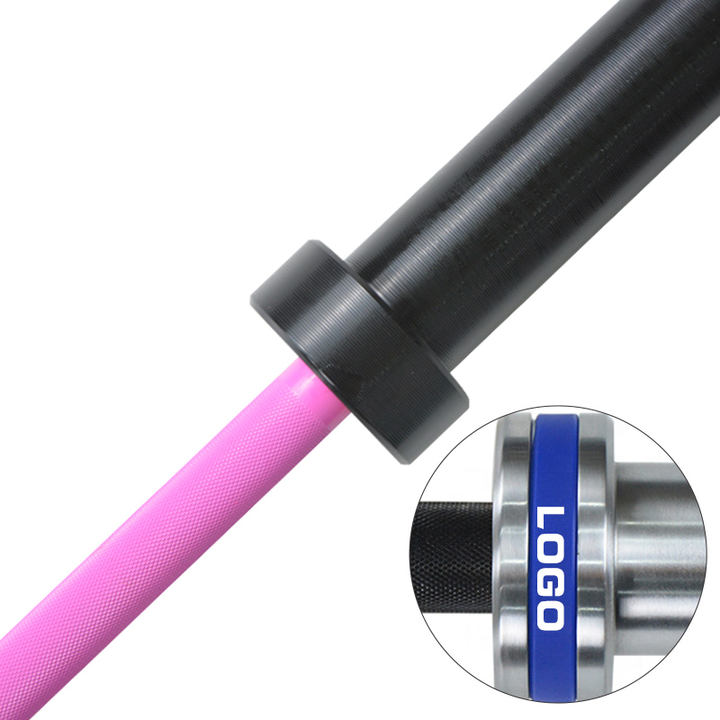
Bearing and bushing systems further differentiate performance classes. Needle-bearing end assemblies enable smoother rotation during Olympic lifts, reducing wrist and elbow torque during the catch phase. Conversely, bronze bushings deliver sufficient rotation for powerlifting and general training while requiring less maintenance and offering greater impact resistance for CrossFit-style programme. The best barbells for commercial environments typically feature dual-spring collar systems and reinforced snap rings that maintain sleeve integrity through thousands of plate changes. Ultimately, a judicious selection—potentially combining competition bars, training bars, and technique bars—ensures that each user type encounters the appropriate tool, optimising both safety and performance across the entire facility population.
Let our experts design the perfect gym solution for your business. Get a free consultation and quote today.