

Understanding the Rigorous Standards of a Professional Fitness Equipment Manufacturer
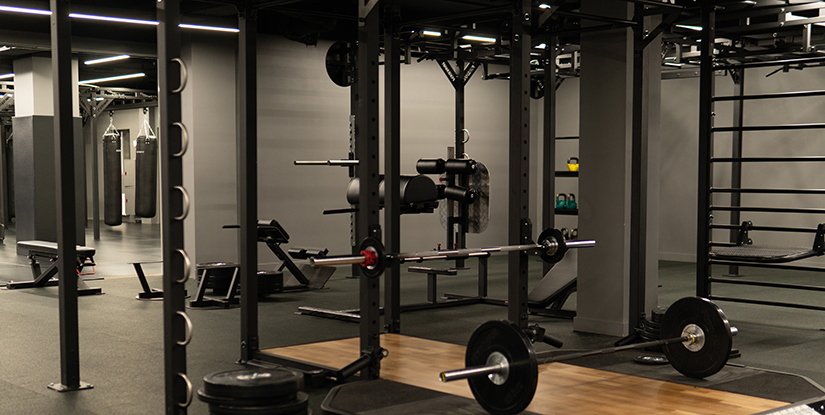
Navigating the procurement of high-volume gym installations requires more than just comparing aesthetics; it requires a deep understanding of the engineering lifecycle. A professional fitness equipment manufacturer does not simply assemble parts; they manage a complex progression from raw material selection to the final deployment of heavy-duty mechanical systems. For facility operators, the primary pain point is often the hidden cost of premature fatigue—where equipment looks functional but suffers from internal structural degradation. Understanding the manufacturing 0→1 process allows buyers to verify quality before the first unit even arrives on-site.
Phase 1: Material Selection and Metallurgical Integrity
The lifecycle of any commercial-grade machine begins with the molecular stability of its components. Most structural issues in weight machines stem from the use of sub-standard steel or improper alloying, which leads to unpredictable bending under heavy load. A reliable manufacturer must prioritize high-tensile steel to ensure longevity.
Steel Grade and Wall Thickness Standards
In the initial design phase, the choice between cold-rolled and hot-rolled steel dictates the machine's eventual rigidity. Cold-rolled steel offers a superior surface finish and tighter tolerances, making it ideal for precision components like pulley housings and adjustment pins. Conversely, heavy-duty frames often utilize structural carbon steel with specific wall thicknesses to prevent buckling.
| Material Type | Common Application | Primary Benefit | Failure Risk if Substandard |
|---|---|---|---|
| Cold-Rolled Steel | Adjustment Knobs/Small Parts | High Precision & Smooth Finish | Stripped Threads |
| High-Tensile Tubing | Main Structural Frames | Weight-to-Strength Optimization | Structural Buckling |
| Stainless Steel (304/316) | Exterior Fasteners/External Rails | Corrosion Resistance | Rust at Connection Points |
| Aluminum Alloy | Lightweight Moving Parts | Low Inertia for Rapid Movement | Material Fatigue/Cracking |
When reviewing specifications, operators should ask for the specific steel gauge used in the main frame. A failure to verify this often results in "creaking" or frame deflection during heavy lifting sessions. Once the materials are secured, the focus shifts toward the actual shaping of these elements through advanced metalwork.
Phase 2: Precision Shaping and CNC Machining Processes
Once the raw materials are sourced, the transition from a static sheet or tube to a functional component occurs through mechanical deformation and subtractive machining. A high-tier manufacturer utilizes Computer Numerical Control (CNC) technology to ensure that every part is an exact replica of the engineering blueprint.
The Role of CNC Milling in Component Alignment
Precision is non-negotiable when manufacturing resistance systems. If a pulley mount is off by even a single degree, the resulting kinetic friction will cause uneven wear on the cables and bearings. CNC milling ensures that the connection points for moving parts are perfectly perpendicular to the load path, reducing the risk of tangential stress.
- Tolerance Verification: Ensuring that moving parts operate within a sub-millimeter margin of error.
- Drilling and Tapping: Creating consistent thread depths to prevent bolt shearing under high vibration.
- Laser Cutting: Utilizing high-precision lasers to ensure clean edges on all structural plates.
The precision achieved during this stage dictates the "smoothness" of the machine's movement. A common mistake is overlooking the precision of the pivot points, which leads to jerky motion. After the shapes are finalized, the focus moves to how these pieces are permanently joined together.
Explore the complete technical specifications:
Hidden Costs of Choosing the Wrong Fitness Equipment Manufacturer
Phase 3: Structural Fusion and Welding Integrity
The strength of a fitness machine is only as good as its weakest weld. Whether utilizing MIG (Metal Inert Gas) or TIG (Tungsten Inert Gas) welding, the fusion of metal parts is where many manufacturers fail to maintain consistency, especially when scaling production volumes.
Identifying Weld Defects and Structural Weakness
A common problem in lower-tier manufacturing is the presence of "cold welds" or porosity within the joint. A cold weld occurs when the metal does not fully fuse, creating a surface-level bond that looks intact but lacks structural depth. This often leads to sudden catastrophic failure under peak load.
To verify quality, operators should look for the following indicators in the finished product:
- Uniformity: The weld bead should be consistent in width and height throughout the entire joint.
- Penetration: The metal should show deep integration, not just a surface bead.
- Lack of Spatter: Excessive metal splatter around a weld indicates a lack of control over the heat and gas mixture during the process.
Successful welding creates a monolithic structure that can withstand the repetitive dynamic loads of high-intensity training. Once the structural frame is a single, rigid unit, the manufacturer must address the surface finish to prevent environmental degradation.
Explore the complete technical specifications:
Identifying the Best Fitness Manufacturer for Commercial Use
Phase 4: Surface Treatment and Corrosion Resistance
The environment of a commercial gym—often high in humidity and sweat—is highly corrosive. A manufacturer's ability to protect the steel through advanced surface treatments is a critical determinant of the machine's lifecycle. The failure to apply adequate coating leads to rust that eventually compromises the structural integrity of the frame.
Powder Coating vs. Liquid Painting Techniques
While liquid painting is cost-effective, it is prone to chipping and peeling under impact. High-end manufacturers prefer electrostatic powder coating, which provides a much denser and more durable protective layer. This process involves applying dry powder to the metal and then curing it in a high-temperature oven to create a hard, resilient skin.
| Feature | Powder Coating (Premium) | Liquid Painting (Standard) |
|---|---|---|
| Durability | Extreme resistance to impact and scratching | Moderate; prone to chipping |
| Corrosion Protection | Deep-penetrating layer that seals the metal | Thinner layer; susceptible to moisture seepage |
| Visual Consistency | Highly uniform texture and color | Variations in thickness possible |
| Environmental Impact | Lower VOCs (Volatile Organic Compounds) | Higher VOC emissions during application |
A flawless finish does more than look good; it prevents the oxidation that causes parts to seize. With the exterior protected, the manufacturer can now integrate the internal mechanical movement systems.
Explore the complete technical specifications:
Core Certification Systems for Professional Fitness Equipment Manufacturers
Phase 5: Mechanical Integration of Pulleys, Bearings, and Cables
The true test of a fitness equipment manufacturer lies in the integration of moving parts. This stage involves installing the complex systems that convert human force into controlled resistance, such as weight stacks, cables, and bearings.
Managing Friction and Cable Longevity
The most frequent point of failure in resistance machines is the cable. Cables are subject to constant bending and stretching, which creates internal friction. If the pulley system is not perfectly aligned, the cable will rub against the housing, leading to fraying and eventual snapping.
Verification Checklist for Mechanical Systems:
- Bearing Smoothness: Spin the pulley by hand; it should rotate without any perceptible vibration or resistance.
- Cable Tension: Ensure the cable is seated correctly in the grooves of the pulley.
- Weight Stack Fluidity: The weight stack should rise and fall without any "catching" or jerky movements.
- Cable Composition: High-quality machines use nylon-coated steel cables to reduce friction and noise.
The smoothness of these components directly impacts user experience and safety. Once these internal systems are calibrated, the final stage is the rigorous testing of the entire assembly.
Explore the complete technical specifications:
China Gym Equipment Factory: Tiers, Vertical Integration & Audit
Phase 6: Quality Control, Load Testing, and Final Inspection
Before a machine leaves the factory floor, it must undergo a series of stress tests. This is the final gatekeeping stage where any latent defects in the welding, assembly, or material integrity are identified. A manufacturer without a formal QC process is essentially selling a liability.
The Methodology of Load and Fatigue Testing
A professional quality control protocol involves more than just a visual check. It includes dynamic load testing, where the machine is subjected to its maximum rated capacity multiple times to ensure no structural deflection occurs. This mimics the reality of a commercial gym environment.
Common defects identified during this stage include:
- Improper Bolt Torque: Certain bolts may not have been tightened to the specified Newton-meters, leading to rattling.
- Tolerance Drift: Components that were slightly out of alignment during the CNC phase may cause issues under load.
- Bearing Seizure: Dry or improperly lubricated bearings that lack long-term durability.
By verifying these metrics, the facility manager can ensure that the equipment arrives in a state of readiness. The final step of the manufacturing process is the packaging and logistical preparation for deployment.
Explore the complete technical specifications:
Olympic Fitness Equipment: Competition Specifications and Facility Guide
Phase 7: Assembly, Deployment, and Lifecycle Maintenance
The manufacturing process does not end when the machine is boxed; it extends into the deployment and maintenance phases. For the end-user, the transition from a factory-finished product to a functional gym piece requires careful installation and a proactive service schedule.
Optimization via Preventative Maintenance
To maximize the ROI of the equipment, operators must treat maintenance as a continuous process rather than a reactive fix. Even the highest-quality machines require regular lubrication and tension adjustments to combat the natural wear and tear of high-volume usage.
The Professional Maintenance Protocol:
- Weekly: Wipe down surfaces to prevent sweat buildup; check for loose bolts.
- Monthly: Inspect cables for fraying; lubricate guide rods with silicone spray.
- Quarterly: Deep-dive inspection of all bearings and pivot points for noise or resistance changes.
By understanding these deep-dive technical layers, from the initial melt of the steel to the long-term maintenance of the cables, buyers can make informed decisions that protect their investment. High-quality manufacturing is a measurable standard, not a marketing claim.