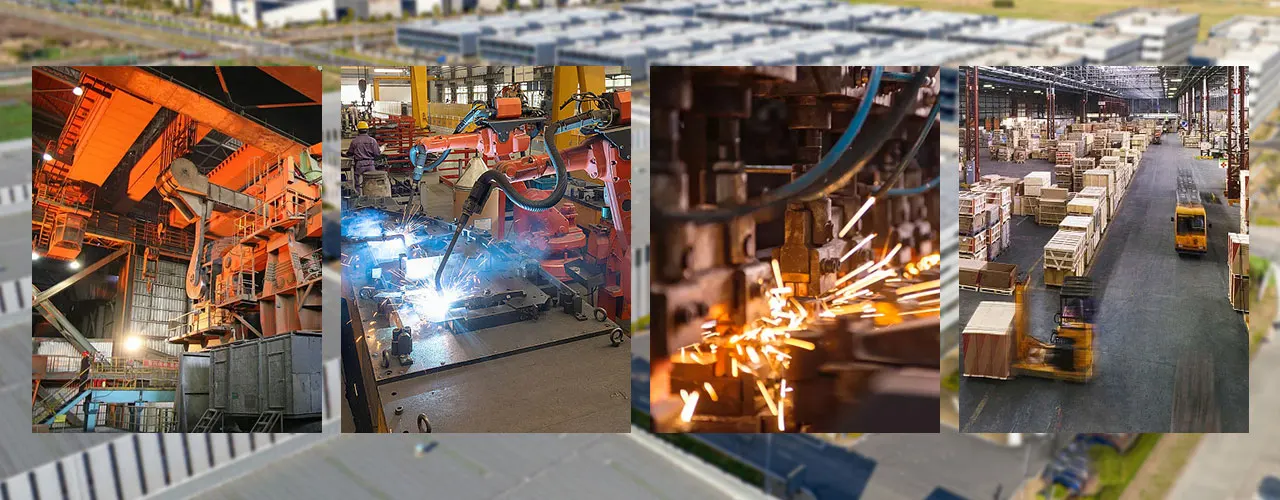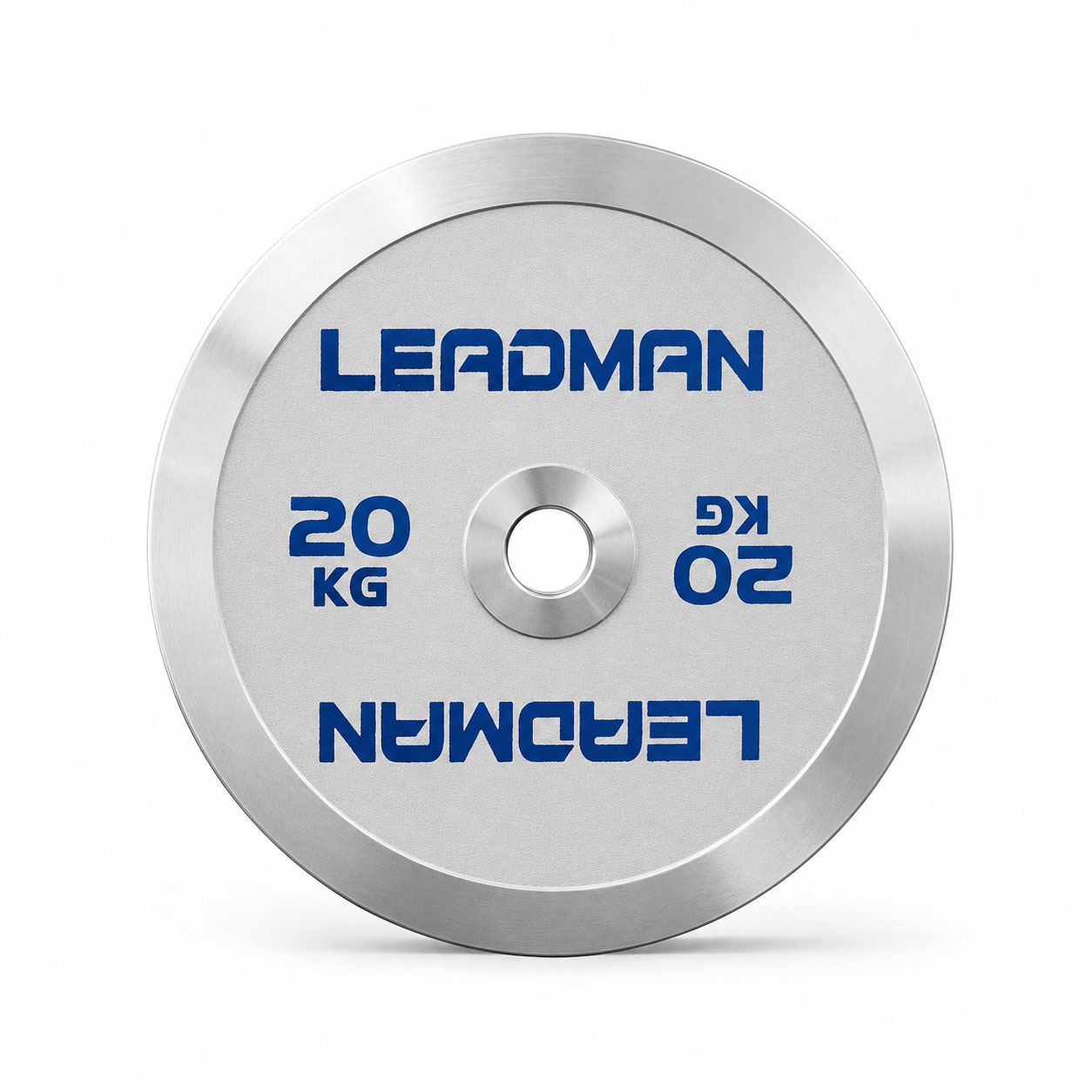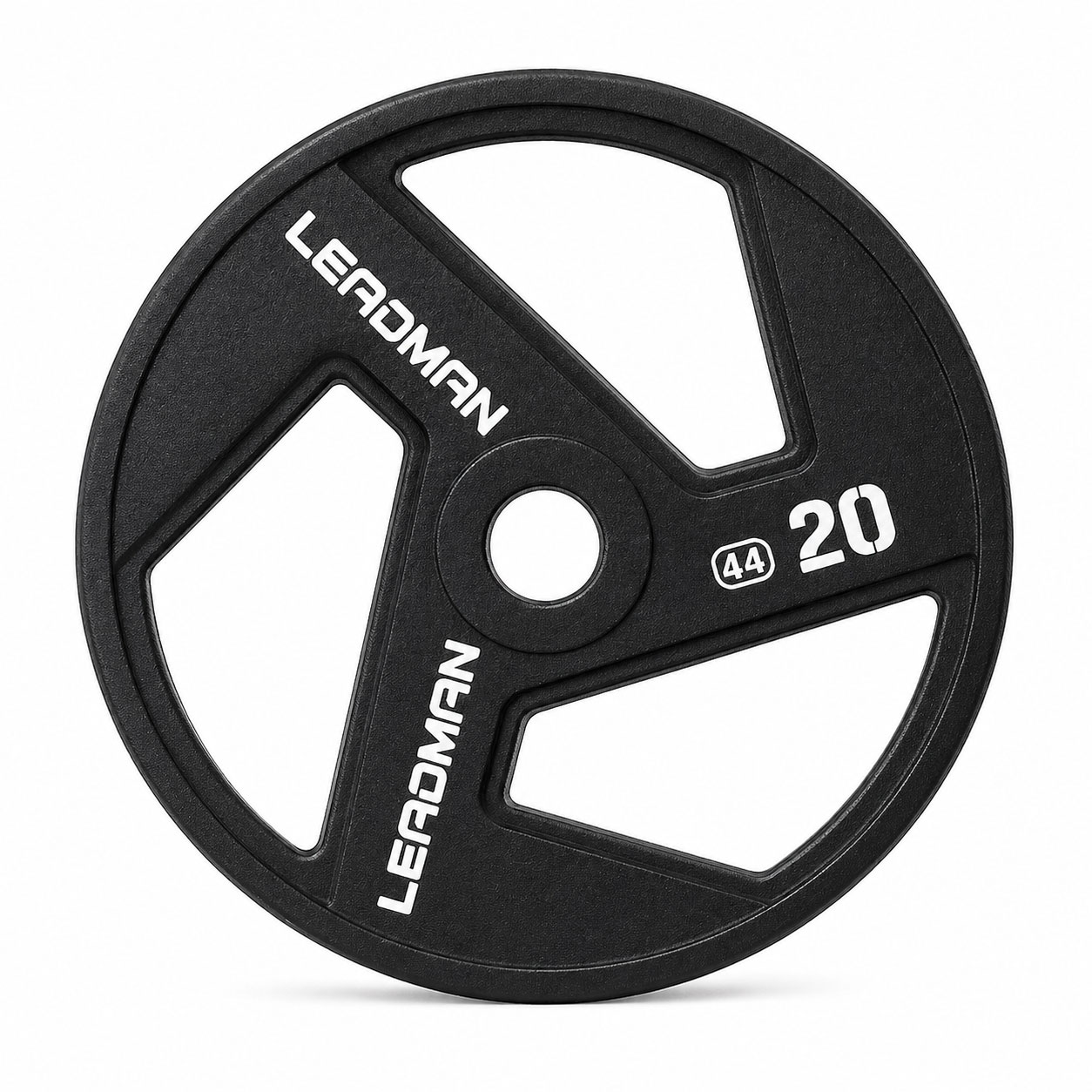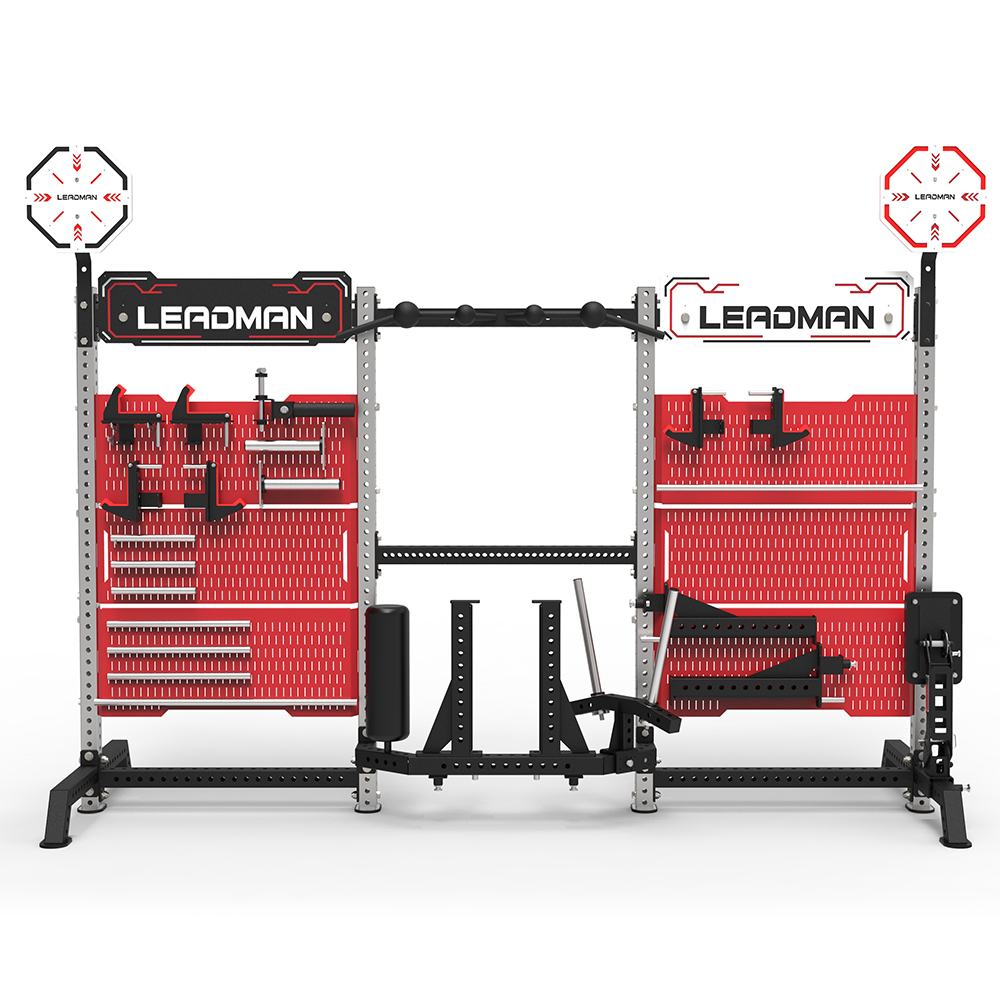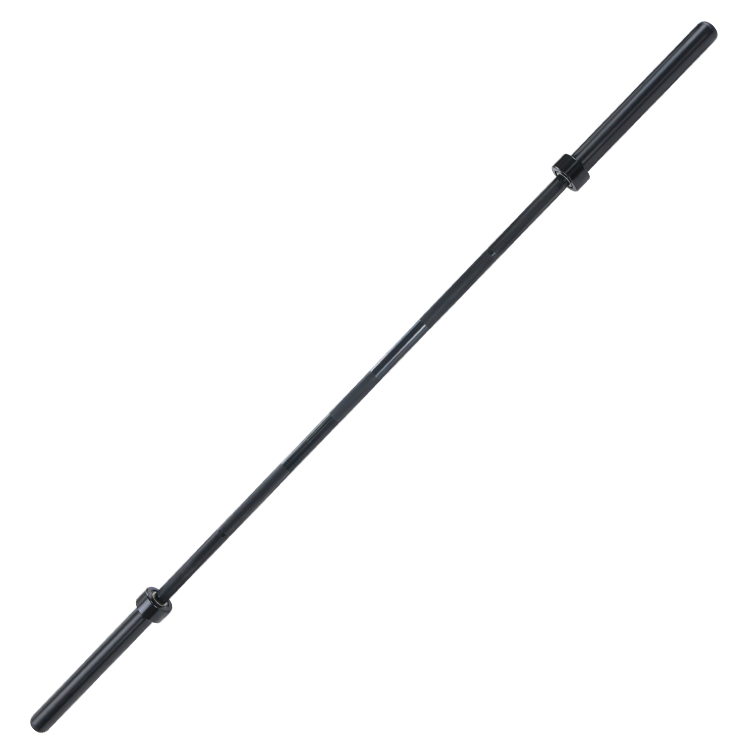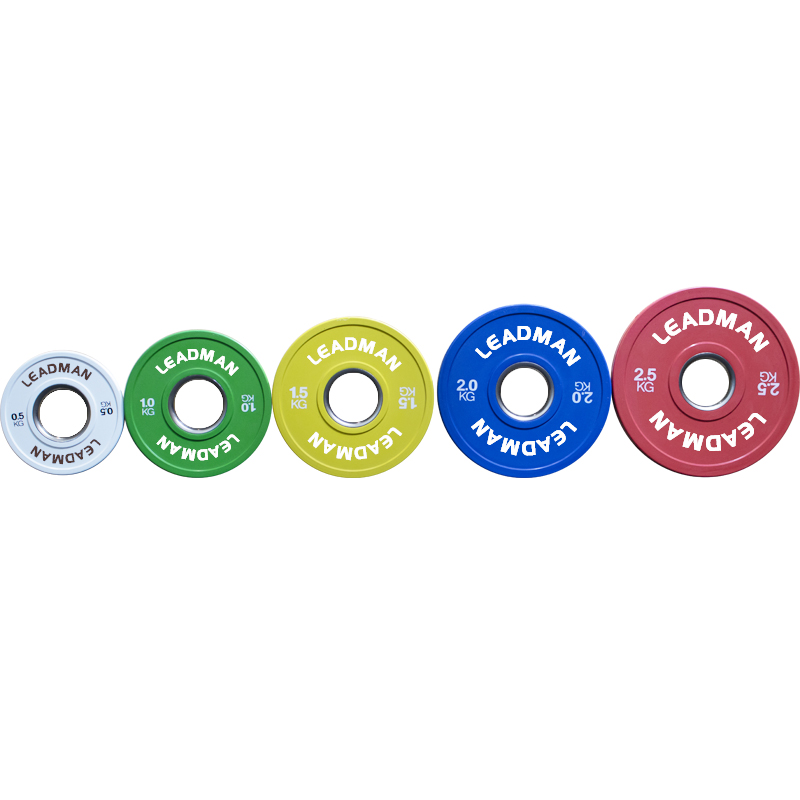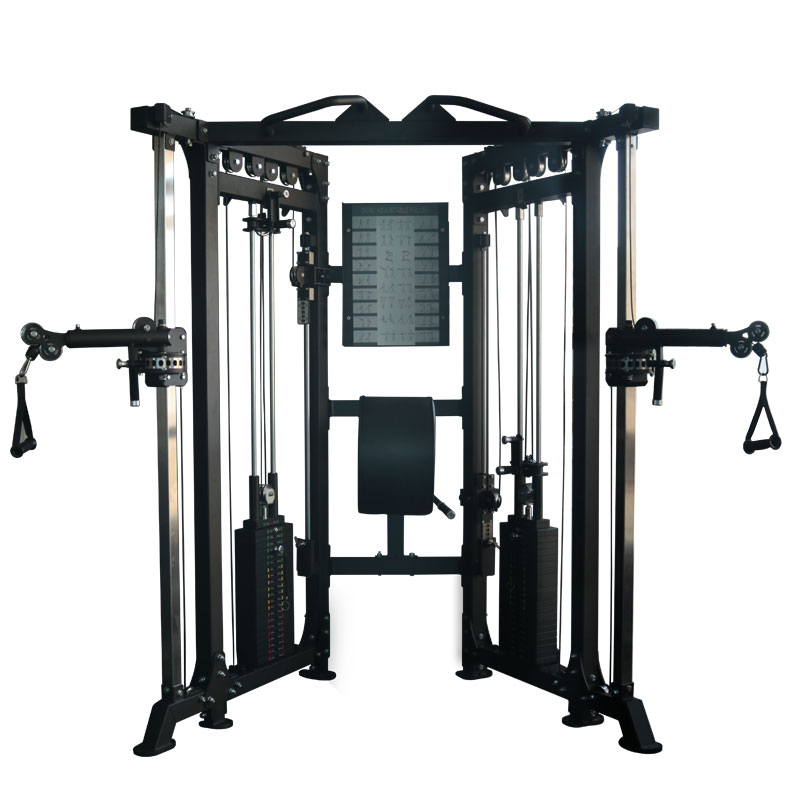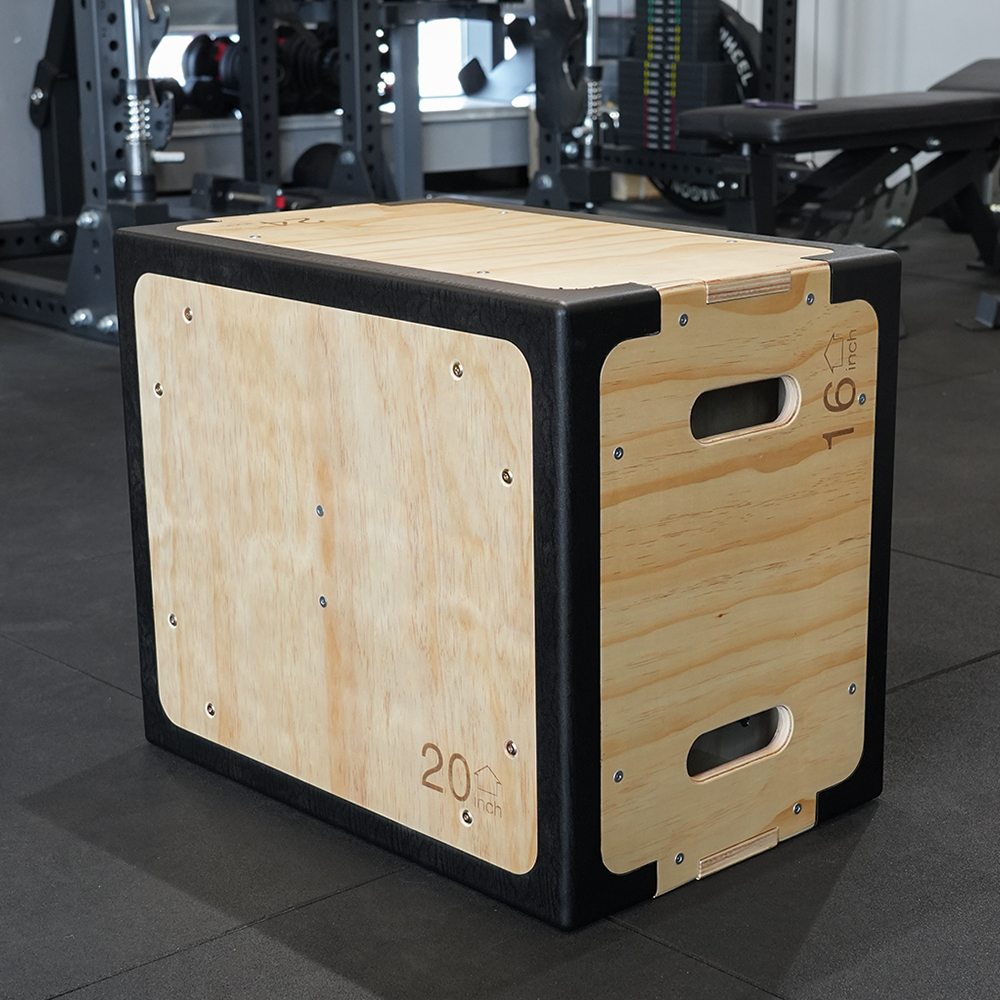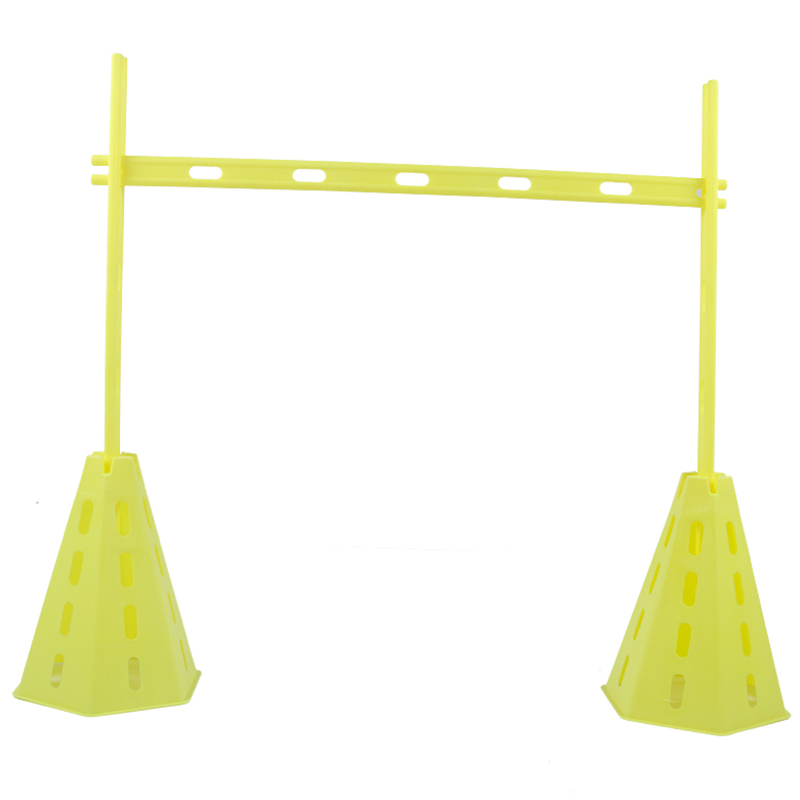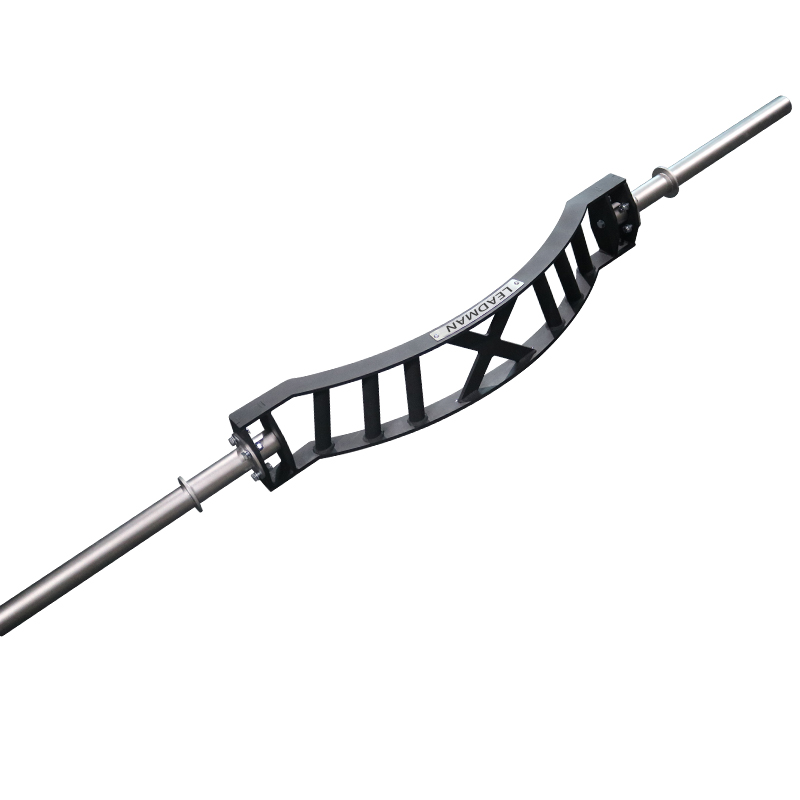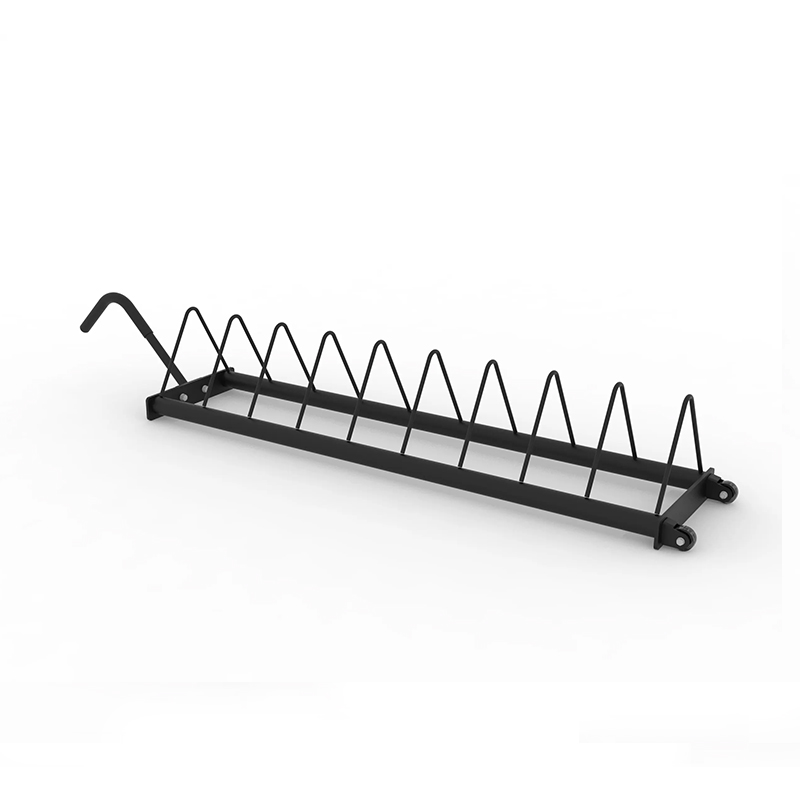
A China gym equipment factory operates as the primary production node for a majority of the world's strength and cardio equipment—from cast iron kettlebells and rubber bumper plates to selectorized machines and commercial treadmills. Concentrated in industrial hubs like Qingdao (Shandong), Nantong (Jiangsu), and Dongguan (Guangdong), these factories supply private-label brands, major retailers, and direct-to-gym programs with equipment that represents 60-80% of global fitness product volume.
The competitive advantage of a China gym equipment factory hinges on vertical integration depth and process automation. Top-tier facilities house iron foundries, robotic welding lines, automated powder coating booths, CNC machining centers, in-house mold-making shops, and finished-goods assembly under one roof. This integration reduces component lead times from 4-6 weeks (outsourced) to 3-5 days (in-house), while cutting per-unit costs by 25-40%. These factories achieve first-pass yield rates of 96-99% and maintain ISO 9001, EN 20957, and ASTM certifications with on-site testing labs. Conversely, lower-tier workshops assemble imported components with manual welding and basic QC, producing 10-20% defect rates.
Industry data from third-party audits (SGS, BV, TÜV) reveals wide capability variation. A 2024 analysis of 200 Chinese fitness factories showed that 22% met "tier-1" standards (automated, certified, integrated), 45% ranked as tier-2 (some automation, basic QC), and 33% tier-3 (manual processes, minimal documentation). Factory size correlates with capability: tier-1 factories typically employ 500-2,000+ workers with 50,000-200,000 square foot facilities; tier-3 workshops operate with 20-100 workers in spaces under 20,000 square feet. Export-oriented factories are concentrated in bonded zones near Qingdao and Ningbo ports, enabling streamlined container loading and customs clearance.
For buyers evaluating a China gym equipment factory, conduct a technical capability audit across five domains. First, materials verification: request steel mill certificates (showing grade, gauge, heat number) and rubber compound data (durometer, tensile strength, abrasion resistance). Second, welding standards: inspect robotic versus manual welding ratio; request dye penetrant or X-ray test reports for critical structural joints. Third, finishing quality: measure powder coating thickness (60-100 microns optimal) and perform crosshatch adhesion tests. Fourth, accuracy control: review CMM (coordinate measuring machine) reports for frame alignment and weight tolerance records (target +/- 2% for plates, +/- 1% for competition grade). Fifth, compliance documentation: verify EN 20957 or ASTM certificates are lot-specific, not factory-wide general declarations. Request a social compliance audit (SMETA, BSCI, or SA8000) if supplying to EU retailers or corporate wellness buyers. Always negotiate payment terms that protect against non-delivery: 30% deposit, 40% against bill of lading, 30% after quality inspection at destination, or use letters of credit for large contracts. Expect 8-16 week lead times from deposit to container loading for tier-1 factories; tier-2 to tier-3 may promise shorter timelines but with higher quality risk.