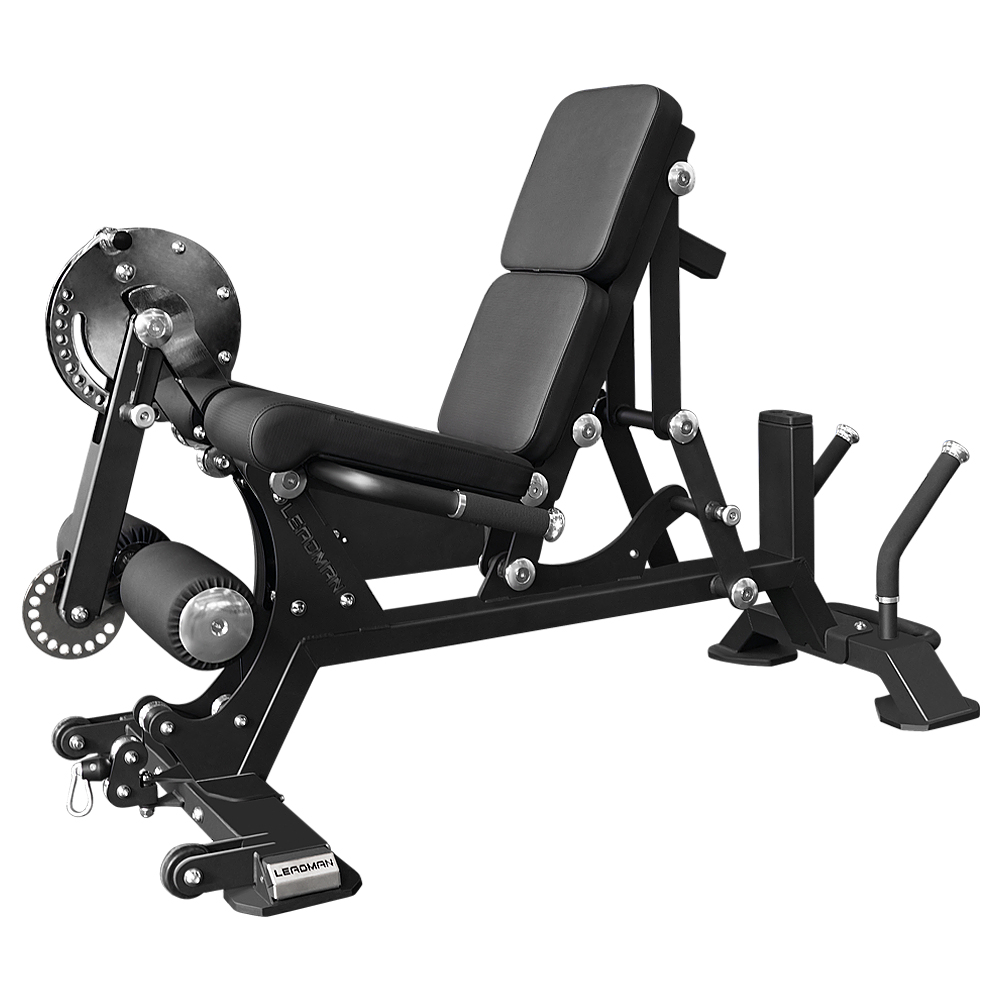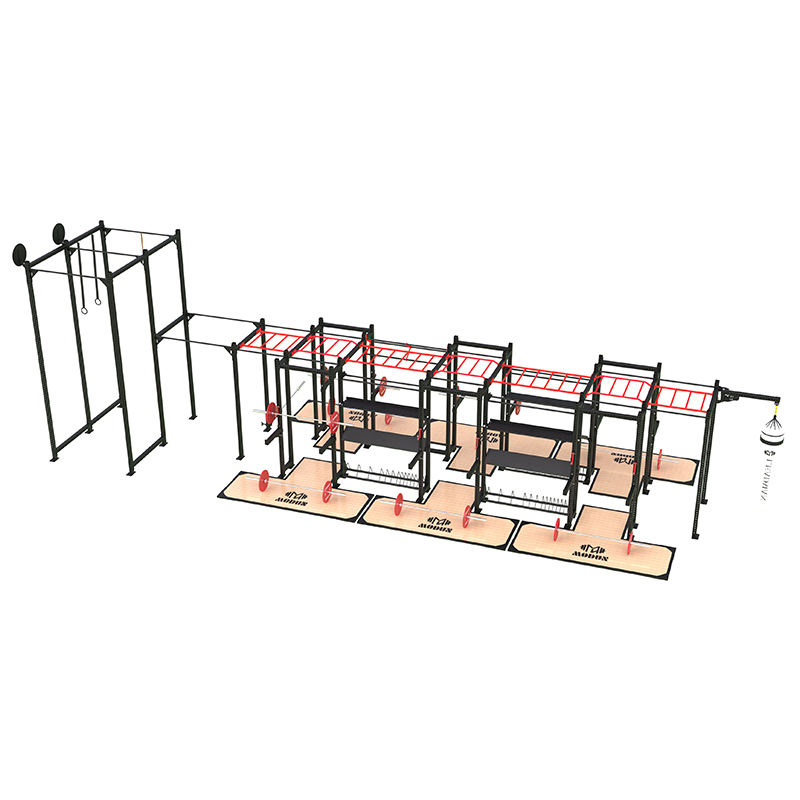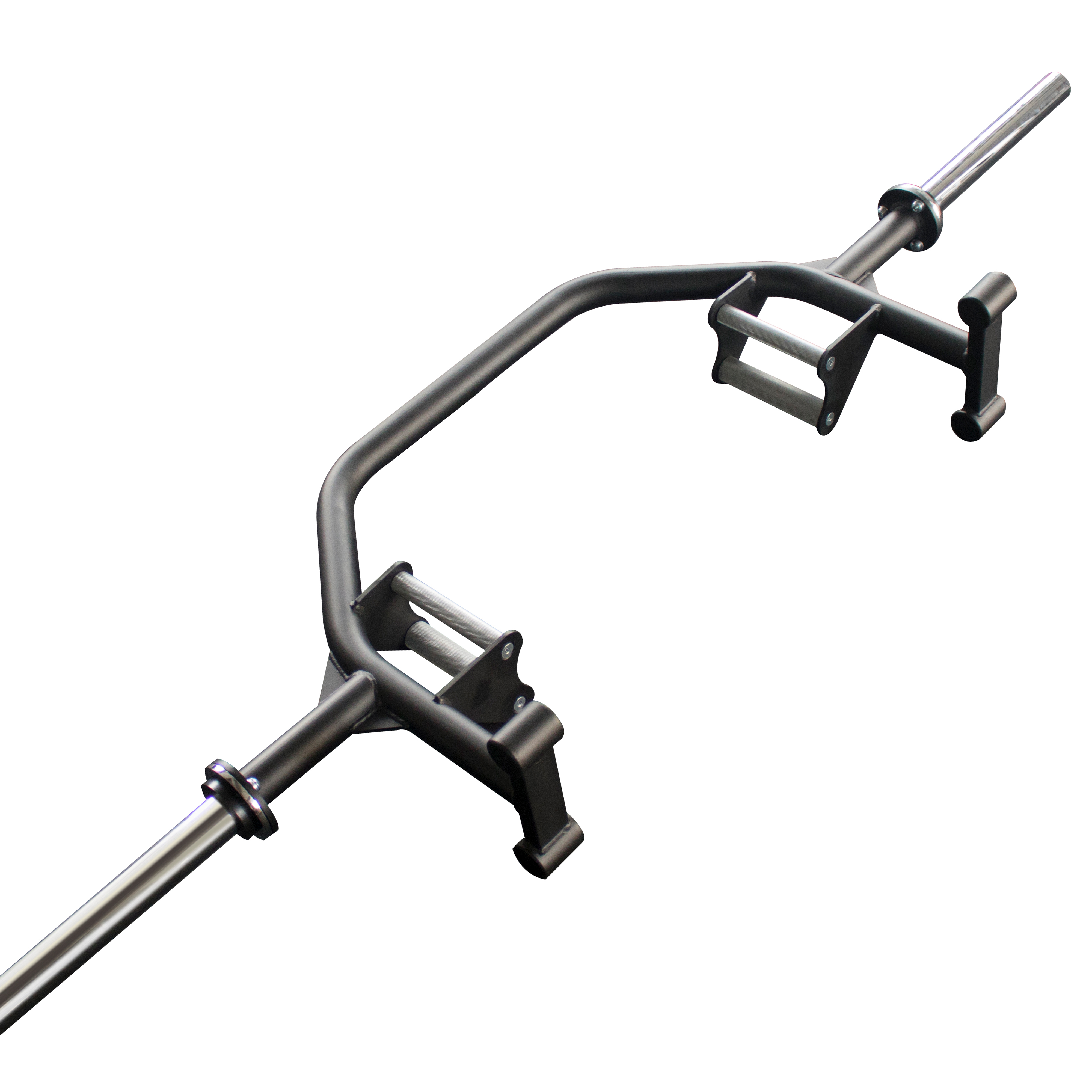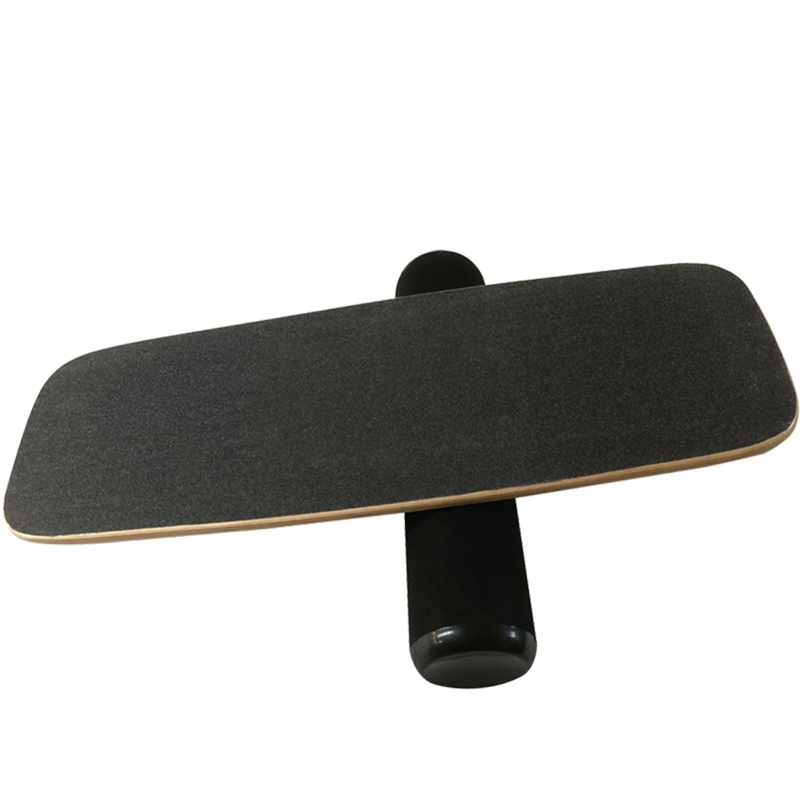
Fitness Equipment Manufacturer: Engineering, Not Assembly

Fitness Equipment Manufacturer - China Factory, Supplier, Manufacturer

The global fitness equipment manufacturing landscape is shifting from low-cost mass production to engineering-driven, high-specification solutions. For a fitness equipment manufacturer today, survival depends on balancing structural integrity, biomechanical precision, and supply chain resilience—not just price per unit.

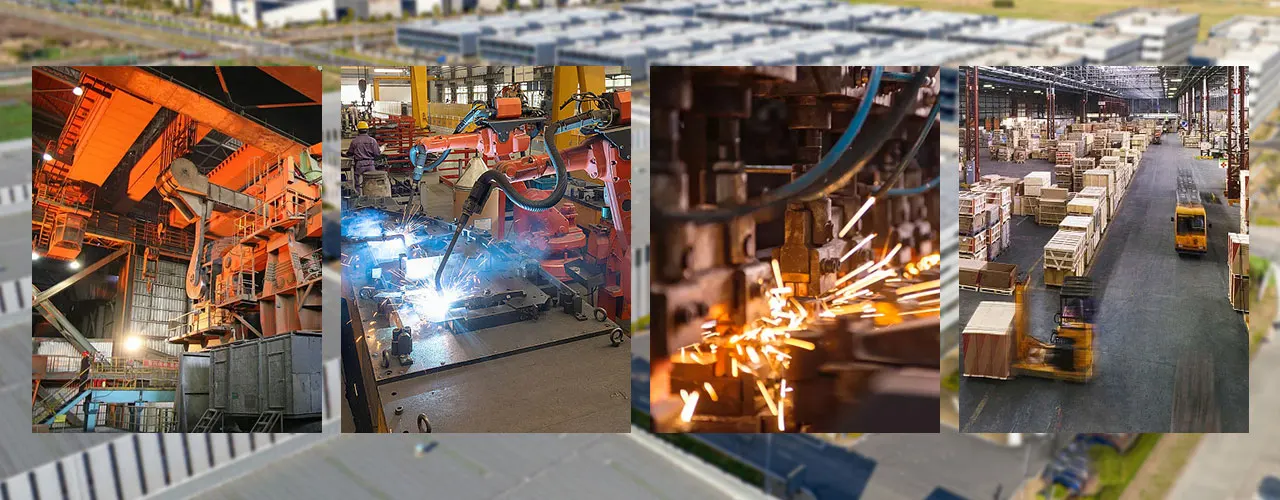
Unlike generic importers, a dedicated commercial fitness equipment manufacturer invests in laser-cut steel tooling, robotic welding consistency, and anti-corrosion powder coating lines. These process controls directly reduce liability from weld fatigue or coating failure, a hidden cost that erodes 12–18% of margin in unbranded gear.

We can break the core advantage into three engineering layers: frame architecture (cross-bracing and gusset placement), load path design (how force travels from bar to floor), and touchpoint biomechanics (grip angle, pad density, camber). A serious fitness equipment manufacturer documents all three, not just final weight capacity.

For procurement managers, the real due diligence is asking for weld procedure specifications and third-party cycle test reports. If a fitness equipment manufacturer cannot provide those, you are essentially buying steel with unknown fatigue limits. Conversely, transparent data on pull-up bar knurling depth or pulley friction coefficients signals genuine engineering culture.

The outcome is not just safer equipment; it is lower facility downtime and higher member retention. A single failed cable or cracked frame weld can sideline a rack for weeks. In contrast, equipment from a systematic strength equipment manufacturer yields predictable life cycles, enabling better ROI amortization over 5–7 years.
Frequently Asked Questions

A manufacturer controls production, material sourcing, and quality systems; an importer buys finished goods. For critical strength equipment, manufacturer-direct ensures traceability of steel grade, weld consistency, and coating thickness.
Request weld procedure specifications (WPS), third-party cycle test reports (e.g., 50,000-load tests), and tolerance check sheets for key interfaces like guide rod alignment or hole spacing.
Not automatically. Price differences often reflect coating systems (epoxy vs. powder), bearing types (bushings vs. linear bearings), and quality control frequency. Ask what drives the premium.
Incomplete weld penetration, inconsistent hole alignment (causing binding), thin electroplating that rusts in six months, and undersized pulleys that increase cable wear.
Those numbers directly correlate to fatigue life and safety margin. Without them, you cannot compare lateral stability or resistance to bending under dynamic loads.
Competent manufacturers stock wear items (cables, pulleys, pads, bolts) for 5–7 years post-production. Always confirm this in writing before placing a purchase order.
Yes, but the engineering skills differ: selectorized requires cam design and stack alignment; plate-loaded needs stress analysis on pivot points. Check their case studies for both categories.
Minimum 120–150 microns of hybrid polyester powder coat with a pre-treatment phosphate wash. Salt spray test results beyond 500 hours indicate serious corrosion protection.

Related Products

Fitness Equipment Manufacturer

Top Selling Products

Contact Form Modal

Ready to Transform Your Fitness Space?

Let our experts design the perfect gym solution for your business. Get a free consultation and quote today.
Free Consultation
Custom Design
Global Delivery
Professional Installation
WhatsApp