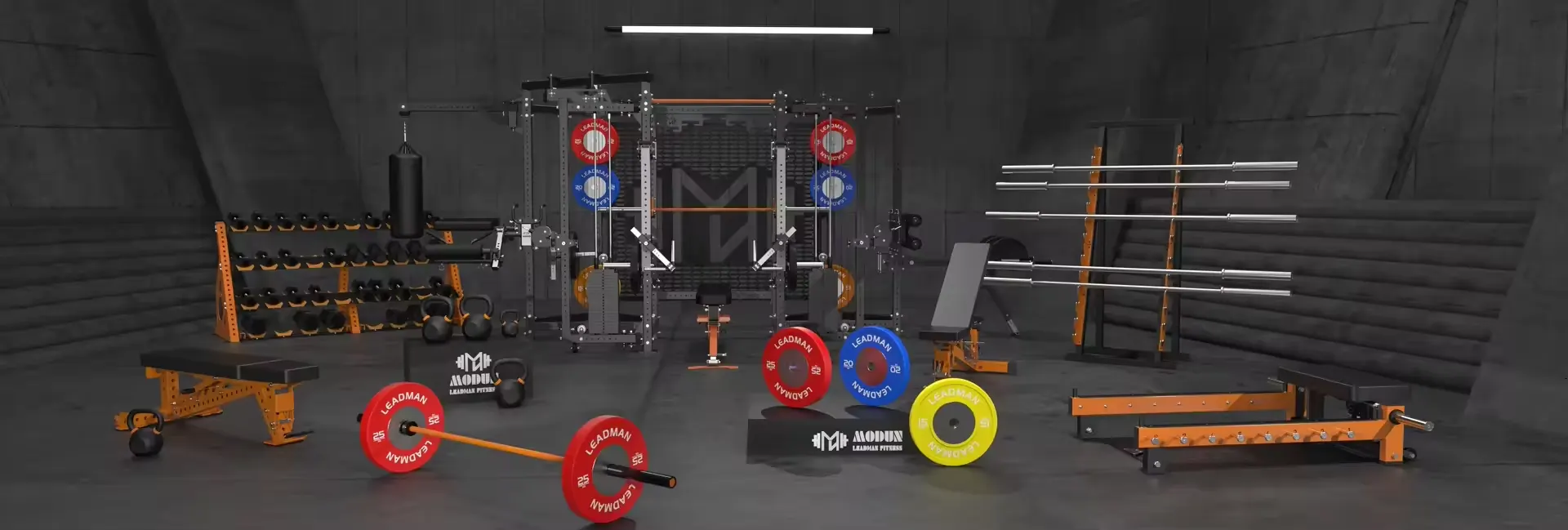
When discussing elite-level training infrastructure, Olympic fitness equipment represents the gold standard of engineering precision, durability, and performance consistency. This category extends beyond competition-grade barbells and plates to encompass the entire ecosystem of equipment required for weightlifting and powerlifting, including competition-spec racks, benches, platforms, and accessories. Unlike commercial fitness equipment designed for general use, Olympic fitness equipment adheres to exacting International Weightlifting Federation (IWF) and International Powerlifting Federation (IPF) specifications, ensuring that every component—from barbell knurling to plate calibration—supports optimal athletic performance and competition compliance.
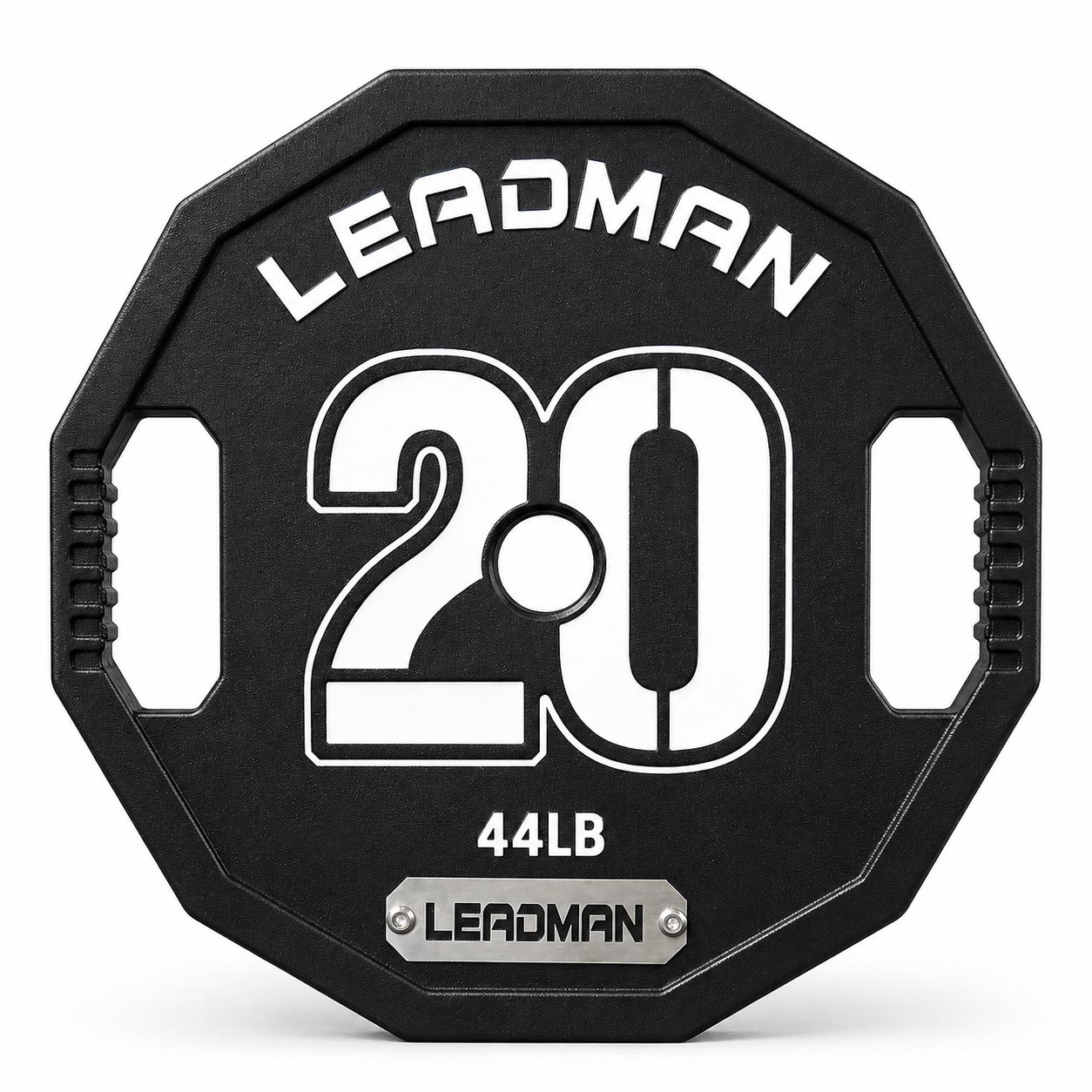
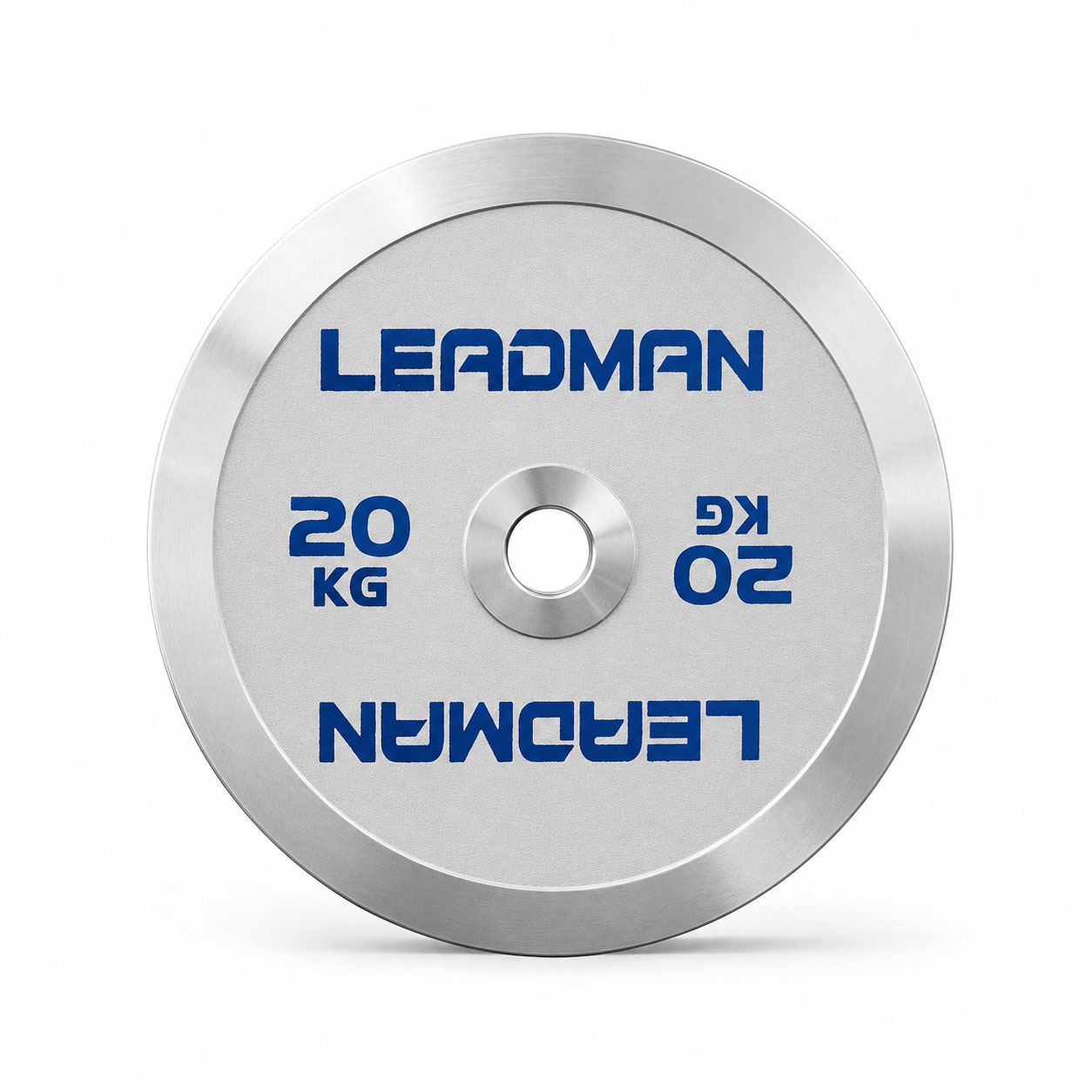
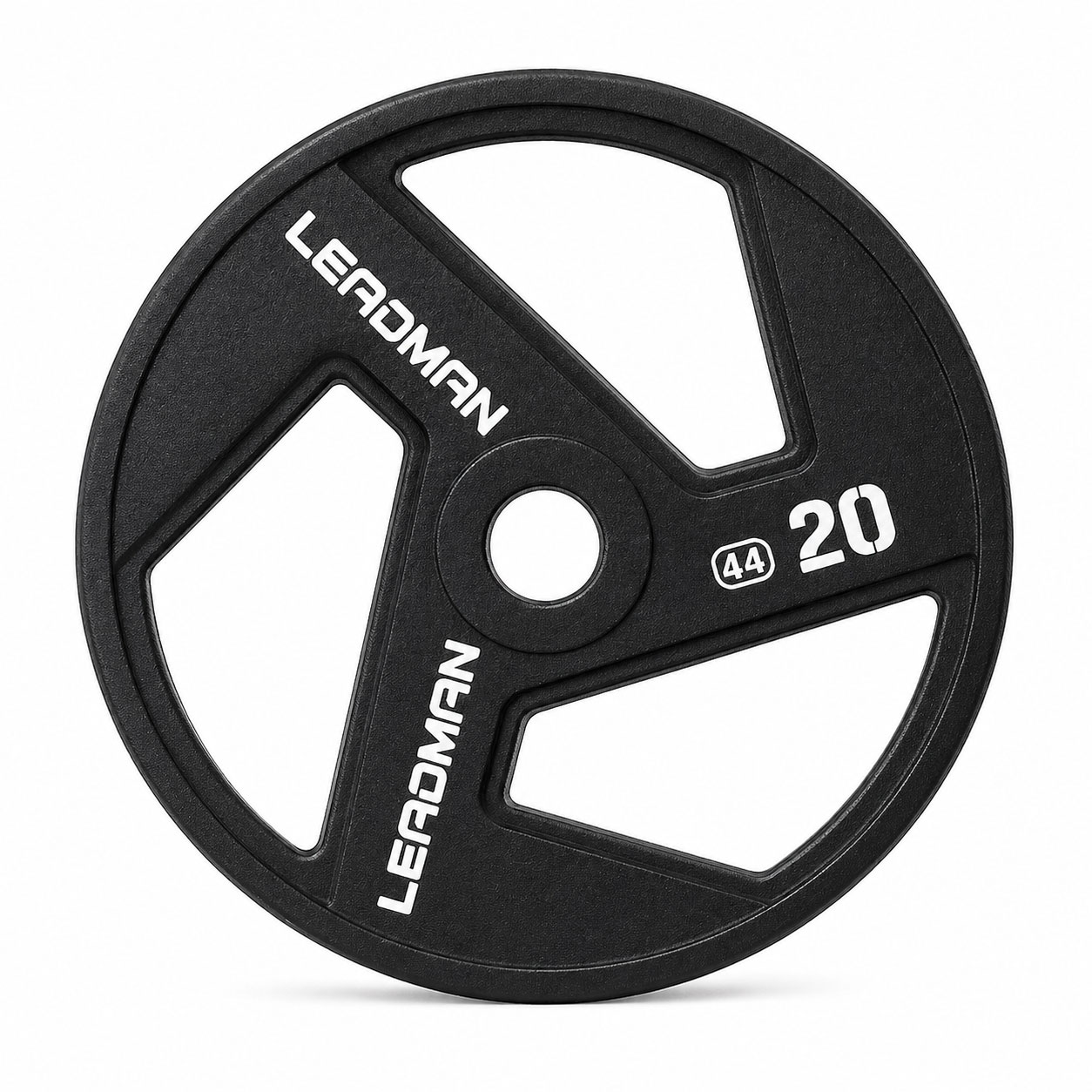
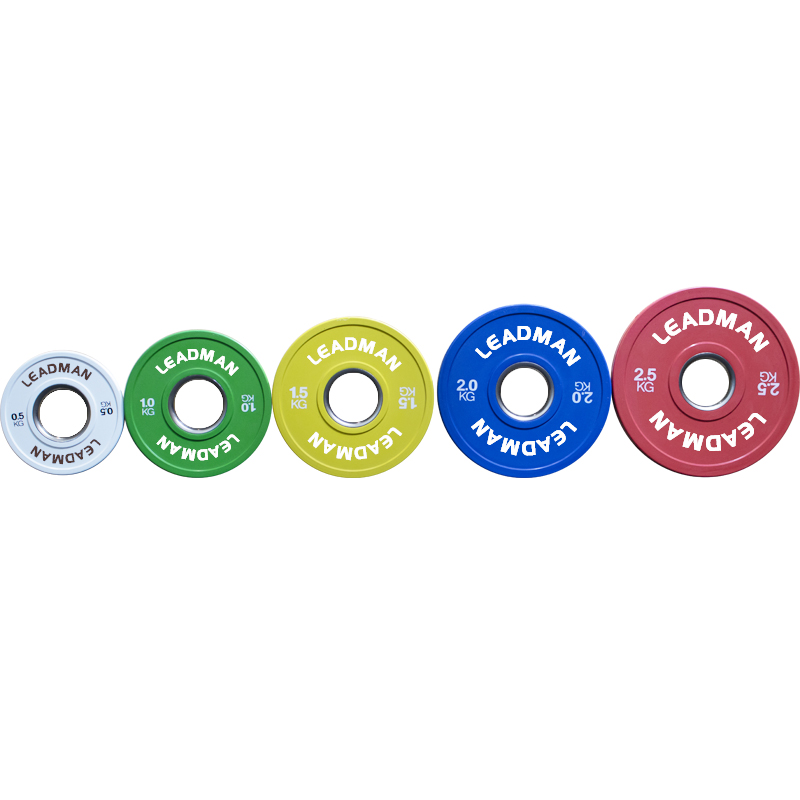
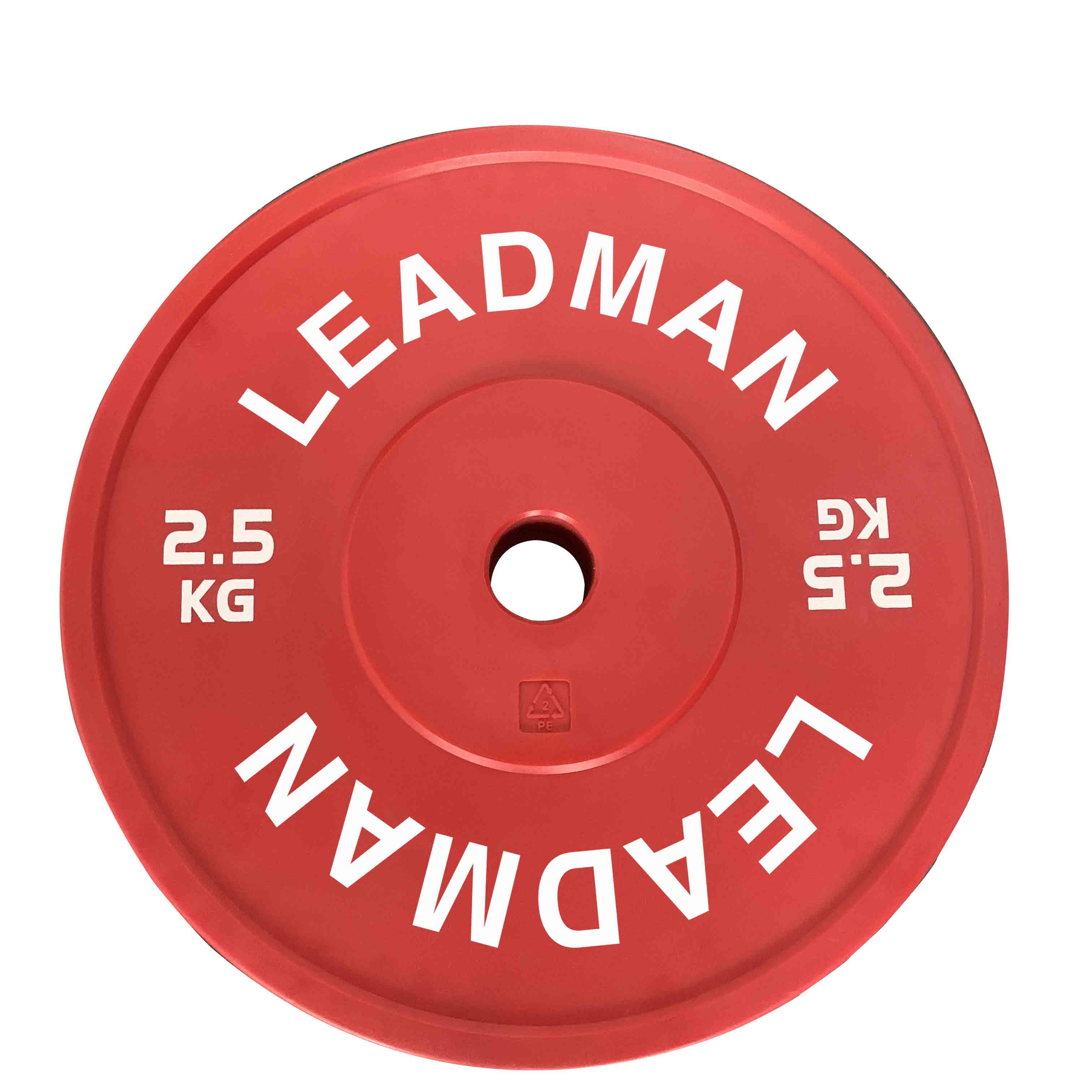
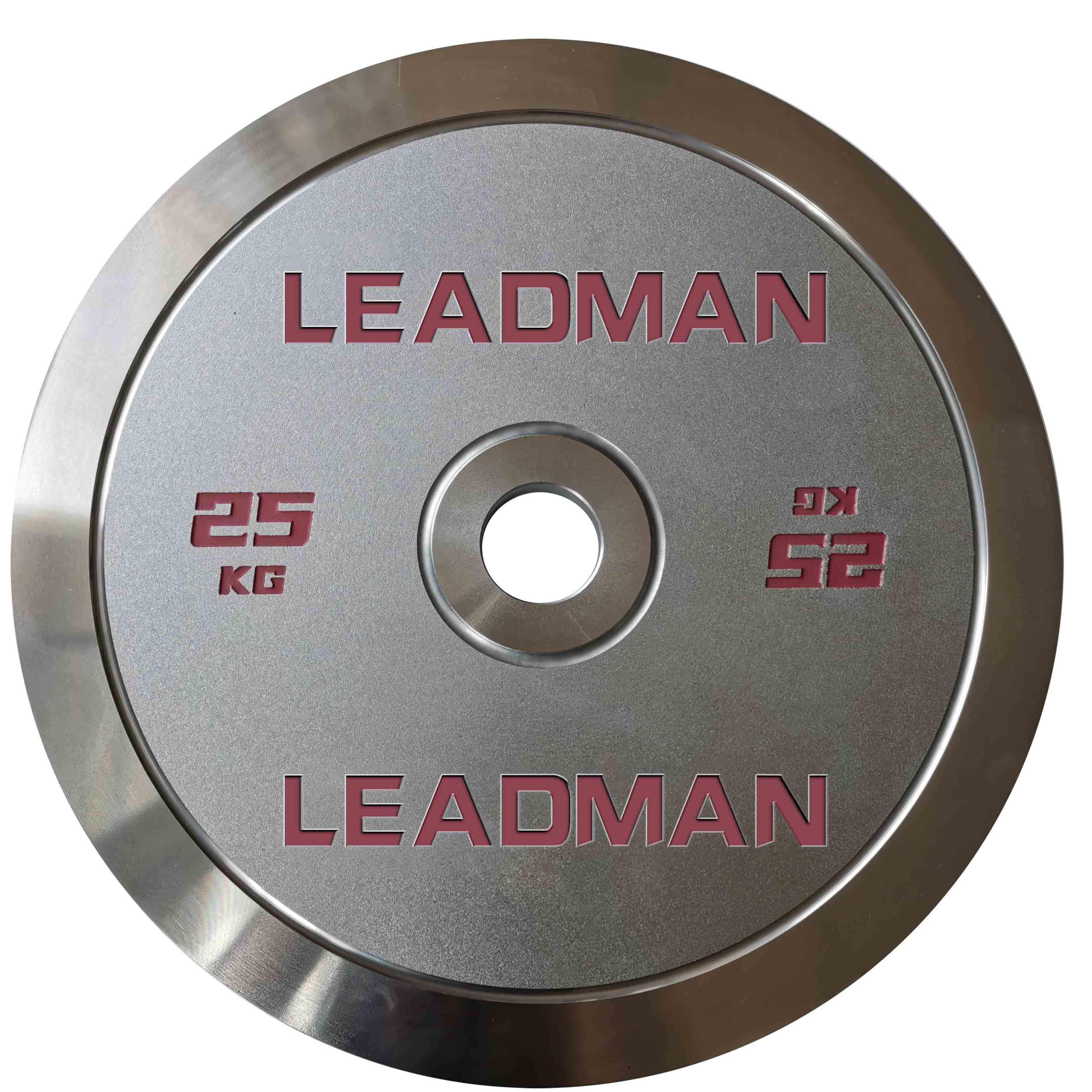
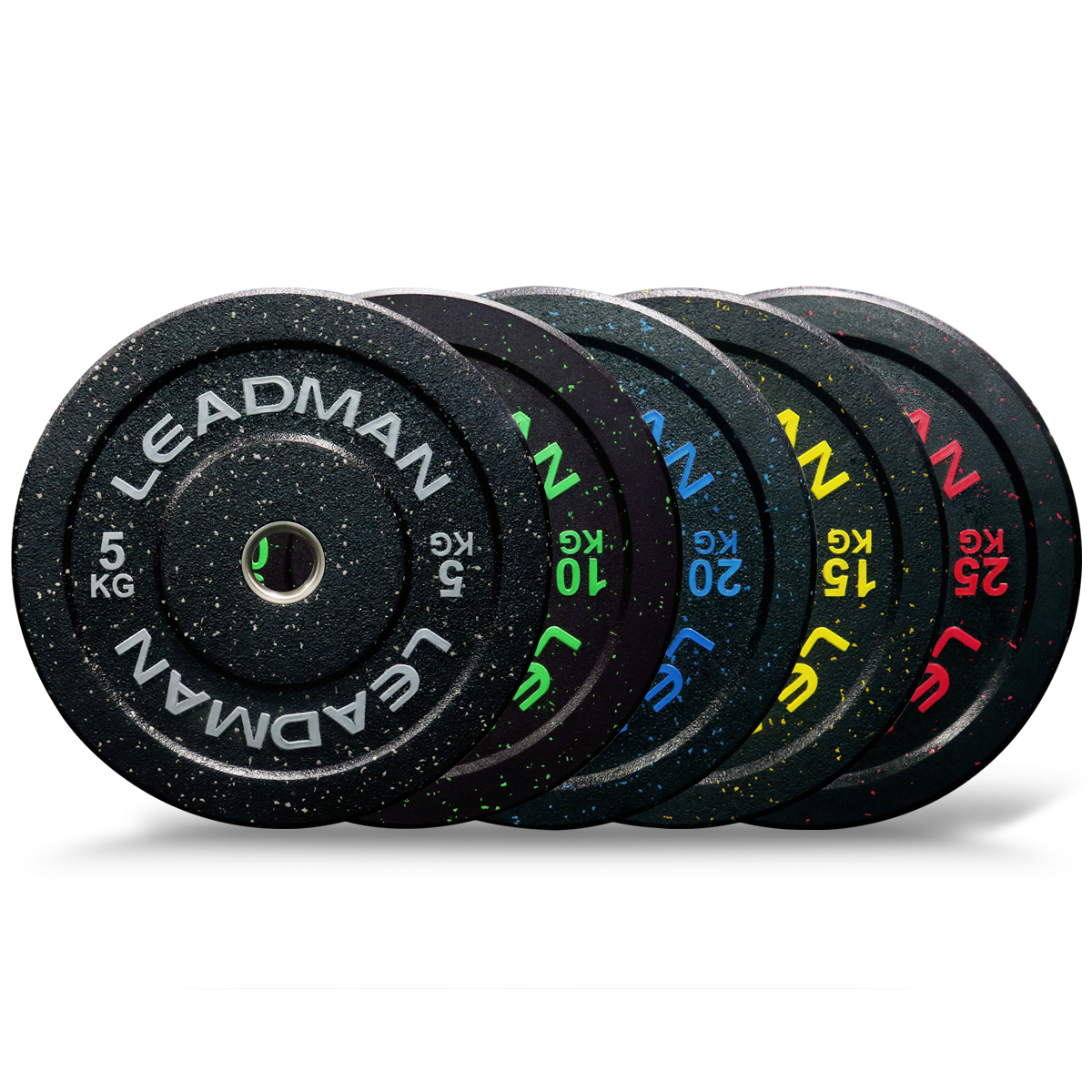
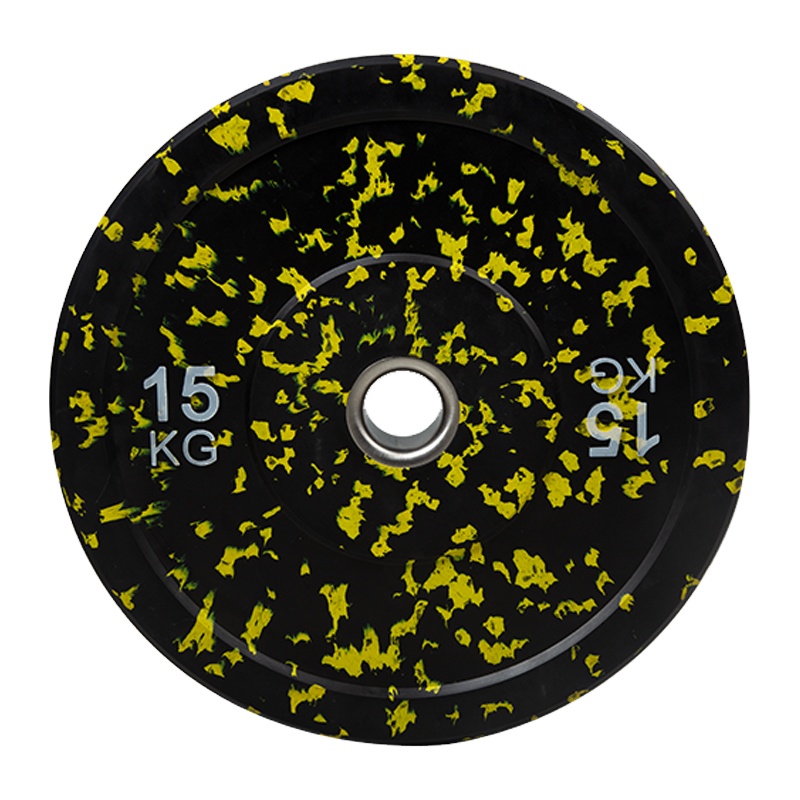
Barbell and plate specifications define the foundation of Olympic fitness equipment, with the Olympic barbell at its core. Men's competition bars weigh exactly 20kg (44.1lbs) with a 28mm diameter, while women's bars weigh 15kg (33.1lbs) with a 25mm diameter. These bars feature precision knurling with specific depths (1.0–1.5mm) and exact knurl marks indicating the legal hand placement zones. Competition plates must maintain weight tolerance of ±0.25% for calibrated plates and ±0.5% for coloured training plates, with colour-coding following strict IWF conventions (green: 10kg, yellow: 15kg, blue: 20kg, red: 25kg). All plates require 50.4mm (+0.1/-0.0mm) hub bores for secure fit, and certified plates come with individual weighing documentation.
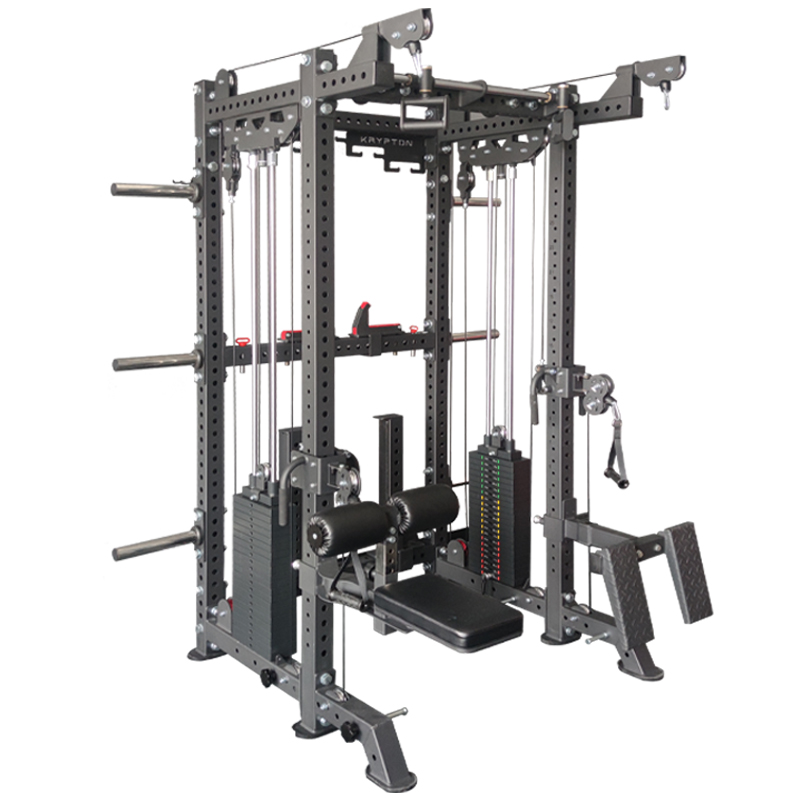
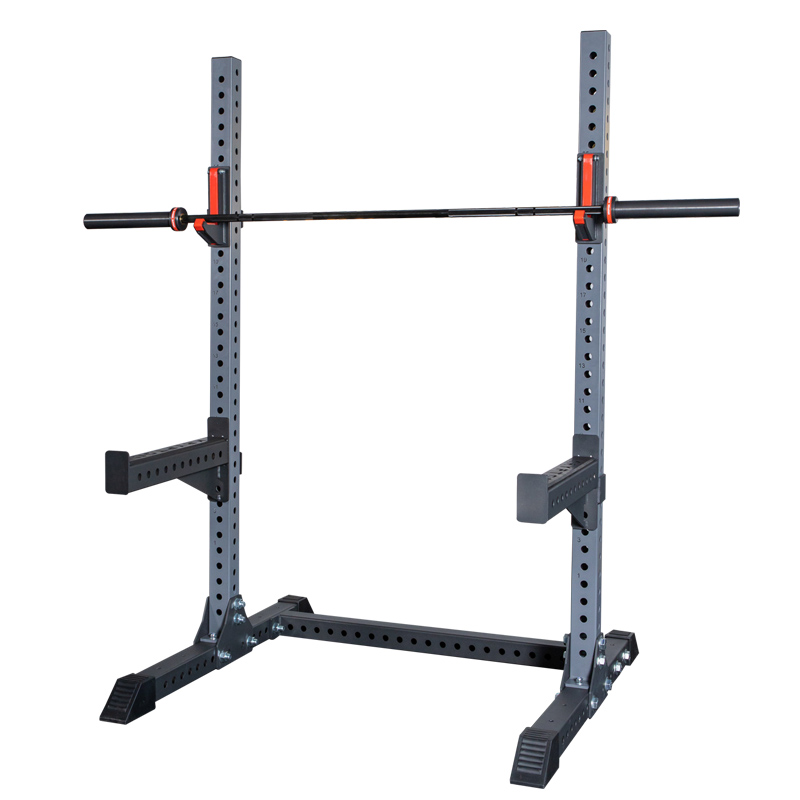
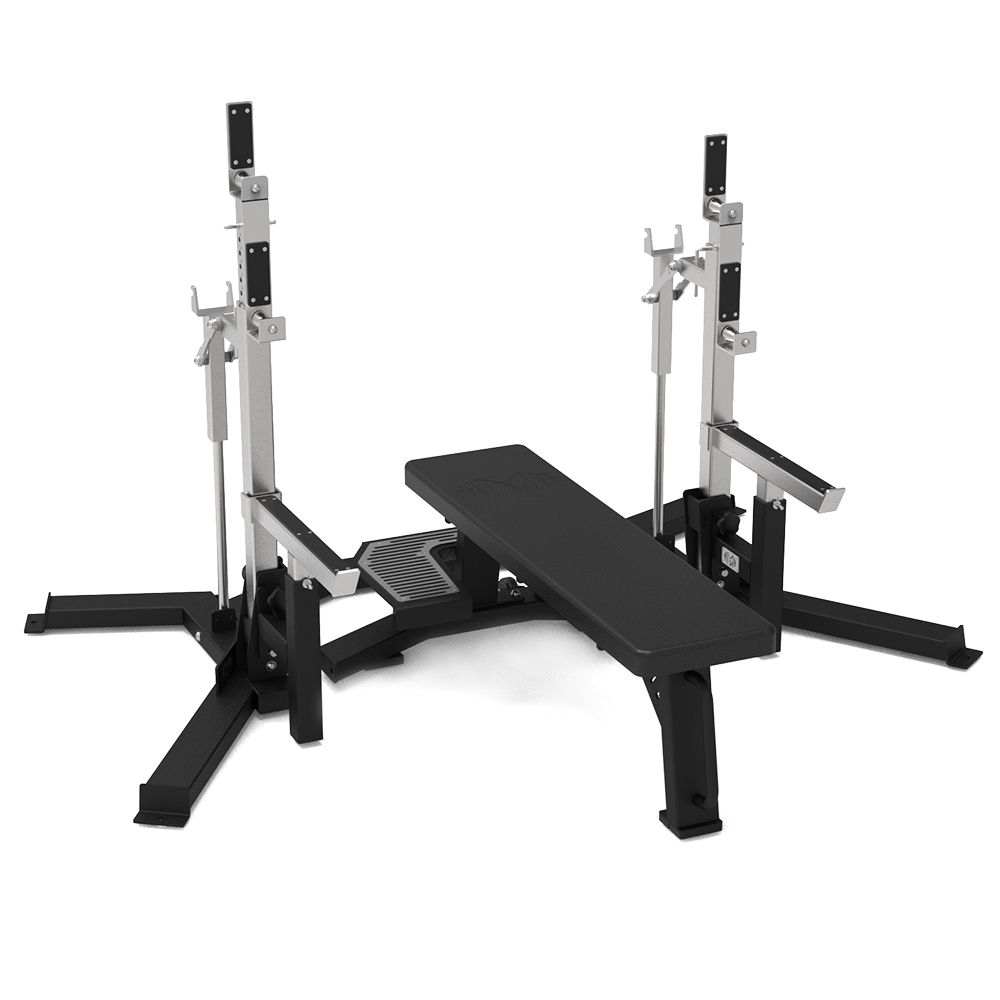
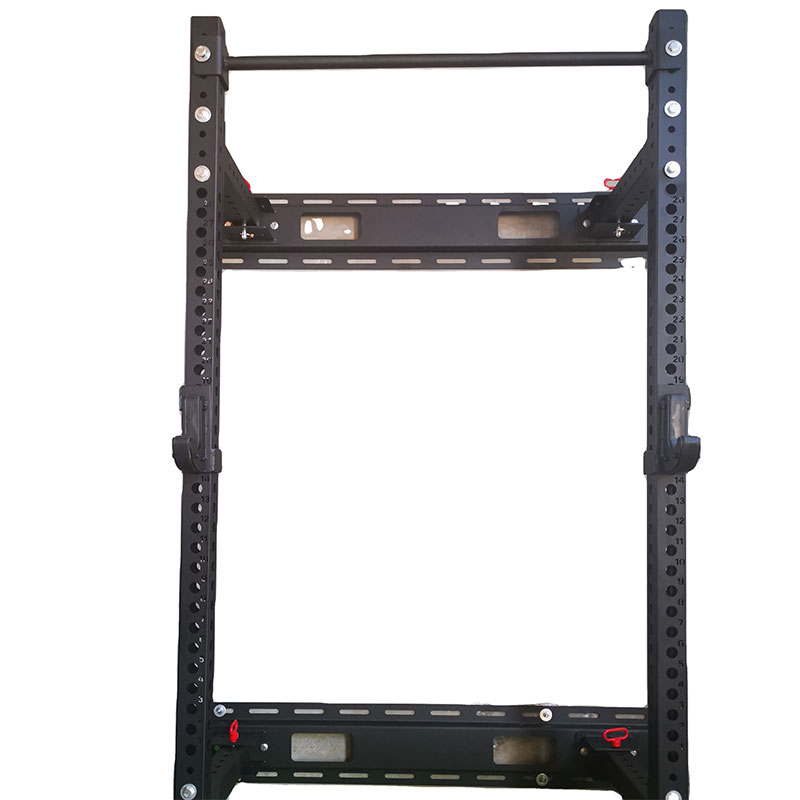
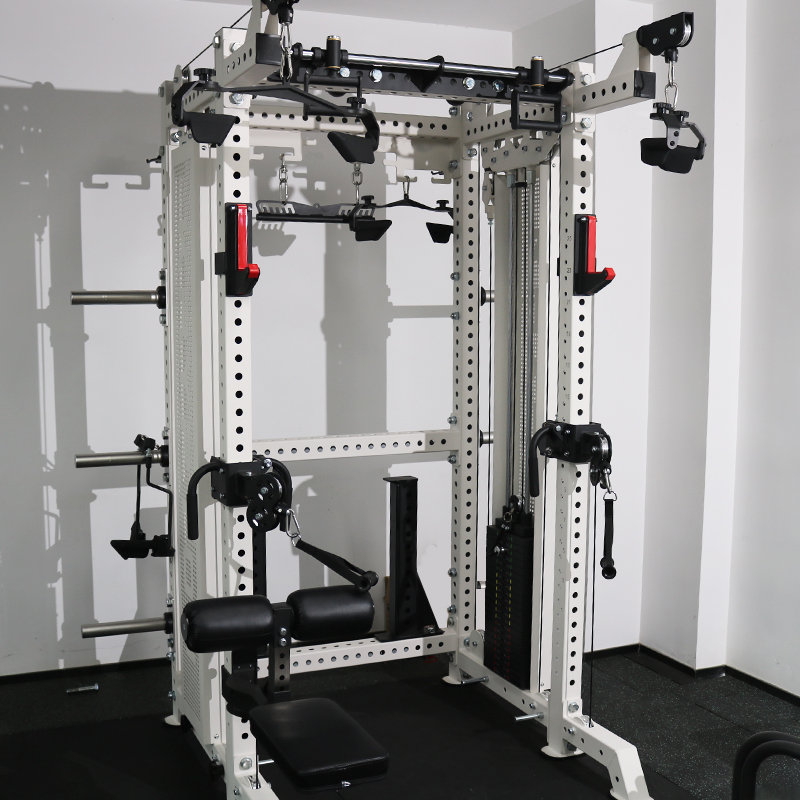
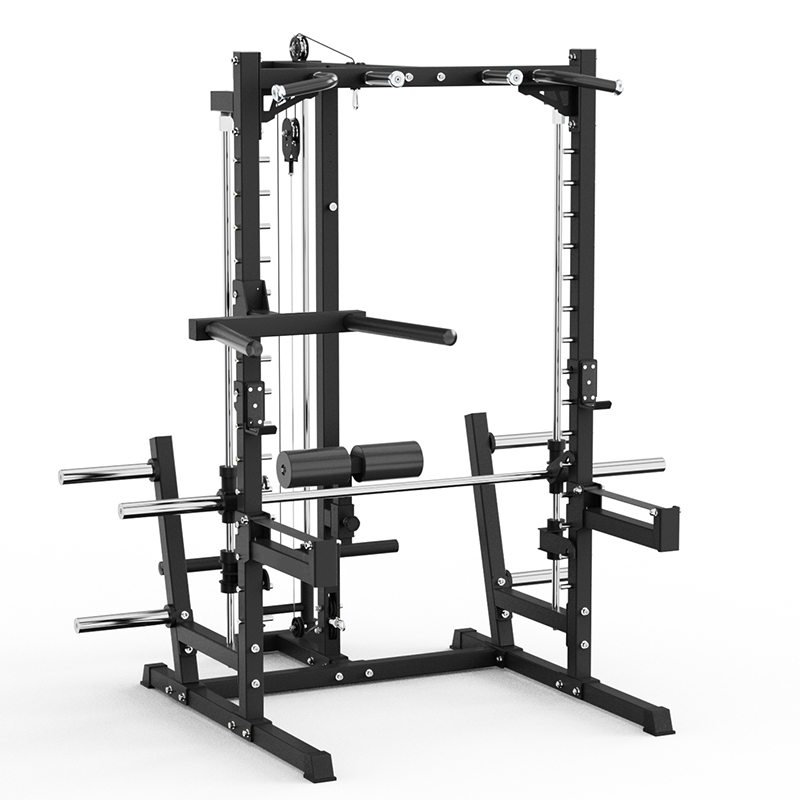
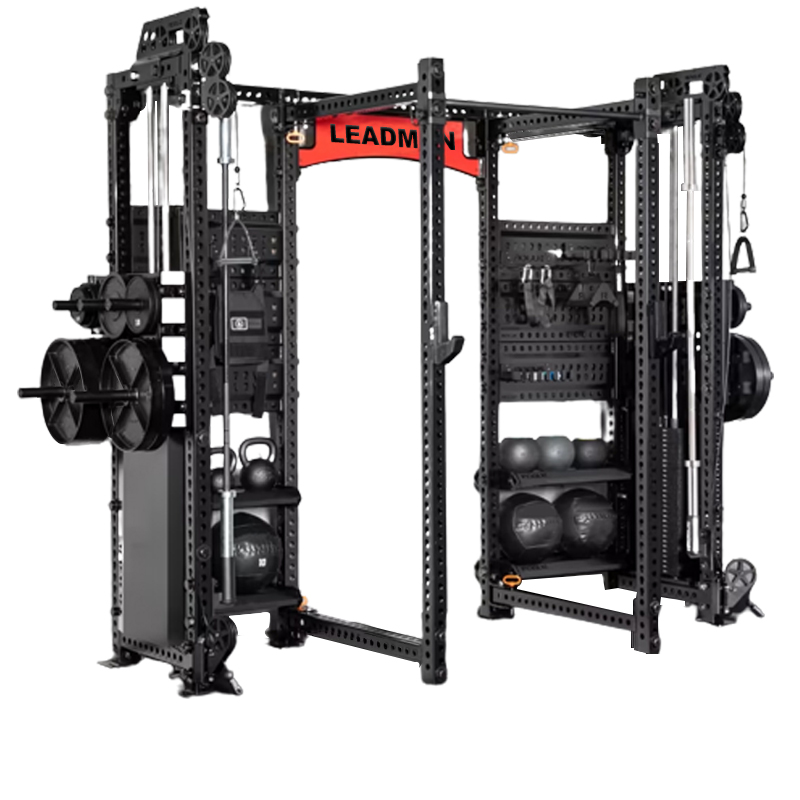
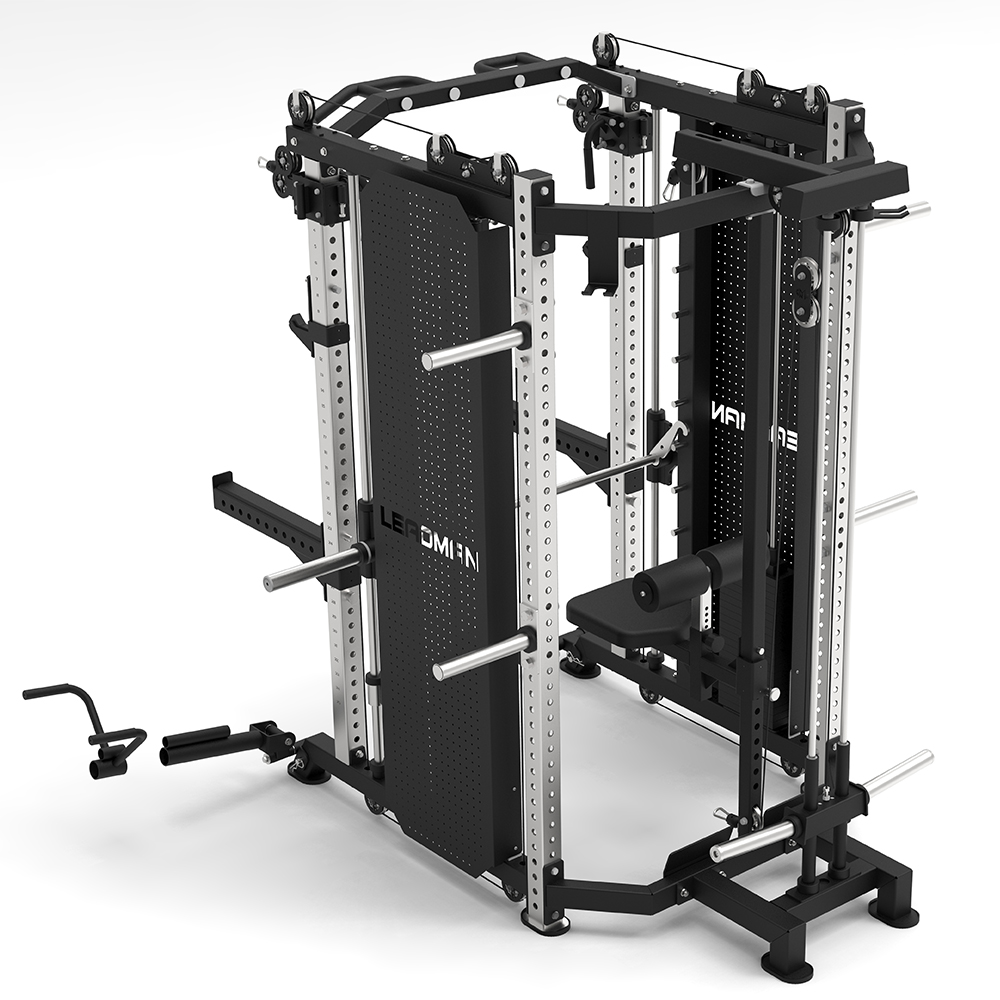
Platform and rack requirements for Olympic fitness equipment include the use of competition lifting platforms measuring 4m x 4m with specific construction tolerances. These platforms require impact-absorbing surfaces for dropped lifts, typically a 3-5 layer wood and rubber construction to meet IWF specifications. Competition racks and benches must comply with IWF/IPF structural specifications with precise adjustment increments to accommodate diverse athlete heights. Racks must have pull-out safety arms with a load capacity of 300kg+ for heavy squats. Benches must be height-adjustable within specific ranges. Collars for competition use require 2.5kg and 2.5kg with locking mechanisms to prevent plate loosening during lifts.
Facility considerations for Olympic fitness equipment include dedicated training zones with appropriate flooring, safety zones (minimum 1.5m clearance), appropriate lighting, and potential video review for technique analysis. Equipment maintenance—including barbell cleaning and bearing lubrication, plate inspection for cracking, and rack bolt-torque verification—is especially critical for competition-grade equipment. Facilities supporting competitive lifters benefit from working with specialised Olympic equipment suppliers who understand competition requirements, can supply certified competition plates and bars, and provide the infrastructure necessary for hosting sanctioned events. For serious gyms, investment in Olympic fitness equipment signals a commitment to performance excellence that differentiates their offering and attracts dedicated athletes.

Let our experts design the perfect gym solution for your business. Get a free consultation and quote today.