

Precision Engineering in Design Kettlebells: A Technical Guide
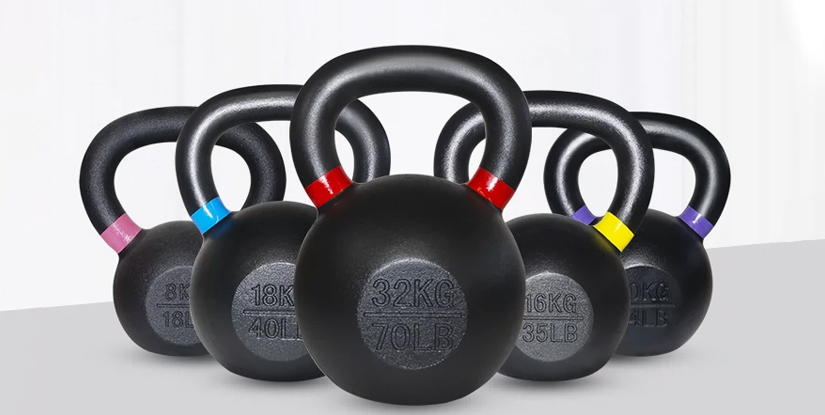
Material Selection and Casting Fundamentals
The foundational integrity of high-quality training implements begins with the selection of raw materials and the precision of the casting process. When considering the design kettlebells architecture, the primary technical challenge involves ensuring a uniform density that prevents off-center weight distribution. A common failure mode in lower-tier manufacturing is the presence of air pockets or 'voids' within the cast iron, which can lead to unexpected shifts in the center of mass during high-velocity swings.
Iron Alloys and Casting Methods
Most professional-grade implements utilize gray iron or ductile iron. Gray iron provides excellent vibration damping, which is critical for heavy ballistic movements, whereas ductile iron offers superior impact resistance for high-impact environments. Operators must verify the consistency of the pour to ensure that the internal structure is homogenous. A lack of uniformity in the cooling process can lead to structural stress points, eventually causing cracks under repeated mechanical stress.
| Material Type | Primary Benefit | Common Failure Mode | Best Use Case |
|---|---|---|---|
| Gray Cast Iron | High vibration damping | Brittle under extreme impact | Standard strength training |
| Ductile Iron | High impact resistance | Higher production cost | High-intensity/Cross-training |
| Steel Shell/Sand-Filled | Consistent diameter | Internal shifting of media | Adjustable/Variable weight sets |
Understanding the inherent properties of these materials allows for a more informed procurement strategy based on the intended intensity of the training environment. This material stability provides the necessary groundwork for the physical geometry that follows.
Geometric Proportions and Center of Mass Verification
Building upon stable material selection, the physical geometry of a kettlebell must strictly adhere to specific ergonomic and ballistic standards. The relationship between the diameter of the sphere and the placement of the handle determines the ease of movement and the safety of the user. A poorly designed center of mass can cause the implement to 'yank' the wrist or disrupt the natural arc of a swing, leading to repetitive strain injuries or sudden loss of control.
Handle Diameter and Grip Ergonomics
A critical decision parameter for any design involves the handle-to-body ratio. The handle must be wide enough to accommodate various grip styles—from the fingertip grip to the full-palm grip—without causing excessive friction or restricting movement. A common mistake in design is creating a handle that is too narrow, which can lead to 'hot spots' or skin abrasions during high-repetition training. Conversely, an overly wide handle may limit the ability to perform technical movements like the snatch or clean.
- Standard Grip Range: Professional implements generally maintain a handle diameter between 35mm and 38mm.
- Handle Clearance: There must be sufficient internal clearance to prevent the knob from striking the hand during rapid transitions.
- Surface Texture: The inner diameter of the handle should be smooth to prevent abrasive friction.
Once the geometric proportions are verified, the focus must shift to the external surface finish, as this dictates the long-term durability and ease of maintenance for the operator.
Surface Finish and Coating Specifications
The external texture of a kettlebell is more than an aesthetic choice; it is a functional requirement for grip security and longevity. A surface that is too smooth can become dangerously slick when moisture is introduced, while an excessively rough surface can degrade grip technique and damage the user's hands. Achieving the correct balance requires precise control over the finishing process.
Powder Coating vs. Cast Iron Finishes
Operators often face a decision between raw cast iron, painted surfaces, and powder coatings. Each has a specific performance profile that affects both the coefficient of friction and the maintenance interval. For example, a high-quality powder coating provides a durable, non-slip texture that resists chipping, but if applied too thickly, it can alter the intended dimensions of the handle and the bell itself.
| Finish Type | Grip Characteristics | Durability Profile | Maintenance Requirement |
|---|---|---|---|
| Raw Cast Iron | High friction (natural) | Prone to oxidation/rust | Periodic oiling required |
| Powder Coated | Consistent/Controlled | High impact resistance | Minimal; wipe down after use |
| Vinyl/Neoprene | Soft/High grip | Prone to tearing/peeling | Frequent inspection for wear |
The choice of coating affects not only the immediate user experience but also the long-term lifecycle of the equipment. Proper surface management leads directly into the necessary inspection protocols for facility managers.
Explore the complete technical specifications:
32 kg Kettlebell | Heavy Cast Iron & Competition Bells for Advanced Training
Routine Inspection and Safety Checklists
Even the most perfectly engineered tools require a systematic inspection routine to ensure operational safety. As equipment undergoes repeated thermal expansion and mechanical impact, the risk of structural fatigue increases. A proactive inspection cadence is the most effective way to prevent catastrophic failure, such as a handle separation or a cracked bell.
The Three-Tier Inspection Protocol
To maintain a safe training environment, operators should implement a three-tier inspection checklist. This ensures that minor issues are identified before they escalate into safety hazards. A failure to perform these checks often results in the unexpected failure of high-use implements in commercial settings.
- Visual Inspection (Daily): Check for visible cracks in the bell, signs of oxidation on the handle, and any chipping of the powder coating.
- Structural Integrity Test (Weekly): Perform a 'weight shake' test; hold the kettlebell by the handle and gently shake it to listen for any internal rattling or shifting of mass.
- Ergonomic Audit (Monthly): Inspect the handle for burrs, sharp edges, or smooth spots that could cause skin irritation or loss of grip.
Consistent adherence to these protocols ensures that the physical integrity of the equipment remains within the designed tolerances. With a robust inspection plan in place, the next logical step is managing the potential degradation through proper storage and environment control.
Explore the complete technical specifications:
Gym Weight Plates Guide | Cast Iron, Rubber, Urethane & Calibrated Steel
Environmental Impact and Storage Optimization
The longevity of high-quality implements is heavily influenced by the environment in which they are stored. Just as the material selection dictates the resistance to oxidation, the storage protocols dictate the long-term structural stability of the equipment. Neglecting the storage environment can lead to rapid degradation, regardless of how well the tools were originally manufactured.
Mitigating Oxidation and Surface Degradation
For implements made of cast iron, humidity is the primary enemy. If moisture is allowed to settle on the surface, oxidation (rust) will begin to compromise the surface finish and, eventually, the structural integrity. To prevent this, facilities should implement a controlled storage environment. This is particularly important when working with design kettlebells that feature exposed metal components or high-density coatings that may trap moisture.
- Humidity Control: Aim for a stable humidity level below 50% in storage areas to minimize iron oxidation.
- Surface Protection: For raw iron implements, apply a light coating of mineral oil to prevent moisture accumulation.
- Spacing: Avoid stacking metal-on-metal to prevent surface scarring and chipping of the coating.
- Elevation: Store implements on racks rather than directly on concrete floors to allow for airflow.
Maintaining these standards prevents the need for premature replacement and ensures that the tools remain in peak performance condition for years. Proper storage is the final link in the chain of professional equipment management.
Explore the complete technical specifications:
Gym Plate Guide: Types, Materials, Specifications & Commercial Selection
Troubleshooting Common Material Failures
When equipment fails to meet performance standards, it is essential to differentiate between user error and inherent design flaws. Identifying the root cause of a problem—whether it is a loss of grip, a change in balance, or a structural crack—allows for targeted solutions rather than generalized replacements. Most issues stem from one of three core areas: material fatigue, environmental mismanagement, or improper use.
Identifying Root Causes of Failure
If an operator notices a change in the performance of a kettlebell, they should follow a diagnostic path to determine if the tool is still fit for purpose. For instance, if a kettlebell feels 'unbalanced,' it is rarely a design flaw and more often a sign of internal mass shifting or extreme temperature fluctuations that have affected the casing.
| Observed Issue | Potential Cause | Verification Method | Recommended Fix |
|---|---|---|---|
| Loss of Grip/Slippage | Surface oxidation or excessive coating wear | Check for smoothness or oily residue | Deep clean and re-apply coating or oil |
| Unbalanced Feel | Internal mass shifting or structural void | Compare weight against standard spec | Retire the implement immediately |
| Handle Irritation | Burrs or casting defects | Tactile inspection with gloves | Sanding with fine-grit emery paper |
By systematically diagnosing these issues, facilities can avoid unnecessary expenditures and maintain a high standard of safety. This diagnostic capability is the hallmark of a professional operator.
Explore the complete technical specifications:
Gym Dumbbell Manufacturers: Commercial Quality, Precision & Durability
Standardizing Equipment Procurement
Developing a standard for procurement ensures that every new addition to the facility meets the rigorous requirements established in previous sections. Rather than selecting equipment based solely on cost, professionals must weigh the technical specifications against the intended usage profile. This systematic approach prevents the infiltration of sub-standard implements into a high-performance environment.
Key Procurement Decision Criteria
When vetting potential implements, buyers should request detailed specifications regarding the casting method and the handle-to-body ratio. A high-quality supplier will provide transparent data regarding the density of their iron and the exact thickness of their coating. This transparency is a key indicator of manufacturing quality.
- Verify Casting Density: Ask for documentation regarding the uniformity of the mass to ensure zero internal voids.
- Confirm Handle Specs: Ensure the handle diameter and internal clearance meet international ergonomic standards.
- Assess Coating Durability: Request information on the micron thickness of the powder coating for durability verification.
Establishing these benchmarks ensures that the entire lifecycle of the equipment, from procurement to eventual retirement, is managed with precision. The following section concludes with a summary of the operational advantages of this rigorous approach.
Explore the complete technical specifications:
Weight Plates Manufacturers: Global Sourcing, Quality & Cost Guide
Achieving Operational Excellence through Design Integrity
The pursuit of excellence in a training facility is inextricably linked to the quality of the tools used. When the design of the equipment is treated with the same level of seriousness as the training programming itself, the result is a more durable, safer, and more effective environment. The technical depth of a well-engineered implement provides the reliability required for elite performance.
The meticulous attention to material, geometry, and maintenance transforms a simple piece of iron into a precision instrument. By mastering the technical nuances of designing and selecting kettlebells, operators can ensure long-term ROI and unparalleled user safety. This technical rigor is what separates a standard gym from a professional-grade training facility.