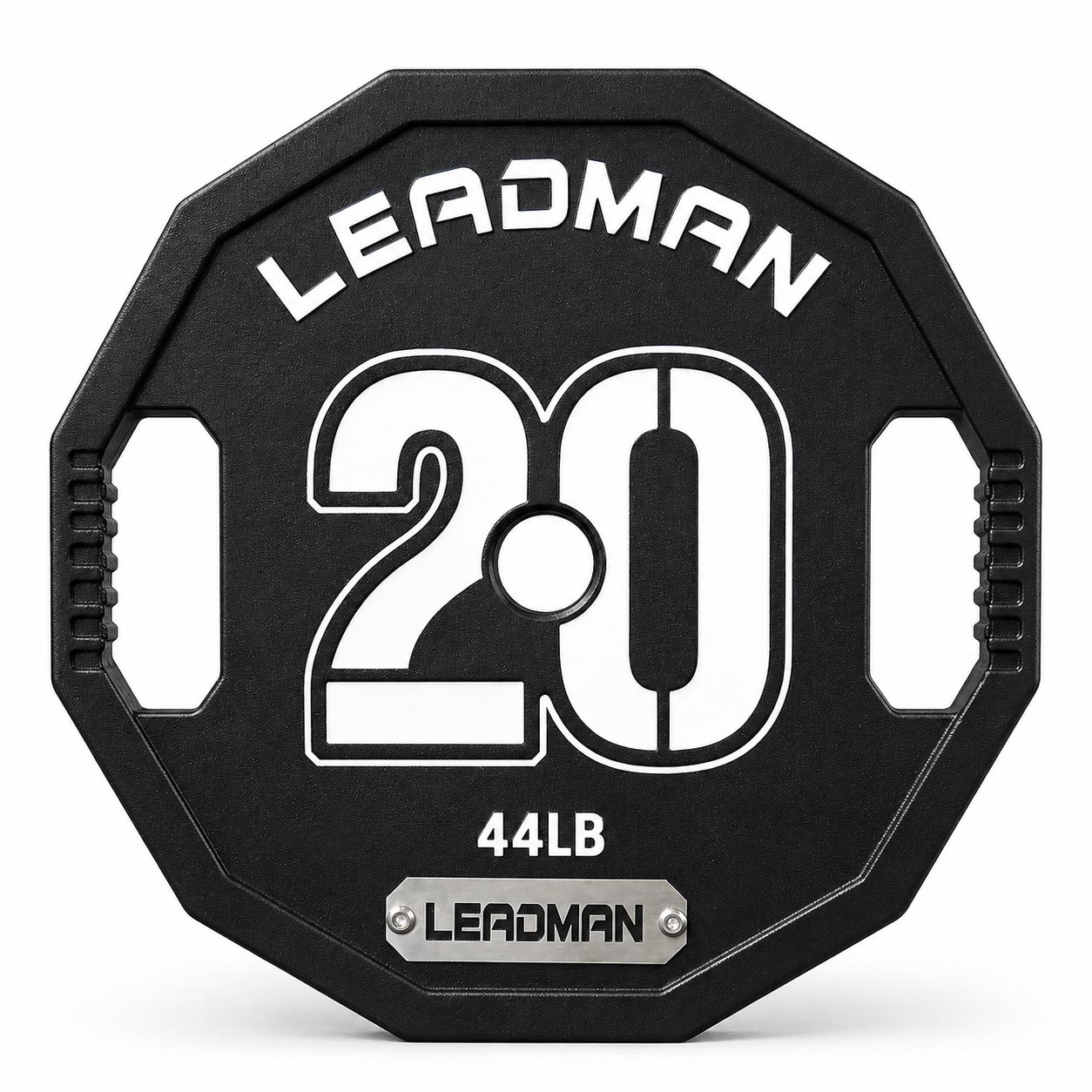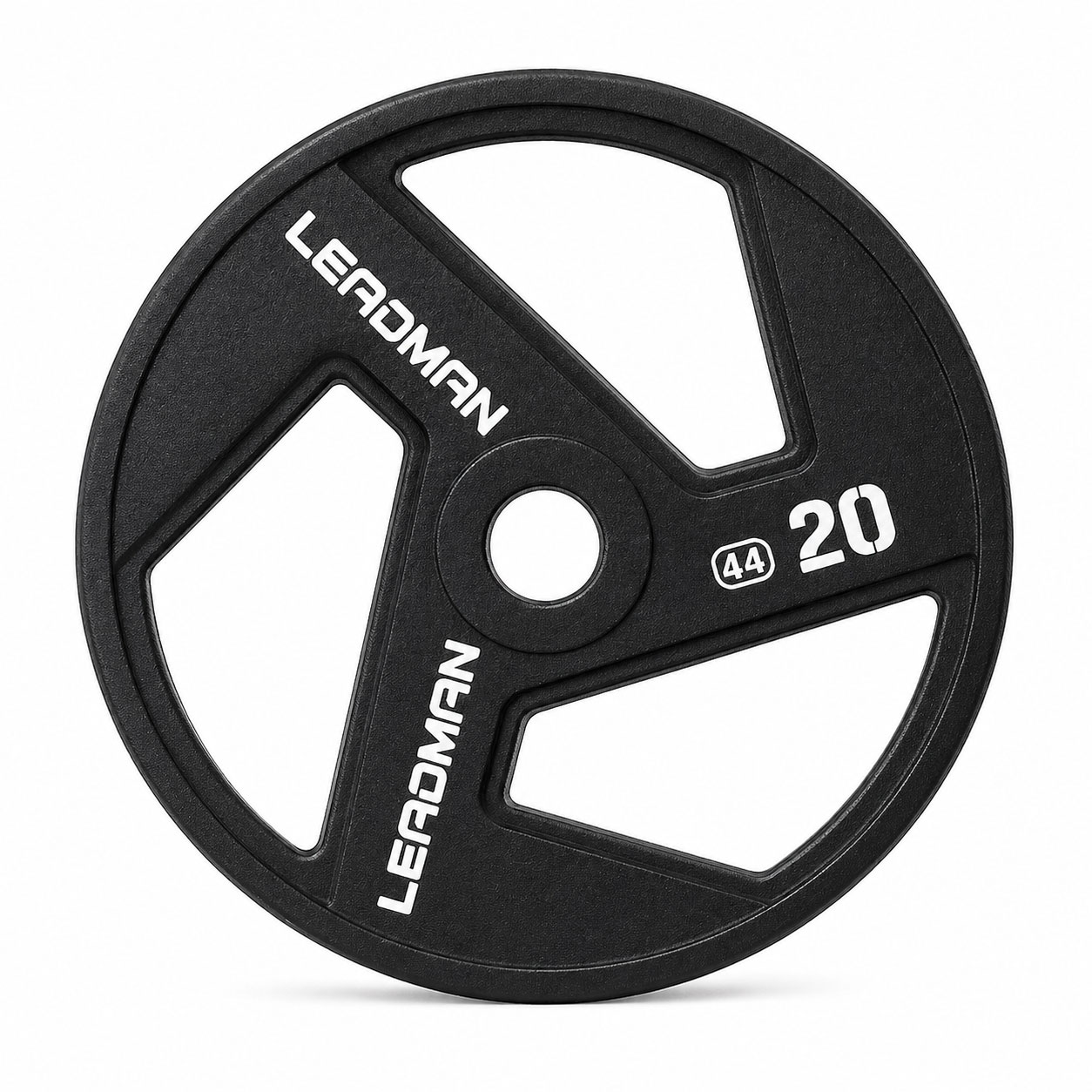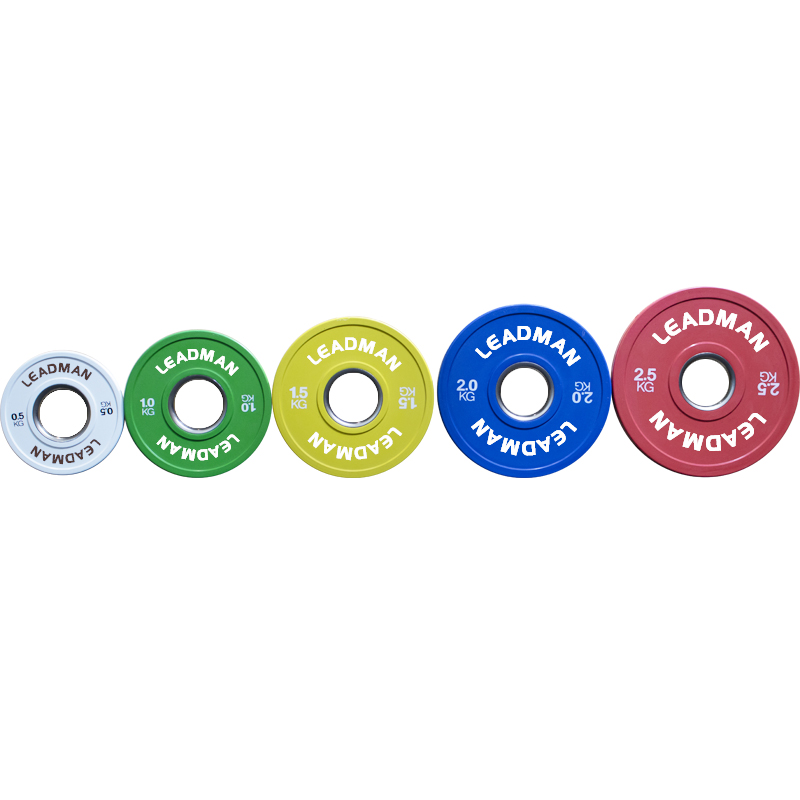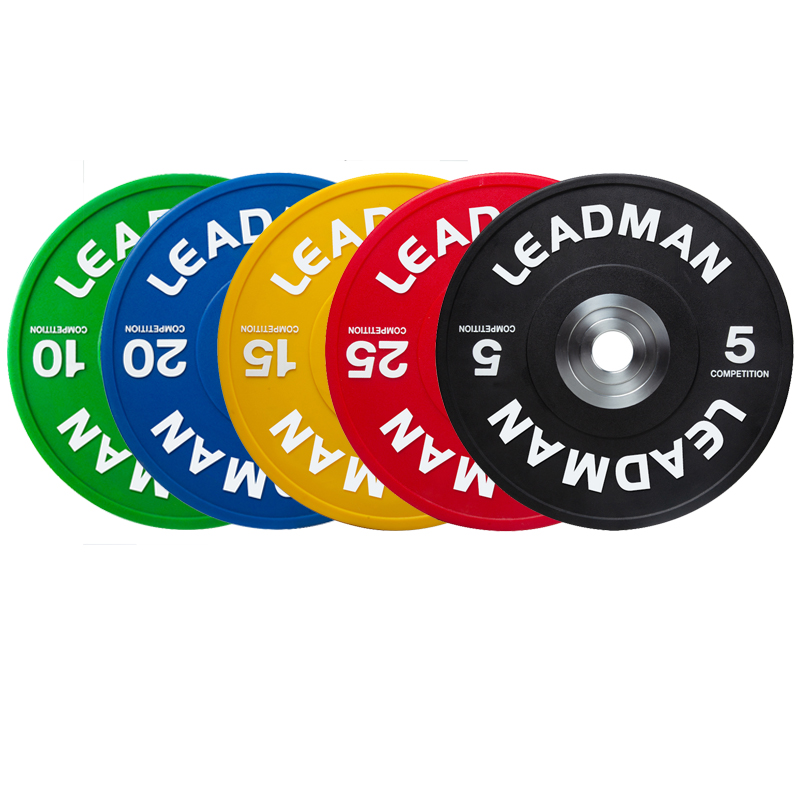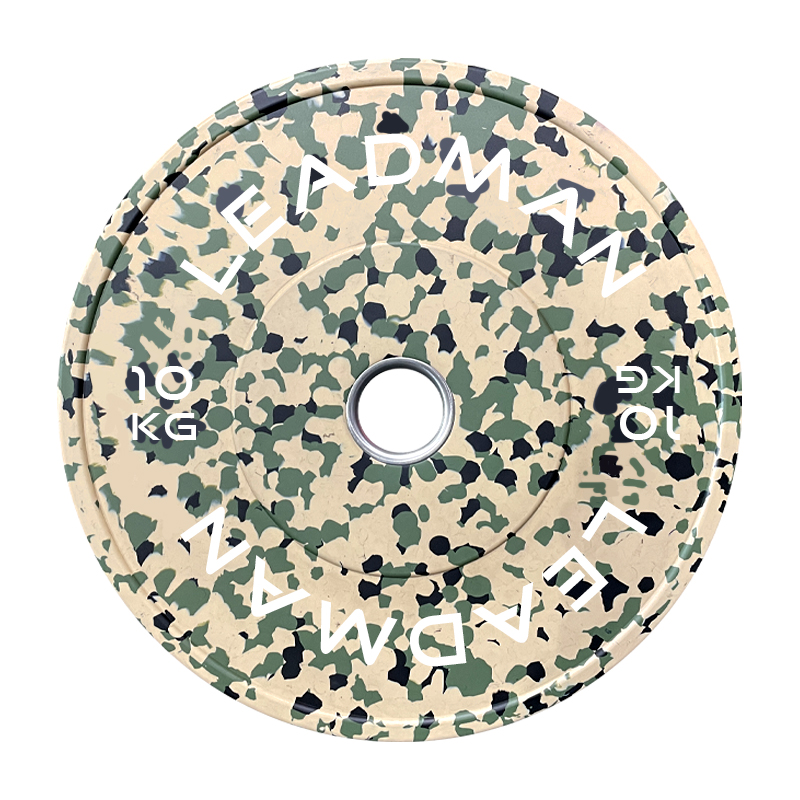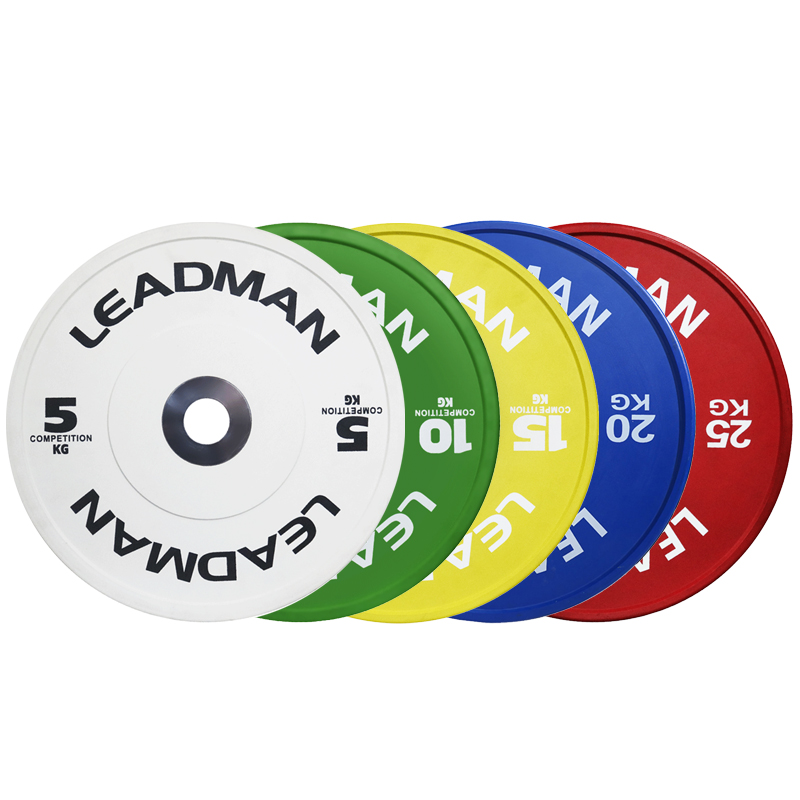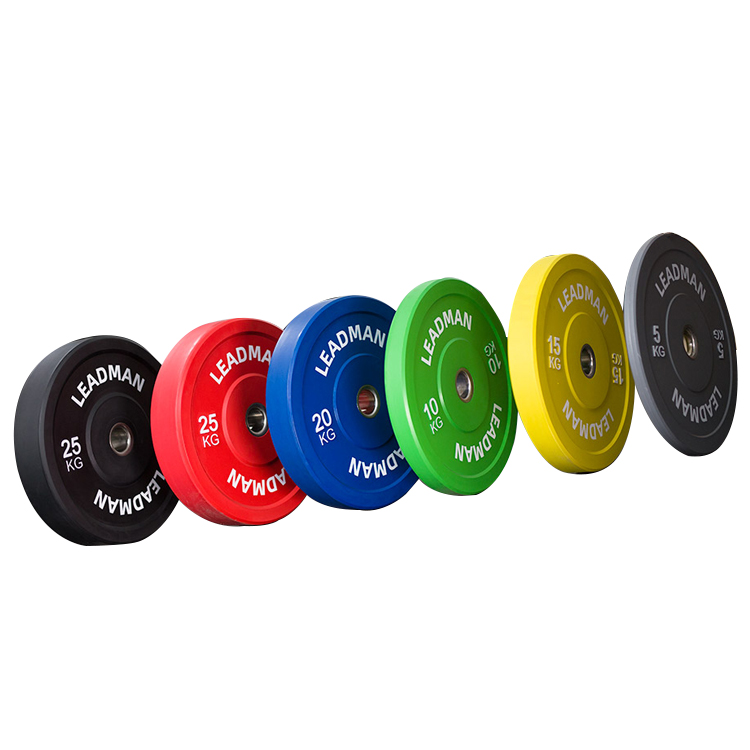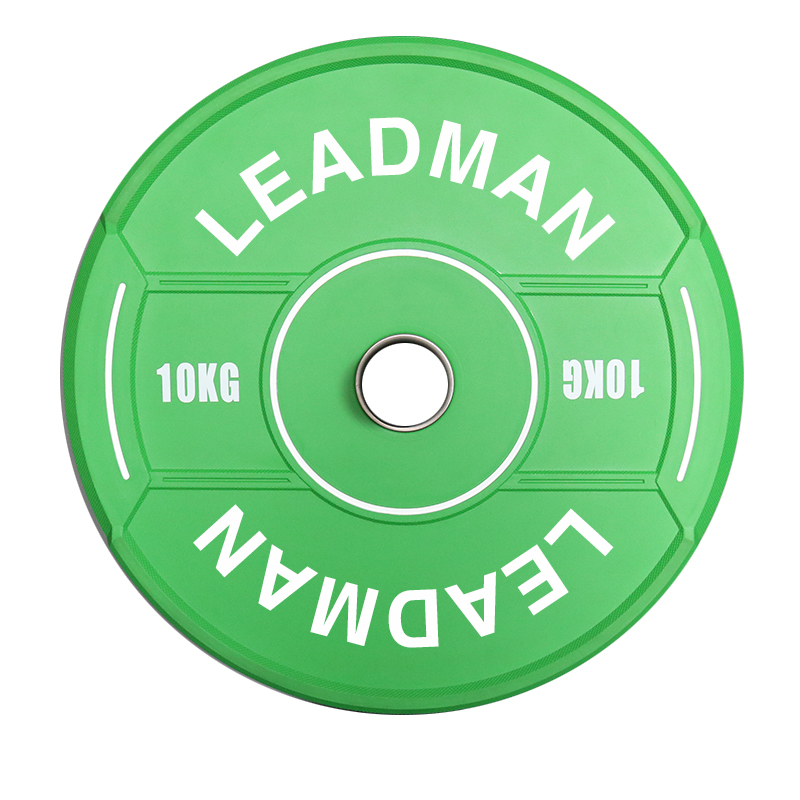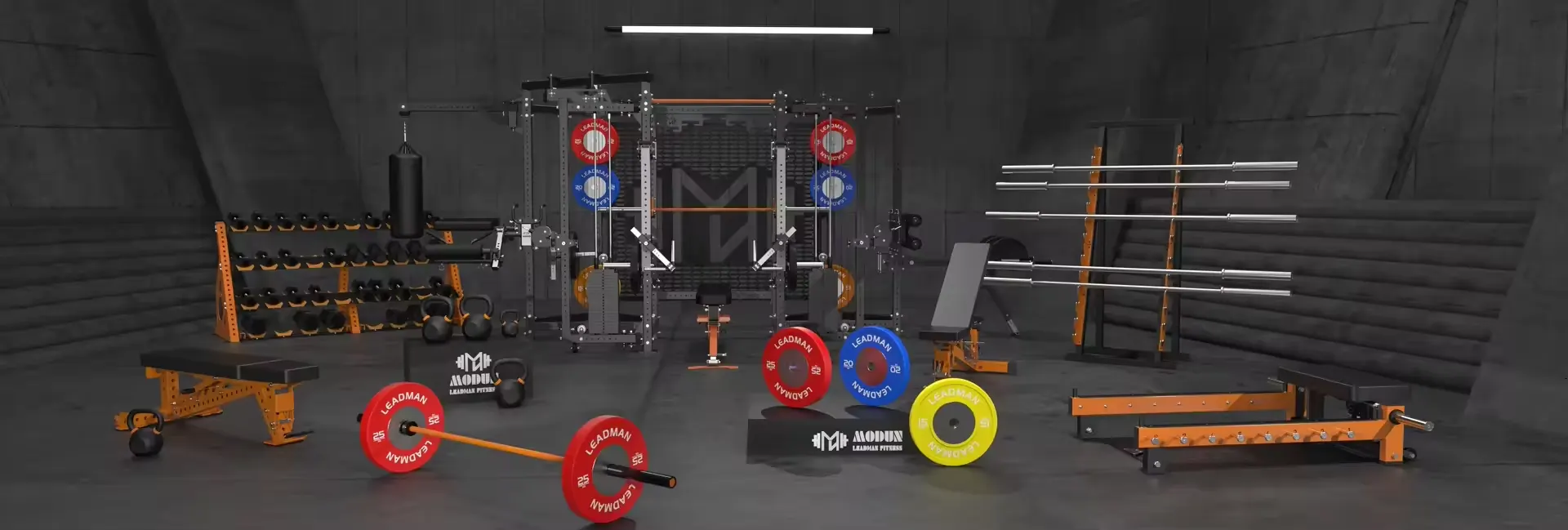
The humble gym plate represents the foundational weight-bearing implement in strength training, yet its engineering complexity is often underestimated by facility operators focused on aesthetics or brand consistency. Whether manufactured as cast iron, rubber-encased, urethane-coated, or precision-calibrated steel, gym plates are subjected to repeated high-impact loading, environmental stress, and dimensional scrutiny that directly affect barbell longevity, floor protection, and training accuracy. Understanding the spectrum of plate types, materials, and specifications is essential for procurement professionals seeking to balance performance, durability, and budget across diverse training environments—from high-turnover commercial gyms to elite performance centres requiring competition-grade precision.
Material composition establishes the primary differentiation among gym plate types. Cast iron plates remain the most cost-effective option, produced through sand or permanent mould casting with grey iron (carbon content 3.2–3.6%) and finished with black oxide, zinc plating, or electrostatic powder coating (60–80µm thickness). Rubber-encased plates add a vulcanised rubber layer that absorbs impact energy, reducing floor damage and noise during dropped lifts, with Shore A hardness typically between 75–90. Urethane-coated plates—produced through reaction injection moulding—offer superior impact resistance, colour retention, and odour suppression, but command significantly higher per-kilogram costs, positioning them as premium commercial assets.
Precision and compliance criteria differentiate gym plate tiers. General fitness plates typically operate within ±2–3% weight tolerance, whereas calibrated competition plates—certified to IWF or IPF standards—maintain ±0.25–1% accuracy, validated through individual laser-weighing and documentation. Hub dimensions represent another critical specification: Olympic plates require 50.4mm (+0.1/-0.0mm) bore diameters for secure fit on 50mm barbell sleeves, while standard plates use 25.4mm bores for 1-inch bars. Insert retention—the adhesion strength of steel hubs within rubber or urethane plates—directly influences longevity under repeated drops, with premium designs incorporating mechanical locking or multi-stage adhesive bonding verified through 10,000+ drop-test protocols.
Operational considerations extend beyond specifications to weight-range planning, storage infrastructure, and maintenance protocols. Facility operators should stock plate quantities that align with peak usage patterns—typically 2–3 times the heaviest anticipated working sets across multiple stations—while maintaining colour-coded or dual-unit (lbs/kg) labelling systems that expedite member loading decisions. Commercial weight plates stored on vertical pegs or horizontal racks require urethane or rubber contact surfaces to prevent edge damage, while regular inspection for hub looseness, cracking, or finish degradation preserves safety and equipment value. As facility budgets accommodate higher-tier products, the lifecycle cost advantage of urethane plates—often 8–12 years of commercial service versus 3–5 years for basic rubber—provides compelling ROI justification, particularly in high-usage Olympic lifting zones.

Let our experts design the perfect gym solution for your business. Get a free consultation and quote today.