

Optimizing Core Training Essentials with a Commercial Sit Up Bench
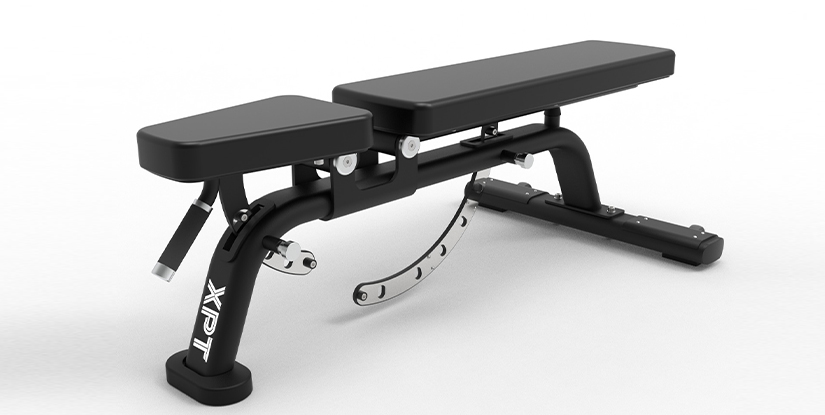
Evaluating Structural Integrity and Loading Capacities
In a high-traffic commercial environment, the most frequent failure mode is not the user's technique, but the gradual degradation of the equipment's structural stability. When operators overlook the fundamental physics of a sit-up bench, they often face issues such as frame deflection or bolt loosening under repetitive mechanical stress. A commercial-grade bench must be capable of handling both the static weight of the user and the dynamic force generated during rapid, high-intensity abdominal movements.
The Mechanism of Mechanical Stress in Abdominal Training
Unlike stationary weight benches, a sit-up bench undergoes constant rhythmic loading. This creates a specific vibration profile that can gradually back out fasteners if they are not properly torqued. The tension between the foot rollers and the lumbar support creates a lever effect that stresses the central pivot points. Failure to account for this can result in a bench that feels 'wobbly' or unsafe to the end-user, leading to decreased confidence and potential injury.
| Feature | Standard Residential Specification | Commercial-Grade Requirement |
|---|---|---|
| Frame Construction | Lightweight aluminum or thin-walled steel | Heavy-duty 11-gauge or 12-gauge steel tubing |
| Load Rating | Static weight limit only | Dynamic load capacity for rhythmic movement |
| Fastener Type | Standard hex bolts | Locking washers and high-strength grade fasteners |
| Upholstery Durability | Thin vinyl with low density foam | High-density, tear-resistant medical-grade vinyl |
Verifying these structural parameters during initial procurement can prevent costly replacements later. Once the structural baseline is established, the focus shifts toward the specific adjustments that influence user safety and effectiveness.
Precision of Adjustment Mechanisms and User Ergonomics
The structural stability of a bench is only as effective as its ability to be adjusted to the user's specific biomechanics. A common mistake among facility managers is failing to verify that adjustment pins and rails are functioning smoothly and securely. If a bench lacks precise increments, users may find themselves in an awkward or uncomfortable position, which fundamentally undermines the core training essentials with a commercial sit up bench.
Calibrating the Angle of Inclination
The angle of the bench is a critical variable for targeting specific segments of the abdominal wall. Too steep an angle increases the load on the hip flexors, while too shallow an angle may fail to provide sufficient resistance. Operators must ensure that the adjustment notches are deep enough to prevent accidental slipping during a set. A common failure mode occurs when the locking mechanism is partially engaged, which can lead to a sudden, uncontrolled change in angle during a high-intensity repetition.
- Verify Increment Depth: Ensure the adjustment pin fully seats in the designated notch.
- Check Smoothness: The transition between angles should be fluid without catching or grinding.
- Test Resistance: Ensure the weight of the user does not cause the incline to drift.
Effective adjustment management ensures that the equipment serves a wide demographic of users without mechanical failure. This precision leads directly into the necessity of a rigorous maintenance schedule to keep these moving parts operational.
Implementing Rigorous Maintenance Cycles for Longevity
Maintaining the operational excellence of core training essentials with a commercial sit up bench requires a proactive rather than reactive approach. Most facility downtime is caused by neglected small-scale maintenance—problems that are easy to fix but often overlooked until they become catastrophic failures. A consistent maintenance cycle prevents the erosion of the machine's value and ensures user safety remains uncompromised.
Daily Inspection Checklist for Floor Managers
Daily inspections should focus on the high-wear components that are most susceptible to user-induced wear and tear. These are the parts that interact directly with the user's body and the bench's moving parts.
| Component | Inspection Frequency | Actionable Fix/Verification |
|---|---|---|
| Foot Roller Assembly | Daily | Check for cracks in plastic and ensuring smooth rotation. |
| Upholstery Surfaces | Daily | Scan for tears, sweat accumulation, or foam compression. |
| Adjustment Pins | Weekly | Verify that pins are not bent and engage fully in notches. |
| Primary Bolts/Nuts | Monthly | Use a torque wrench to check for loosening in high-stress areas. |
By standardizing these checks, facility operators can move from a state of crisis management to one of predictable equipment uptime. Following these protocols ensures that the bench remains a reliable tool for high-performance abdominal training.
Explore the complete technical specifications:
Mitigating Common User Errors and Biomechanical Risks
Even with perfectly maintained equipment, the way a user interacts with the bench can create significant risks. Improper form often places undue stress on the equipment and the user's body simultaneously. Recognizing these patterns is vital for both trainers and equipment operators who wish to maintain a safe training environment.
The Risk of Hip Flexor Dominance
A frequent issue in core training is the reliance on the hip flexors rather than the rectus abdominis. This often occurs when the bench angle or the foot roller positioning is incorrect. When users pull against the foot rollers with excessive force, they create a significant outward tension that stresses the bench'-s front structure. This can lead to the bending of the footrest or the loosening of the tensioning bolts.
- Error: Excessive pulling on foot rollers. Cause: Incorrect roller height or lack of core engagement. Fix: Adjust rollers to secure the ankles without allowing the user to 'climb' the bench.
- Error: Lumbar arching. Cause: Improper incline angle or low-density upholstery. Fix: Ensure the bench angle allows for a controlled eccentric phase.
Monitoring these interaction patterns allows for better user education and protects the mechanical longevity of the bench. Understanding these risks is the first step toward optimizing the actual performance of the core training movement.
Explore the complete technical specifications:
Optimizing User Performance via Setup Configuration
The ultimate goal of utilizing a commercial sit-up bench is to maximize the hypertrophy or endurance of the abdominal muscles. To do this, the setup must be optimized for the specific training goal. A bench that is set up incorrectly can act as a bottleneck to performance, regardless of how strong the user is.
Configuring for Different Training Modalities
Different training protocols require different bench configurations. For example, a circuit-style training session requires faster adjustment times, whereas a dedicated hypertrophy session requires absolute stability and precision.
- High-Volume Endurance: Focus on a moderate incline and high-density foam to minimize fatigue from discomfort.
- Strength/Hypertrophy: Utilize a steeper incline with high-tension foot rollers to isolate the core more aggressively.
- Mobility/Core Stability: Ensure the bench is on a level surface to prevent lateral shifting during oblique-focused movements.
When the setup is dialed in, the equipment becomes an extension of the athlete's training intent. This level of optimization is only possible when the equipment is in peak physical condition, which brings us back to the importance of structural integrity.
Maintaining Structural Stability in High-Traffic Gyms
In high-traffic environments, the cumulative effect of hundreds of users can lead to a phenomenon known as 'mechanical fatigue.' This is a subtle weakening of the metal and fasteners that isn't always visible to the naked eye. Maintaining stability requires looking beyond the surface level of the equipment.
Identifying Signs of Fatigue and Material Failure
Operators should be trained to look for micro-indicators of fatigue. These are the early warning signs that a component is nearing the end of its functional life.
- Surface Level: Paint chipping or small scratches at weld points (indicates stress-induced cracking).
- Functional Level: A noticeable 'give' or 'flex' in the frame during heavy use.
- Acoustic Level: Squeaking or clicking sounds during the movement cycle (indicates loose bearings or bolts).
Detecting these signs early allows for a controlled replacement or repair rather than an emergency shutdown. Addressing these issues proactively ensures that the core training essentials with a commercial sit up bench remain a permanent fixture in the facility's revenue-generating zone.
Procurement Strategies for Commercial Gym Owners
When purchasing equipment, the decision should be driven by long-term ROI rather than the lowest initial price. A cheap bench may seem attractive, but the frequent maintenance and eventual replacement costs in a commercial setting often outweigh the initial savings.
Decision Criteria for Professional Equipment Buyers
Buyers should utilize a weighted scoring system based on the specific needs of their facility. A commercial gym with 24/7 access requires much higher durability than a boutique studio with limited hours.
| Criteria | Weighting Factor | What to Look For |
|---|---|---|
| Build Material | High | Welded steel joints rather than bolted assembly for main frame. |
| Upholstery Spec | Medium | Fire-retardant, sweat-resistant, and easy-to-clean textures. |
| Ease of Adjustment | Medium | Quick-release pins and ergonomic-friendly lever/dial systems. |
| Warranty Support | High | Comprehensive parts availability and service response times. |
Selecting the right equipment is a strategic business decision that impacts both user safety and operational overhead. Once the equipment is on-site, the focus transitions to the daily reality of operation and maintenance.
Long-Term ROI and Equipment Lifecycle Management
The final stage of managing core training essentials with a commercial sit up bench is understanding the total cost of ownership. Effective lifecycle management involves tracking the bench from procurement through to eventual decommissioning, ensuring that every dollar spent is maximized through proper care and usage.
Tracking Equipment Performance and Depreciation
A sophisticated facility manager tracks the lifespan of their equipment. This data-driven approach helps in budgeting for future upgrades and understanding which products offer the best value over time.
- Usage Logs: Track how many users/hours the bench is active to predict maintenance intervals.
- Cost Analysis: Compare the cost of parts and labor against the frequency of replacement for different models.
- End-of-Life Planning: Identify the point where repair costs exceed the value of the equipment to time the next purchase perfectly.
By treating the sit-up bench as a long-term asset rather than a disposable commodity, operators can ensure consistent training quality and a sustainable business model.