

Optimizing Facility Longevity with Floor Protection Solutions with a Heavy Duty Mat for Exercise Equipment
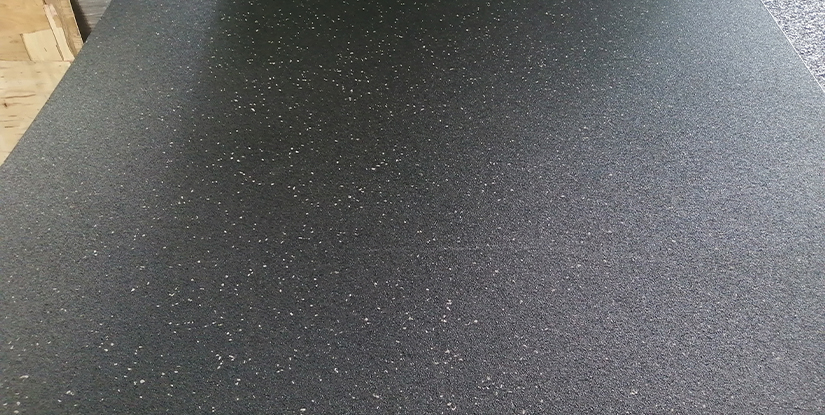
The Durability Myth: Why Standard Flooring Fails Under Heavy Loads
Many facility operators operate under the misconception that high-grade commercial flooring is sufficient for all exercise modalities. However, industry trends indicate that even high-density rubber tiles can suffer catastrophic failure when subjected to the localized point-loading of heavy machinery. The problem is not necessarily the floor itself, but the lack of a specialized buffer between the equipment and the substrate. Without proper floor protection solutions with a heavy duty mat for exercise equipment, the mechanical stress from dropped weights or heavy treadmills causes micro-fractures in the subfloor and permanent indentations in the finish.
The cause of this degradation is often high-impact energy absorption failure. When a heavy weight hits a hard surface, the kinetic energy travels through the floor, creating a shockwave. Standard flooring is designed to resist wear, not to dissipate high-velocity impact energy. To mitigate this, operators must transition from a 'covering' mindset to a 'protection' mindset. This shift requires understanding the distinction between aesthetic flooring and high-density industrial-grade buffering. Understanding these mechanical stresses is the first step toward selecting the correct defensive layer.
Identifying Surface Deformations
Compression Set: Permanent indentations left by static equipment weights.Once you have identified the level of impact your facility experiences, the next step is selecting a material that offers more than just surface resistance.
Material Selection Criteria for High-Impact Environments
Building upon the need to mitigate impact energy, the selection of a specific material becomes a critical economic decision. A common mistake in procurement is choosing a mat based solely on thickness, whereas the density and polymer composition are far more critical for long-term ROI. A thick but soft mat may provide comfort, but it will lack the structural integrity required to support a 500lb power rack without significant bottoming out.
When evaluating floor protection solutions with a heavy duty mat for exercise equipment, you must prioritize the Shore Durometer rating, which measures the hardness of the material. A higher density material is more effective at distributing weight over a larger surface area, reducing the pressure on the subfloor. The following table outlines the common material types used in commercial settings and their primary applications.
| Material Type | Ideal Use Case | Key Characteristic | Maintenance Requirement |
|---|---|---|---|
| High-Density Vulcanized Rubber | Weightlifting/Powerlifting | Excellent impact absorption | Low; requires periodic sweeping |
| EVA Foam Interlock | Yoga/Aerobics/Stretching | High elasticity/softness | Moderate; prone to compression over time |
| Vinyl/PVC Protective Sheets | Treadmills/Cardio Equipment | Smooth surface/low friction | Low; easy to wipe down |
| Cross-Linked Polyethylene | Functional Training/Plyometrics | High rebound/durability | Low; resistant to moisture |
Choosing the wrong density can lead to equipment instability, which is why understanding the mechanical interaction between the mat and the machine is vital. This leads us to the technicalities of equipment placement and surface stability.
Mechanical Stability and Equipment Interface
While the material provides the buffer, the way it interacts with the equipment dictates the safety of the user. Even the highest quality heavy-duty mat can become a liability if the equipment is not properly integrated with the surface. The primary problem operators face is 'equipment drift' or vibration-induced movement, often caused by an uneven interface between the machine foot and the mat surface.
The cause of this instability is typically a mismatch in surface texture. A very smooth mat may cause a treadmill to vibrate excessively, while a very textured mat might prevent a stationary weight rack from sitting level. To ensure a stable setup, operators should follow a rigorous installation and placement protocol. This ensures that the protective layer acts as a stabilizer rather than a sliding hazard.
Equipment Placement Checklist
- Level Verification: Use a spirit level on every piece of equipment to ensure the mat has not created a tilt.
- Edge Alignment: Ensure heavy equipment feet are centered on the mat, not on the edge, to prevent tripping and tearing.
- Friction Testing: Periodically check if high-vibration machines (like treadmills) require additional non-slip adhesive under the mat.
Verifying stability is a recurring task, but it is only half the battle; the mat itself requires a specific maintenance regimen to maintain its protective qualities.
Explore the complete technical specifications:
Long-Term Maintenance and Degradation Monitoring
A heavy-duty mat is an investment, yet many facility managers treat it as a 'set and forget' asset. This is a mistake. Over time, the chemicals used in standard gym cleaning products can react with the polymer structure of the mat, leading to a loss of elasticity or surface hardening. This degradation directly impacts the effectiveness of your floor protection solutions with a heavy duty mat for exercise equipment.
The cause of premature mat failure is often the improper application of pH-neutralizers or the use of abrasive scrubbing tools. When a mat hardens, it loses its ability to absorb shock, effectively turning your protective layer into a hard surface that can damage both the floor and the equipment. To prevent this, operators must implement a structured maintenance schedule.
Maintenance Protocols for Commercial Mats
| Maintenance Task | Frequency | Standard Operating Procedure |
|---|---|---|
| Visual Inspection | Daily | Check for rips, tears, or displaced edges. |
| Surface Cleaning | Weekly | Use a pH-neutral cleaner and a soft mop; avoid harsh chemicals. |
| Structural Density Check | Quarterly | Press a hard object into the mat to ensure it returns to shape. |
| Moisture/Mold Check | Monthly | Inspect edges and corners for dampness or buildup. |
Monitoring these variables ensures that your investment continues to protect your facility's most valuable assets. However, even with perfect maintenance, there are certain failure modes that require immediate intervention.
Explore the complete technical specifications:
Commercial Grade Gym Equipment: Durable Solutions for Facilities
Troubleshooting Common Mat Failures and Safety Hazards
Despite rigorous care, environmental and usage factors can lead to unexpected issues. Recognizing these early can prevent expensive floor repairs or, more importantly, user injury. When an operator notices a change in the mat's behavior, they must act quickly to identify the root cause and implement a fix.
A common failure mode is 'bubbling' or 'rippling,' where the mat lifts away from the subfloor. This is often caused by moisture entrapment or heat from high-intensity cardio equipment. Another frequent issue is the 'flattening' effect, where the mat loses its thickness in high-traffic areas, leaving the floor vulnerable to impact. Below is a guide to diagnosing and resolving these issues before they escalate.
Failure Diagnosis and Resolution Guide
- Issue: Mat Rippling or Bubbling
Cause: Moisture trapped beneath the mat or heat expansion.
Fix: Lift the mat, allow the subfloor to dry completely, and re-lay with a specialized adhesive or moisture barrier. - Issue: Cracking at Equipment Footprints
Cause: Excessive localized weight exceeding the mat's Shore Durometer rating.
Fix: Upgrade to a higher-density mat or use steel spreader plates under the equipment. - Issue: Odor Retention
Cause: Bacterial growth within the porous structure of the rubber.
Fix: Deep clean with an enzymatic cleaner designed for rubber surfaces.
By addressing these issues immediately, you maintain a safe environment and extend the lifecycle of your flooring. As the industry evolves, the technology behind these materials continues to advance, offering even more sophisticated solutions.
The Future of Floor Protection: Smart Materials and Modular Design
As we look toward the future of facility management, the trend is moving toward highly specialized, modularized floor protection solutions with a heavy duty mat for exercise equipment. The industry is shifting away from monolithic, single-piece mats toward systems that offer both localized protection and ease of replacement. This modularity allows for targeted maintenance—replacing a damaged section rather than an entire floor—which drastically improves long-term ROI.
We are also seeing the rise of 'smart' materials that can adapt to different types of impacts. For example, advanced non-Newtonian polymer layers are being integrated into high-end mats to remain soft during normal movement but harden instantly upon high-velocity impact. This technology represents the next frontier in mitigating the structural risks associated with heavy exercise equipment. Whether you are managing a boutique studio or a large-scale commercial gym, staying informed about these advancements is critical for maintaining a competitive and safe facility.
Strategic Implementation Summary
To successfully implement floor protection, an operator must move through a logical sequence: understand the impact forces, select the correct density-based material, ensure stable equipment interface, and maintain a strict cleaning regimen. By treating the floor as a technical component of the gym's infrastructure rather than a background element, you protect your long-term capital investment. The ultimate goal is a multi-layered defense: a high-quality subfloor, a high-density mat, and a disciplined maintenance protocol.