

Optimizing Versatility for All Training with a Commercial Cable Crossover Machine
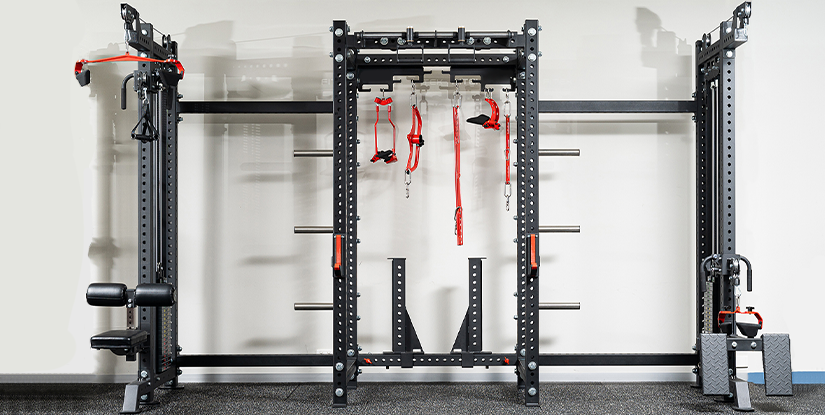
The Engineering Logic of Cable Resistance and Versatility
A common misconception among facility operators is that a commercial cable crossover machine is merely a single-function chest machine. In reality, the machine is a sophisticated mechanical system designed to provide variable resistance through a pulley-and-cable architecture. The core value lies in its ability to manipulate the angle of pull, providing constant tension throughout a complete range of motion—a feat free weights cannot replicate. When a user performs a fly movement, the tension remains consistent even as the limb position changes, which is critical for hypertrophy and functional stability.
Understanding Constant Tension Dynamics
Unlike traditional iron weights, where the resistance curve often drops at specific joint angles due to gravity, a high-quality cable system utilizes specialized pulleys to maintain a smooth resistance profile. This ensures that the muscle stays under load during both the concentric and eccentric phases. From a technical standpoint, this requires a precision-engineered pulley system that minimizes friction while maximizing the path of travel. Without this precision, users experience 'dead spots' in the movement, which can lead to joint instability or reduced training efficacy. Understanding these physics is the first step toward leveraging the machine's full potential.
With the mechanical fundamentals established, the next requirement for a functional facility is selecting a machine that meets specific structural and capacity standards.
Critical Selection Criteria for High-Performance Cable Systems
Selecting a machine based on visual appeal rather than technical specifications is a frequent error in procurement. To achieve true versatility for all training with a commercial cable crossover machine, one must look beyond the frame and scrutinize the internal load-bearing components. A machine that lacks high-grade steel cables or utilizes low-friction plastic pulleys will fail under the rigorous demands of a commercial environment, leading to high replacement costs and user dissatisfaction.
Component Specification Benchmarks
When evaluating a unit, operators should focus on the material density of the frame and the durability of the movement parts. The following table outlines the essential technical parameters that distinguish professional-grade equipment from entry-level models.
| Feature Component | Standard Requirement | High-Performance Target |
|---|---|---|
| Cable Material | Nylon-coated Steel | Galvanized or Aircraft-Grade Steel with Polymer Coating |
| Pulley Material | N-ylon/Plastic Composite | High-Density Polyethylene (HDPE) or Aluminum |
| Weight Stack Type | Standard Iron Plates | Precision-Cast Iron or High-Density Polymer |
| Adjustment Mechanism | Standard Pin-lock | Reinforced Steel Dial or Precision-Threaded Lever |
| Frame Construction | Mild Steel Tubing | Heavy-Duty Structural Steel (11-gauge or thicker) |
By prioritizing these technical benchmarks, buyers ensure that the machine's versatility is supported by a robust structural foundation. This foundational stability leads directly into the necessity for correct operational setup and cable management.
Precision Setup and Adjustment Protocols
Even the highest-quality machine can perform poorly if the setup is incorrect. A recurring problem in many gyms is the improper height adjustment of the functional towers, which can cause asymmetrical loading and uneven wear on the cables. To maximize the versatility of the equipment, the operator must ensure that the pulleys can move through a wide range of vertical and horizontal planes without resistance or snagging.
Step-by-Step Calibration Checklist
- Verify Vertical Travel: Ensure the height adjustment pins engage smoothly and that there is no lateral 'wobble' when the pulley is at its highest or lowest setting.
- Check Cable Tension: Inspect the idle tension to ensure that the cables do not become excessively slack when the weight stack is at the top of its travel.
- Alignment Check: Ensure the two towers are perfectly aligned on a level surface to prevent uneven stress on the base frame.
- Attachment Integrity: Verify that all handles, ropes, and bars are compatible with the carabiners and that the carabiners snap shut with a positive mechanical click.
A disciplined approach to these adjustments ensures that the machine provides a predictable and safe resistance profile for every user. However, regular use inevitably leads to mechanical fatigue, requiring a proactive maintenance strategy.
Explore the complete technical specifications:
Functional Trainer Smith Machine: Versatile Hybrid for Commercial Gyms
Preventative Maintenance and Wear Detection
A primary pain point for facility managers is the sudden failure of a cable during a heavy set. This is rarely a random event; it is typically the result of neglected maintenance or the failure to identify early warning signs of wear. To maintain the versatility of the machine, a scheduled inspection cadence must be implemented to detect microscopic fractures in the cables or friction buildup in the pulleys.
Failure Modes and Early Detection
Operators should be trained to look for specific indicators of impending failure. A 'smooth' movement that gradually becomes 'jerky' is often the first sign of a failing bearing or a fraying cable. Neglecting these signs can lead to a catastrophic failure, posing a significant liability risk.
| Observed Symptom | Potential Root Cause | Corrective Action |
|---|---|---|
| Squeaking or Grinding Noise | Bearing degradation or lack of lubrication | Replace pulley bearing or apply specialized lubricant |
| Jerky/Non-Linear Resistance | Cable fraying or uneven weight stack movement | Immediate cable replacement and weight stack alignment |
| Excessive Lateral Movement | Loose structural bolts or worn bushings | Retighten all structural fasteners to specified torque |
| Cable 'Lag' or Slack | Improper tensioner setting or weight stack misalignment | Recalibrate the tensioning mechanism |
Identifying these issues early allows for planned downtime rather than emergency repairs. Once the machine is operating at peak performance, the focus shifts to maximizing its utility through diverse training applications.
Explore the complete technical specifications:
Maximizing Functional Utility through Diverse Training Modes
Once the machine is properly maintained, the operator can exploit its true strength: its ability to serve multiple training goals. A commercial cable crossover machine is not just for chest training; it is a multi-modal tool capable of isolating smaller muscle groups and facilitating functional, multi-planar movement. This versatility is the reason for its high ROI in a commercial setting.
Targeting Different Muscle Groups
Because the cable provides a constant line of force, it is uniquely suited for exercises that require specific vectors of resistance. For example, while free weights are excellent for power, the cable crossover excels in high-repetition, hypertrophy-focused training where the tension curve must be perfectly managed. Common training modes include:
- Horizontal Adduction: Utilizing the middle pulley heights for chest and pectoral development.
- Rotational Core Stability: Using the cables for anti-rotation exercises to strengthen the oblique and transverse abdominis.
- Upper-Body Isolation: Using high-pulley settings for triceps extensions or low-pulley settings for bicep curls.
- Posterior Chain Integration: Utilizing low pulleys for cable pulls or glute development.
Mastering these various angles ensures that the machine serves as the centerpiece of a comprehensive training program. This versatility, however, requires a deep understanding of the physical limits of the machine's capacity.
Operational Safety Limits and User Guidelines
With increased versatility comes increased complexity, and with complexity comes the risk of improper usage. One of the most common mistakes is attempting to use the machine in a way that exceeds its structural or mechanical limits—such as using the weight stack for unilateral stability rather than pure resistance. To protect both the equipment and the users, strict operational guidelines must be enforced.
Managing Mechanical Stress and User Safety
The stress placed on the cables and pulleys varies significantly depending on the angle and speed of the movement. A fast, explosive movement (high velocity) creates high impulse loads that can cause micro-tears in the cable coating. Operators should implement the following rules to ensure longevity and safety:
- Avoid Extreme Lateral Tension: Do not pull the cables so far outward that they create an excessive lateral angle against the machine frame.
- Speed Control: Encourage controlled, rhythmic movements rather than ballistic, uncontrolled repetitions.
- Weight Stack Integrity: Ensure that the weight stack is always fully seated and that no weight plates are being dropped from a significant height.
- Peripheral Clearance: Ensure that the training area around the crossover is clear of other equipment to prevent user collision during wide-angle movements.
Adhering to these limits ensures that the machine remains a reliable asset for years. As technology advances, the way we manage these machines will continue to evolve, moving toward even more integrated systems.
The Future of Cable-Driven Resistance Systems
As we look toward the future of fitness technology, the basic principles of the commercial cable crossover machine remain unchanged, but the precision of the components is reaching new levels. We are seeing a shift toward more intelligent, electronically integrated systems that can track load, speed, and even user form. However, the fundamental mechanical durability of the steel-and-pulley system remains the gold standard for durability and tactile feedback.
The Importance of Structural Integrity in an Evolving Market
While digital overlays and resistance-tracking technology are increasing in popularity, the core demand for a machine that can provide high-volume, heavy-duty resistance will not diminish. For the facility operator, the goal is to find a balance between traditional mechanical reliability and modern functional versatility. A high-quality machine with a robust steel frame and high-grade cables will always be the most versatile investment in a commercial space.
In conclusion, realizing the full potential of a commercial cable crossover machine requires a commitment to technical understanding, rigorous maintenance, and strict adherence to safety protocols. By treating the machine as a high-precision mechanical system rather than a static piece of furniture, operators can ensure maximum ROI and user performance.