

Selecting Top Commercial Fitness Equipment Brands for Your Facility
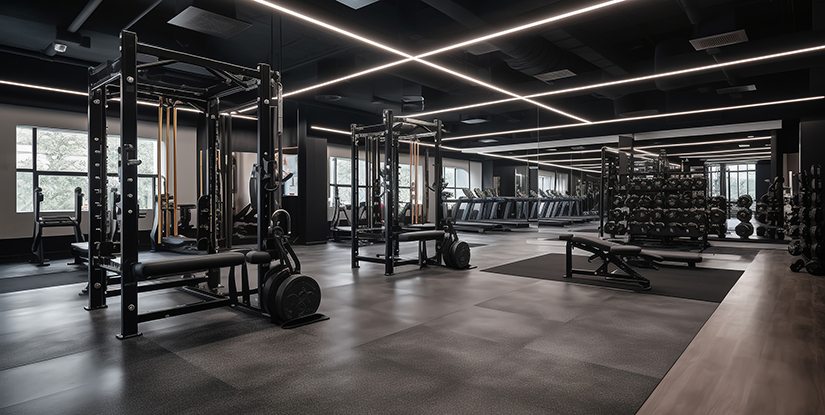
Defining Selection Standards for High-Traffic Gym Environments
Procuring equipment for a professional facility involves more than simply identifying aesthetically pleasing machines. The primary challenge for facility operators is the discrepancy between advertised durability and actual field performance under continuous usage. A common failure mode occurs when a facility invests in mid-tier equipment that lacks the structural integrity required for high-volume environments, leading to premature part replacement and increased downtime. To mitigate this, operators must move beyond brand recognition and focus on technical specifications and manufacturing standards.
The fundamental problem lies in the lack of standardized testing across the industry. While many vendors claim 'commercial grade' status, the actual load tolerances and component lifespans vary significantly. Before committing to any major purchase, it is essential to define a rigorous set of selection criteria that prioritizes longevity over initial cost. This foundational understanding of what constitutes high-quality hardware will guide the technical evaluation of various product lines.
| Selection Criteria | Low-Tier Indicator | High-Tier Professional Standard |
|---|---|---|
| Frame Construction | Thin-gauge steel; visible weld gaps | Heavy-duty, thick-wall steel; seamless welding |
| Bearing Quality | Standard ball bearings; high friction | High-precision industrial bearings; smooth motion |
| Upholstery Durability | Thin foam; easy surface cracking | High-density, tear-resistant medical-grade vinyl |
| Motor/Drive System | Standard AC/DC; high heat generation | Industrial-grade brushless motors; advanced cooling |
Establishing these benchmarks ensures that your investment is protected against the most frequent causes of mechanical fatigue. Once these baseline standards are established, the next logical step is to examine the specific engineering nuances found within different equipment categories.
Evaluating Strength Training Machine Engineering and Biomechanics
Moving from general procurement standards to specific hardware, strength training equipment presents unique mechanical challenges. The most frequent complaint from gym members involves 'unnatural' resistance patterns, often caused by poor cam profiles or inconsistent cable tension. This issue is not merely a matter of comfort; it can lead to improper biomechanical loading and potential user injury if the machine does not follow natural human movement arcs.
The Role of Cam Profiles in Resistance Consistency
A high-quality strength machine utilizes sophisticated cam shapes to modulate resistance throughout the entire range of motion. In many entry-level models, the resistance remains constant or changes too abruptly, failing to account for the changing torque requirements of human muscles. When evaluating a brand, operators should verify the precision of these cams and the smoothness of the transition points.
- Common Mistake: Selecting machines with simple linear resistance that does not account for muscle leverage changes.
- Verification Method: Perform a 'speed test' by moving through the range of motion at both high and low velocities to check for resistance jerks.
- Implementation Detail: Opt for equipment that uses varying cam profiles to match human strength curves.
Understanding the technical depth of strength equipment helps prevent the frustration of mechanical inconsistency. However, the complexity of these machines extends into the electrical and electronic components found in cardiovascular training equipment.
Cardiovascular Equipment: Motor Longevity and Electronic Reliability
While strength machines rely heavily on mechanical geometry, cardiovascular equipment is heavily dependent on electrical engineering and motor thermal management. The most significant pain point for cardio-heavy facilities is the failure of treadmill motors or consoles due to heat buildup and electrical surges. This is often caused by insufficient cooling systems or low-quality control boards that cannot handle the high-duty cycles of a commercial environment.
Thermal Management and Motor Specifications
The lifespan of a treadmill is directly correlated to its motor's ability to dissipate heat. In high-traffic settings, the continuous load placed on the motor can lead to thermal degradation of the internal windings. Operators must look for equipment that features industrial-grade cooling and robust motor controllers that can handle significant amperage without overheating.
| Component | Failure Mode | Technical Solution to Verify |
|---|---|---|
| Treadmill Motor | Overheating and burnt windings | Brushless DC motors with high thermal tolerance |
| Console Interface | Screen freezing or touch lag | Dedicated, high-speed processors and shielded wiring |
| Drive Belt | Slippage and uneven speed | High-tensile, multi-ply belts with specialized coating |
| Control Board | Electrical short or unresponsive commands | Industrial-grade circuitry with advanced surge protection |
By prioritizing thermal management and electrical stability, facility owners can significantly reduce the frequency of technician calls. This level of technical scrutiny is equally applicable to the more complex digital ecosystems found in modern fitness tech.
Explore the complete technical specifications:
Adjustable Bench Commercial: Specifications, Durability & Selection
Integrating Digital Ecosystems and Connectivity Standards
As fitness technology evolves, the integration of software and hardware becomes a critical operational component. A major problem modern operators face is 'digital fragmentation,' where different machines from different suppliers cannot communicate with a single user profile or facility management system. This lack of interoperability leads to a disjointed user experience and increased administrative overhead for the staff.
Interoperability and API Openness
When selecting equipment, it is vital to determine how 'open' the manufacturer's ecosystem is. High-end brands often provide robust APIs (Application Programming Interfaces) that allow third-party developers and facility management software to sync seamlessly with the machines. This enables features like automated user tracking, digital workout logging, and remote device monitoring.
Implementation Checklist for Connectivity:
- Confirm compatibility with standard wireless protocols (Bluetooth, Wi-Fi).
- Verify if the software allows for central management of all console settings.
- Check if the hardware supports third-party wearable integration.
- Inquire about the availability of an open API for custom facility software.
Ensuring that your equipment can communicate effectively within your existing technological stack prevents the need for constant manual data entry and technical troubleshooting. This integration capability also lays the groundwork for the specialized needs of functional training environments.
Explore the complete technical specifications:
How to Choose the Right Gym Equipment Supplier | Expert Guide
Functional Training Systems: Load Capacity and Versatility
Functional training zones—often featuring rigs, cables, and free weights—require a different set of evaluation criteria compared to selectorized machines. The primary concern here is structural rigidity and the ability to withstand multi-directional forces. A common failure in budget-friendly functional rigs is 'frame sway,' where the structure moves under heavy load, which can lead to catastrophic structural failure if not properly addressed.
Verifying Structural Integrity in Rigs and Cable Stations
Functional equipment is subject to dynamic loads, meaning the forces applied are often much higher than the static weight of the plates. Operators must ensure that the equipment is engineered to handle these lateral and vertical stresses. A rigorous verification process involves checking the gauge of the steel tubing and the quality of the anchoring systems.
Technical Verification Steps:
- Inspect Weld Quality: Look for uniform, high-penetration welds rather than surface-level beads.
- Test Frame Stability: Apply varying lateral pressure to the rig to ensure minimal oscillation.
- Verify Cable Durability: Check that cable systems use high-tensile steel encased in protective coatings to prevent fraying.
Building a functional zone with high-grade structural components ensures the safety of your members and the longevity of your facility. This focus on heavy-duty construction is a recurring theme across all top-tier equipment categories.
Explore the complete technical specifications:
Preventative Maintenance Protocols for Commercial Longevity
Even the highest-quality equipment will fail if it is neglected. A widespread problem in many fitness centers is the 'reactive maintenance' mindset, where technicians are only called once a machine has already broken down. This approach is expensive and increases the risk of member dissatisfaction. To maximize ROI, facilities must transition to a proactive, preventative maintenance model.
The Standardized Maintenance Cadence
A professional maintenance schedule should be segmented by component type and usage frequency. While a treadmill might require weekly belt tension checks, a weight stack may only need quarterly lubrication of the guide rods. Establishing a clear, documented cadence is essential for any professional operation.
| Maintenance Type | Frequency | Task Description | Verification Method |
|---|---|---|---|
| Visual Inspection | Daily | Check for loose bolts, torn upholstery, or frayed cables. | Walk-through checklist. |
| Lubrication | Monthly | Apply silicone spray to guide rods and moving parts. | Observe smooth, frictionless movement. |
| Electrical Check | Quarterly | Inspect power cords, plugs, and console connectivity. | Test all buttons and digital functions. |
| Deep Mechanical Service | Bi-Annually | Tighten all structural bolts and check motor brushes. | Torque wrench verification on key fasteners. |
Following a structured maintenance regimen ensures that minor issues are caught before they escalate into major mechanical failures. This proactive stance is the final component in a comprehensive equipment management strategy.
Explore the complete technical specifications:
Selecting the Right Equipment for Facility-Specific Goals
The final step in the selection process is aligning your equipment choices with your specific business model. A boutique studio, a high-performance training center, and a standard commercial gym all have vastly different needs. A common mistake is trying to buy 'everything' rather than focusing on the specific high-performance equipment that caters to your core demographic.
If your goal is high-throughput cardio, focus on brands that lead in motor durability and software integration. If your goal is elite strength training, focus on brands that excel in biomechanical precision and frame rigidity. By specializing your selection, you ensure that your capital expenditure is directly supporting your facility's unique value proposition.
With a clear understanding of these specialized requirements, you can now move toward the final phase of procurement: building a sustainable and high-performing fitness environment.
Explore the complete technical specifications:
Optimizing Equipment Lifecycle and Future-Proofing
As the final consideration, operators must consider the long-term lifecycle of their investment. The fitness industry moves rapidly, and the technological-heavy nature of modern machines means they can become obsolete faster than traditional iron weights. Future-proofing involves choosing hardware that can be upgraded or that stays relevant through software updates rather than requiring full replacement.
How to Future-Proof Your Investment:
- Prioritize modular designs where parts (like consoles or motors) can be swapped easily.
- Ensure the manufacturer provides long-term software support and security updates.
- Select equipment with standardized components that are easy to source globally.
A well-planned procurement strategy, rooted in technical detail and maintenance rigor, ensures your facility remains a premier destination for years to come.