

Optimizing Training Efficiency with 15Kg Rubber Plates
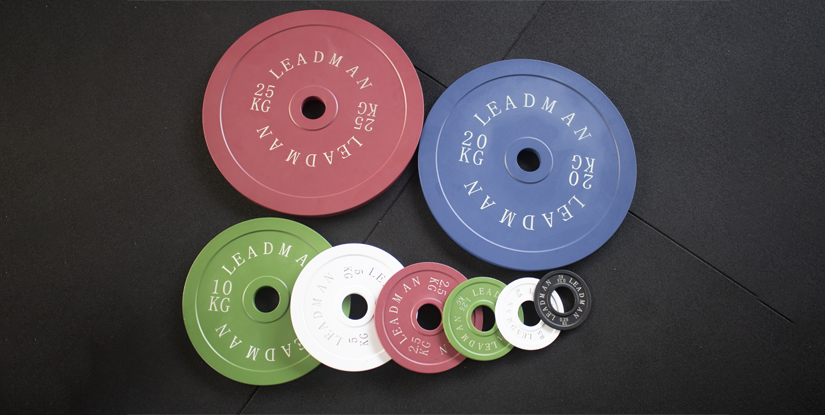
Selecting High-Density 15Kg Rubber Plates for Commercial Use
Selecting the correct weight increments is a fundamental decision for facility managers and strength coaches. While 20kg plates are the standard for heavy lifting, the 15Kg Rubber Plates serve as a critical transitional weight, bridging the gap between moderate hypertrophy training and maximal strength attempts. Choosing the wrong density or construction method can lead to premature wear, uneven bar loading, or even structural damage to your barbell.
Material Composition and Impact Resistance
When evaluating 15kg increments, the primary concern is the ratio of high-density rubber to the internal steel core. A low-quality plate often utilizes recycled rubber with inconsistent density, which leads to 'bounce' or uneven weight distribution. Professional-grade equipment typically utilizes virgin rubber or high-grade recycled crumb that offers a predictable coefficient of restitution. This ensures that when a barbell is dropped, the energy dissipation is controlled and predictable.
Comparing Plate Types for Variable Training Needs
Before committing to a bulk purchase, operators must decide between bumper-style construction and hybrid iron-core designs. The following table outlines the technical trade-offs relevant to facility planning.
| Feature | Full Rubber Bumper Style | Hybrid Rubber-Coated Steel |
|---|---|---|
| Impact Absorption | Maximum; ideal for Olympic lifting | Moderate; better for standard lifting |
| Durability | High resistance to cracking | High resistance to surface denting |
| Precision Tolerance | Slightly lower weight precision | Very high weight precision |
| Barbell Protection | Superior; minimal damage to sleeves | Standard; moderate impact protection |
Understanding these material nuances allows for a more informed procurement process. Once the material standard is established, the next logical step is understanding how these plates interact with your existing barbell inventory.
Technical Specifications and Barbell Compatibility
The structural integrity of your lifting sessions depends on how well your 15Kg Rubber Plates interface with the barbell sleeve. A common failure mode in strength facilities is the 'wobble effect,' where plates of inconsistent thickness create uneven loading across the bar.
Standardized Inner Diameter Requirements
A professional 15kg plate must adhere to strict dimensional tolerances. The central hole diameter (the bore) should be precisely engineered to ensure a snug fit on standard 50mm Olympic barbells. If the bore is too wide, the plate will shift during explosive movements, creating centrifugal imbalances. Conversely, a bore that is too tight can create excessive friction, making it difficult to slide weights on and off during high-volume sessions.
Tolerance and Weight Deviation Benchmarks
Operators should verify weight accuracy through periodic calibration. In high-end commercial environments, a weight deviation of more than 1% to 2% is often considered unacceptable for professional competition-grade training. Use the following checklist to verify plate quality during initial receipt:
- Visual Inspection: Check for air bubbles or voids in the rubber surface.
- Dimensional Accuracy: Measure the thickness to ensure uniformity across the set.
- Bore Centricity: Verify the hole is perfectly centered to prevent off-center loading.
- Mass Verification: Weigh a sample of 5 plates on a calibrated scale to check for deviation.
Verifying these tolerances ensures that the equipment behaves predictably under load. Having confirmed the physical specs, the focus must shift toward the environmental factors that affect long-term durability.
Environmental Resilience and Material Degradation
The lifespan of your rubberized equipment is directly influenced by the storage and usage environment. Unlike iron plates, rubber-encased weights are susceptible to temperature fluctuations and chemical exposure, which can alter their physical properties over time.
The Impact of Temperature Fluctuations
Extreme temperature shifts can cause the rubber to expand or contract at a different rate than the internal steel ring. In unheated garages or outdoor training areas, this thermal differential can lead to 'de-lamination,' where the rubber begins to peel away from the steel core. This not only ruins the aesthetics but also presents a significant safety hazard during heavy lifts.
Chemical Sensitivity and Cleaning Protocols
A frequent mistake made by facility staff is using harsh industrial degreasers or solvent-based cleaners on rubber surfaces. These chemicals can strip the essential oils from the rubber, leading to cracking, brittness, and surface degradation. To maintain the integrity of the plates, always use a neutral pH cleaner or a simple damp microfiber cloth.
| Cleaning Agent Type | Recommended Use | Risk Factor |
|---|---|---|
| Neutral pH Soap/Water | Daily maintenance; highly recommended | None; very safe |
| Water-Based Sanitizer | Occasional disinfection | Minimal; check for residue |
| Industrial Solvent/Degreaser | Forbidden | High; causes rubber cracking |
| Petroleum-Based Polish | Forbidden | Very High; degrades material structure |
By following strict cleaning and storage protocols, you significantly extend the return on investment for your equipment. Maintaining these surfaces is the first step in a broader maintenance cycle that includes regular inspection of the loading mechanism.
Explore the complete technical specifications:
Rubber Plates Set: Bumper vs Coated Iron, Tolerance & Inclusions
Routine Maintenance and Load Inspection Cycles
Effective management of a training facility requires a proactive rather than a reactive maintenance stance. This means moving beyond simple cleaning to include structural and mechanical checks of your weight sets.
Identifying Early Signs of Wear and Tear
Operators should implement a routine inspection schedule to catch issues before they become dangerous. Common signs of degradation in 15kg plates include surface pitting, edge fraying, or a noticeable change in the 'bounce' during dropped sets. If a plate begins to exhibit irregular vibration when loaded, it is time for a deeper investigation into the internal core stability.
The Loading and Unloading Protocol
The way plates are handled by users is the single greatest variable in equipment longevity. To minimize wear, staff should instruct users on proper loading techniques. A common error is dropping the barbell from a height without first checking if the plates are properly seated against the collars. This sudden impact can create micro-fractures in the internal steel ring or cause the rubber to crack upon repeated high-velocity impacts.
Annual Audit and Lifecycle Management
A comprehensive facility audit should include a weight-set inventory and a condition report. This document should track the age of the plates and the frequency of heavy impact training. Documentation allows you to predict when a replacement cycle will be necessary, preventing sudden budgetary shocks.
- Monthly: Inspect for surface cracks and bore centering issues.
- Quarterly: Check for weight consistency and de-lamination.
- Annually: Full inventory audit and material stress assessment.
Consistent monitoring ensures that your equipment remains a reliable asset. As the equipment ages, understanding the specific troubleshooting steps for common weight-related issues becomes essential for operational continuity.
Explore the complete technical specifications:
Olympic Rubber Plates | Bumper Weights for Snatch & Deadlift Training
Troubleshooting Common Operational Discrepancies
Even with the best maintenance, operational discrepancies may arise. Recognizing the cause of these issues allows for rapid resolution and prevents unnecessary equipment replacement.
Addressing Weight Discrepancies and Imbalances
If a user reports that a barbell feels 'unbalanced' or 'lopsided' during a lift, the issue is often not the bar itself but the loading of the plates. An imbalanced load can be caused by several factors. If one 15kg plate is significantly more worn or has more compression than its counterpart, the center of mass will shift.
Standard Troubleshooting Workflow
When an imbalance is reported, follow this logical sequence to identify the root cause:
- Step 1: Swap Plates. Move the suspected plate to the opposite side of the bar. If the imbalance moves with the plate, the plate is the issue.
- Step 2: Inspect the Bore. Check if the plate is sitting flush against the bar collar. Debris or dust in the bore can cause uneven seating.
- Step 3: 15Kg Rubber Plates Inspection. Examine the plate for any visible bends or internal structural shifts.
- Step 4: Verify Barbell Sleeve. Ensure the barbell sleeve is not bent or scored, which could prevent even loading.
Rapid troubleshooting minimizes downtime and maintains user confidence in the facility. As you master these technical nuances, you can better prepare for the long-term evolution of your training environment.
Explore the complete technical specifications:
Olympic Rubber Plate Set | Durable Bumper Plates for Weightlifting & CrossFit
Optimizing Storage for Long-Term Durability
Proper storage is not just about organization; it is a critical component of asset management. The way you store your 15Kg Rubber Plates during off-hours can dictate their structural integrity over a multi-year period.
Vertical vs. Horizontal Storage Strategies
Many facilities opt for vertical plate trees, which are space-efficient. However, if a plate tree is overloaded or tilted, it can cause a slight deformation in the rubber profile over time. Horizontal weight trees are generally more stable but require more floor real estate. When deciding on a storage method, consider the floor's levelness; a non-level floor can cause plates to lean, potentially causing the rubber to compress unevenly on one side.
Managing Humidity and Airflow
High humidity environments can lead to moisture being trapped between the rubber and the metal core. If your facility is in a basement or a high-humidity region, ensure that your storage area has adequate airflow. Stacking plates directly on top of one another in a damp environment can facilitate oxidation of the internal steel ring, which eventually leads to the rubber pulling away from the metal.
| Storage Type | Primary Advantage | Potential Risk |
|---|---|---|
| Vertical Plate Tree | Space efficient; easy access | Potential for uneven compression if tilted |
| Horizontal Weight Rack | Maximum stability; low stress | Occupies significant floor space |
| Wall-Mounted Pegs | Zero floor footprint | Requires high-strength wall anchoring |
By integrating these storage considerations into your daily operations, you protect your equipment from both mechanical and environmental wear, ensuring a long-lasting training environment.
Explore the complete technical specifications:
Olympic Bar vs Standard Bar Weight: 20kg vs 5kg – B2B Procurement Engineering Guide
Long-Term ROI and Procurement Strategy
The ultimate goal of any technical guide is to ensure the longevity of your investment. A high-quality set of weights is a long-term asset that, when managed correctly, provides value for years.
Cost-Per-Use Analysis
When procuring new equipment, do not be swayed solely by the initial purchase price. A lower-cost plate that requires replacement every two years is far more expensive than a premium-grade plate that lasts for a decade. Calculate the cost-per-use by dividing the total lifespan of the product by the expected frequency of use. This metric provides a clearer picture of the true value of high-density rubber options.
Scaling Your Equipment Inventory
As your facility grows, your need for varied weight increments will change. While 15kg plates are excellent for mid-range training, you must eventually integrate them into a larger system of bumper plates and fractional weights. Planning for this scalability ensures that your current purchase fits into a cohesive, long-term equipment roadmap.
By applying these professional standards to selection, maintenance, and troubleshooting, operators can ensure that their training environment remains safe, efficient, and highly productive.