

Selecting the Best Olympic Lifting Barbell for Performance
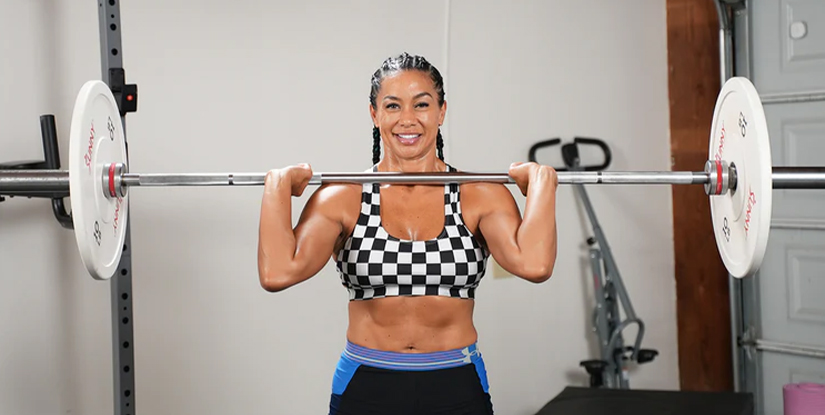
The Hidden Costs of Inferior Barbell Selection
An athlete's primary struggle with Olympic weightlifting often stems not from a lack of technical skill, but from a disconnect between their movement and the tool they are utilizing. When a barbell fails to rotate smoothly or exhibits an inconsistent bend, the result is often a mechanical disruption in the kinetic chain. This disruption leads to more than just missed lifts; it increases the risk of wrist strain and elbow impingement. Identifying the best Olympic lifting barbell requires moving beyond surface-level aesthetics to understand the mechanical requirements of the snatch and the clean and jerk.
A common failure mode in high-volume training environments is the use of a barbell that lacks sufficient whip or exhibits poor knurling texture. When the bar does not respond predictably to the oscillation of the lift, the athlete loses the ability to time the turnover. This mechanical mismatch is frequently caused by suboptimal steel quality or poorly designed sleeve bearings. By understanding these failure modes early, operators and athletes can move toward a selection process based on technical specifications rather than brand popularity. This foundational understanding of mechanical failure leads directly to the critical evaluation of raw material properties.
Core Material Properties and Tensile Strength Standards
To avoid the structural failures discussed previously, one must evaluate the metallurgical properties of the steel used in construction. A barbell is a precision instrument, and its performance is dictated by the relationship between its tensile strength and its elasticity.
The Relationship Between Tensile Strength and Whip
Tensile strength refers to the maximum stress a material can withstand while being stretched or pulled before breaking. In Olympic lifting, we are specifically interested in the bar's ability to return to its original shape after significant deformation. A high-quality bar must possess a high degree of elasticity, often referred to as 'whip.' Without sufficient whip, the bar feels 'dead,' making it difficult to utilize the momentum generated during the second pull of a clean or snatch.
| Property | Standard Requirement | Impact on Performance |
|---|---|---|
| Tens Strength | High (Measured in PSI) | Prevents permanent bending under heavy loads |
| Elasticity (Whip) | Consistent/Predictable | Allows for timing the turnover in heavy lifts |
| Knurling Pattern | Aggressive/Consistent | Ensures secure grip during high-velocity movements |
| Sleeve Rotation | Smooth/High-Speed | Reduces torque on the wrists during transitions |
Operators should look for bars that specify a minimum tensile strength range, as this ensures the tool can handle the dynamic loads inherent in Olympic disciplines. Failing to verify these ranges often results in bars that permanently deform after repeated heavy use. Once the material standards are understood, the next logical step is to examine how that material is shaped into a functional tool.
Mechanical Precision in Sleeve Rotation and Bearing Systems
Even the most resilient steel will fail the athlete if the sleeves do not rotate with precision. As discussed regarding the disruption of the kinetic chain, poor sleeve mechanics are a leading cause of wrist injury. The mechanism of rotation is the most significant differentiator between a standard weightlifting bar and a professional-grade competition barbell.
Bushings vs. Needle Bearings
The choice between bushing and needle bearing systems is a critical decision for any facility manager or serious practitioner. While both systems allow the weights to rotate around the shaft, their mechanical behavior is vastly different. Needle bearings consist of small, cylindrical rollers that offer extremely high-speed, low-friction rotation, which is essential for the rapid transitions found in the snatch. Bushings, conversely, typically utilize bronze or composite sleeves that offer a more dampened, controlled rotation.
- Needle Bearings: Ideal for high-velocity Olympic lifting; provides the smoothest rotation; requires more precise maintenance to prevent bearing seizure.
- Bushings: Better suited for powerlifting or general strength training; offers more stability; less prone to the 'jittery' rotation felt in cheap bearings.
- Common Mistake: Using a bushing-based bar for high-level snatch training, leading to excessive torque on the wrists during the turnover phase.
To verify the quality of the rotation, an operator should spin the loaded sleeves manually; the rotation should be fluid and consistent without any perceptible 'stuttering' or resistance. Proper sleeve performance is the prerequisite for advanced grip and shaft specifications.
Explore the complete technical specifications:
Cluster Bumper Plates: Durable Urethane Plates for Olympic Lifting
Shaft Diameter and Knurling Texture Optimization
Having established the importance of rotation, we must now focus on the contact points: the shaft diameter and the knurling. The interface between the athlete's hands and the steel determines the stability of the grip throughout the complex movements of the Olympic lifts.
Standardized Diameters for Gender and Discipline
A frequent error in equipment procurement is the purchase of a single bar type for all lifting scenarios. For Olympic lifting, the shaft diameter is a non-negotiable specification. For men, the standard is typically 28mm, which provides the necessary whip and allows for a deeper grip. For women, a 25mm shaft is standard, facilitating a more manageable grip and enhanced whip for different hand sizes. Using a 28mm bar for women's competition training can lead to technical inefficiencies and grip fatigue.
Knurling: The Science of Friction
Knurling is not merely a decorative texture; it is a functional engagement surface. The 'sharpness' or 'aggressiveness' of the knurling determines how much friction is generated between the skin and the bar. High-level athletes require aggressive knurling to prevent the bar from sliding during the heavy cleans or snatches. However, overly aggressive knurling can cause skin abrasions and blistering if the material is not high-grade steel.When inspecting a potential purchase, one should run a thumb across the knurling to feel the bite. If the knurling feels 'soft' or 'round,' it will likely fail under heavy, sweaty conditions. This mechanical interface leads us to the final piece of the technical puzzle: the shaft's ability to bend and recover.
Explore the complete technical specifications:
Bumper Plates Guide | Rubber & Urethane Weights for Olympic Lifting
Elasticity and the Criticality of Whip Management
As previously established, the ability of the barbell to oscillate is what defines the 'feel' of an Olympic lift. This characteristic, known as whip, is the result of the bar's elastic deformation under load. A bar that lacks the ability to bend and snap back will significantly hinder an athlete'ę ability to time their lifts.
Identifying 'Dead' vs. 'Live' Bars
A 'dead' bar is one that stays rigid regardless of the load. This is often caused by poor steel tempering or an incorrect shaft diameter. A 'live' bar, or a high-quality competition bar, allows the athlete to use the oscillation to assist in the lift. For example, during the transition from the pull to the catch in a clean, a well-timed whip can help the athlete reach the upright position more efficiently.
| Scenario | Effect of Low Whip (Dead Bar) | Effect of Optimized Whip (Live Bar) |
|---|---|---|
| The Second Pull | Movement feels heavy and static; timing is difficult. | Bar provides upward momentum during the extension. |
| The Catch Phase | Impact of weight is jarring; high risk of wrist/elbow shock. | Bar absorbs and redistiously distributes energy. |
| High Volume Training | Increased muscle fatigue due to lack of kinetic assistance. | Maintains technical rhythm and smooths out repetitions. |
Verification of whip can be done by loading the bar with moderate weight and performing a series of rapid movements to observe the oscillation frequency. If the bar remains stiff, the material quality is likely insufficient for professional competition. Once the bar's elastic profile is confirmed, the focus shifts to long-term maintenance and inspection.
Explore the complete technical specifications:
Weight Lifting Barbell: Tensile Strength, Knurling Depth & Whip
Preventative Maintenance and Inspection Protocols
Even the most durable equipment requires a structured maintenance regimen to ensure longevity and safety. A failure to inspect the bar regularly can lead to undetected structural fatigue, which is a significant safety hazard in a training environment.
Routine Inspection Checklist for Operators
Facility managers should implement a tiered inspection system to catch issues before they become catastrophic. A bar that appears functional during a lift might actually have a microscopic crack or a bearing issue that will fail under heavier loads.
- Daily Visual Check: Inspect for visible rust, knurling wear, or sleeve debris.
- Weekly Rotation Test: Spin the sleeves with a moderate load to check for friction or unevenness.
- Monthly Bend Test: Check for permanent deformation (bending) by laying the bar on a flat surface and checking for straightness.
- Quarterly Bearing Inspection: Listen for grinding or clicking sounds during rotation, which indicates bearing failure.
A common mistake is neglecting the knurling during cleaning. Using harsh chemicals or abrasive tools can strip the texture, effectively ruining the bar's grip. Always use a damp cloth and mild soap to maintain the surface integrity. Maintaining these standards ensures the best Olympic lifting barbell remains a reliable tool for years.
Explore the complete technical specifications:
Olympic Fitness Equipment: Competition Specifications and Facility Guide
Troubleshooting Common Performance Issues
When an athlete reports a 'bad feel' in the bar, the operator must distinguish between a technical issue and an equipment defect. Troubleshooting requires a systematic approach to isolate the variable causing the perceived failure.
Diagnostic Workflow for Barbell Anomalies
If a bar is perceived to be 'unbalanced' or 'jittery,' follow this diagnostic path:
- Check the Load: Are the plates seated correctly on the sleeves? An uneven weight distribution can mimic a bad bar.
- Check the Rotation: Spin the bar without plates. If there is resistance, the bearing or bushing system is failing.
- Check the Straightness: Place the bar on a flat floor and observe from both ends. If it wobbles, the shaft is bent.
- Check the Grip: If the bar is slipping, inspect the knurling for smoothing or oil buildup.
By following this logical progression, an operator can avoid unnecessary returns or replacements by identifying if the issue is actually the barbell or a secondary factor like plate quality or loading error. After troubleshooting, the final step is to ensure a long-term procurement strategy that avoids these pitfalls.
Establishing a Procurement Standard for High-Performance Facilities
Selecting the right equipment is a long-term investment. A facility's reputation and an athlete's progress are directly tied to the reliability of their tools. Therefore, the final stage of the selection process is the creation of a standardized procurement document.
Key Parameters for Bulk Ordering
When purchasing for a facility, do not rely on descriptions like 'professional' or 'heavy-duty.' Instead, demand specific technical data. A professional procurement list should include the following metrics:
- Steel Tensile Strength: (e.g., 190,000+ PSI)
- Shaft Diameter: (28mm for Men/Standard, 25mm for Women)
- Bearing Type: (Needle Bearings for competition, Bushings for general use)
- Knurling Specification: (Aggressive, consistent pattern)
- Weight Tolerance: (Ensure it meets standard weight requirements within a tiny margin)
By demanding these specificities, you ensure that the equipment arriving at your facility is truly the best Olympic lifting barbell for your specific needs. This rigorous approach to selection, maintenance, and troubleshooting forms the backbone of a high-performance training environment.