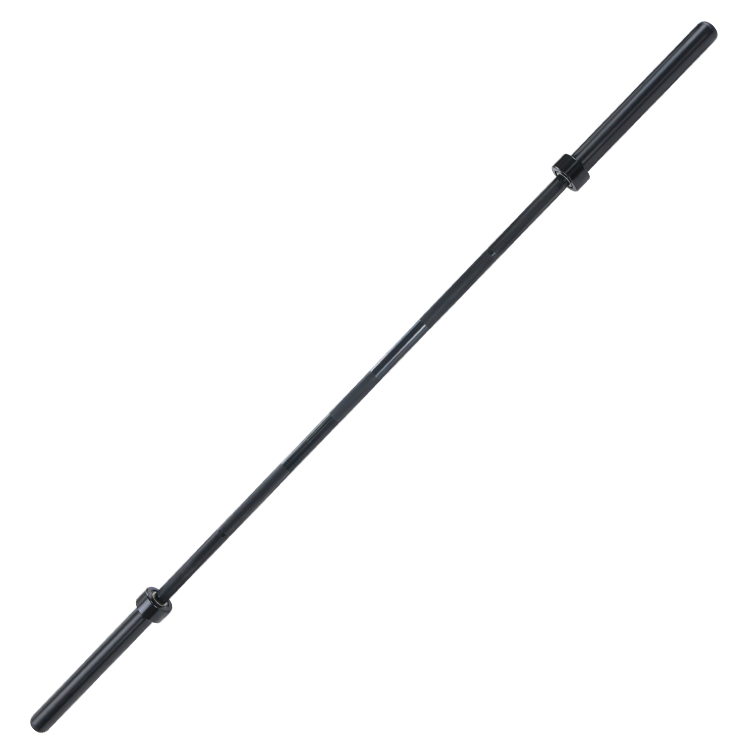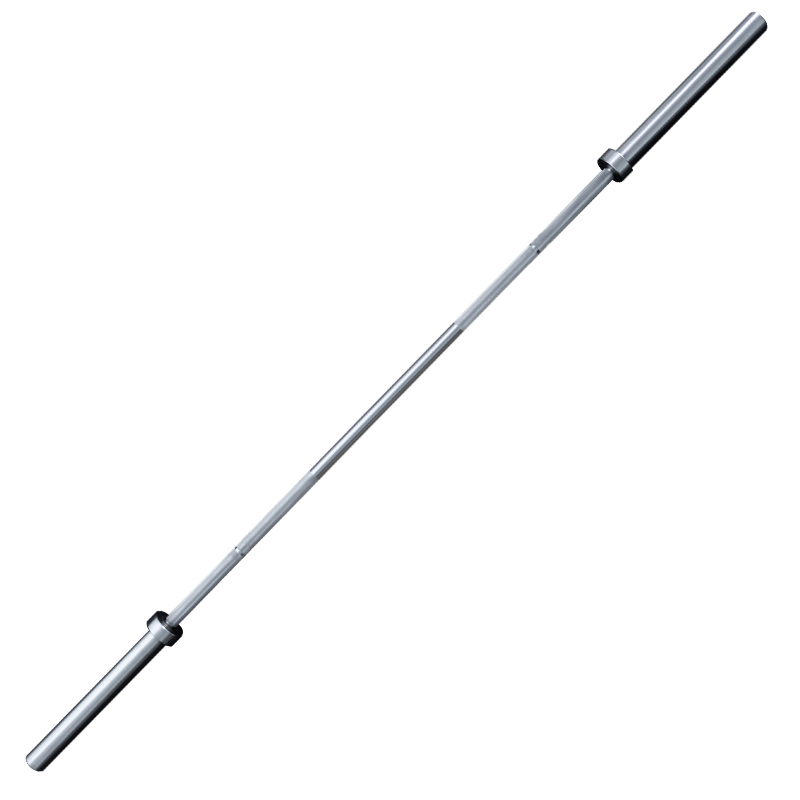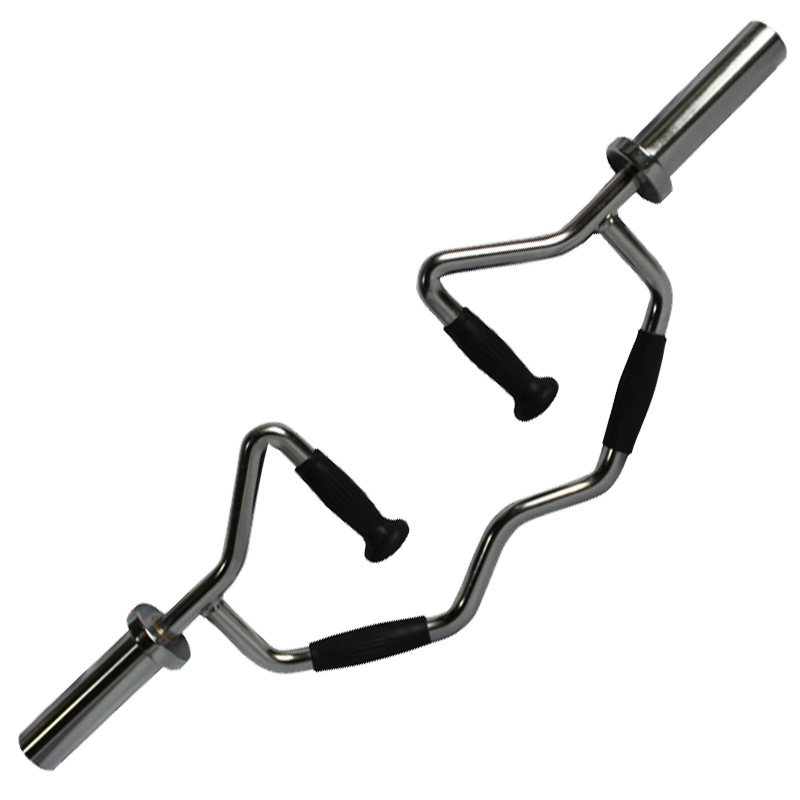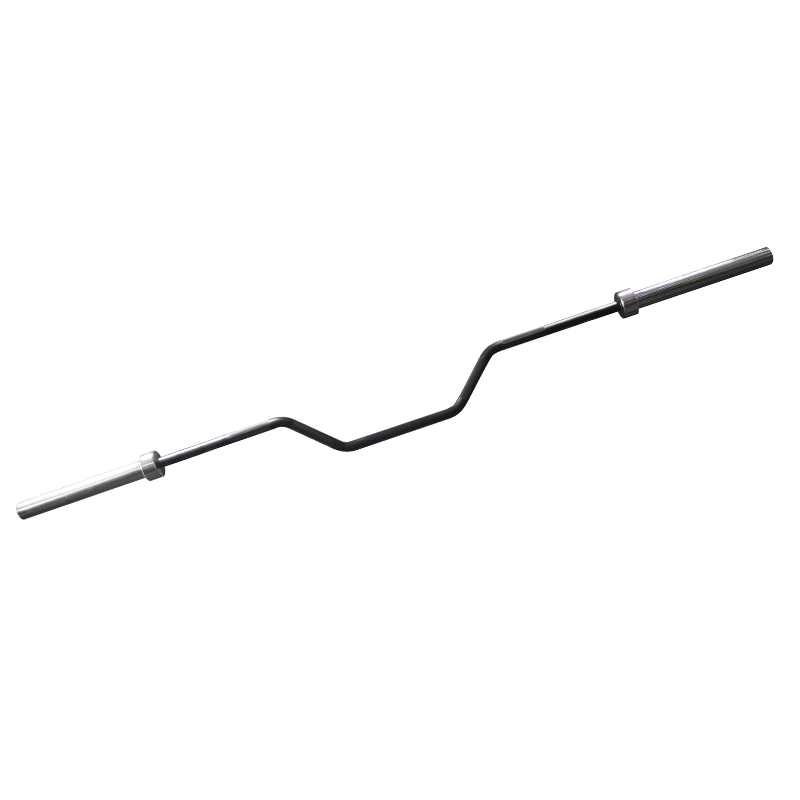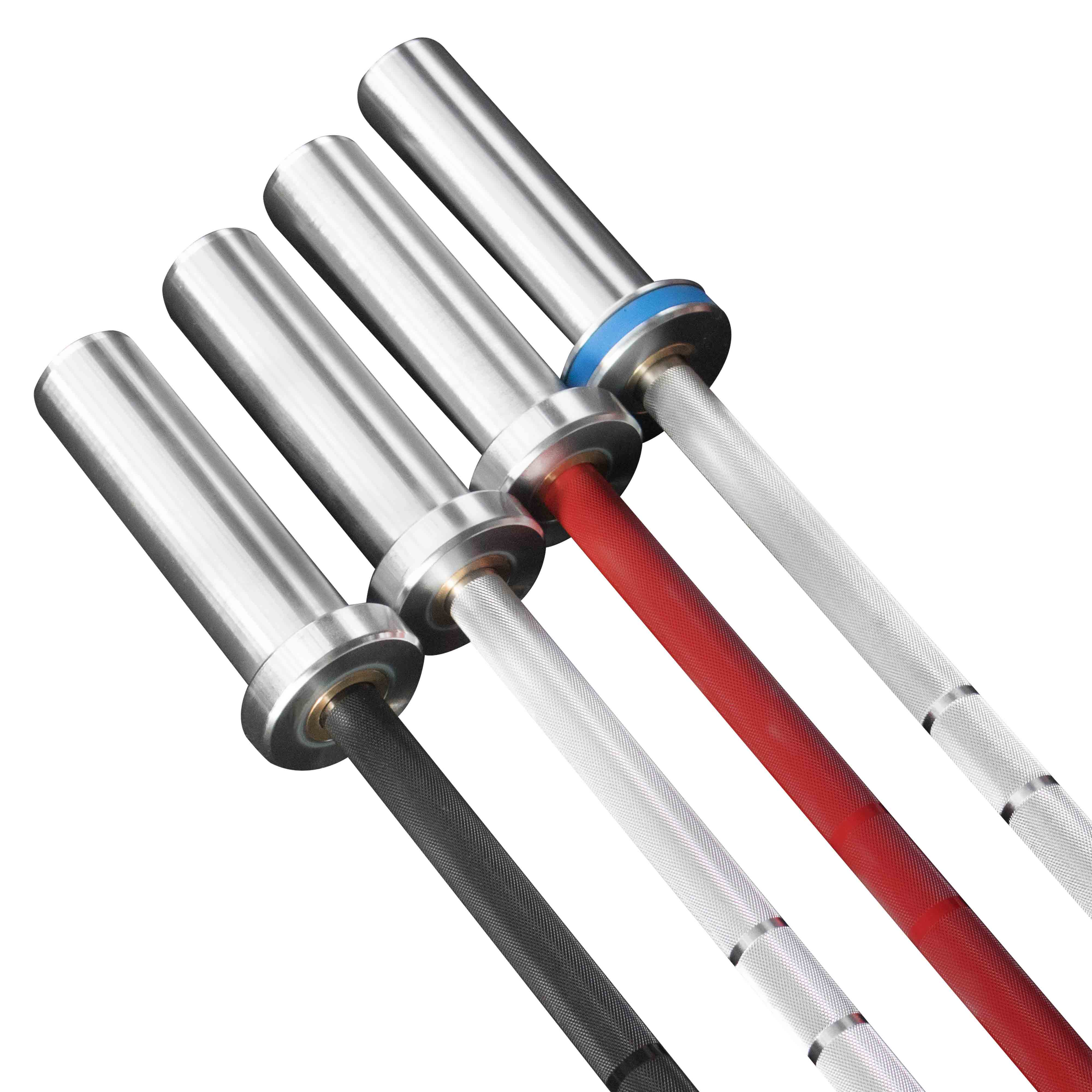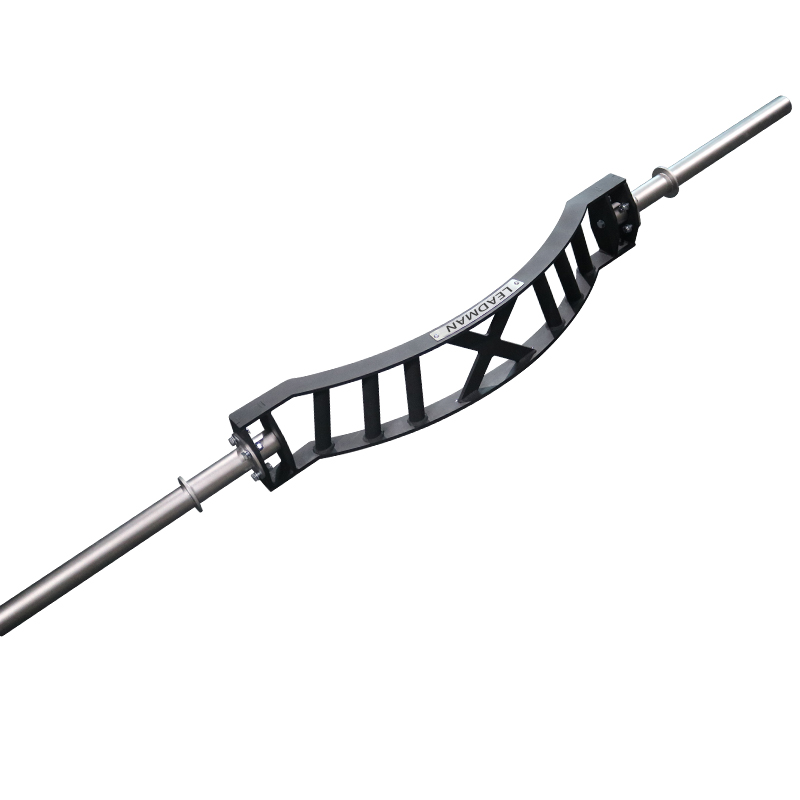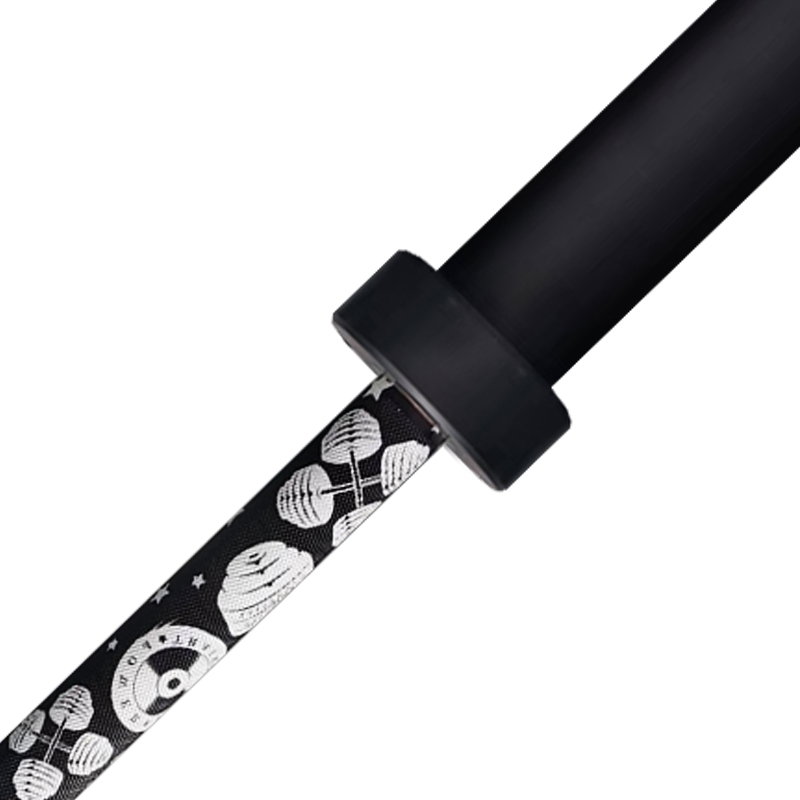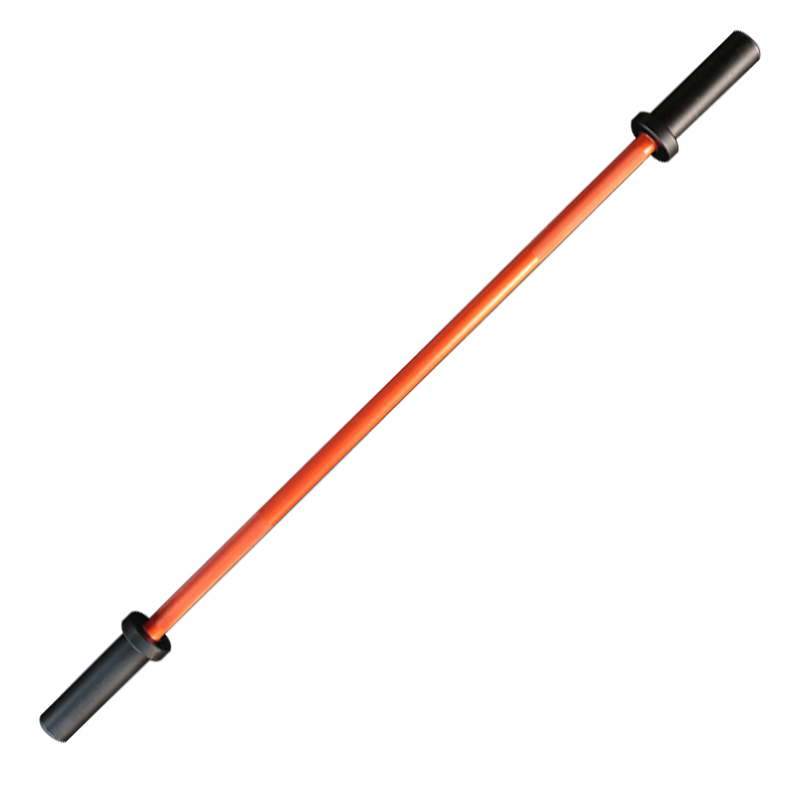
A weight lifting barbell is the foundational tool for strength training, distinct from general fitness or technique bars through specific engineering parameters: tensile strength (190,000-215,000 PSI for serious use), knurling pattern (aggressive depth for powerlifting, moderate for Olympic lifting), and whip characteristics (controlled flexibility for dynamic lifts, stiffness for maximal pulls). Unlike cheap chrome bars found in big-box stores, purpose-built weight lifting barbells undergo heat treatment, centerless grinding, and precise straightness certification.
The critical performance metric for a weight lifting barbell is tensile strength and yield point relationship. A bar rated at 190,000 PSI tensile can withstand 190,000 pounds per square inch before breaking, but the yield point—where permanent bending begins—is typically 20-30% lower. Quality manufacturers specify both figures. Low-end bars (120,000-150,000 PSI) begin taking a permanent set under 300-400 lbs, becoming unusable for squats or deadlifts within months. Premium bars maintain straightness through 700-1,000+ lb loads indefinitely when not abused.
Industry data from equipment testing labs shows that knurling consistency and passive coating separate competition-grade bars from consumer models. High-end weight lifting barbells use deep, volcano-style knurling with 1.5-2.0mm peak-to-valley depth, applied via CNC machining for uniform pattern across the entire knurl area. Budget bars use rolled or pressed knurling that wears smooth within 6-12 months. For coating, hard chrome offers the best balance of corrosion resistance and consistent grip; cerakote adds chemical resistance but changes knurling feel; bare steel with oil finish provides the raw grip preferred by powerlifters but requires daily maintenance to prevent rust.
For buyers selecting a weight lifting barbell, match the bar's characteristics to your training style. Powerlifting bars feature center knurling, stiffer shafts, 29mm diameter, and IPF or USAPL certification markings. Olympic weightlifting bars have no center knurling, more whip (elastic deformation), 28mm diameter, and faster spin via bearings or bushings. Deadlift bars offer extreme whip, aggressive knurling, and longer 27mm shafts. Multipurpose bars compromise on specialized traits but suit general fitness facilities. Always verify straightness warranty—premium bars guarantee less than 0.5mm variance over 1500mm length. Test the bar's spin mechanism: bronze bushings (durable, less spin) for powerlifting; needle bearings (faster spin, more maintenance) for Olympic lifting. Finally, consider center knurling—essential for squat grip security, painful for clean and front squat rack positions. Choose accordingly.
Let our experts design the perfect gym solution for your business. Get a free consultation and quote today.