

Optimizing Procurement: A Technical Guide to Weight Plate Manufacturers
Raw Material Selection and Metallurgical Foundations
The lifecycle of a high-quality weight plate begins long before the casting or pressing phase. For procurement professionals and gym facility operators, understanding the raw material inputs is the first line of defense against inconsistent weight increments and premature structural failure. The primary challenge in selecting Weight Plate Manufacturers is often the lack of transparency regarding the metallurgical composition of the base metal, which can lead to density variations and surface oxidation issues.
Iron and Steel Casting Standards
Most industrial-grade plates are manufactured using either cast iron or high-carbon steel. Cast iron offers superior durability and a classic aesthetic but is inherently brittle, meaning it can crack under extreme impact if the cooling process is not strictly controlled. Steel plates, conversely, offer higher impact resistance and are often preferred for high-intensity training environments. When evaluating suppliers, it is critical to verify if they use recycled scrap metal or virgin iron, as the impurity levels in scrap can significantly affect the consistency of the final product's weight and density.
Rubber and Polyurethane Encapsulation
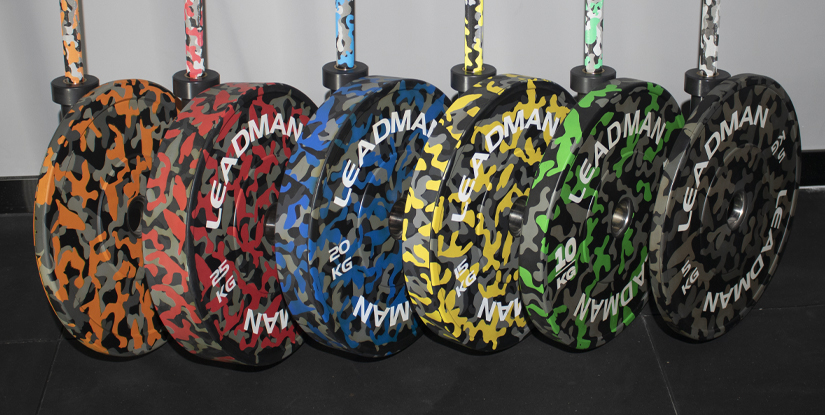
For bumper plates, the core material (typically high-density polyethylene or rubber) must be compatible with the outer shell to prevent delamination. A common failure mode in low-tier manufacturing is the separation of the rubber from the inner core due to improper bonding or thermal expansion differentials. Professionals should look for manufacturers that utilize advanced injection molding or advanced vulcanization processes to ensure a monolithic structure. This structural integrity prevents the 'dead bounce' or catastrophic shattering often seen in sub-standard bumper plates.
| Material Type | Primary Advantage | Common Failure Mode | Ideal Use Case |
|---|---|---|---|
| Cast Iron | High density, cost-effective | Brittleness under impact | Standard commercial gyms |
| Steel (Machined) | Precision weight, slim profile | Oxidation/Rust vulnerability | Powerlifting/Specialized training |
| Rubber/Bumper | Impact absorption, durability | Core delamination | CrossFit/High-intensity facilities |
Understanding these material nuances ensures that the base layer of your equipment is fundamentally sound. Once the material selection and core construction are finalized, the focus must shift toward the actual shaping and precision machining processes.
Precision Casting and Forging Processes
Transitioning from raw material to a shaped object requires high-precision manufacturing environments. The secondary phase of production involves the transformation of metal or polymers into specific geometries, a stage where technical error frequently results in non-compliance with weight tolerances. A failure to control temperature or pressure during this phase results in plates that are either too thick or too thin for their designated weight, causing significant operational headaches for facility owners.
Sand Casting vs. Die Casting Techniques
Sand casting is the industry standard for large-scale, traditional cast iron plates. It allows for intricate embossed designs and branding but carries a higher risk of surface porosity—tiny holes that can collect moisture and lead to rust. Die casting, while more precise and capable of producing much smoother finishes, is generally more expensive and limited to specific metal/polymer combinations. When auditing a manufacturer, ask about their control over the sand-mold density, as this directly correlates to the surface finish and long-term durability of the plate.
CNC Machining and Tolerance Management
For premium steel or precision-weight plates, the casting or forging process is merely the precursor to CNC (Computer Numerical Control) machining. This is where the central bore—the hole where the barbell sits—is cut to exact dimensions. A common technical pitfall is a 'loose fit' or an 'over-tight fit' caused by poor tolerance control. A professional-grade plate should maintain a tolerance range of no more than +/- 1% to 2% of its total weight, and the central bore must be perfectly concentric to prevent uneven wear on barbells. High-quality manufacturers utilize automated measurement systems to ensure every single unit meets these exact dimensional specifications.
Verification Checklist for Manufacturing Precision
- Bore Concentricity: Ensure the center hole is centered within the mass of the plate.
- Thickness Consistency: Verify that plates of the same weight have identical thicknesses to allow for balanced bar loading.
- Surface Uniformity: Check for voids, pits, or unevenness in the metal or rubber shell.
Precise machining guarantees that the plates will function predictably on a barbell, but the physical integrity of the plate relies heavily on the subsequent surface treatment and finishing stages.
Surface Treatment and Corrosion Resistance Protocols
The final physical stage of the manufacturing lifecycle involves protecting the material from environmental degradation. Even the most perfectly cast plate will fail prematurely if the surface treatment is inadequate. In humid gym environments or high-traffic commercial settings, oxidation is the most frequent enemy of equipment longevity. This section outlines how professional-grade finishing prevents the common problem of rust and cosmetic degradation.
Powder Coating and Electrostatic Application
Most modern weight plates utilize powder coating rather than traditional liquid paint. Powder coating involves applying a dry electrostatic charge to the metal, which is then baked in an oven to create a hard, durable finish. This process is superior because it creates a much denser barrier against moisture. A common mistake in lower-tier manufacturing is applying thin, uneven layers of paint that chip easily upon impact. A high-quality powder coating should feel smooth, show no signs of bubbling, and adhere tightly to the edges of the plate.
Galvanization and Protective Coatings
For cast iron plates, manufacturers may use galvanization or specialized oil-based treatments to prevent rust. While a light coating of oil is a temporary fix, true industrial-grade protection comes from chemical passivation or zinc plating. If a manufacturer lacks a formal coating protocol, the equipment will likely show signs of rust within months of deployment in a non-climate-controlled environment. Professionals should request technical data sheets (TDS) for the coatings used to verify the chemical resistance and durability of the finish.
| Coating Method | Durability Level | Requirement for Verification |
|---|---|---|
| Liquid Paint | Low | Check for chipping and peeling under light impact |
| Powder Coating | High | Inspect for thickness uniformity and edge coverage |
| Zinc Plating | Very High | Verify corrosion resistance in high-humidity tests |
Effective surface treatment ensures that the plates remain aesthetically pleasing and structurally sound for years. With the finish secured, the focus naturally turns to the rigorous quality control steps required before a product leaves the factory floor.
Explore the complete technical specifications:
Final Inspection and Quality Assurance Thresholds
The final stage of the manufacturing cycle is the most critical for the end-user: the quality control (QC) gate. This is the point where many Weight Plate Manufacturers fail by prioritizing throughput over precision. Without a rigorous inspection cadence, a batch of plates can easily pass through the factory with inconsistent weights, which can ruin the calibration of a professional barbell and the user experience in a commercial facility.
Weight Verification and Calibration Standards
The most fundamental check is the weight calibration. A professional manufacturing line should utilize high-precision digital scales that are regularly calibrated against a standard weight. The standard for high-end commercial plates is a tolerance of less than 1% deviation from the stated weight. A common red flag is receiving a shipment where 20kg plates vary by as much as 500 grams from one another. This inconsistency makes it impossible for athletes to track precise progressive overload, a critical requirement for professional training.
Structural Integrity and Impact Testing
Beyond weight, the physical durability must be tested through drop tests and impact analysis. For bumper plates, this involves dropping the plate from a set height onto a concrete or standard landing surface to ensure it does not crack, shatter, or exhibit excessive 'dead bounce.' For cast iron, the test focuses on ensuring there are no structural cracks or surface fractures. A manufacturer that can provide data or documentation on their impact testing protocols is significantly more reliable than one that relies solely on visual inspection.
Automated vs. Manual Inspection Methods
While manual checks are a part of the process, top-tier manufacturers integrate automated inspection technology. This includes laser-guided thickness measurement and automated vision systems to detect surface defects that the human eye might miss. Manual inspection is prone to human error and fatigue, whereas automated systems ensure that every plate in a production run is subjected to the same standard of scrutiny. When selecting a partner, ask if their QC process is documented and if they use automated measurement tools for diameter and weight verification.
Following a rigorous inspection process ensures that only high-performance equipment reaches the client. This finality in production leads us to the operational side of the lifecycle: how these plates are deployed and maintained in the long term.
Explore the complete technical specifications:
Logistics and Global Distribution Standards
Once the plates pass through the final QC gate, the logistical phase begins. For large-scale procurement, the transition from factory to facility is a critical stage where damage can occur if the packaging and transport protocols are not strictly followed. High-quality Weight Plate Manufacturers implement specific packaging standards to protect both the structural integrity and the aesthetic finish of the plates during transit.
Packaging Engineering and Transit Protection
A common failure mode in global shipping is the damage caused by friction and vibration. For cast iron plates, heavy-duty corrugated boxes or custom-fitted pallets are essential. If plates are shipped without adequate dividers, the constant vibration during ocean or truck transport can lead to 'clinking' damage, causing micro-fractures in the powder coating or even structural chips. Professionals should look for manufacturers that use high-density foam inserts or reinforced edge protection to mitigate these risks. A well-packaged shipment should arrive with no visible scuffs or surface imperfections on the edges.
Inventory Management and Batch Tracking
Effective procurement requires more than just receiving a shipment; it requires the ability to track batches for quality assurance. Top-tier manufacturers utilize batch-coding systems where every production run is assigned a unique identifier. This allows facility managers to trace any potential defect back to a specific production date or raw material batch. If a specific batch of bumper plates exhibits unexpected hardness or weight variation, a batch-tracking system enables the facility to identify and isolate the problematic equipment immediately. We recommend asking suppliers for their batch-tracking capabilities during the RFQ (Request for Quotation) stage.
Dimensional Compliance in Bulk Shipping
When ordering large volumes, the volume of the shipment (CBM) must be calculated precisely to avoid unexpected freight costs. A mistake in calculating the total volume of a weight plate shipment can lead to significant logistical delays. Manufacturers should provide clear dimensional data, including the total weight per pallet and the outer dimensions of the shipping units. This transparency allows procurement officers to optimize container space and plan for unloading equipment, such as forklifts or heavy-duty pallet jacks, at the receiving facility.
Navigating the complexities of shipping ensures that the precision achieved during manufacturing is preserved until the product hits the gym floor. However, the journey is not truly over once the shipment arrives; the final stage of the lifecycle involves long-term operational management.
Explore the complete technical specifications:
Commercial Barbell Plate Rack | Durable Gym Storage Solution
Operational Lifecycle: Deployment and Maintenance
Once the manufacturing process is complete and the plates have passed all quality gates, the focus shifts to the operational phase. A plate's lifecycle is not just about how it was made, but how it is handled, stored, and maintained once it reaches the gym floor. Proper deployment and a consistent maintenance schedule are essential to maximizing the return on investment (ROI) for gym owners and facility managers.
Optimal Storage and Environmental Control
Even with high-quality surface treatments, the environment plays a massive role in the longevity of weight plates. Storing plates in damp or unconditioned spaces can lead to moisture ingress, especially in the central bore, which can cause internal corrosion. We recommend that facilities maintain a stable temperature and humidity level. If plates are stored outdoors or in semi-exposed areas, they should be protected by heavy-duty covers to prevent direct contact with rain and excessive UV exposure, which can degrade rubber coatings over time.
Standardized Maintenance and Inspection Cadence
A successful maintenance strategy involves a two-tiered approach: routine cleaning and periodic structural inspections. For rubber-coated plates, a simple wipe-down with a damp cloth is usually sufficient, but avoiding harsh chemical solvents is critical, as these can degrade the polymer bonds. For cast iron and steel, periodic checks for rust and the application of a thin layer of protective oil can extend the lifespan of the product. Most importantly, facility managers should implement a monthly visual inspection for physical damage and a semi-annual weight verification check to ensure compliance with the stated weight specifications.
Long-Term Durability Assessment
To truly understand the longevity of your investment, conduct a long-term durability assessment. This involves tracking the rate of surface wear and any dimensional changes over several years of high-intensity use. If you notice a trend of edge chipping or weight deviation in a specific brand, it may indicate a need to re-evaluate your selection of Weight Plate Manufacturers for future procurement cycles. Maintaining a detailed log of equipment condition and maintenance activities provides the data necessary to make informed, long-term procurement decisions.