

Navigating Quality Standards in Weight Lifting Manufacturers
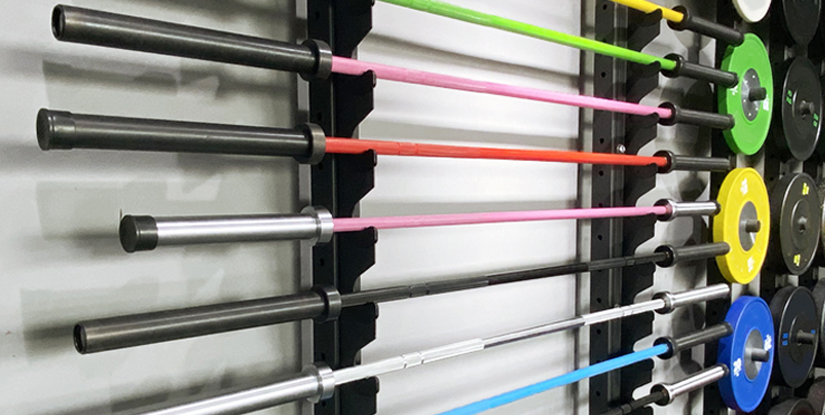
Procurement managers for commercial fitness centers often face a recurring dilemma: how to differentiate between premium-grade equipment and low-cost alternatives that fail under heavy use. The cost of a single structural failure in a high-traffic gym extends beyond the price of a barbell or a rack; it encompasses liability risks, equipment downtime, and compromised athlete safety. Understanding the technical precision of Weight Lifting Manufacturers is the first step in mitigating these operational risks. This guide deconstructs the manufacturing lifecycle of strength equipment, from raw material input to final quality verification, to provide a technical framework for professional buyers.
Material Selection and Metallurgical Integrity
The durability of strength equipment begins long before the first weld is made, rooted in the chemical composition of the raw materials. A common failure in lower-tier production is the use of recycled steel with inconsistent carbon content, leading to brittle fracture points under high-impact loads. Professional-grade manufacturers must maintain strict control over their raw material inputs to ensure dimensional stability and fatigue resistance.
Steel Grades and Tensile Strength Requirements
For heavy-duty equipment like power racks and weight plates, the selection of steel grade is critical. High-carbon steel is often preferred for its strength-to-weight ratio, while low-carbon steel may be utilized for components requiring higher ductility. Buyers should look for documentation regarding the tensile strength of the steel used in structural frames. A mismatch between intended load capacity and actual material strength is a primary cause of structural buckling.
| Material Type | Primary Application | Key Technical Characteristic | Failure Mode if Improperly Selected |
|---|---|---|---|
| Low-Carbon Steel | Dumbbell Shells, Weight Plates | High Ductility | Surface Cracking under temperature shifts |
| High-Tensile Steel | Power Racks, Squat Stands | High Rigidity | Brittle Fracture under high impact |
| Chrome-Molybdenum | Premium Barbells | High Elasticity/Strength | Permanent Deformation (Bending) |
Verifying the metallurgical standards requires requesting material test reports (MTRs) from the supplier. Once the material integrity is established, the focus must shift to how these metals are shaped and joined through precision machining and welding processes.
Precision Engineering and Machining Processes
Once the raw materials are verified, the transition from bulk metal to a functional component involves highly controlled machining. In the production of barbells and plate-loaded equipment, the precision of the central shaft and sleeve diameters determines the rotational smoothness and longevity of the bearing systems.
Tolerance Management in Bearing and Bushing Assemblies
A frequent complaint from commercial operators is the 'jerky' rotation of barbells. This is rarely a maintenance issue and more often a manufacturing defect caused by poor tolerance management in the sleeves. If the clearance between the bearing and the shaft is too tight, friction increases; if too loose, the rotation becomes unstable. Professional Weight Lifting Manufacturers employ CNC (Computer Numerical Control) machining to ensure tolerances within micron-level specifications.
The Impact of Machining on Surface Finishes
Surface finish is not merely an aesthetic choice; it is a functional requirement for grip and corrosion resistance. A rough surface on a barbell handle can cause abrasions, while an overly smooth surface may slip under heavy load. Manufacturers must balance knurling depth with diameter consistency to ensure a standardized user experience.
Effective machining ensures that the physical dimensions of the equipment are consistent across entire production runs. However, even a perfectly machined part can fail if the joining processes—specifically welding and assembly—are not executed with high precision.
Explore the complete technical specifications:
Welding Standards and Structural Integrity Verification
Welding is the most critical stage in the fabrication of heavy lifting racks and benches. A failed weld in a commercial setting is a high-risk event. The strength of a joint is determined by the penetration depth of the weld and the heat-affected zone (HAZ) created during the process. Improperly managed heat can weaken the surrounding steel, creating a localized area of structural vulnerability.
Common Welding Defects in Strength Equipment
When auditing a manufacturer's output, inspectors should look for specific indicators of substandard welding. Undercutting, porosity, and lack of fusion are common defects that might not be visible to the naked eye but can significantly reduce the load-bearing capacity of a rack.
- Porosity: Small gas bubbles trapped in the weld metal, often caused by contaminated surfaces or shielding gas issues.
- Undercutting: A groove melted into the base metal next to the weld toe, which creates a stress concentrator.
- Incomplete Penetration: The weld metal does not reach the full depth of the joint, leaving a structural void.
To mitigate these risks, professional manufacturers utilize automated welding systems and regular non-destructive testing (NDT). This brings us to the necessity of rigorous quality control protocols throughout the entire assembly line.
Explore the complete technical specifications:
Comprehensive Quality Control and Testing Protocols
Quality control (QC) must be an integrated process, not an afterthought. A robust QC system involves testing individual components as well as completed assemblies under simulated operational stress. This prevents the 'cascading failure' effect, where one weak component compromises the entire unit.
Load Testing and Fatigue Cycles
A critical distinction between amateur and professional-grade equipment is the presence of formal load testing. For structural components like squat racks, manufacturers should perform static load tests, where the unit is subjected to several times its rated capacity to ensure a safety margin. Beyond static loads, fatigue testing—subject to repetitive cyclical loading—is essential for determining the long-term durability of the product.
Manufacturer QC Checklist for Procurement Officers:
- Do they provide certifications for steel grade and tensile strength?
- Is there documentation for load-testing protocols on structural frames?
- Are CNC-machined parts subject to dimensional tolerance checks?
- Is non-destructive testing (NDT) used for high-stress weld points?
By verifying these protocols, a buyer can move from a position of uncertainty to one of evidence-based procurement. Once the manufacturing quality is verified, the final step in the lifecycle is understanding how the equipment is protected through coating and finishing.
Explore the complete technical specifications:
Surface Treatments and Corrosion Resistance Strategies
Even the most structurally sound piece of equipment will fail prematurely if the surface treatment is substandard. In commercial gym environments, equipment is often exposed to high humidity, sweat, and frequent cleaning agents. Without proper protection, oxidation will compromise both the aesthetic and the structural integrity of the metal.
Powder Coating vs. Electroplating
The method of applying a finish significantly impacts the durability of the equipment. Powder coating is the industry standard for racks and benches due to its thickness and resistance to chipping. However, for barbells, electroplating (such as chrome or nickel) is necessary to provide a smooth, non-corrosive surface that can withstand constant friction.
| Finish Method | Common Use Case | Durability Profile | Maintenance Requirement |
|---|---|---|---|
| Powder Coating | Racks, Benches, Dumbbell Racks | High impact resistance; thick layer | Low; visual inspection for chips |
| Chrome Plating | Barbells, High-end Dumbbells | Extreme corrosion resistance; smooth | Moderate; periodic wiping to prevent pitting |
| Cerakote/Specialty | Premium/Custom Equipment | High chemical and abrasion resistance | Variable; depends on coating type |
A common mistake during procurement is overlooking the thickness and adhesion strength of these coatings. A poorly adhered powder coat will chip during routine use, exposing the raw steel to oxidation and eventually leading to structural weaknesses. This leads us to the final phase: the long-term maintenance and monitoring of the facility's inventory.
Explore the complete technical specifications:
Understanding Steel Grades | Industrial-Grade Equipment Guide
Operator-Level Maintenance and Lifecycle Management
Despite high-quality manufacturing, even the best equipment requires a structured maintenance regimen. A facility manager's role is to transition from reactive repair to proactive prevention, ensuring that the technical advantages provided by top-tier Weight Lifting Manufacturers are not lost through negligence.
Establishing an Inspection Cadence
A formal inspection cadence is the hallmark of a professionally managed facility. This should not be an annual event but a tiered process involving daily visual checks and quarterly deep-dive inspections. The goal is to identify 'early warning signs'—such as slight wobbles in a rack or a change in the rotation of a barbell—before they become safety hazards.
The Cost of Neglect: A Practical Example
Consider a facility that ignores the signs of minor oxidation on a barbell. The oxidation weakens the plating, leading to moisture penetration into the inner shaft. This eventually causes the bearing mechanism to seize, which can lead to an uneven weight distribution during a lift, potentially causing an acute injury to a client. By investing in a small amount of time for periodic cleaning and lubrication, the operator protects their significant capital investment and reduces liability.
Explore the complete technical specifications:
Logistics and Global Supply Chain Standards
Choosing the right manufacturer isn't just about the metal; it's also about the reliability of the delivery system. In the global market, the logistical chain can introduce risks such as improper handling during transit, which can compromise the precision of calibrated equipment. High-tier Weight Lifting Manufacturers often utilize specialized packaging to ensure that high-tolerance items, like Olympic barbells, are not subjected to extreme vibration or impact during shipping.
Packaging Protocols for Heavy Equipment
For heavy items like weight plate trees or power racks, the packaging must withstand significant vertical pressure. A common mistake is failing to account for 'stacking strength' during long-haul sea freight. If the secondary packaging (the corrugated boxes or wooden crates) is insufficient, the crushing force of stacked containers can lead to deformed edges or even structural warping of the components before they even reach the gym floor.
Successful facility management is a continuous loop of procurement, monitoring, and maintenance. By understanding the deep technical nuances of how strength equipment is produced, operators can make informed decisions that favor long-term reliability over short-term savings.