

Optimizing Performance with Swiss Bumper Plates: A Technical Guide
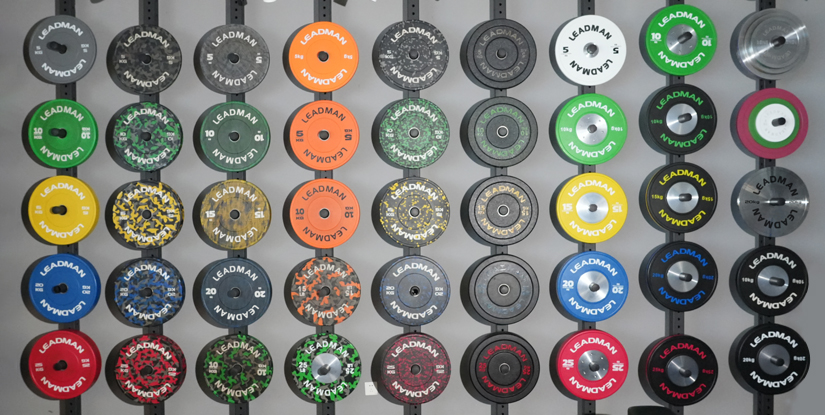
Material Selection and Density Variations in Swiss Bumper Plates
Selecting high-quality weightlifting equipment often begins with understanding the physical properties of the materials involved. One common pain point for facility managers is the rapid degradation of surface integrity in low-grade rubberized weights. This failure is typically caused by inconsistent material density or the use of recycled crumb rubber that lacks structural cohesion. When users drop weights, the impact energy must be absorbed and dissipated through the internal core to prevent cracking or irregular bouncing.
High-performance Swiss Bumper Plates utilize a high-density virgin rubber or a specialized polyurethane shell to ensure consistent shock absorption. Unlike cheaper alternatives that may exhibit uneven weight distribution, premium bumper plates undergo rigorous calibration to maintain a strict tolerance threshold. This ensures that the center of gravity remains stable during high-velocity drops, which is critical for both safety and long-term equipment longevity.
| Material Type | Durability Rating | Typical Use Case | Impact Characteristics |
|---|---|---|---|
| Virgin Rubber | High | High-volume commercial gyms | High shock absorption, low bounce |
| Polyurethane Blend | Extreme | Professional competition/CrossFit | High density, minimal deformation |
| Recycled Rubber | Moderate | Home gyms/Light usage | Higher bounce, potential cracking |
A failure to distinguish between these material grades can result in uneven wear on barbell sleeves. By prioritizing materials with higher density and better elastic memory, operators can significantly reduce the frequency of equipment replacement. Understanding these material nuances provides the necessary foundation for the next critical step: evaluating dimensional accuracy and precision.
Verifying Dimensional Tolerances and Central Bore Precision
Once the material integrity is confirmed, the focus must shift to the mechanical interface between the plate and the barbell. A frequent issue reported by experienced lifters is a 'sloppy' fit, where the plate wobbles or fails to sit flush on the sleeve. This is often caused by imprecise manufacturing of the central bore, leading to a mismatch between the plate diameter and the barbell shaft. Such a mismatch doesn't just cause noise; it can lead to uneven loading and increased stress on the barbell's internal bearings.
The Importance of Concentricity
For professional training environments, the concentricity of the center hole is non-negotiable. If the hole is even slightly off-center, the weight will shift dynamically during movement, creating unpredictable centrifugal forces. Operators should verify the fit by ensuring the plate sits snugly against the barbell sleeve without excessive play. A well-manufactured plate should offer a seamless transition from the barbell shaft to the plate surface.
- Check for Wobble: Ensure the plate does not rock excessively when the barbell is placed on a flat surface.
- Bore Diameter Verification: Use a caliper to measure the inner diameter; it should match standard sleeve specifications (e.g., 50mm for Olympic bars) within a very narrow range.
- Surface Flushness: Confirm that the weight distribution remains balanced across the plate's face.
When the dimensions and the fit are verified, the structural integrity of the plate is better protected during high-impact scenarios. This leads directly to the necessity of analyzing how these plates behave under dynamic stress during actual usage.
Analyzing Impact Dynamics and Shock Absorption Performance
The primary reason for utilizing Swiss Bumper Plates in a training environment is their ability to manage kinetic energy. The core problem occurs when a plate is too rigid, causing a harsh, high-frequency vibration that can travel through the barbell and into the athlete's joints, or conversely, when it is too soft, causing excessive 'chatter' or bouncing upon impact. These behaviors are direct results of the internal density and the elasticity of the outer shell.
To prevent premature damage to flooring and equipment, operators must choose plates with a predictable damping coefficient. A high-quality plate absorbs the majority of the impact energy within the rubber mass itself, rather than reflecting it back through the barbell or into the ground. This reduces the 'rebound effect' that can make heavy lifting dangerous in high-intensity settings.
| Impact Scenario | Problem: Low-Quality Plate | Solution: High-Density Bumper Plate |
|---|---|---|
| Deadlift Drop | High bounce, potential barbell oscillation | Controlled, minimal rebound |
| Clean & Jerk Drop | Significant vibration through the bar | Efficient energy dissipation |
| Floor Impact | High noise, potential floor cracking | Low noise, dampened impact |
Monitoring the bounce height over a standard drop is a practical way to verify the absorption quality. If the plates exhibit an unpredictable or excessive bounce, it is a sign of structural inconsistency or low-grade material density. Managing these impact dynamics is crucial before moving into the essential maintenance and inspection protocols.
Explore the complete technical specifications:
Bumper Plates Per Pound: Cost Analysis, Material Tiers, and Procurement
Standard Inspection Protocols for Facility Safety
Preventative maintenance is the only way to mitigate the risks associated with heavy lifting. As plates undergo thousands of impact cycles, the rubber can develop micro-fissures or the internal ring can become loose. A failure to catch these issues early can result in catastrophic failure during a heavy set. Relying solely on visual checks is a common mistake; a more rigorous approach is required for commercial settings.
Operators should implement a tiered inspection system, moving from visual checks to tactile assessments. This ensures that the structural integrity remains within safe operational parameters. Below is a standard inspection checklist for facility managers:
- Visual Inspection: Look for hairline cracks, surface discoloration, or uneven edges.
- Weight Verification: Periodically check if the plates still meet their rated weight (significant material loss can occur with low-grade rubber).
- Bore Integrity: Check for any signs of the central metal ring becoming loose or deformed.
- Odor/Off-gassing: An excessive chemical smell can indicate low-quality recycled materials or heat-related degradation.
Implementing these checks transforms a reactive maintenance model into a proactive one. However, even with regular inspections, understanding common failure modes is necessary to troubleshoot unexpected issues effectively.
Explore the complete technical specifications:
Cluster Bumper Plates: Durable Urethane Plates for Olympic Lifting
Troubleshooting Common Failure Modes in Bumper Plates
Even with the highest quality Swiss Bumper Plates, certain mechanical failures can occur due to environmental factors or improper usage. A common frustration for operators is the sudden appearance of 'cracked' or 'splitting' plates. This is rarely a manufacturing defect and is more frequently caused by extreme temperature fluctuations or improper storage in high-humidity environments.
When rubber is exposed to extreme cold, it loses its elasticity and becomes brittle. If a heavy impact occurs during a cold snap, the plate is much more likely to crack. Conversely, excessive heat can lead to material softening and permanent deformation. To solve this, facility managers must control the ambient environment of their weight rooms.
Common Failure Identification
Identifying the root cause of a failure allows for better procurement and training decisions. If plates are failing, use the following diagnostic guide:
- Problem: Plate edge chipping.
Cause: Often caused by dropping plates at an angle rather than flat.
Fix: Retrain staff on proper dropping techniques. - Problem: Excessive barbell vibration.
Cause: Mismatched density or worn-out sleeves.
Fix: Replace plates or check barbell bearing health. - Problem: Unpleasant chemical odor.
Cause: Poor ventilation or low-grade recycled content.
Fix: Improve facility ventilation or upgrade to virgin rubber plates.
Once a failure is identified and a fix is implemented, the focus must return to the long-term lifecycle of the equipment. This involves a sophisticated understanding of how to integrate these plates into a professional facility layout.
Explore the complete technical specifications:
45 lb Rubber Bumper Plates | 450mm Diameter Weight Plates for Deadlifts
Optimal Facility Integration and Storage Strategies
The longevity of your equipment is heavily dependent on how it is integrated into your daily operations and how it is stored when not in use. A common mistake in many commercial gyms is the improper stacking of weight plates, which can lead to permanent deformation of the lower plates in a stack. This 'flat-spotting' occurs when the weight of the stack exceeds the material's ability to recover its shape under static load.
To prevent this, plates should be stored in a vertical or slightly angled position, or in specialized plate trees that distribute weight more effectively. Furthermore, the placement of the lifting platform itself is a critical component of the integration process. The platform must be capable of absorbing the energy that the plates do not, ensuring that the foundation of the gym remains stable.
Storage Best Practices
- Avoid High Stacking: Do not stack more than 4-5 bumper plates in a single vertical pile for extended periods.
- Temperature Control: Keep heavy equipment in a climate-controlled area to prevent temperature-induced brittleness or softening.
- Surface Alignment: Ensure weight trees and racks are level to prevent uneven pressure on the plate bores.
A well-organized storage system preserves both the plates and the facility's overall safety profile. By mastering these operational nuances, you ensure that your equipment remains a high-performing asset for years to most demanding users.
Explore the complete technical specifications:
Bumper Plates Guide | Rubber & Urethane Weights for Olympic Lifting
Long-Term Lifecycle and ROI Analysis
Ultimately, the decision to invest in premium Swiss Bumper Plates over cheaper alternatives is a decision about long-term Return on Investment (ROI). While the initial capital expenditure for high-density plates is higher, the total cost of ownership (TCO) is significantly lower due to the reduced frequency of replacement and maintenance. Low-quality plates often require replacement every 12-18 months in high-traffic environments, whereas premium plates can last many years.
When calculating ROI, operators must include the 'hidden costs' of cheap equipment: lost time due to equipment downtime, the cost of replacing damaged flooring, and the potential liability of equipment failure. A premium plate with a predictable lifecycle makes financial forecasting much more accurate for facility owners.
| Metric | Economy Grade Plates | Premium Bumper Plates |
|---|---|---|
| Initial Cost | Low | High |
| Lifespan (High Use) | 12–24 Months | 3–5+ Years |
| Maintenance Frequency | High (Frequent visual/fit checks) | Low (Routine inspections) |
| Floor Protection | Variable (Higher risk) | High (Controlled damping) |
By viewing these plates as long-term assets rather than short-term expenses, operators can build more resilient and profitable training facilities. This concludes our technical deep dive into optimizing your lifting environment through superior equipment selection and management.