

Optimizing Performance with Green Bumper Plates: A Technical Guide
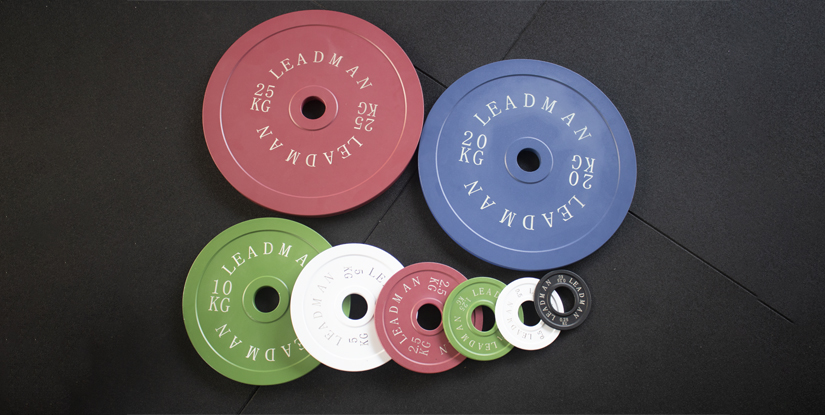
Establishing Selection Criteria for High-Density Bumper Plates
Selecting the appropriate weight discs for a high-impact training environment requires more than a cursory glance at color coding. Professional facility managers often face the dilemma of choosing between high-density rubber compounds and more cost-effective, lighter variations. The primary challenge lies in durability versus price, where an incorrect decision leads to premature material degradation and increased replacement costs. When sourcing Green Bumper Plates, one must evaluate the specific density requirements of the training environment to ensure the long-term structural integrity of the equipment.
Density and Impact Absorption Profiles
High-density plates are engineered to withstand the kinetic energy of heavy drops without significant deformation. In contrast, standard-density plates may offer more 'bounce,' which can be desirable for certain dynamic movements but often results in faster wear on the outer rim. Operators must decide if the priority is absolute impact control or a specific coefficient of restitution (bounce) suited for certain functional training drills.
| Specification Parameter | High-Density Rubber | Standard-Density Rubber |
|---|---|---|
| Impact Coefficient | Lower (Dead Drop) | Moderate (Consistent Bounce) |
| Rim Durability | High (Resistance to Chipping) | Moderate (Prone to Scuffing) |
| Density Range | High (Consistent Weight) | Variable (Higher Tolerance) |
| Primary Use Case | Olympic Weightlifting/Powerlifting | Cross-Training/Functional Fitness |
Determining these density profiles is the first step in procurement. Once the density requirements are established, the focus must shift to the specific dimensional tolerances that ensure a balanced barbell rotation.
Verifying Dimensional Tolerances and Weight Accuracy
A common failure mode in heavy lifting facilities is the presence of 'weight drift,' where the actual mass of a plate differs significantly from its stated value. This issue often arises from inconsistent casting processes during manufacturing. If a set of plates lacks uniformity, it can lead to uneven barbell loading, forcing the lifter to compensate for an unbalanced bar, which significantly increases the risk of injury. Verification of weight accuracy is a critical operational protocol.
Standard Weight Tolerance Thresholds
Professional-grade equipment should adhere to strict tolerance levels. When a facility receives a shipment, operators should implement a sampling protocol to verify accuracy. A common mistake is assuming all plates in a single production run are identical; however, thermal variations during the vulcanization process can lead to subtle discrepancies.
- Ideal Tolerance: Within ±1% to ±2% of the nominal weight.
- Acceptable Commercial Tolerance: Within ±3% to ±5% for non-competitive environments.
- Failure Threshold: Any deviation exceeding ±5% should trigger a return or quality dispute.
Monitoring these discrepancies ensures that training sessions remain standardized. Having verified the accuracy of the mass, the operator must now inspect the physical dimensions to ensure the plates fit the intended barbell diameters correctly.
Critical Dimensions and Center-Hole Integrity
Precision in the center-hole diameter is essential for a secure fit. If the hole is too tight, the plate may become difficult to remove or even get stuck during rapid changes. If it is too loose, the plate will wobble, creating unnecessary vibration and potential damage to the barbell sleeve. This dimensional instability is a direct cause of barbell fatigue and can eventually lead to catastrophic failure of the lifting bar.
The Relationship Between Hole Diameter and Sleeve Wear
The fit between the plate and the barbell sleeve is governed by the interface of the internal diameter (ID) of the plate and the external diameter (OD) of the bar. A well-engineered plate will provide a snug fit that minimizes lateral movement without binding. This is especially critical when using high-performance bearings or bushings in the barbell.
| Component Interface | Requirement | Common Failure Mode |
|---|---|---|
| Plate Inner Diameter (ID) | Slightly larger than bar OD | Binding or stuck plates |
| Barbell Sleeve (OD) | Standardized 50mm | Uneven sleeve wear due to wobble |
| Rim Thickness | Uniform across circumference | Uneven center of gravity |
By maintaining these strict dimensional standards, facilities can extend the lifespan of both their plates and their bars. Proper fitting is a prerequisite for the next stage of the workflow: regular inspection and maintenance.
Explore the complete technical specifications:
Bumper Plates Per Pound: Cost Analysis, Material Tiers, and Procurement
Operational Inspection and Surface Integrity Protocols
Once the equipment is installed and in use, the focus transitions from procurement to routine maintenance. The surface of Green Bumper Plates is subject to constant abrasion and impact. Without a structured inspection cadence, small issues like rim chipping or surface cracks can escalate into full-scale equipment failure. The objective is to identify degradation before it impacts user safety or equipment functionality.
Identifying Surface Degradation and Material Fatigue
Operators should perform a visual and tactile inspection of the bumper plates at least once every two weeks. This prevents the 'hidden' development of cracks that might only become apparent during a heavy drop. Pay close attention to the edges, as these areas sustain the highest stress during a strike.
- Rim Inspection: Check for micro-fractures or material loss at the outer edge.
- Color Uniformity: Observe if the green pigmentation is fading or uneven, which can indicate UV degradation or chemical exposure.
- Odor and Texture: Note any unusual chemical smells or changes in texture that suggest material breakdown.
Identifying these issues early allows for a controlled replacement cycle rather than an emergency outage. Once inspection protocols are established, the operator must understand how to properly clean and store the plates to prevent the issues identified during inspection.
Explore the complete technical specifications:
Cluster Bumper Plates: Durable Urethane Plates for Olympic Lifting
Cleaning Procedures and Environmental Management
The longevity of rubberized equipment is often dictated by how it is treated after use. A frequent mistake in commercial gyms is the use of harsh chemical solvents to clean equipment, which can leach the plasticizers from the rubber, leading to hardening and cracking. Proper maintenance requires a specialized approach to prevent chemical-induced brittleness.
Guidelines for Safe Cleaning and Material Preservation
To maintain the elasticity of the rubber, cleaning should be limited to non-abrasive, pH-neutral solutions. This ensures the surface remains clean without compromising the material's structural properties. Additionally, the environment in which the plates are stored significantly impacts their degradation rate.
- Approved Solvents: Mild soap and water or pH-neutral cleaners.
- Prohibited Substances: Acetone, high-concentration bleach, or petroleum-based degreasers.
- Storage Environment: Keep in a temperature-controlled area away from direct sunlight to prevent UV-induced embrittlement.
Maintaining a controlled environment prevents the material fatigue discussed in the previous section. Beyond cleaning, operators must also be aware of the technical nuances of loading and unloading to preserve the equipment.
Explore the complete technical specifications:
45 lb Rubber Bumper Plates | 450mm Diameter Weight Plates for Deadlifts
Safe Loading and Unloading Mechanics
The mechanical stress placed on both the plates and the bar is at its peak during the loading and unloading process. Improper handling—such as dropping a single plate from a height or slamming a loaded barbell—creates high-frequency vibrations that can damage the internal structural components of the plate. This kinetic abuse is a primary cause of the rim failure identified in earlier sections.
Managing Kinetic Energy During Transitions
The way an athlete or coach handles a loaded barbell dictates the long-term stability of the weight set. To minimize the impact on the plates, transitions should be handled with controlled movements. This is particularly important in high-traffic facilities where multiple users are handling the equipment throughout the day.
- Controlled Loading: Place plates onto the sleeve steadily rather than dropping them from a height.
- Barbell Placement: When setting the bar down, ensure the center of gravity is stable to prevent uneven stress on the plates.
- Weight Distribution: Ensure the total mass on each side of the bar is as equal as possible to prevent torque-induced instability.
Consistent, controlled loading preserves the mechanical integrity of the set. This preservation of form leads naturally to the final considerations of long-term ROI and facility management.
Explore the complete technical specifications:
Bumper Plates Guide | Rubber & Urethane Weights for Olympic Lifting
Long-Term ROI and Lifecycle Management
From a management perspective, the value of Green Bumper Plates is not found in the initial purchase price, but in the total cost of ownership (TCO). Low-cost alternatives often require more frequent replacement cycles due to poor material quality or lack of precision. A strategic approach to procurement emphasizes high-quality density and strict tolerance adherence to maximize the equipment's lifecycle.
Calculating the Value of High-Quality Equipment
A facility manager should look beyond the upfront cost and consider the frequency of replacement. While high-density, precision-engineered plates may carry a premium, their ability to remain functional under heavy use reduces the long-term labor and procurement costs associated with frequent equipment turnover.
| Metric | Budget-Grade Options | Professional-Grade Options |
|---|---|---|
| Replacement Frequency | High (12-24 months) | Low (36-60+ months) |
| Maintenance Labor | Moderate (Constant Inspection) | Low (Scheduled Checks) |
| Impact on Training Consistency | High (Due to Weight Drift) | Negligible (Due to Precision) |
| Total Cost of Ownership | High (Frequent Replacement) | Low (Durability Advantage) |
By prioritizing quality, facilities can ensure a predictable budget and a stable training environment. Understanding these economic factors is the final step in the complete lifecycle of bumper plate management.
Explore the complete technical specifications:
Laoch Bumper Plates: Virgin Rubber, Durometer 85-90 & Hub Retention
Synthesizing Equipment Standards for Excellence
Effective management of weight equipment requires a holistic view that spans from initial selection to end-of-life disposal. By integrating rigorous selection criteria, consistent inspection protocols, and proper environmental controls, operators can mitigate the risks of material failure and ensure a safe training environment. The technical nuances of density, tolerance, and cleaning are not merely details; they are the foundational elements of professional facility operation.
Ultimately, the goal is to maintain a standard of excellence that protects both the equipment and the people using it. Adhering to the technical guidelines provided ensures that the facility remains a high-performance environment with minimal operational downtime.