

How Strength Training Fitness Equipment Builds Member Loyalty Through Reliability and Experience
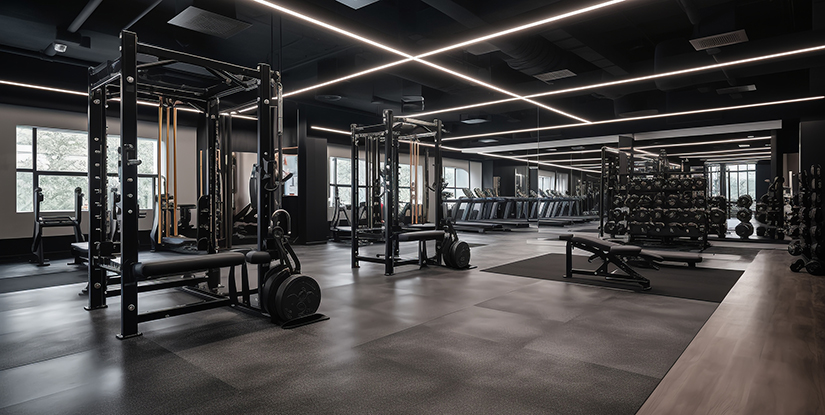
In the high-stakes environment of commercial fitness centers, equipment downtime is more than a maintenance inconvenience; it is a direct threat to member retention. When a high-demand strength station is out of order, members do not just experience a delay in their training—they experience a breakdown in the value proposition of their membership. This guide examines the technical underpinnings of equipment longevity and how rigorous operational standards for strength training fitness equipment builds member loyalty by ensuring a frictionless training environment.
The Mechanical Link Between Equipment Uptime and Member Retention
The primary driver of member dissatisfaction in mid-to-high-tier facilities is the presence of "broken machine" signage. From a technical standpoint, the cause is rarely a single catastrophic failure, but rather a cumulative degradation of moving parts. When a resistance machine develops a slight hitch in its weight stack or a cable shows premature fraying, the user's focus shifts from their hypertrophy goals to the perceived low quality of the facility. This friction erodes the psychological contract between the member and the club.
To prevent this, operators must transition from reactive repairs to a proactive lifecycle management strategy. This involves understanding the specific mechanical stress points of different categories of equipment. By maintaining a high standard of functional integrity, a facility communicates a level of professionalism that translates into long-term loyalty.
Establishing these baseline standards for mechanical reliability is the first step toward creating a premium member experience, which leads directly into the selection of durable components.
Material Selection Criteria for High-Utilization Strength Stations
The durability of strength training fitness equipment is fundamentally rooted in its metallurgy and polymer chemistry. A common mistake during procurement is focusing solely on the aesthetic finish while neglecting the structural properties of the load-bearing components. A machine that looks premium but lacks high-tensile strength in its frame will inevitably suffer from structural fatigue, leading to safety concerns and member turnover.
When evaluating potential equipment, procurement officers should focus on the following technical specifications to ensure long-term operational stability:
| Component Category | Technical Specification to Verify | Impact on Member Experience |
|---|---|---|
| Frame Construction | Wall thickness of steel tubing (e.g., 11-gauge or 12-gauge) | Prevents structural wobbling and frame fatigue during heavy lifts. |
| Cable Systems | Core material (e.g., braided steel vs. synthetic) and coating thickness | Ensures smooth, consistent resistance without fraying or snapping. |
| Upholstery/Padding | Density of high-density foam and PU leather thickness | Prevents the "bottoming out" sensation and maintains hygiene. |
| Bearing Assemblies | Type of bearings (e.g., ball bearings vs. bushings) | Provides smooth, low-friction transitions during complex movements. |
Selecting equipment based on these rigorous benchmarks ensures that the foundation of the training experience remains intact even under heavy commercial use. Once the correct materials are selected, the focus must shift to the routine maintenance required to preserve them.
Explore the complete technical specifications:
Preventative Maintenance Protocols for Resistance Training Systems
A well-selected piece of equipment will still fail if the maintenance-to-usage ratio is mismanaged. A critical failure mode in many gyms is the neglect of lubrication and tensioning schedules. For example, a weight stack that begins to jump or shudder is often the result of oxidized guide rods or insufficient lubrication in the pulley systems. This lack of smoothness disrupts the user's tempo, leading to frustration.
To mitigate these risks, operators should implement a tiered maintenance checklist that separates routine visual inspections from deep technical servicing. This structure allows staff to catch minor issues before they escalate into expensive repairs.
Tier 1: Daily Visual and Tactile Inspections
- Cable Integrity: Visually check for any loose strands or discoloration in the cable coating.
- Upholstery Check: Inspect for cracks, tears, or hygiene issues in the seat and back padding.
- Weight Stack Alignment: Ensure the selector pin is fully seated and the stack is not tilted.
- Loose Hardware: A quick hand-check of visible bolts and adjustment knobs to identify anything that feels loose.
Tier 2: Monthly Deep-Dive Technical Servicing
- Guide Rod Lubrication: Clean guide rods with a degreaser and apply a thin layer of high-grade silicone lubricant.
- Cable Tensioning: Verify that cables are correctly routed through pulleys and that tension is within the manufacturer-recommended range.
- Fastener Torque: Use a torque wrench to verify that critical structural bolts (frame-to-base connections) remain tight.
- Bearing Inspection: Test the fluidity of the movement to identify any grinding or resistance in the pulley system.
By strictly adhering to these maintenance cycles, an operator ensures that the mechanical performance of the equipment remains consistent with the day it was unboxed. Maintaining this consistency is vital for the next level of service: operator safety and user confidence.
Explore the complete technical specifications:
Gym Equipment: Commercial Categories, Specifications, and Procurement
Mitigating User Safety Risks through Systematic Inspection
Safety is the ultimate cornerstone of member loyalty. If a member feels unsafe using a piece of strength training fitness equipment, they will likely cease their membership. Safety failures are often preceded by measurable warning signs that, if ignored, lead to mechanical failure. Common failure modes include bolt shearing due to over-tightening or cable snap due to lack of regular replacement. These are not just maintenance issues; they are liability and reputation risks.
To maintain a safe environment, operators must be able to identify and act upon technical indicators of impending failure. The following table outlines how to identify and resolve common safety-related technical issues:
| Indicator of Failure | Technical Root Cause | Actionable Fix |
|---|---|---|
| Irregular resistance or "jolts" | Worn pulleys or unlubricated guide rods | Replace pulley assemblies or re-lubricate guide rods immediately. |
| Unstable or swaying frame | Loose mounting bolts or uneven flooring | Re-torque all frame bolts and check floor leveling/pads. |
| Squeaking or grinding noise | Bearing degradation or dry cable system | Apply specialized lubricant or replace the bearing unit. |
| Loose weight stack selector | Worn or bent selector pin/hole | Replace the selector pin and inspect the weight plate holes. |
Proactive safety management creates an atmosphere of trust. When members trust the equipment, they are more likely to increase their training intensity and, consequently, their time spent in the facility. This brings us to the operational implementation of these standards.
Optimizing Equipment Layout for Enhanced User Flow
Beyond mechanical reliability, the physical arrangement of strength training fitness equipment plays a significant role in the user's perception of value. A disorganized or poorly planned layout can lead to congestion and frustration, even if the machines themselves are in perfect working order. A common mistake is prioritizing aesthetic spacing over functional user flow and accessibility.
A professional layout must account for the 'footprint' of the machine in motion, not just its static dimensions. For example, a seated chest press machine requires not only the space for the machine itself but also the clearance for the user's elbows during the eccentric phase and the space for the weight plates to be loaded and unloaded. Neglecting these clearances leads to accidental collisions and a feeling of overcrowding.
To optimize the layout, operators should use a three-step approach:
- Functional Mapping: Identify the total dynamic footprint of every piece of equipment, including user movement zones.
- Ergonomic Zonation: Group similar types of training (e.g., free weights vs. selectorized machines) to create logical training pathways.
- Clearance Verification: Ensure that heavy-use areas have sufficient 'buffer zones' to prevent user interference during peak hours.
Proper layout management, combined with high-quality equipment, ensures that the facility feels spacious and professional, further driving member retention. However, even a perfect layout cannot overcome the long-term impact of declining equipment quality.
Lifecycle Management: Balancing Replacement with Repair
The final stage in understanding how strength training fitness equipment builds member loyalty is mastering the lifecycle. Every piece of equipment has a finite operational life. The difficulty for operators lies in determining the precise moment when a machine has moved from 'repairable' to 'obsolete.' Continuing to repair a machine that has reached its mechanical end-of-life is a waste of resources and a detriment to the member experience.
A decision-making framework for replacement should be based on a combination of repair frequency, part availability, and user feedback. If a specific machine requires monthly part replacements or is a frequent subject of member complaints, it is an indicator that the machine has exceeded its optimal utility. In such cases, replacement is more cost-effective than continued maintenance.
Consider the following decision matrix for equipment replacement:
- High-Frequency Maintenance: If a machine requires more than two unscheduled repairs per quarter, it is a candidate for replacement.
- Technical Obsolescence: If the manufacturer no longer supports critical wear parts (cables, upholstery, pulleys), replacement is mandatory to avoid prolonged downtime.
- Member Sentiment: If the machine's mechanical feel (smoothness, resistance) is consistently rated poorly, it negatively impacts the facility's premium positioning.
By viewing equipment as a dynamic asset that requires a managed lifecycle, operators can ensure that their facility remains at the forefront of quality and reliability. This strategic approach to equipment management is the most durable way to build and sustain long-term member loyalty.