

Why Strength Training Products Are Essential for Any Gym: A Technical Analysis of Procurement and Longevity
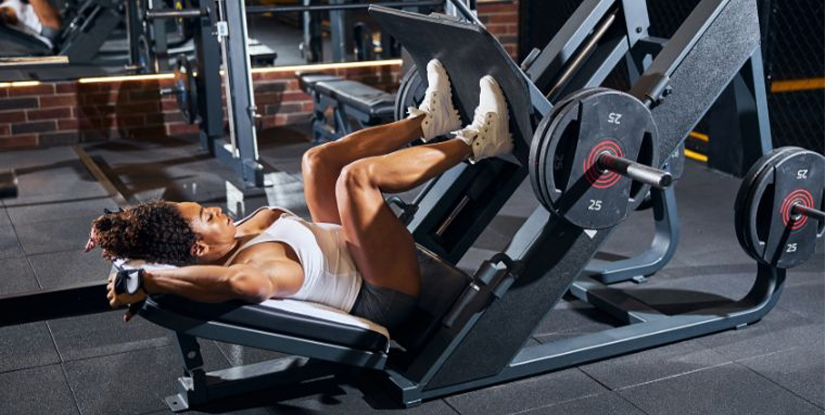
The Operational Impact of High-Performance Strength Training Products
Facility managers often encounter a critical failure point: the rapid depreciation of asset value due to substandard equipment selection. When a gym invests in low-grade strength training products, the problem is rarely immediate; rather, it manifests as a progressive decline in mechanical precision and user safety. This mechanical fatigue leads to increased maintenance overhead and, eventually, catastrophic structural failures that can compromise a facility's reputation and liability profile.
The cause of this decline is typically a misalignment between the equipment's load-bearing capacity and the high-frequency usage typical of commercial environments. To prevent this, operators must transition from viewing strength products as mere furniture to treating them as precision-engineered mechanical assets. This guide analyzes the technical requirements of high-tier equipment to ensure long-term operational stability.
Understanding the structural composition of these assets is the first step in moving toward a more efficient procurement strategy.
Structural Integrity and Material Selection Criteria
Building on the necessity of high-performance assets, the first technical hurdle is understanding the metallurgy and polymer science behind durability. A common mistake is selecting steel based solely on gauge thickness without considering the alloy composition or the heat treatment process.
Metallurgical Standards for Heavy-Duty Frames
Commercial-grade strength products must utilize high-tensile steel that maintains its structural integrity under constant cyclic loading. Fatigue in steel often occurs at weld points where the heat-affected zone (HAZ) has been compromised by poor fabrication techniques. A professional operator should look for consistent bead geometry and non-porous weld structures to ensure the frame can withstand high-impact loading.
Polymer and Urethane Durability in Weight Plates
The interface between weight and machine is a frequent site of failure. For instance, standard rubberized coatings often suffer from delamination or cracking when exposed to temperature fluctuations and high-impact drops. High-density polyurethane is frequently preferred in premium settings because it offers superior impact resistance and prevents the degradation seen in lower-grade vulcanized rubber.
| Material Type | Primary Benefit | Typical Failure Mode | Maintenance Requirement |
|---|---|---|---|
| Cold-Rolled Steel | High stiffness and precision | Surface oxidation/Rust | Regular coating inspection |
| High-Density Polyurethane | Extreme impact resistance | Surface abrasion/Scratches | Minimal cleaning |
| Vulcanized Rubber | Budget-friendly/Damping | Delamination/Cracking | Frequent visual checks |
| Chrome-Plated Steel | Aesthetic longevity | Pitting/Peeling | Moisture control |
The selection of these materials dictates the lifespan of the equipment, but material strength is irrelevant if the mechanical movement is unoptimized. This leads us to the critical importance of bearing and bushing mechanisms.
Mechanical Precision in Cable and Pulley Systems
Even with the best materials, a machine is only as reliable as its moving parts. A significant pain point for gym operators is the 'jittery' or uneven resistance felt in cable-based machines. This is usually caused by poor-quality pulleys or suboptimal bearing assemblies, which increase friction and heat during use.
Bearing Types and Friction Management
In high-use environments, the choice between sealed ball bearings and open bushings is decisive. Sealed ball bearings are essential for weight stacks and pulley systems because they prevent the ingress of dust, sweat, and debris, which are the primary causes of bearing seizure. An operator should verify the presence of high-grade, sealed bearings during the inspection phase to avoid frequent part replacements.
Cable Tensile Strength and Coating Standards
Cables are high-wear components that require specific technical oversight. A failure to monitor cable fraying can lead to sudden snaps during heavy lifts. High-quality cables should feature a galvanized or stainless steel core encased in a durable nylon or polyurethane sheath to minimize internal friction and external abrasion.
- Checklist for Cable Inspection:
- Inspect for visible kinking or irregular bends in the cable path.
- Check the sheath for any exposed wire strands (a sign of imminent failure).
- Verify the smoothness of the pulley rotation without manual resistance.
- Ensure the cable end-terminations (crimps/loops) show no signs of slipping.
Once the internal mechanics are verified, the focus must shift to the external interfaces where users interact with the equipment.
Explore the complete technical specifications:
Power Lift Gym Equipment: Engineered for Strength Performance
Ergonomic Interface and Upholstery Maintenance
The physical contact points—seats, pads, and handles—are often the first areas to show signs of wear. While often overlooked as a 'technical' detail, the degradation of upholstery is a primary driver of user dissatisfaction and a frequent site for hygiene-related failures. The root cause is often the use of low-density foam that lacks the rebound capacity required for commercial use.
Foam Density and Upholstery Resilience
A professional operator should prioritize high-density, closed-cell foam. Unlike open-cell foam, closed-cell varieties do not absorb sweat or moisture, which prevents the growth of bacteria and the eventual disintegration of the internal structure. When selecting strength products, verify the 'recovery rate' of the padding—the speed at which the foam returns to its original shape after compression.
Grip and Handle Durance
Handles and knurling patterns are subject to intense friction. A common failure mode is the peeling of rubberized grips or the smoothing of knurled bars. For premium facilities, stainless steel or high-grade knurling is preferred as it provides a permanent, non-degradable grip surface that maintains texture over years of use.
With the ergonomics and mechanics established, the next priority is the actual installation and layout of these products to ensure safety.
Installation Protocols and Load-Bearing Layouts
Simply owning high-quality products is insufficient if the installation process ignores the physics of the floor load. Improper layout can lead to structural vibrations that affect the entire building or, more dangerously, unstable equipment placement that increases the risk of tipping or shifting during a lift.
Floor Load Distribution and Vibration Dampening
When installing heavy-duty racks or lifting platforms, the operator must consider the sub-floor's weight-bearing capacity. Excessive vibration from dropped weights can cause micro-cracks in concrete flooring over time. To mitigate this, professional installations should include high-impact flooring solutions designed to absorb kinetic energy.
Structural Leveling and Bolt Torque Verification
A common mistake during setup is failing to achieve perfect levelness in heavy racks. Even a slight tilt can cause uneven wear on the bearings of a weight stack or cause the machine to 'creep' during use. A standard operating procedure (SOP) should include a post-installation check of all structural bolts using a calibrated torque wrench to ensure they meet the manufacturer's tensioning specifications.
| Installation Step | Tool Required | Failure Mode to Avoid | Verification Method |
|---|---|---|---|
| Leveling | Spirit Level | Uneven weight distribution | Check all axes for 0.0° deviation |
| Fastening | Torque Wrench | Loose connections/Vibration | Cross-check against spec sheet |
| Flooring Placement | Impact Mats | Inadequate shock absorption | Monitor floor vibration after load |
| Cable Tensioning | Tension Gauge | Excessive or insufficient drag | Test resistance consistency |
Once the installation is verified, the focus moves from setup to the long-term preservation of the asset through scheduled maintenance.
Systemic Maintenance and Inspection Schedules
The longevity of strength training products is directly proportional to the rigor of the facility's maintenance program. Relying on 'reactive maintenance'—fixing things only when they break—is a costly error that leads to extended equipment downtime and higher long-term costs. A 'preventative maintenance' approach is essential for professional operations.
Daily Visual vs. Monthly Mechanical Audits
A dual-layered inspection system is the industry benchmark. Daily inspections should focus on high-visibility items like upholstery tears and cable fraying. Monthly audits, however, must be more technical, involving the checking of bolt torque, bearing smoothness, and the integrity of the frame's paint or coating.
Troubleshooting Common Mechanical Issues
When a machine begins to perform suboptimally, the operator must identify the root cause before applying a fix. A common issue is a 'noisy' pulley, which could be caused by anything from a lack of lubrication to a bent shaft. Applying lubricant to a bent shaft is a temporary fix that fails to address the structural problem.
- Issue: Uneven resistance in a weight stack.
Cause: Misaligned guide rods or worn bushings.
Fix: Clean guide rods and check for bent components. - Issue: Squeaking during movement.
Cause: Lack of lubrication in bearings or pulleys.
Fix: Apply specialized bearing grease (avoid generic oils). - Issue: Loose feeling in a barbell.
Cause: Worn bushings in the barbell sleeve.
Fix: Replacement of the barbell unit.
Effective troubleshooting ensures that small issues do not evolve into expensive replacements, maintaining the facility's ROI.
Optimizing Equipment ROI through Lifecycle Management
Ultimately, the decision to invest in premium strength training products is a financial strategy. While the upfront cost of high-tier equipment is higher, the Total Cost of Ownership (TCO) is often significantly lower due to reduced replacement frequency and lower maintenance man-hours. This lifecycle management approach is what differentiates profitable commercial gyms from those struggling with overhead.
Calculating Total Cost of Ownership (TCO)
When comparing two similar products, the purchase price should only be the baseline. The professional buyer must factor in the expected lifespan, the cost of replacement parts (like cables and pads), and the potential revenue loss during downtime. High-quality products typically offer a much higher return on investment through durability and reduced operational friction.
Developing a Replacement Cycle Strategy
Rather than waiting for equipment to become unusable, successful operators develop a rolling replacement cycle. This involves tracking the 'age-in-service' of every major asset and planning for upgrades before the equipment reaches its end-of-life. This ensures the gym always presents a modern, high-functioning environment to its members.
By mastering these technical aspects of selection, installation, and maintenance, facility managers turn essential strength products into reliable, long-term drivers of business success.