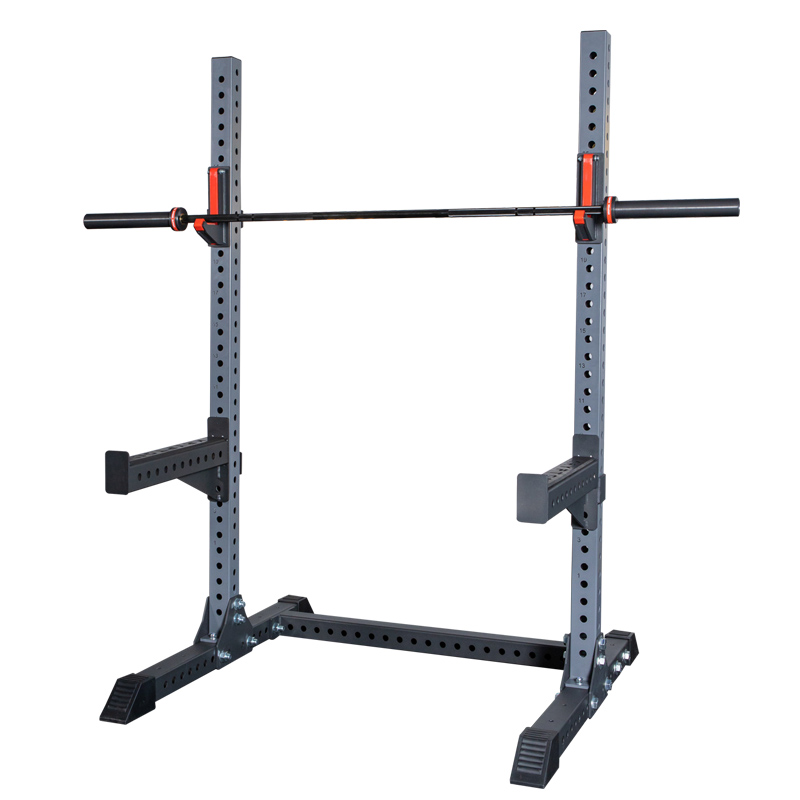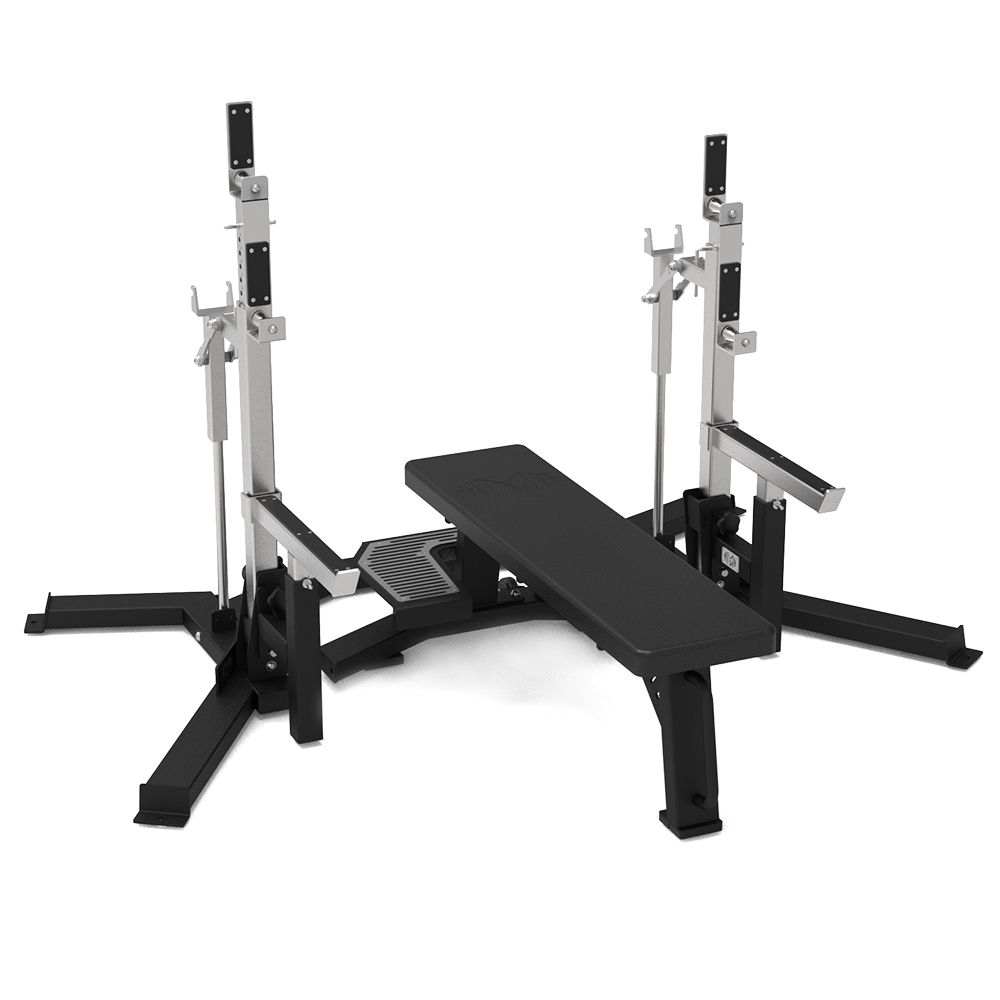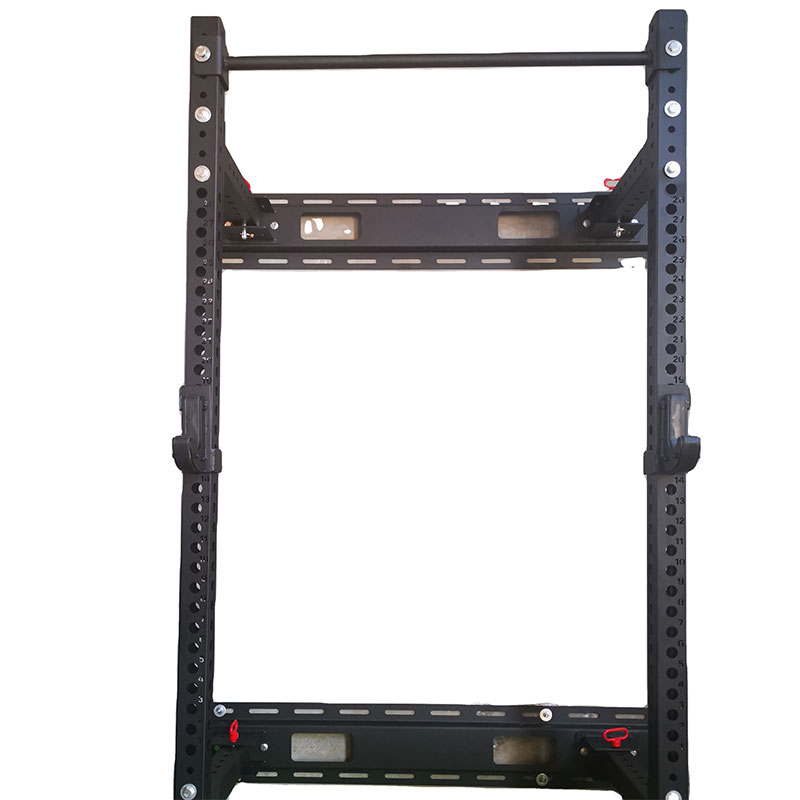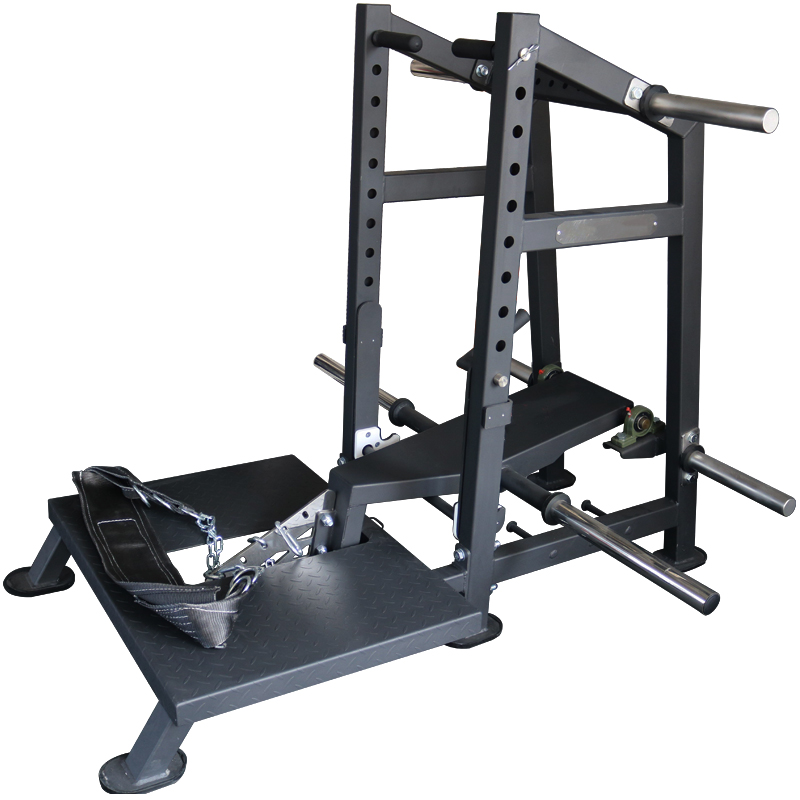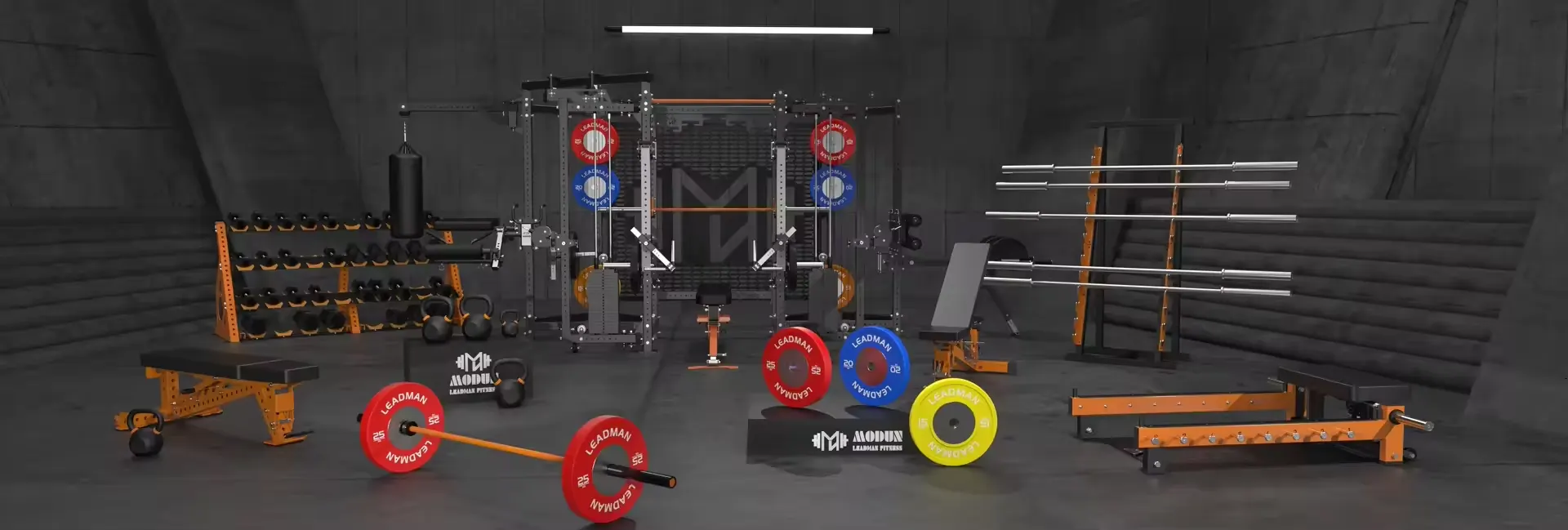
In the demanding world of strength training, power lift gym equipment has evolved far beyond simple barbells and racks. Today, these specialized systems are engineered to optimize the three competitive lifts—squat, bench press, and deadlift—through biomechanically precise designs that enhance athlete safety and performance output. This equipment category represents the convergence of heavy-gauge steel engineering, advanced friction-reduction technologies, and sport-specific spatial configurations that cater to both elite powerlifters and commercial facilities aiming to attract serious strength athletes.
The fundamental mechanism behind effective power lift platforms lies in their structural rigidity and dampening characteristics. Unlike standard fitness racks, competition-grade power racks feature reinforced base plates and multi-point anchoring systems that can withstand dynamic loads exceeding 1,000 kilograms. This stability is critical because even microscopic lateral movement during heavy squats or bench presses introduces energy leakage, reducing the lifter's mechanical efficiency and increasing injury risk. Manufacturers employ finite element analysis during design phases to predict stress concentration points, ensuring that the load-bearing integrity remains uncompromised through thousands of repetition cycles.
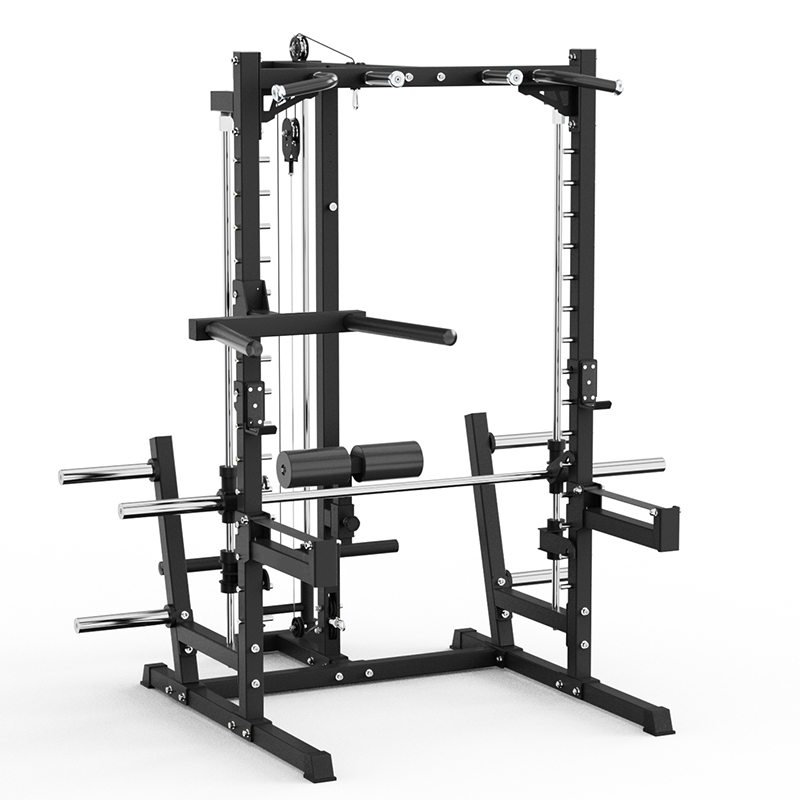
From a practical integration standpoint, modern power lift stations now incorporate adjustable safety catch mechanisms that use drop-in pin systems rather than traditional pop-pin designs. This evolution allows for micro-adjustments in 2.5-centimeter increments, accommodating the precise starting positions required for different anthropometric profiles. Facilities are increasingly adopting modular platforms that combine a competition flat bench, a multi-grip pull-up attachment, and weight plate storage horns into a unified footprint, maximizing floor efficiency without sacrificing specialization. Data from strength facility audits indicate that dedicated power lift zones equipped with these systems experience 40% higher member retention among intermediate lifters compared to multi-purpose free-weight areas.
Considering performance optimization, the barbell pathway guidance offered by some power lift systems—such as linear bearing rails on squat stands—can significantly reduce the learning curve for novice lifters while preserving the raw mechanical challenge for advanced users. This duality positions power lift gym equipment as a cornerstone investment for facilities aiming to build a credible strength culture while maintaining operational safety. When selecting these systems, facility managers should prioritize steel wall thickness in uprights, verify the material grade of all load-bearing fasteners, and inspect bushing quality on any moving components to ensure long-term durability under commercial usage patterns.
Let our experts design the perfect gym solution for your business. Get a free consultation and quote today.