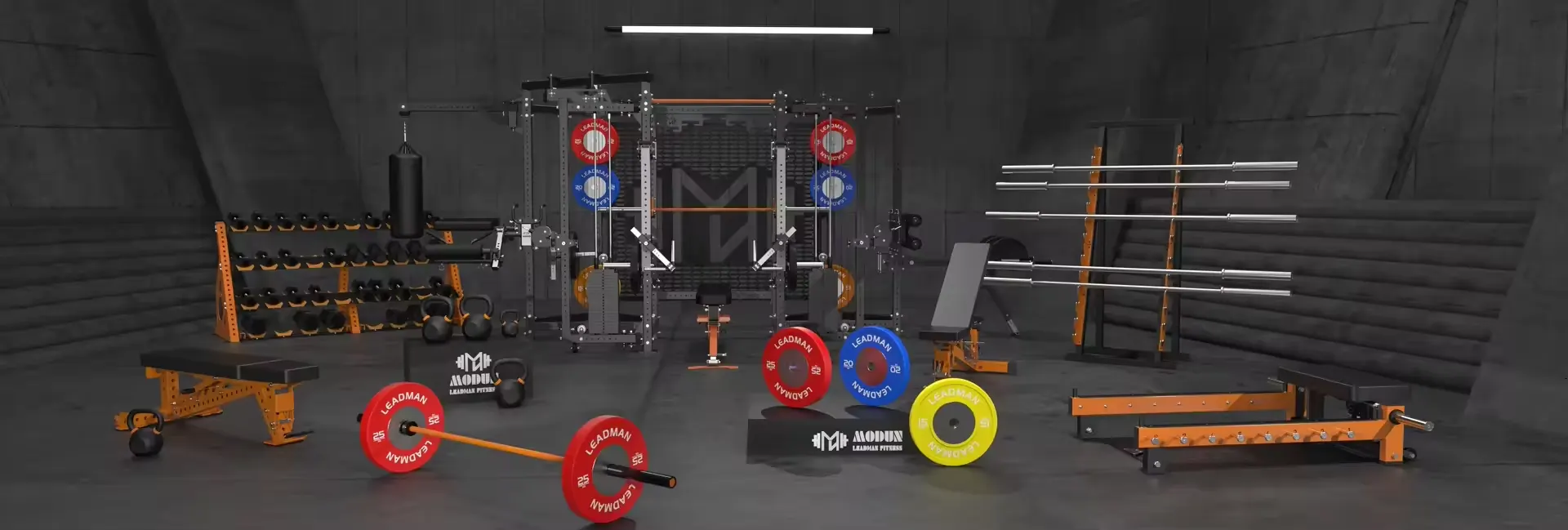
Equipping a commercial fitness facility requires a deep understanding of gym equipment categories, engineering standards, and procurement strategies that balance capital investment against long-term operational performance. The global commercial gym equipment market, exceeding $15 billion annually, encompasses everything from selectorised strength machines and cardio consoles to functional training zones and free-weight infrastructure—each category demanding specific material specifications, durability benchmarks, and safety certifications to meet the demands of high-usage environments. For facility operators, navigating this complex landscape means assessing equipment not just by features, but by its ability to withstand 12–16 hours of daily use across diverse member populations while maintaining performance consistency and safety over extended operational lifecycles.
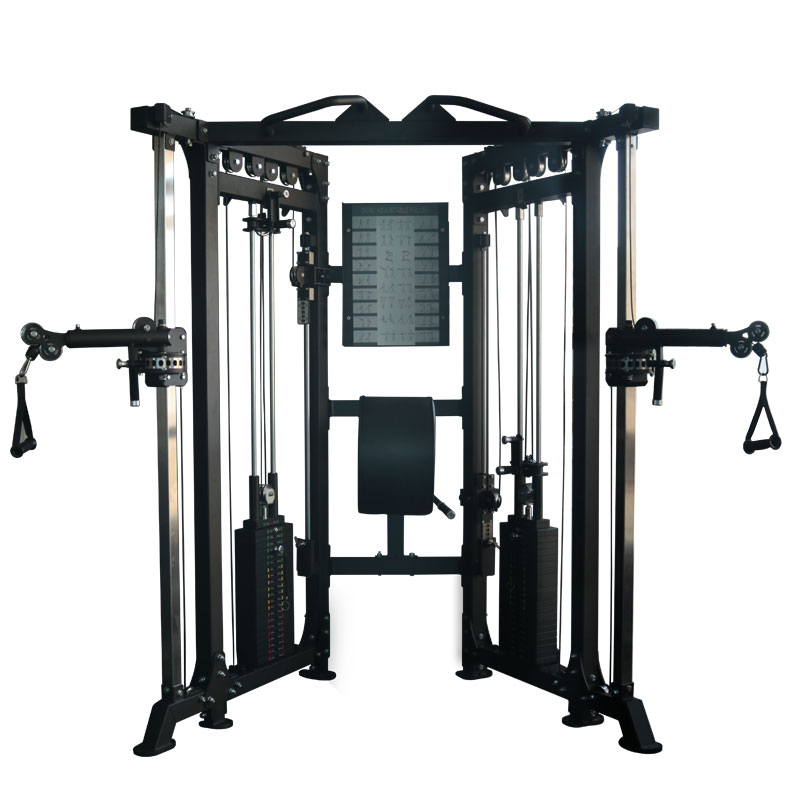
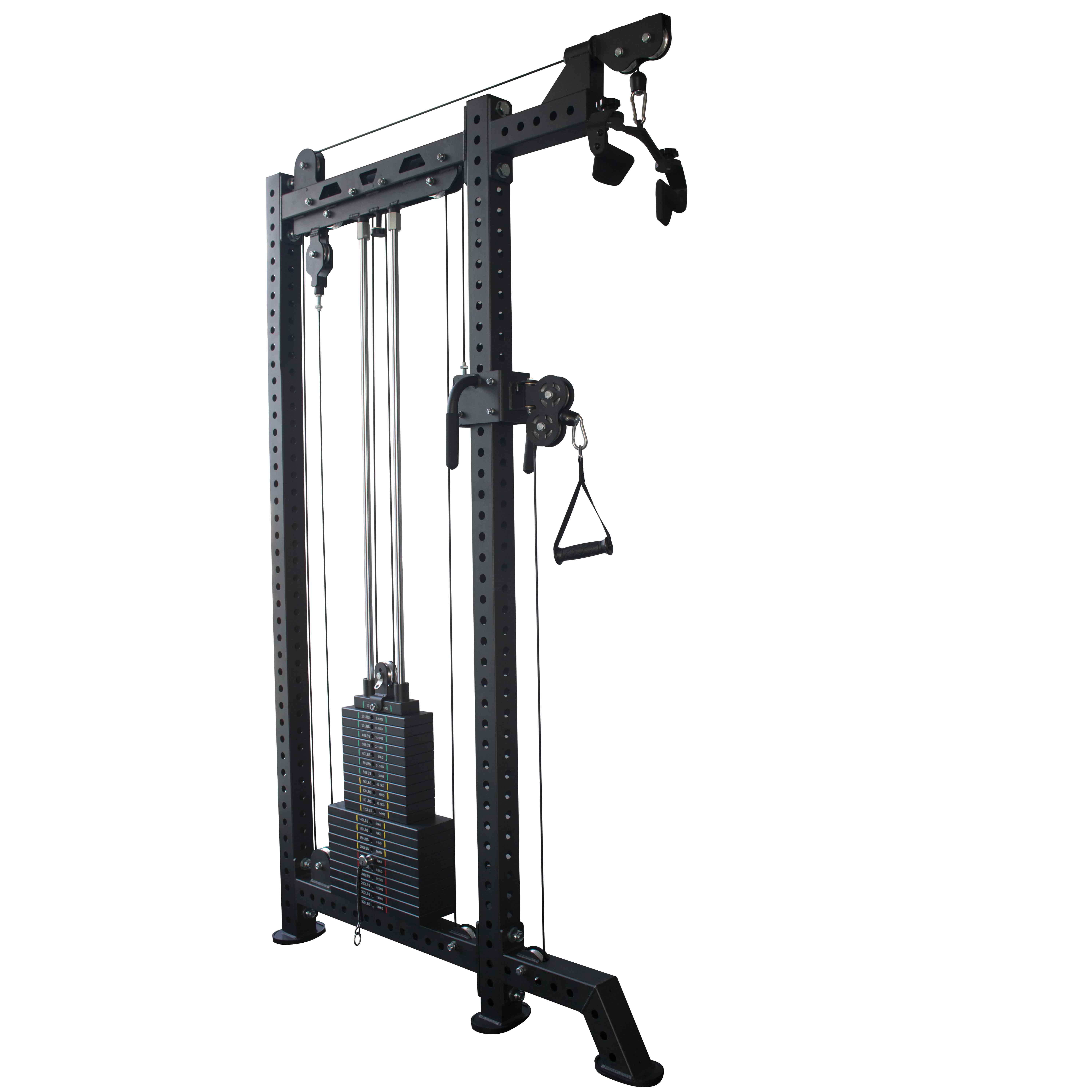
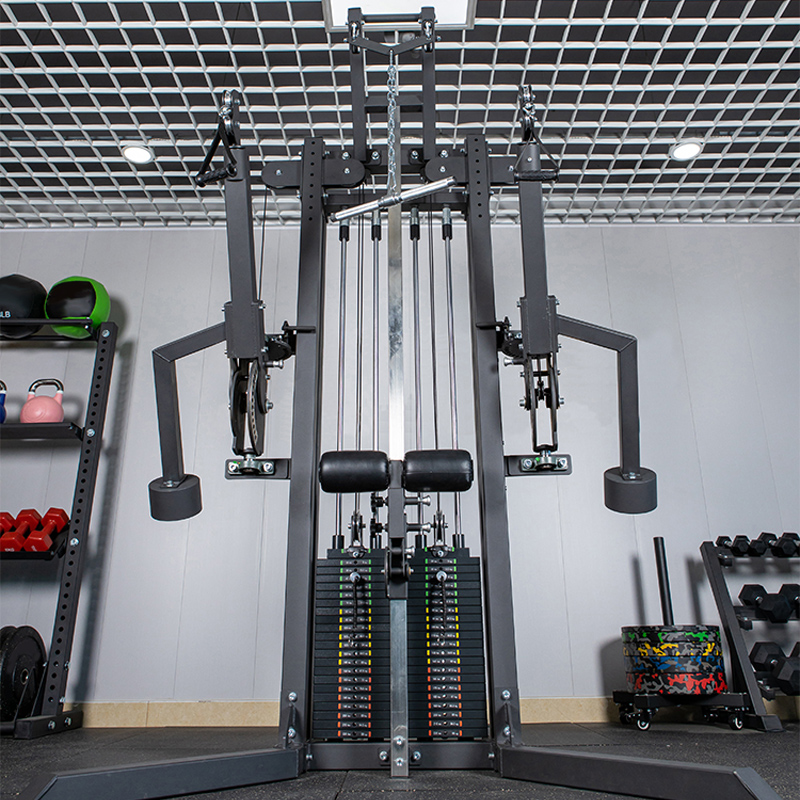
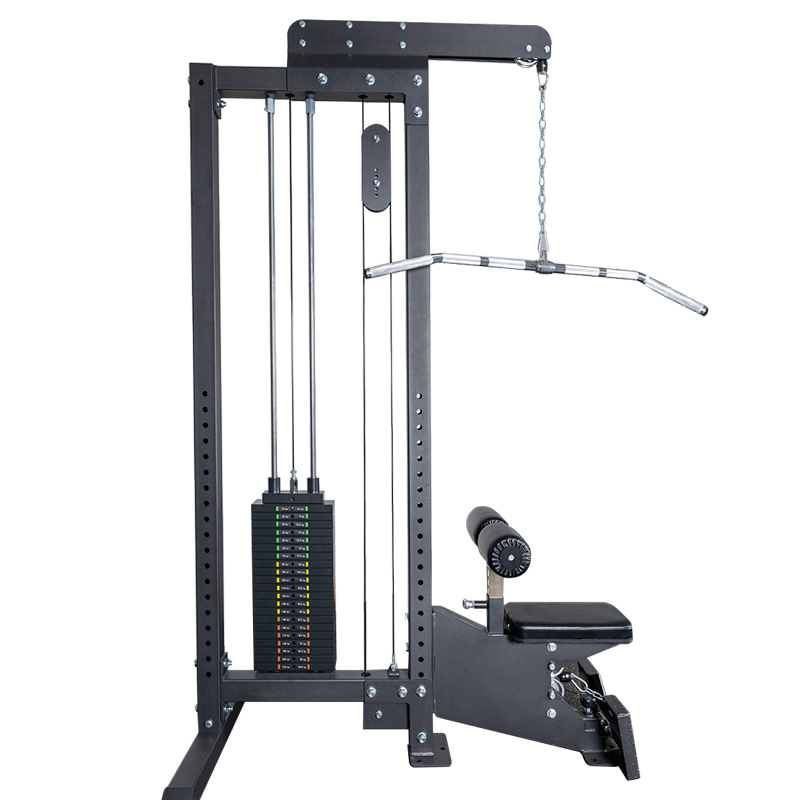
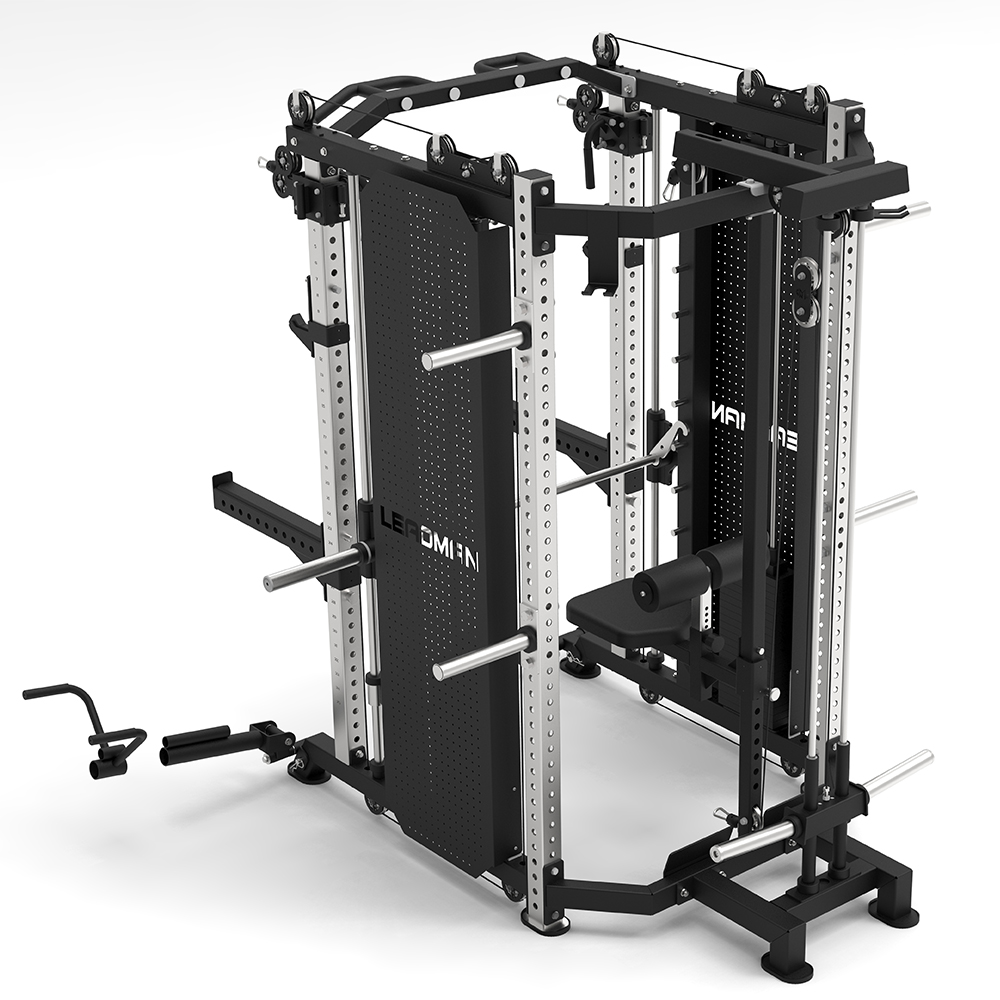
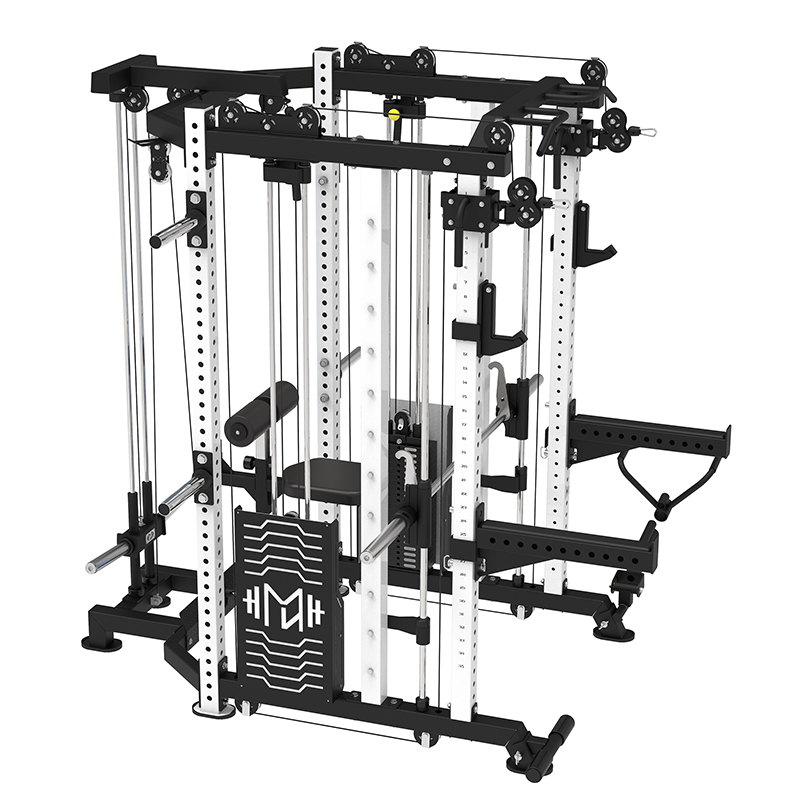
Strength training equipment forms the backbone of most commercial gyms, with equipment manufacturers offering solutions ranging from plate-loaded stations and selectorised machines to power racks, benches, and cable crossover systems. Commercial-grade strength machines utilise 11-gauge (3mm) steel tubing with robotic MIG welding and electrostatic powder coating (60–80µm thickness). Selectorised machines feature precision-machined weight stacks (150–300lbs) with chrome-plated guide rods and sealed ball-bearing pulleys, ensuring smooth, quiet operation. Plate-loaded stations require hardened steel bushings and heavy-duty pivot pins, accommodating the shock loads of training. Multi-station functional trainers with adjustable cable columns offer programming versatility. Facilities must balance equipment quantity with member flow—typically 12–15 machines per 100 members—with targeted investment in high-traffic free-weight areas to maximise utility and member satisfaction.
Cardiovascular equipment represents a significant capital investment, with commercial treadmills, ellipticals, stationary bikes, and rowers demanding particular durability due to high member throughput and mechanical complexity. Heavy-duty commercial cardio machines feature AC motors with continuous-duty ratings of 3.0–4.0 HP, extra-wide running belts (22 inches) on treadmills, and reinforced frames supporting users up to 350–400lbs. Advanced consoles offer integrated entertainment and tracking connectivity. Facilities should allocate 15–25% of total equipment budget to cardio, with machine counts scaled to peak usage patterns and scheduled maintenance plans—including belt lubrication, motor inspection, and console updates—essential to maintaining performance, member satisfaction, and equipment lifespan.
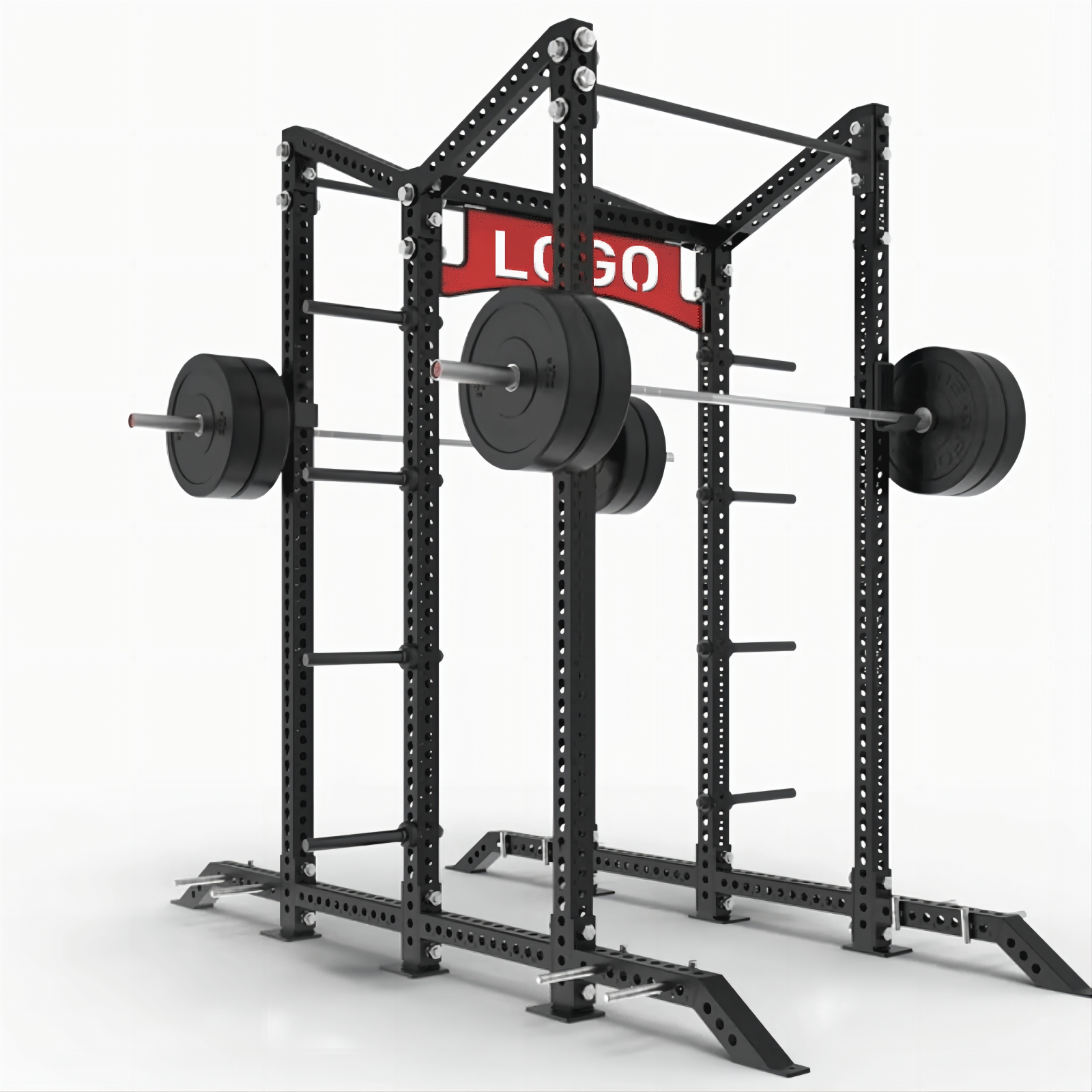
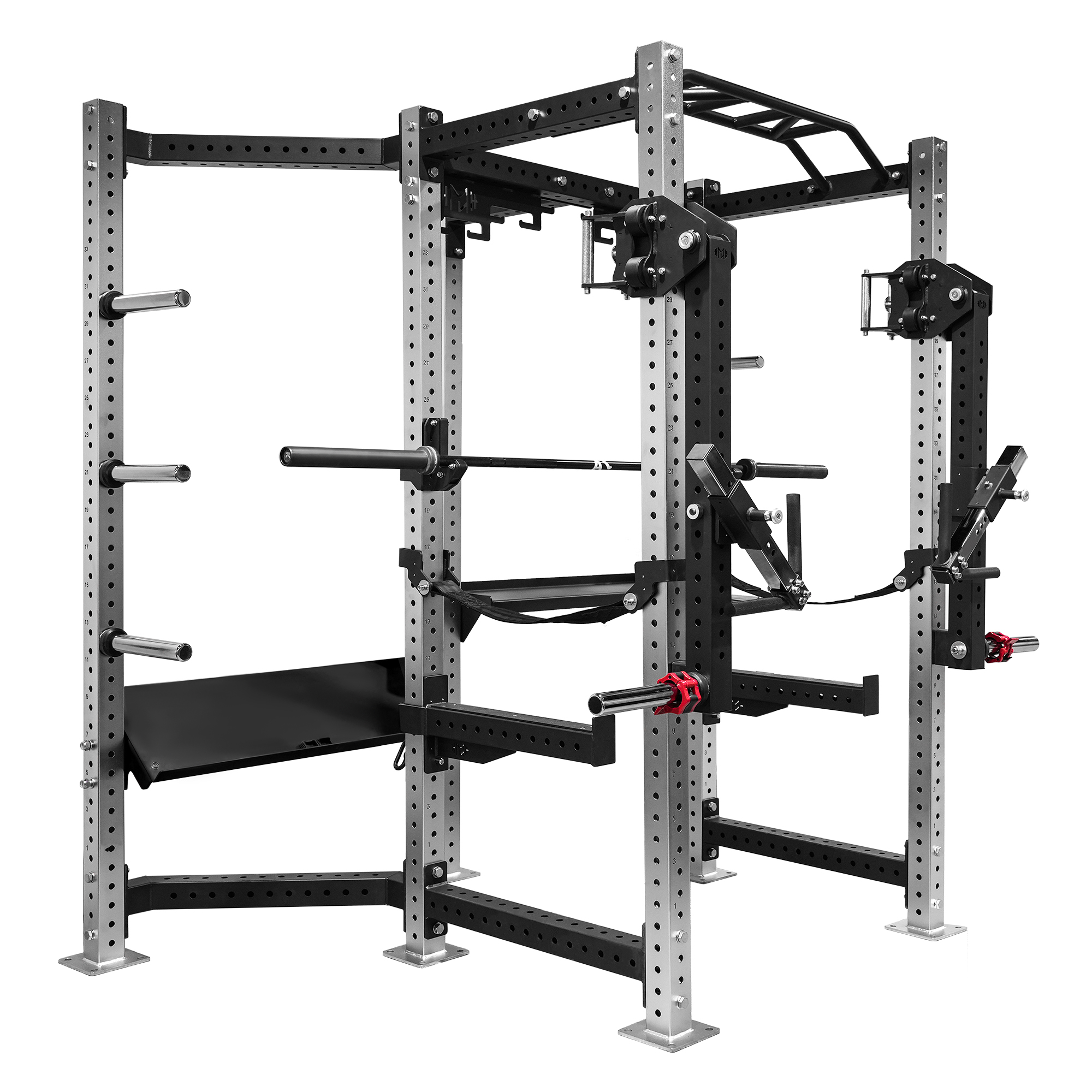
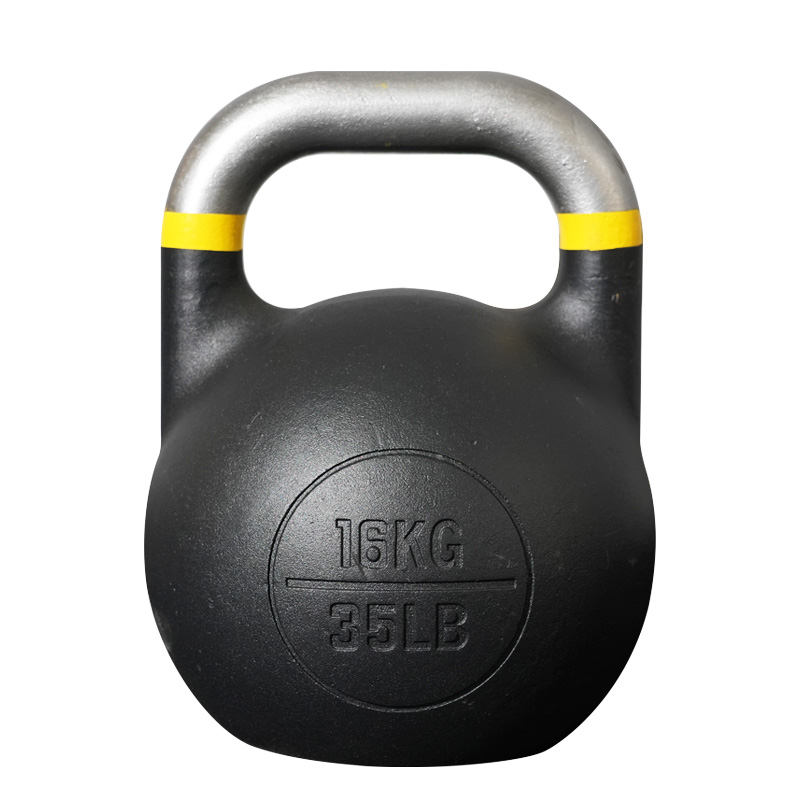
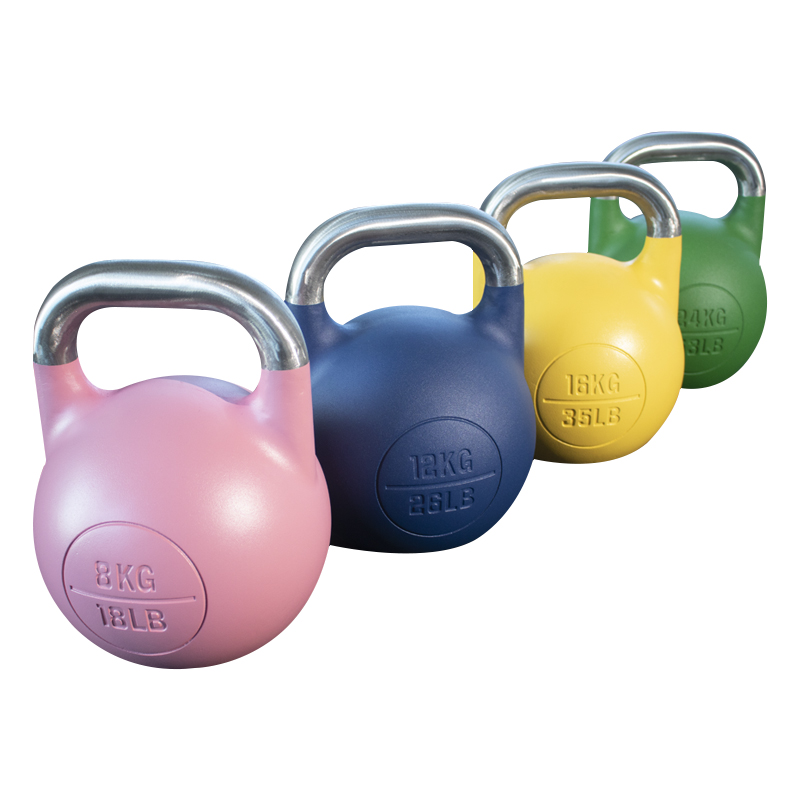
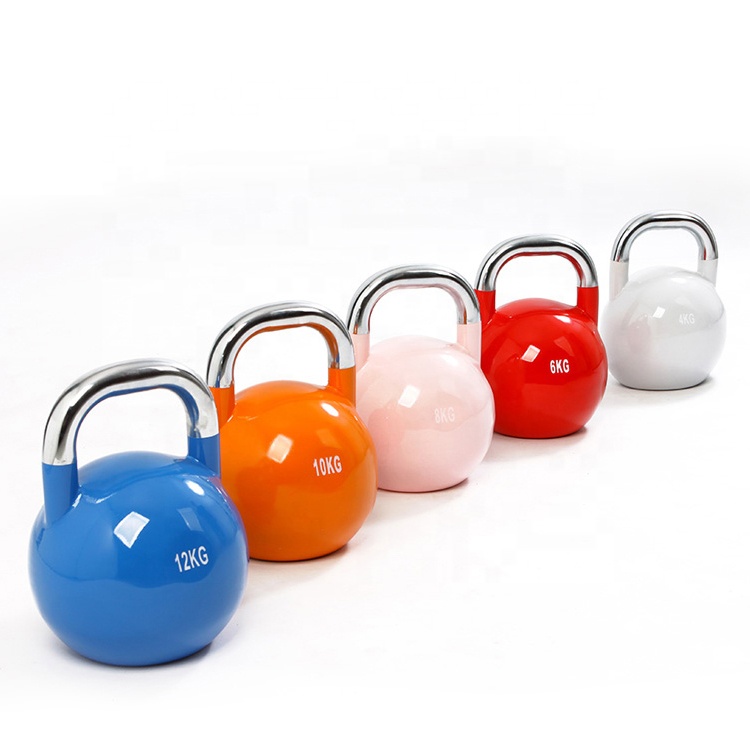
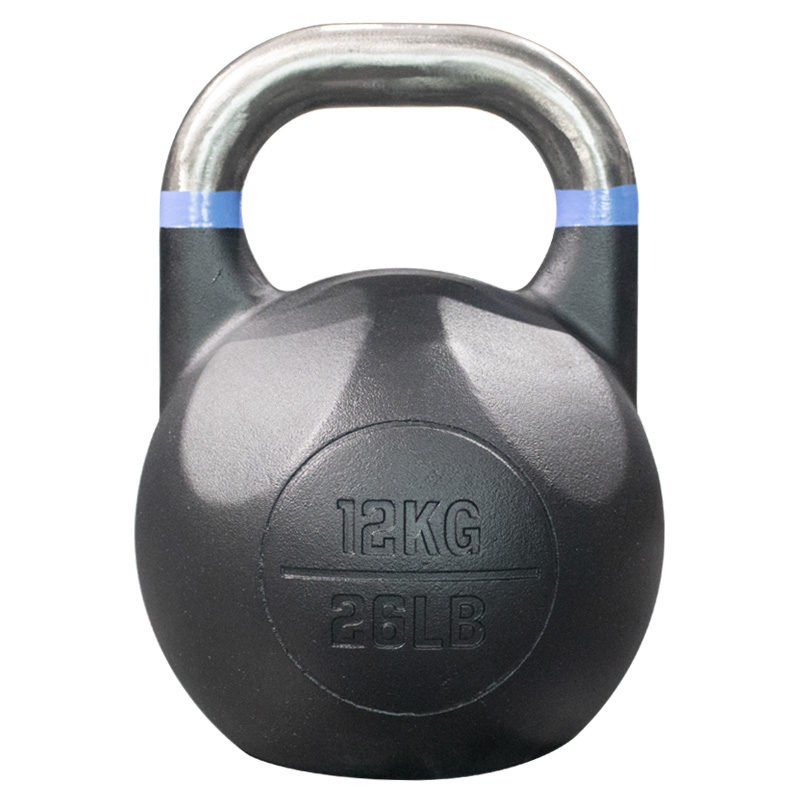
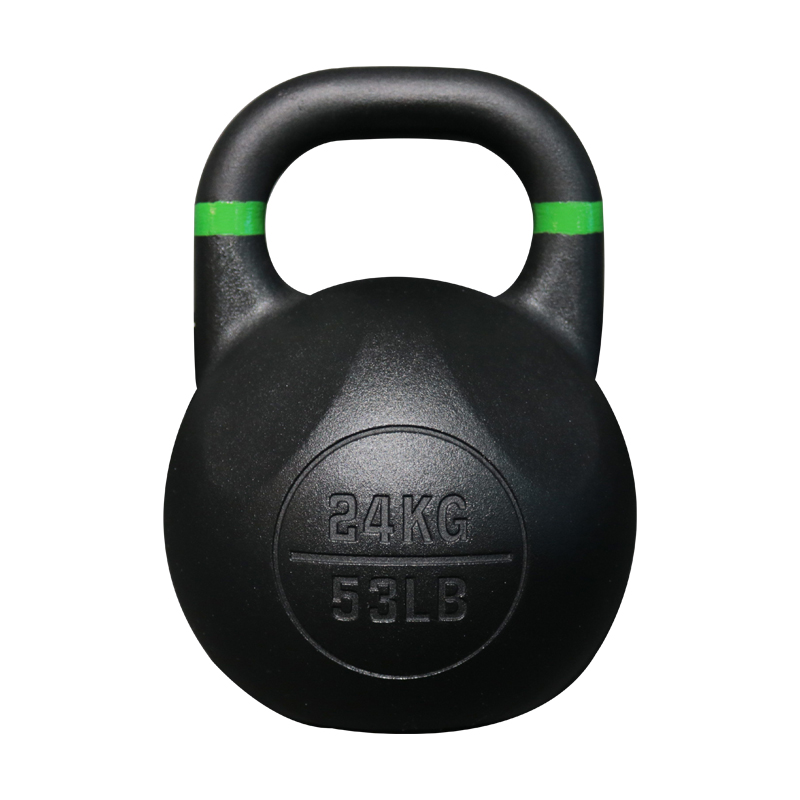
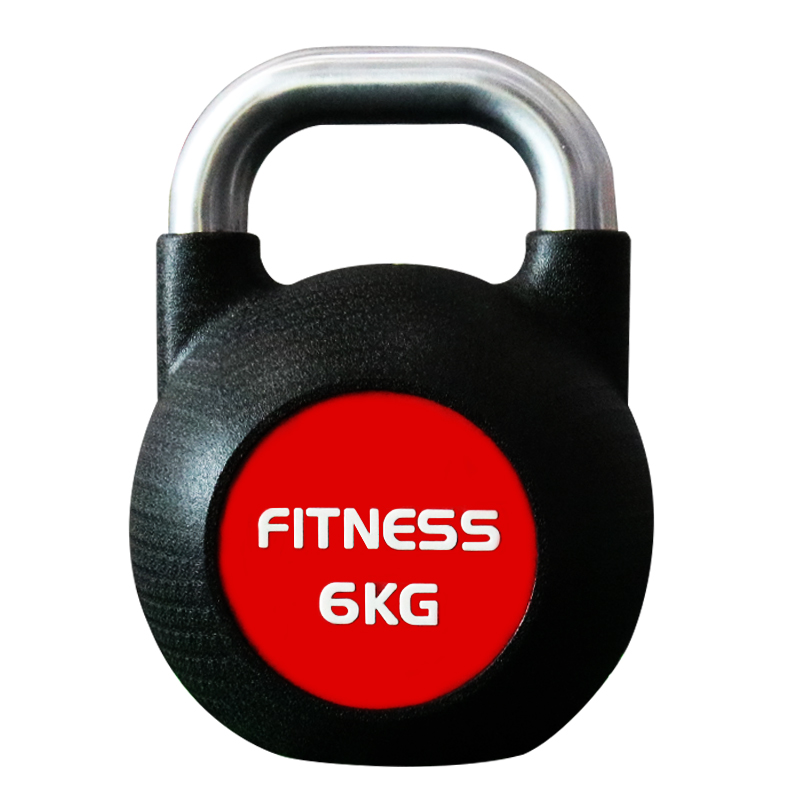
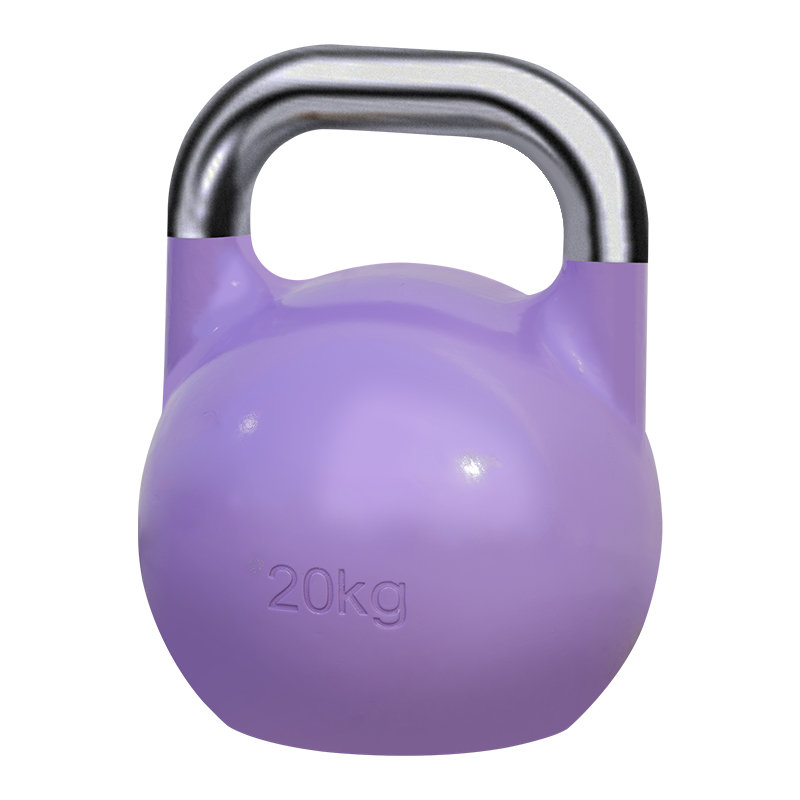
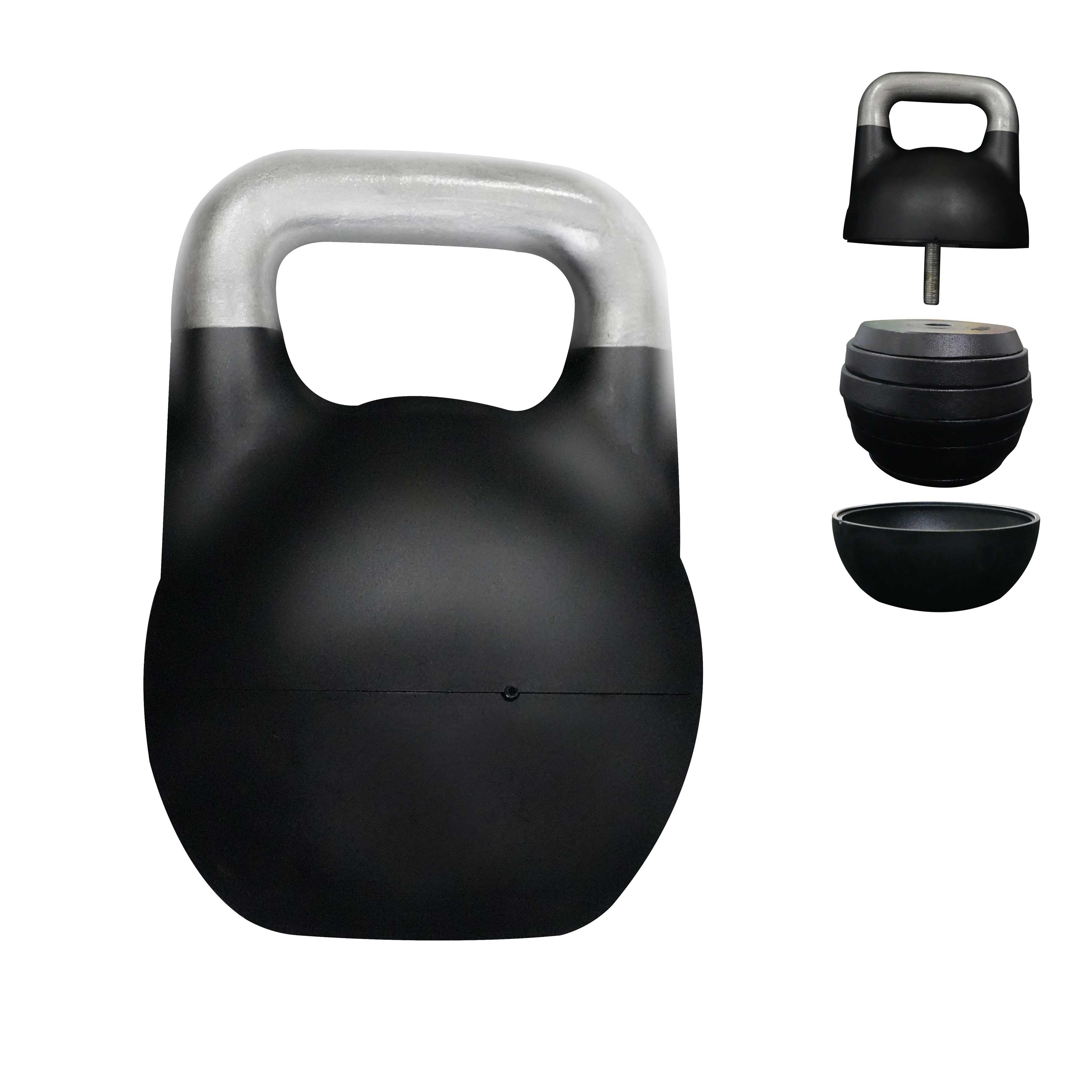
Functional training zones are increasingly prominent in modern facilities, incorporating equipment for dynamic, multi-planar movement that complements traditional strength and cardio programming. Essential infrastructure for these areas includes functional trainers or cable columns with adjustable arms and multiple pulley positions for versatile movement options, squat racks and power racks for free-weight training, turf zones (15–30 square metres) for sled pushes and lateral drills, and storage solutions for accessories like kettlebells, medicine balls, and resistance bands. By incorporating modular and adaptable equipment that supports diverse exercises—and allocating floor space proportionate to member interest—operators can ensure their functional zones become hubs of engagement and retention in increasingly dynamic fitness environments.
Let our experts design the perfect gym solution for your business. Get a free consultation and quote today.