

Evaluating Smith Machine Manufacturers: A Technical Manufacturing Guide
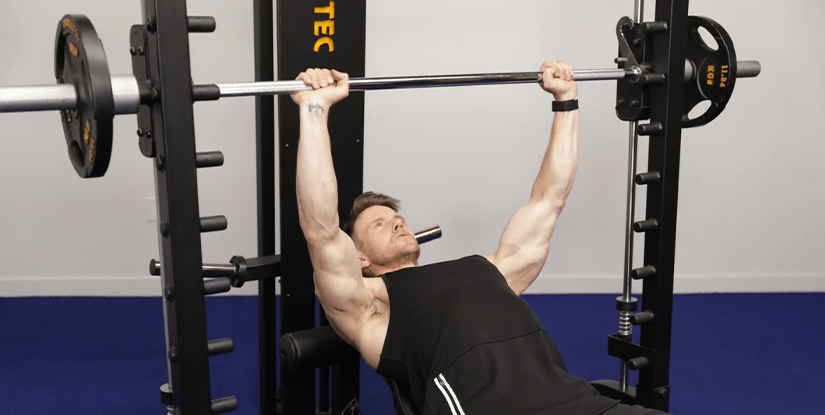
The Structural Engineering Foundations of Smith Machine Manufacturers
For facility managers and commercial gym procurement officers, the decision to source equipment from specific Smith Machine Manufacturers is rarely about aesthetics; it is a high-stakes technical assessment of structural integrity. A poorly manufactured Smith machine does not merely feel 'cheap'—it presents a systemic failure risk where misalignment in the guide rods can lead to catastrophic weight drops or bar binding during a lift. The core challenge lies in understanding the gap between high-volume consumer production and the specialized engineering required for heavy-duty commercial cycles. When a machine demonstrates inconsistent verticality, the cause is almost always a failure in the initial fabrication tolerances of the chassis.
To mitigate these risks, buyers must evaluate the manufacturing process from the ground up, starting with the raw material selection and structural geometry. A robust machine requires a precise synergy between the frame rigidity and the guide rod straightness. This section establishes the baseline for what constitutes a high-quality production standard, setting the stage for a deeper look at the metallurgical and mechanical components that drive longevity.
Precision in Frame Geometry
The foundation of any high-tier Smith machine is the skeletal frame. Manufacturers typically use heavy-gauge steel tubing, but the quality of the steel's profile and the precision of the welds determine the machine's resistance to lateral sway. If the frame lacks sufficient cross-bracing, the kinetic energy of a heavy lift can cause micro-oscillations, leading to structural fatigue over time.
- Material Thickness: High-grade machines utilize 11-gauge or 12-gauge steel for primary uprights.
- Weld Integrity: Continuous, full-penetration welds are preferred over stitch welding to prevent stress fractures at high-load points.
- Geometric Alignment: The relationship between the uprights and the base must be maintained within strict decimal tolerances to ensure the barbell path remains true.
Understanding these structural basics allows us to move into the more complex metallurgical requirements of the moving parts themselves.
Metallurgical Specifications and Guide Rod Integrity
Having established the importance of a rigid frame, we must now address the core mechanical component: the guide rods. The interaction between the barbell bushings and these rods is where most Smith Machine Manufacturers differentiate themselves through precision engineering. A common failure mode in lower-tier equipment is the 'binding' sensation, where the bar becomes difficult to move at specific heights. This is rarely a lubrication issue and is almost always a result of poor rod straightness or inadequate hardness levels in the steel.
The guide rods act as the primary axis of motion. If these rods are even slightly bowed or lack a consistent surface hardness, the friction coefficients will fluctuate throughout the range of motion, disrupting the user's natural lifting pattern. Professional buyers should demand technical data regarding the heat treatment and surface coating of these components.
| Component Feature | Standard Commercial Specification | Potential Failure Mode |
|---|---|---|
| Guide Rod Material | Hardened Chrome-Plated Steel | Surface pitting or rust leading to friction |
| Rod Straightness | Deviation < 0.5mm per meter | Bar binding or jerky movement |
| Bushings | Nylon or Bronze-Lined Polymer | Premature wear or uneven heat buildup |
| Barbell Surface | High-Tensity Steel with Knurling | Deformation under extreme load |
Verification of these specs requires a tactile inspection: a smooth, consistent glide is the only true indicator that the metallurgical and geometric standards have been met. This leads us to the critical role of the bearing and bushing systems.
Optimizing Friction via Advanced Bushing Systems
The method by which the barbell translates movement along the rods determines both the longevity of the machine and the safety of the operator. While some manufacturers rely on simple plastic sleeves, premium manufacturers utilize advanced bushing systems designed to handle high-torque environments. Choosing between a sliding bushing and a bearing-based system is a significant decision in the procurement process.
- Sliding Bushings: Generally more durable and low-maintenance, though they require periodic cleaning to remove debris.
- Roller Bearings: Offer much lower initial friction, making the weight feel 'lighter,' but are more susceptible to failure if dust or sweat enters the housing.
A well-designed bushing system effectively manages the trade-off between smoothness and durability, a concept that is fundamental to the entire assembly process.
Precision Engineering in the Assembly and Tolerance Phase
A high-quality guide rod system is only effective if the assembly phase respects the strict tolerances required for a seamless range of motion. Even with the best materials, a lack of precision during the assembly of the Smith machine can result in a machine that is fundamentally unsafe. The primary issue here is the 'tolerance stack-up,' where small errors in individual parts accumulate to create a large deviation in the final product.
If the uprights are slightly angled or the base is not perfectly level, the guide rods will never be truly parallel. This discrepancy forces the barbell to fight against the guides, creating a dangerous uneven load. To avoid this, professional-grade manufacturers implement multi-stage calibration checks during the assembly sequence.
Calibration Checkpoints in Manufacturing
High-tier manufacturers do not simply bolt parts together; they calibrate the relationship between moving parts. A rigorous assembly process includes several critical checkpoints to ensure the machine meets the promised specifications.
- Leveling the Base: Ensuring the chassis is perfectly planar before any vertical components are attached.
- Verticality Verification: Using laser levels to ensure the guide rods are perfectly perpendicular to the base.
- Bushings Alignment: Testing the travel of the barbell at the highest and lowest points to ensure no contact points exist.
When these calibration steps are bypassed, the result is a machine that may pass a visual inspection but fails under the stress of heavy, repetitive loading. This brings us to the crucial necessity of rigorous quality control and testing protocols.
Explore the complete technical specifications:
Smith Machine Workout: Exercises, Benefits, and Training Strategies
Quality Control Protocols and Load Testing Standards
Once the machine is assembled and calibrated, it must undergo a series of stress tests to validate its theoretical load capacity. For facility operators, a machine's 'rated capacity' is a promise that must be backed by empirical evidence. Many lower-quality Smith Machine Manufacturers claim high weight capacities without providing data on how those loads were tested or under what conditions the weight was applied.
The failure of a machine during a peak load event is often due to unexpected stress concentrations, usually at the weld points or the junction between the moving parts and the frame. A robust quality control (QC) department will utilize both static and dynamic testing to ensure the machine can handle real-world usage.
| Testing Type | Objective | Verification Method |
|---|---|---|
| Static Load Test | To verify maximum structural capacity without movement. | Applying weights at steady intervals to the bar. |
| Dynamic Load Test | To ensure stability during high-velocity movements. | Rapidly cycling weights up and down the guides. |
| Torsional Test | To check for frame twist under uneven loading. | Applying off-center weight to the barbell. |
A professional operator should look for manufacturers that can provide documentation of these tests. If a manufacturer cannot describe their load-testing protocol, it is a significant red flag regarding their overall quality standards. These testing outcomes directly influence the long-term maintenance needs of the equipment.
Identifying Common Manufacturing Defects
Even with high standards, defects can slip through. Recognizing the signs of poor manufacturing during the initial unboxing and installation phase can save a facility significant downtime and liability costs.
- Weld Spatter: Visible metal beads on the frame indicate a rushed or low-quality welding process, which can lead to rust and structural weak points.
- Inconsistent Knurling: Poorly finished barbells can cause grip issues or skin irritation, indicating a lack of attention to finishing details.
- Asymmetric Movement: If the bar feels heavier on one side of its travel, there is an inherent misalignment in the guide rod assembly.
Identifying these defects early allows the buyer to demand replacement or correction before the machine is integrated into a high-traffic commercial environment. As we look toward the operational phase, understanding how to maintain these standards is vital.
Explore the complete technical specifications:
Squats Smith Machine: Technique, Benefits, and Programming Guide
Operational Longevity: Maintenance and Lifecycle Management
Maintaining a high-performance Smith machine is a matter of preserving the precision that was engineered into it. Once the machine is in service, the environment (humidity, dust, and usage frequency) begins to act against the mechanical components. For commercial facility managers, a proactive rather than reactive maintenance strategy is the only way to ensure the long-term ROI of the equipment.
The most common cause of performance degradation is the buildup of fine particulate matter—a mixture of skin cells, chalk, and ambient dust—inside the bushings and along the guide rods. This buildup increases friction, which in turn generates heat, eventually leading to the accelerated wear of the bushings. A systematic approach to cleaning and lubrication is essential to prevent these issues.
The Maintenance Checklist for High-Traffic Facilities
To keep the machine operating within its original design tolerances, facility teams should follow a tiered maintenance schedule. This prevents small issues from escalating into expensive component replacements.
- Weekly Inspection: Visual check for loose bolts, frame rust, or any unusual noise during use.
- Monthly Cleaning: Wiping down the guide rods with a microfiber cloth and a non-abrasive cleaner to remove buildup.
- Quarterly Lubrication: Applying a high-grade synthetic lubricant specifically designed for metal-on-polymer interfaces. Note: Avoid using petroleum-based oils, as they can degrade many types of bushings.
- Annual Torque Check: Using a torque wrench to verify that all structural bolts remain at the specified tightness.
By adhering to these protocols, operators can extend the life of the machine significantly. However, even the best-maintained machines require a structured approach to procurement to ensure they are worthy of this care. This brings us to the final decision-making framework for selecting a manufacturer.
Explore the complete technical specifications:
Smith Machine Multi Gym: Commercial Versatility and Engineering
Final Decision Criteria for Procurement Professionals
Selecting from the many Smith Machine Manufacturers available requires a shift in mindset from 'purchasing equipment' to 'investing in an engineered system.' The price point is a secondary metric to the technical specifications and the quality of the manufacturer's documented processes. A low-cost machine often carries hidden costs in the form of frequent repairs, user dissatisfaction, and potential liability.
When evaluating potential suppliers, professionals should look beyond the marketing brochures and request detailed technical documentation. A manufacturer that is confident in its engineering will be transparent about its tolerances, material grades, and testing protocols. This technical transparency is the hallmark of a premium supplier.
| Evaluation Metric | What to Ask the Manufacturer | Why It Matters |
|---|---|---|
| Material Grading | What is the gauge and type of steel used? | Determines frame rigidity and longevity. |
| Tolerance Standards | What is the deviation tolerance for the guide rods? | Ensures smooth, predictable barbell movement. |
| Testing Data | Do you provide static and dynamic load test reports? | Validates the actual weight capacity of the unit. |
| Support & Parts | How readily available are replacement bushings and rods? | Minimizes downtime during maintenance or failure. |
Ultimately, the goal of any procurement officer is to secure an asset that provides consistent performance and maximizes safety. By focusing on these engineering-led criteria, you can ensure that your facility is equipped with the highest standard of training tools.
Explore the complete technical specifications:
Iron Power Smith Machine | Heavy-Duty Guided Squat & Press Rack
Summary of Essential Manufacturing Verifications
In conclusion, a successful procurement strategy for Smith machines relies on a deep understanding of the manufacturing process, from the initial fabrication of the steel frame to the final calibration of the guide rod system. By prioritizing technical specifications like rod straightness, metallurgical hardness, and bushing types, buyers can avoid the common pitfalls of low-quality equipment. Rigorous quality control, regular maintenance, and a focus on engineering-led decision-making will ensure that the equipment remains a safe, reliable, and high-performing asset for years to come.