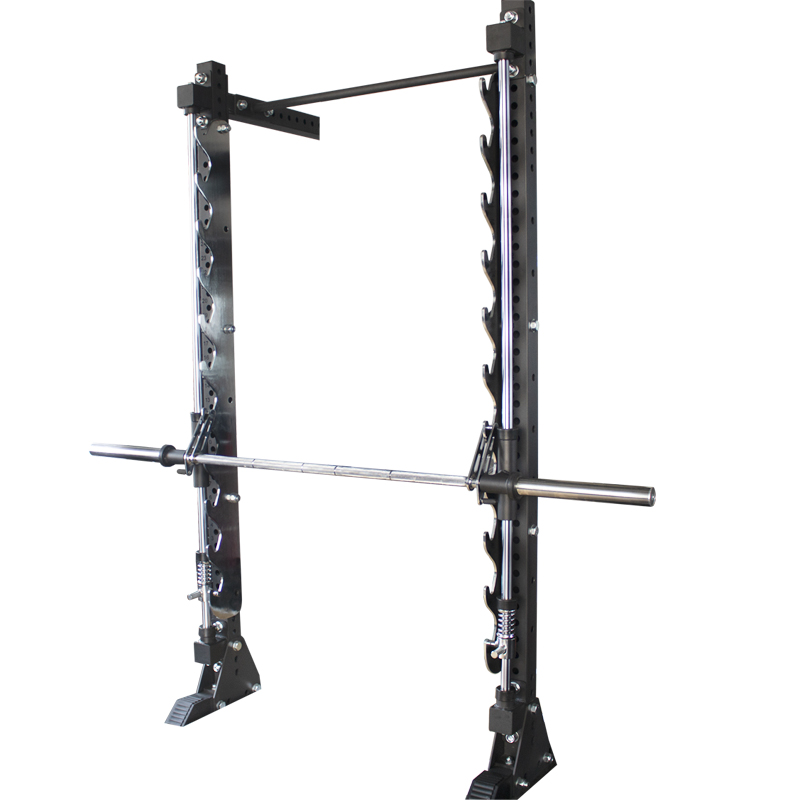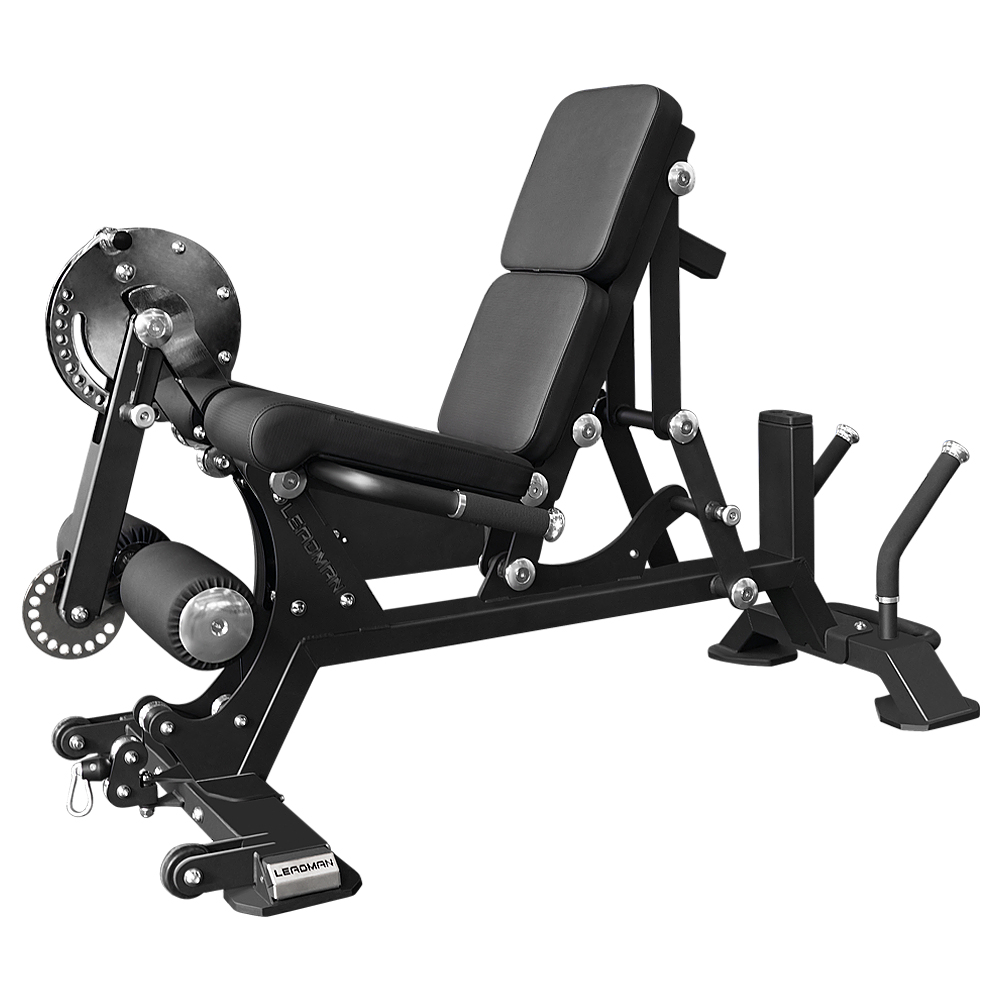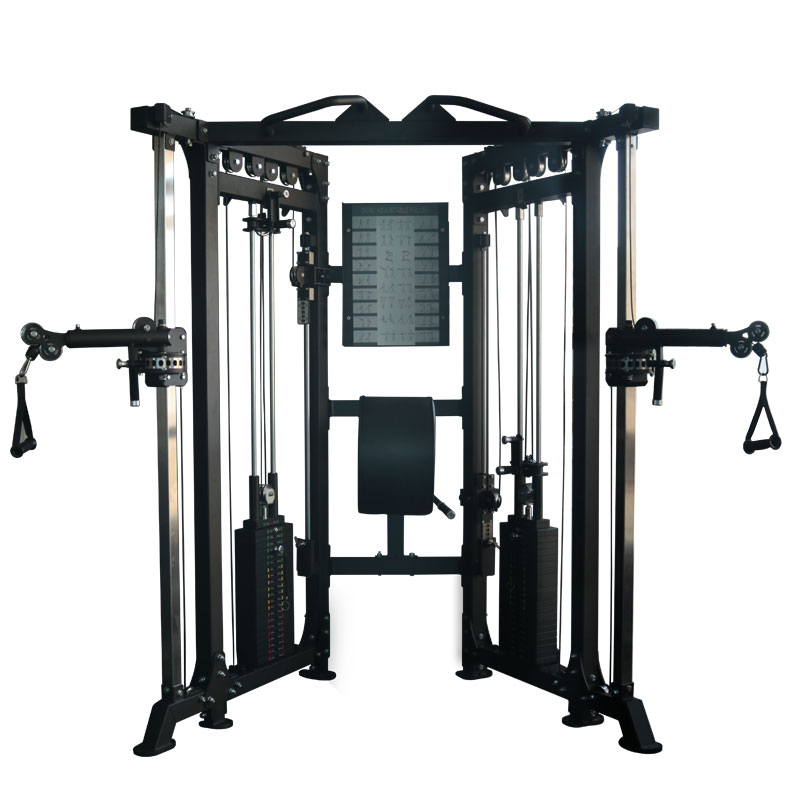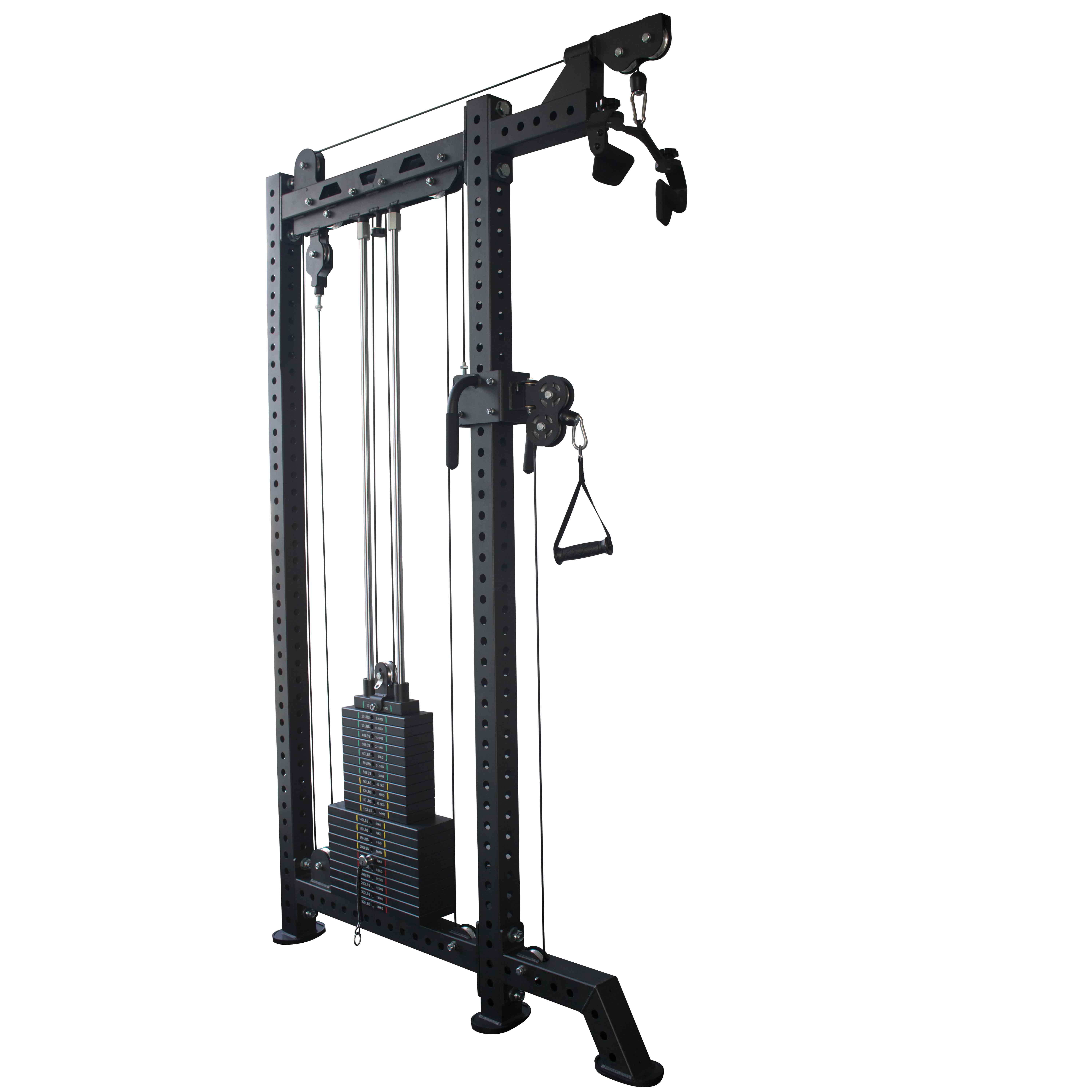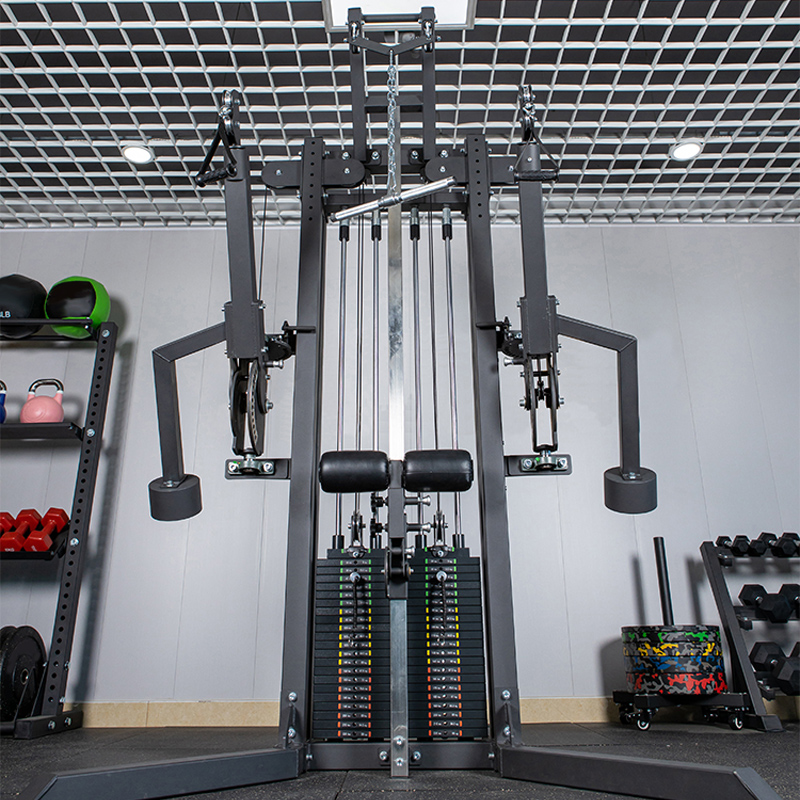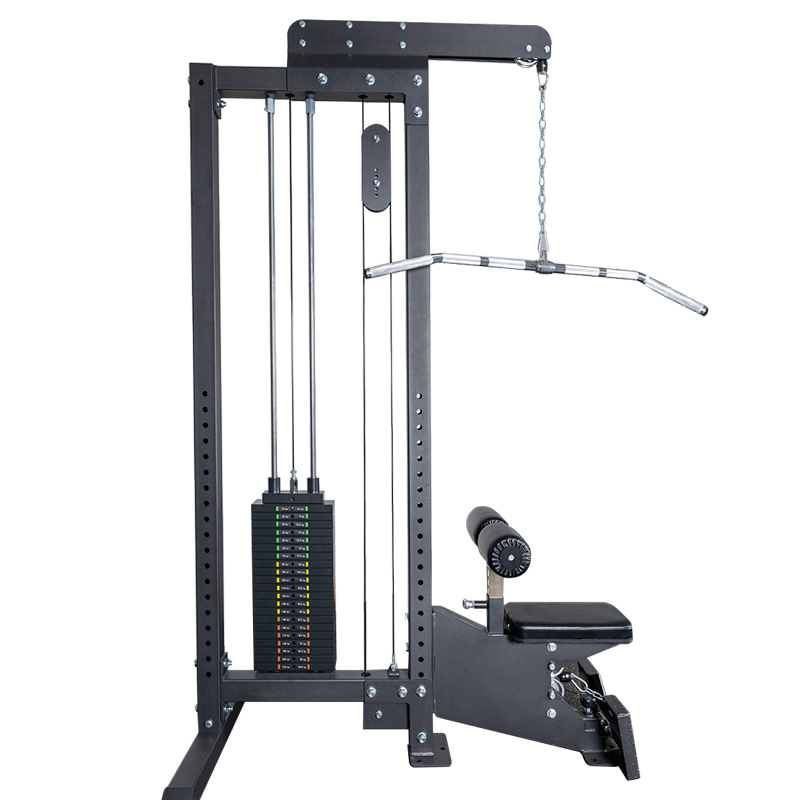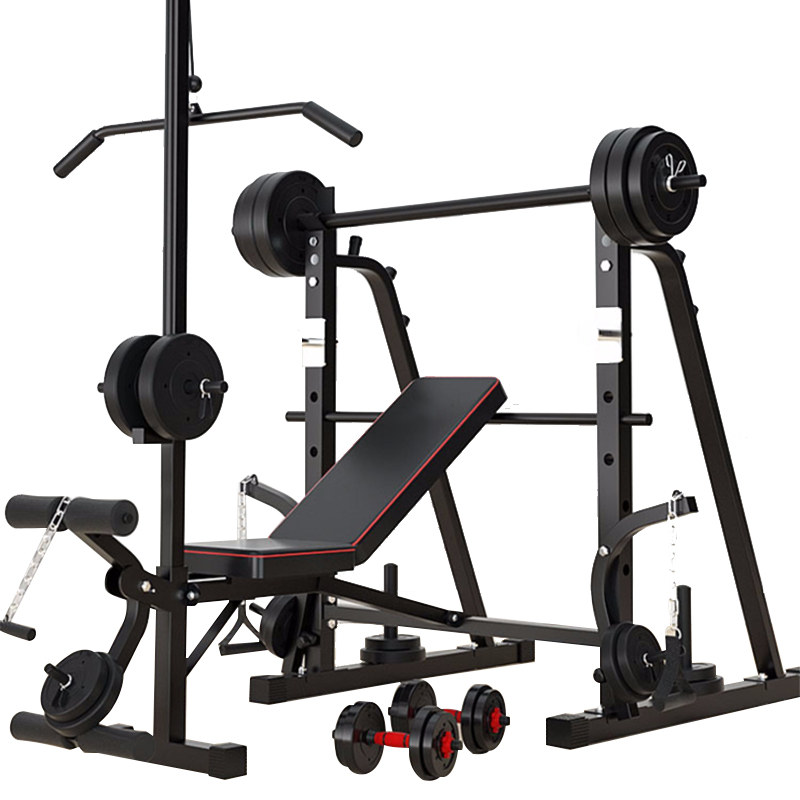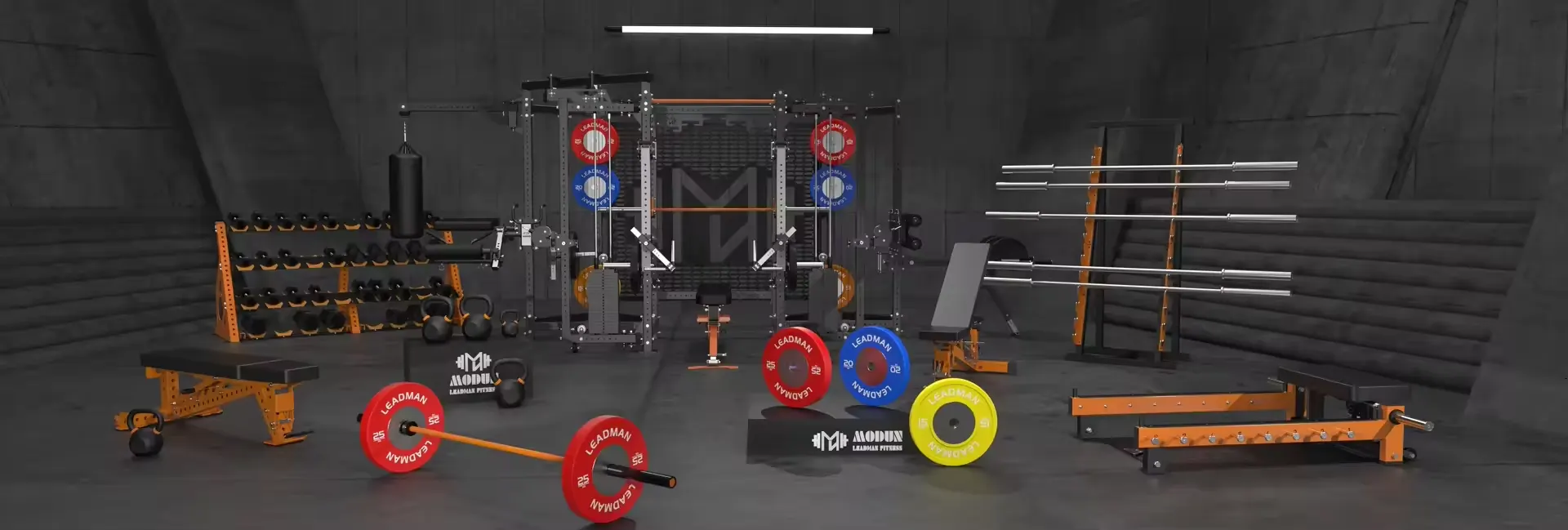
The Smith machine multi gym represents one of the most versatile and frequently utilized equipment configurations in modern commercial fitness facilities, bridging the gap between guided movement patterns and free-weight training benefits. Unlike traditional barbell setups, the Smith machine incorporates a counterbalanced or friction-based carriage system that moves along fixed vertical rails, providing controlled range of motion that enhances safety for both novice lifters and experienced athletes performing complex compound exercises. This multi gym machine configuration typically integrates additional functional stations—such as high and low cable pulleys, adjustable benches, and weight stacks—transforming a single footprint into a comprehensive training hub that supports over fifty distinct exercises targeting all major muscle groups. The mechanical advantage of guided barbell movement reduces the proprioceptive demands of stabilizing heavy loads, allowing users to focus intensively on targeted muscle engagement while minimizing the risk of form breakdown during fatigue.
Evaluating the construction quality of Smith machine multi gym systems requires meticulous attention to rail alignment, carriage bearing design, and the barbell locking mechanism—components that determine both exercise fluidity and operational safety. Premium systems employ linear bearings or polymer bushings that ensure silky-smooth carriage travel across the full range of motion, eliminating the jerky movement patterns that compromise exercise effectiveness and user confidence. The locking system, typically featuring twelve to twenty standardized catch points, must engage reliably with minimal insertion force, enabling users to secure the barbell at any point during an exercise without sacrificing workout rhythm. For commercial environments subject to continuous high-frequency usage, the durability of counterbalance mechanisms—whether weight-assisted or using air/gas spring systems—profoundly influences maintenance intervals and long-term operational costs. Advanced Smith machine with pulley system configurations integrate dual weight stacks that permit independent resistance adjustments for unilateral exercises, significantly expanding programming versatility for strength coaches designing comprehensive rehabilitation or performance enhancement protocols.
Space efficiency represents a compelling advantage of multi gym equipment when compared to assembling individual stations for squatting, pressing, rowing, and cable work. The compact footprint, typically ranging from 36 to 48 square feet, accommodates comprehensive workout capabilities that would otherwise require three to four separate equipment pieces—a critical consideration for facility planners managing square footage constraints without compromising member experience. The integration of chrome guide rods, self-lubricating bearings, and precision-machined weight stack selector pins distinguishes higher-tier systems from entry-level alternatives, delivering the reliability expected in high-traffic commercial settings. For facilities considering home gym Smith machine configurations for premium residential packages or smaller boutique studios, the availability of compact models with foldable or modular designs addresses spatial limitations while maintaining core functionality. The financial case for multi gym investments strengthens significantly when factoring reduced equipment counts, simplified maintenance protocols, and the accessibility benefits that attract broader demographic participation, from rehabilitation clients to advanced strength athletes.

Let our experts design the perfect gym solution for your business. Get a free consultation and quote today.