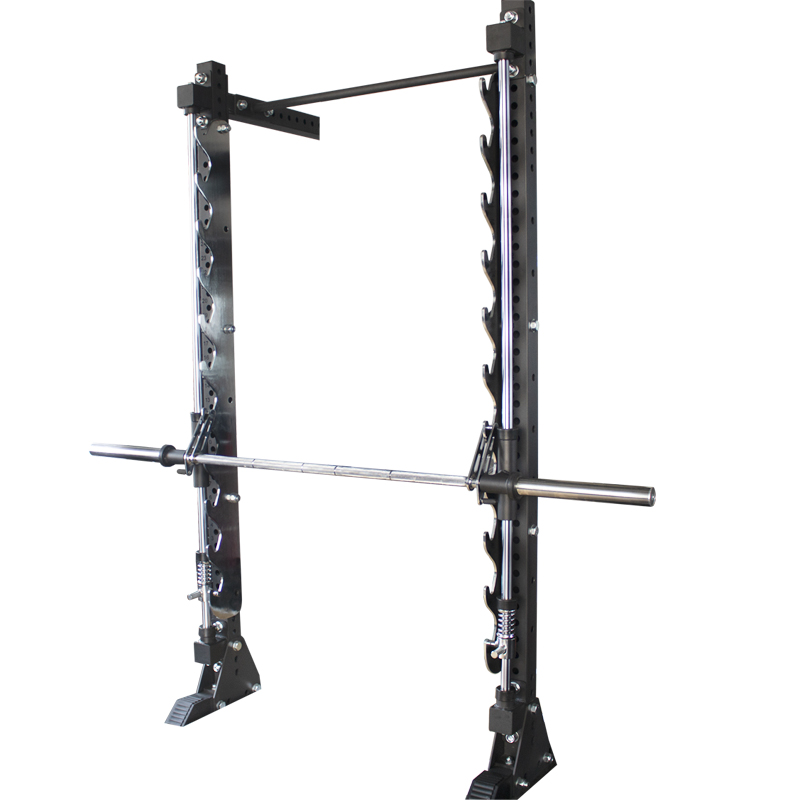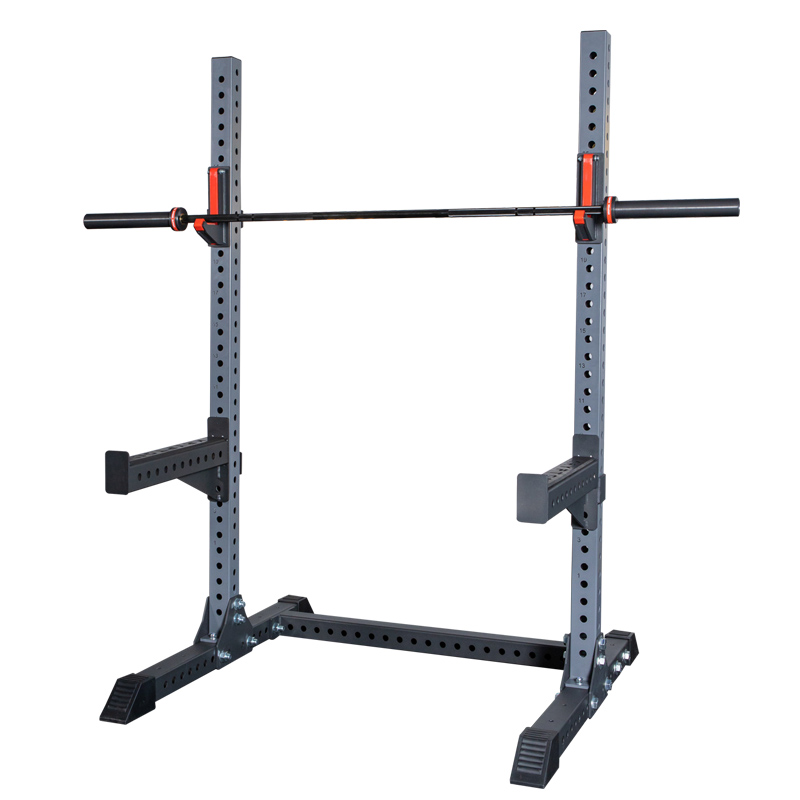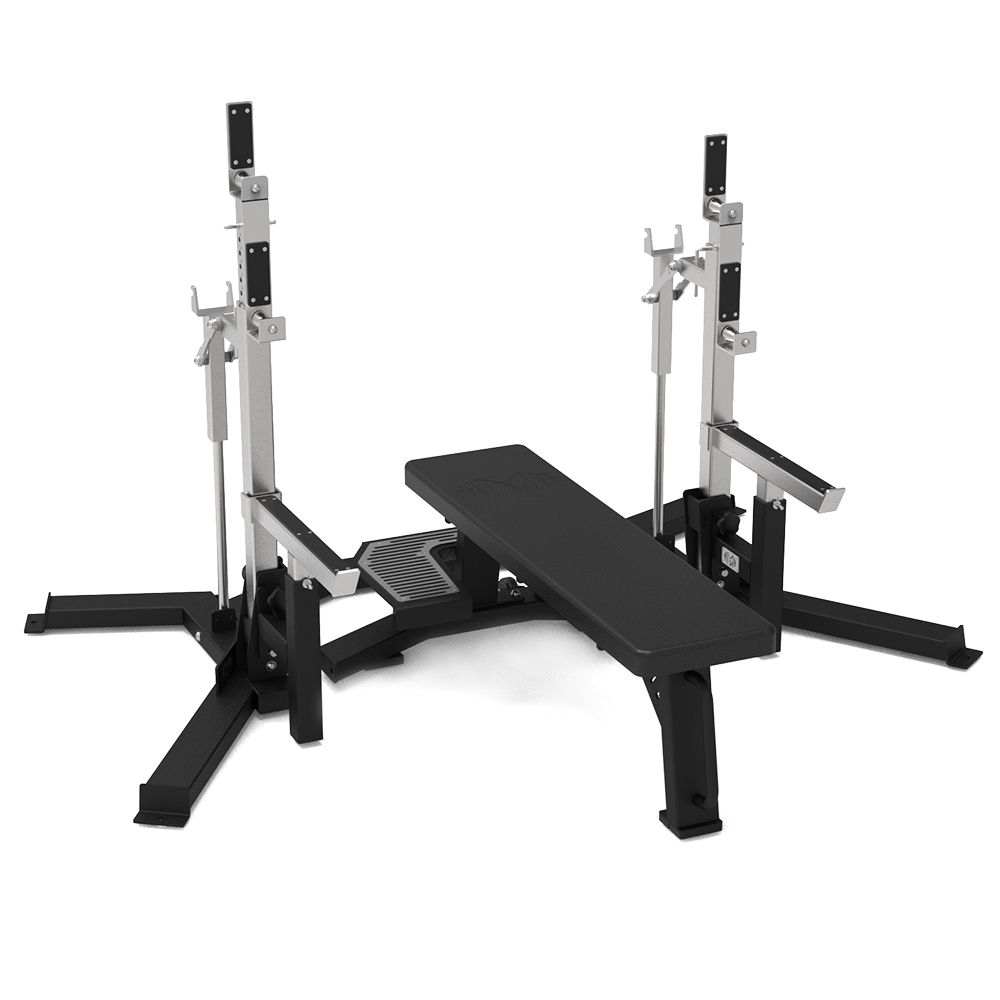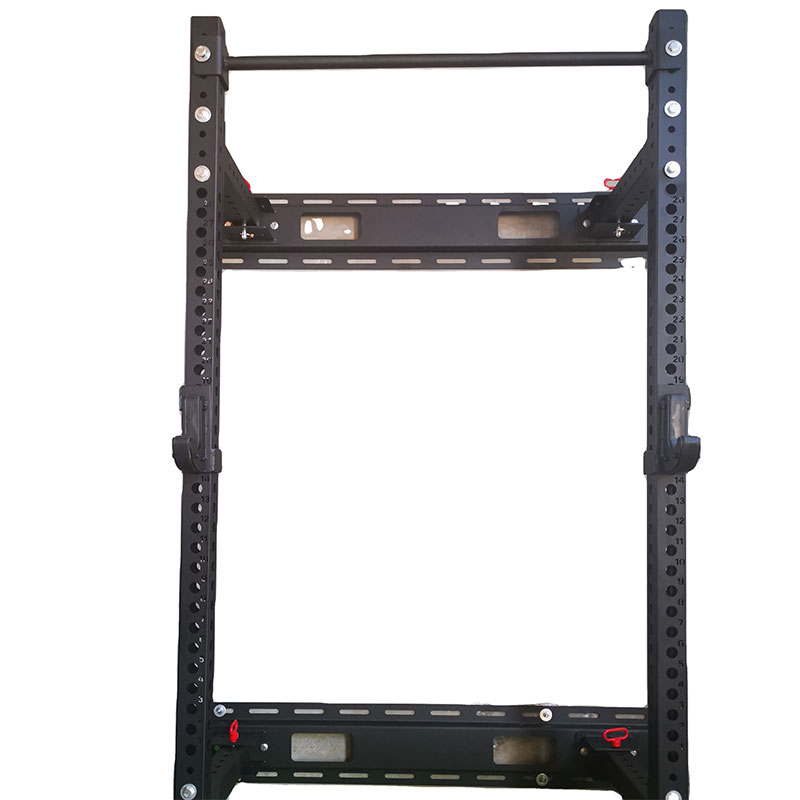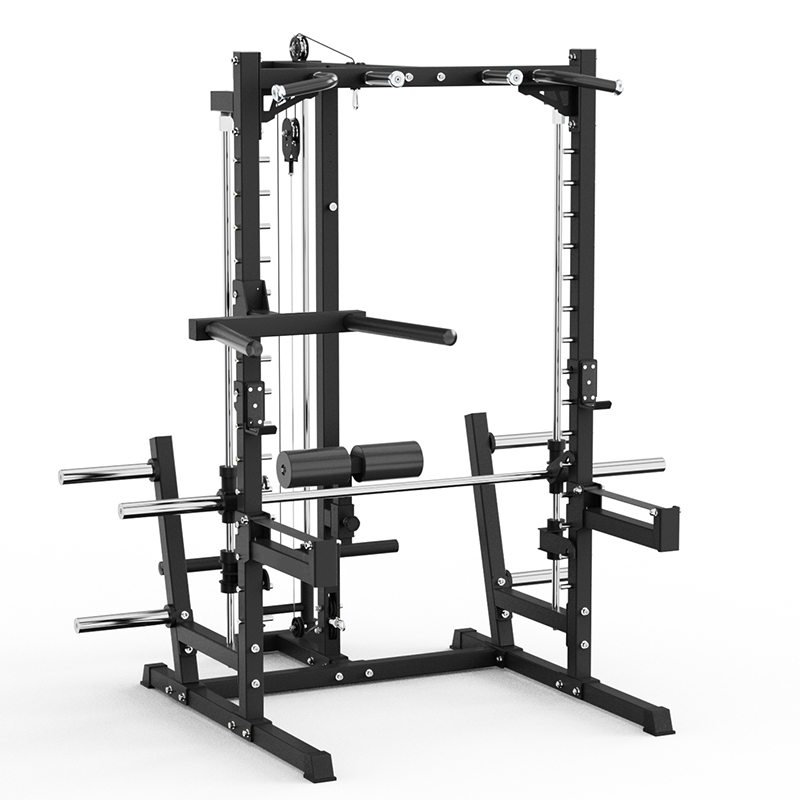
The squats Smith machine exercise variation represents one of the most frequently utilized movements within commercial fitness facilities, offering a guided barbell squat experience that reduces balance demands while maintaining the fundamental biomechanical benefits of the traditional squat pattern. Unlike free-weight barbell squats that require comprehensive stabilization, the Smith machine squat follows a fixed vertical or slightly angled path that enables users to focus intensively on quadriceps engagement without diverting neural resources to balance maintenance. For commercial facilities, the squat Smith machine serves as an essential training tool that accommodates both novice users learning fundamental squat mechanics and experienced athletes pursuing high-volume quadriceps development with reduced injury risk.
The biomechanical efficacy of the Smith machine squat depends significantly on proper foot positioning relative to the vertical bar path, with optimal placement typically positioning the feet approximately 6-12 inches forward of the bar's vertical line to create the posterior pelvic tilt necessary for safe lumbar loading. This forward foot placement distinguishes the Smith machine squat from free-weight squats, where the bar path and foot position maintain more vertical alignment through the mid-foot. For commercial facilities, proper user education on this positional nuance is essential, as incorrect foot placement—particularly positioning feet directly under the bar—can create excessive shear forces on the lumbar spine during deeper squat depths. The fixed movement path of the Smith machine squat also permits the implementation of specialized techniques such as partial range-of-motion repetitions, isometric holds at specific joint angles, and accommodating resistance protocols that target specific phases of the concentric and eccentric movement.
Programming considerations for the Smith machine squat within commercial training regimens should address both the advantages and limitations of guided movement patterns. The reduced stabilization requirement enables practitioners to achieve higher training volumes with lower perceived exertion, making the Smith machine squat particularly effective for hypertrophy phases where volume accumulation represents the primary training stimulus. However, the fixed bar path may limit natural movement variation, potentially creating movement pattern carryover issues for athletes requiring free-weight squat proficiency. Facilities should incorporate both free-weight and Smith machine squat variations within their training offerings, with the former prioritized during technique-development phases and the latter emphasized during high-volume or rehabilitation-focused programming. The integration of accommodating resistance—using bands or chains attached to the Smith machine carriage—provides advanced training options that further enhance the equipment's versatility for diverse programming requirements.

Let our experts design the perfect gym solution for your business. Get a free consultation and quote today.