

Optimizing Facility Longevity with Rubber Olympic Bumper Plates
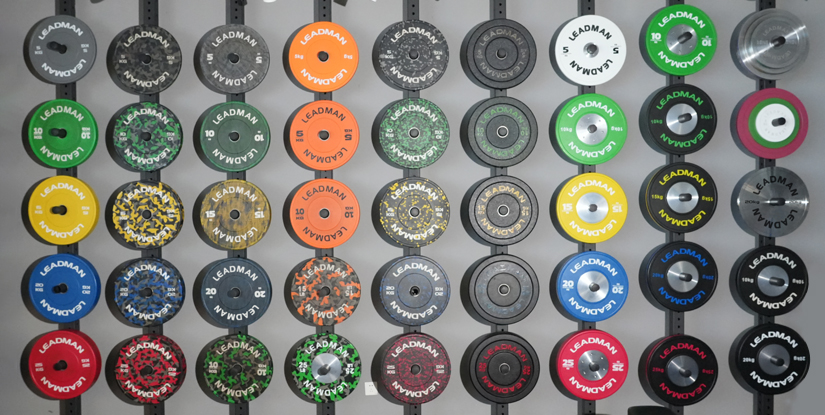
Selecting High-Density Rubber Olympic Bumper Plates
When procurement officers and facility managers evaluate strength equipment, the primary tension lies between initial capital expenditure and long-term operational durability. Selecting the wrong density or material profile for Rubber Olympic Bumper Plates often results in premature cracking, uneven wear, or excessive floor vibration. A professional selection process must move beyond aesthetic appeal to analyze the molecular integrity and structural composition of the material.
Density and Impact Resistance
High-quality bumper plates are typically manufactured from high-density virgin or recycled rubber. The fundamental problem in lower-tier equipment is 'dead' impact—where the rubber lacks the necessary elasticity to return to its original shape after a heavy drop. This leads to permanent deformation and micro-fractures. Operators should look for plates that maintain a consistent shore hardness rating, ensuring that the impact energy is dissipated through controlled rebound rather than structural failure.
Tolerance Standards for Professional Use
In a professional training environment, even a slight deviation in thickness can unbalance a barbell. We recommend checking the tolerances of the weight distribution across the plate surface. Use the following criteria to evaluate potential orders:
| Criteria | Professional Standard | Common Failure Mode |
|---|---|---|
| Weight Tolerance | ±1% to 2% deviation | Significant imbalance in heavy sets |
| Diameter Uniformity | Consistent edge profile | Irregular barbell rotation |
| Edge Durability | Reinforced sidewalls | Cracking during lateral drops |
| Color Fastness | UV stabilized pigments | Fading and surface chalking |
By prioritizing these physical properties during the procurement phase, facilities can significantly reduce their replacement cycles. Once the correct density and tolerance standards are established, the focus must shift to how these plates interact with the supporting infrastructure.
Optimizing Flooring Synergy and Impact Management
The longevity of both your Rubber Olympic Bumper Plates and your facility flooring is inextricably linked to how impact energy is managed. A common failure in gym design is the assumption that any heavy-duty matting is sufficient for high-volume barbell training. Without the proper synergy, the kinetic energy from a dropped heavy weight will eventually cause sub-floor compression or matting delamination.
Mitigating Kinetic Energy Transfer
When a barbell is dropped, the energy travels through the plate, into the floor, and through the building's structure. If the flooring is too rigid, the bumper plate undergoes higher stress, leading to faster edge wear. If the flooring is too soft, the barbell may wobble or become unstable during use. The goal is to achieve a 'controlled dampening' effect. Commercial operators should ensure that the flooring thickness is commensurate with the heaviest weight being used in the facility.
Flooring Material Comparison
Selecting the right surface is not just about thickness, but about the coefficient of friction and energy absorption capacity. Consider these common implementations:
- High-Density Rubber Tiles: Best for high-traffic areas where stability and minor impact absorption are required.
- Multi-Layered EVA/Rubber Mats: Ideal for medium-impact zones, offering superior shock absorption but lower durability under extreme weights.
- Dedicated Lifting Platforms: Essential for heavy weightlifting zones to isolate impact and protect the structural sub-floor.
Ensuring the floor can handle the impact protects the physical integrity of the plates. With the foundation secured, the next priority is the maintenance of the plates themselves to prevent surface degradation.
Routine Maintenance and Inspection of Bumper Plates
Even the highest quality Rubber Olympic Bumper Plates require a systematic inspection cadence to ensure user safety and equipment lifespan. Ignoring subtle changes in material texture or surface integrity can lead to catastrophic failure during high-intensity training sessions. A formal maintenance protocol prevents the 'reactive replacement' trap, where costs spike due to neglected upkeep.
Visual and Physical Inspection Checklist
Operators should integrate a monthly inspection into their standard operating procedures. This prevents the buildup of minor issues that eventually cause equipment to be decommissioned. Use this checklist to verify plate health:
| Inspection Point | What to Look For | Action Required if Failed |
|---|---|---|
| Surface Texture | Loss of grip or extreme chalk buildup | Deep cleaning with mild detergent |
| Edge Integrity | Nicks, cracks, or crumbling rubber | Mark as 'out of service' immediately |
| Central Hub/Sleeve | Deformation or loose fit on barbell | Check for internal ring/bearing issues |
| Odor/Chemicality | Strong chemical or burning smell | Investigate environmental heat sources |
The most frequent mistake is attempting to clean plates with harsh solvents or high-pressure water, which can strip the protective coatings and accelerate the degradation of the rubber. Always use a neutral pH cleaner and a soft cloth. Regularity in these checks ensures that the plates remain a reliable asset rather than a liability.
Explore the complete technical specifications:
Standard Operating Procedures for Safe Usage
The technical durability of Rubber Olympic Bumper Plates is only one half of the safety equation; the other half is human behavior and loading technique. Improper loading practices can create uneven weight distributions that stress the internal steel or plastic rings, leading to premature failure of the weight system.
Correct Loading and Unloading Protocols
To maintain the structural integrity of the plates, operators must enforce strict loading rules. The most common cause of plate damage is 'offset loading,' where weights are added to one side of the barbell significantly before the other. This creates a torque effect that can warp the internal sleeve of the bumper plate. Ensure that plates are added in balanced increments to keep the barbell level during the loading process.
Verifying Proper Barbell Alignment
A critical safety step is ensuring that the plates are seated correctly against the barbell collars. If a plate is loosely seated, the vibration from a drop can cause the plate to 'walk' or shift, potentially leading to a sudden weight imbalance. Operators should verify the following during every session:
- Collar Tightness: Are the collars fully engaged and securing the weight stack?
- Sleeve Centering: Is the plate centered on the barbell to prevent lateral weight shifts?
- Vertical Drop Path: Is the dropping zone clear of obstructions that might cause the bar to bounce erratically?
Consistent enforcement of these protocols minimizes the physical strain on the equipment. This operational discipline leads directly into the long-term economic analysis of your equipment lifecycle.
Explore the complete technical specifications:
Long-Term ROI and Equipment Lifecycle Management
Viewing Rubber Olympic Bumper Plates as a consumable rather than a long-term asset is a common error that leads to high turnover and budget instability. A professional approach involves calculating the Total Cost of Ownership (TCO) rather than just the initial purchase price. This includes the cost of replacement, downtime, and potential floor repair.
The Cost of Quality vs. Cheap Alternatives
While low-cost rubber plates may seem attractive during initial procurement, their lifecycle is often drastically shorter. The 'hidden costs' of cheaper equipment include increased labor for frequent replacements and the potential for facility damage. High-density, professional-grade plates offer a higher upfront cost but a significantly lower cost-per-use over a five-year period.
Projecting Replacement Cycles
To manage budgets effectively, facility managers should track the 'usage intensity' of different zones. A high-intensity training zone will have a much faster replacement cycle than a standard strength training area. Use the following estimation model to plan your next procurement cycle:
- High-Impact Zones: Expect a 2–3 year replacement cycle for premium rubber components.
- Standard Strength Zones: Expect a 5+ year replacement cycle with minimal maintenance.
- Low-Volume/Home Settings: Can extend beyond 7 years with proper storage.
By tracking these metrics, you can move from a reactive purchasing model to a strategic, predictive one. Successful lifecycle management is ultimately determined by how well the initial selection, installation, and maintenance phases were executed.
Explore the complete technical specifications:
Optimizing Storage and Environmental Controls
Even after the initial deployment, the longevity of Rubber Olympic Bumper Plates depends heavily on how they are stored when not in use. Environmental factors such as extreme temperature fluctuations and UV exposure can fundamentally alter the polymer structure of the rubber, leading to brittleness or stickiness.
Storage Best Practices and Environmental Parameters
A common mistake in facility management is leaving high-quality plates in areas subject to direct sunlight or unconditioned air. To prevent premature aging, implement the following storage protocols:
- Temperature Stability: Store plates in a climate-controlled environment. Avoid areas where temperatures exceed 100°F (38°C) to prevent rubber softening.
- UV Protection: Keep plates away from windows or direct sunbeams to prevent pigment bleaching and surface oxidation.
- Stacking Limitations: Do not stack plates excessively high. The weight of a large stack can cause the bottom plates to undergo permanent deformation over several months.
Storage Environment Checklist
Before finalizing your storage area layout, verify that your facility meets these basic requirements for long-term equipment preservation:
| Environmental Factor | Ideal Condition | Negative Impact if Ignored |
|---|---|---|
| Light Exposure | Dark or shaded areas | UV-induced cracking and fading |
| Humidity Control | Low to moderate humidity | Potential oxidation of internal metal rings |
| Stack Height | Max 4-5 plates per stack | Structural deformation of base plates |
By controlling the environment in which your equipment rests, you extend the functional life of your investment. This proactive approach to storage, combined with rigorous maintenance and smart selection, ensures that your facility remains a high-performance space for years to come.