

Understanding Commercial Fitness Equipment Manufacturers: A Technical Production Guide
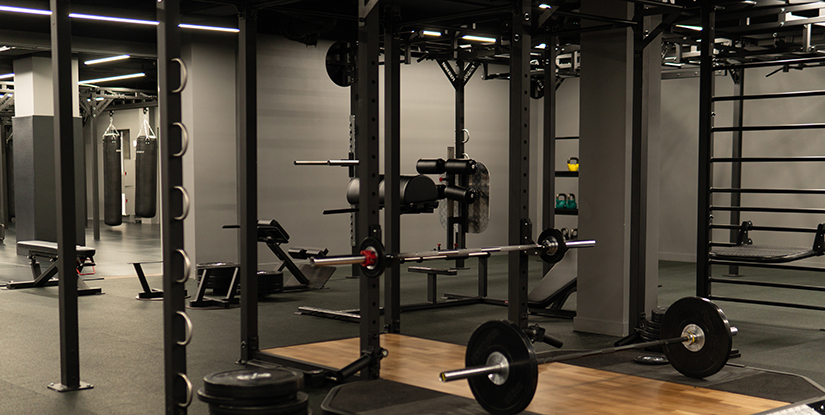
The Engineering Landscape of Commercial Fitness Equipment Manufacturers
For facility operators and procurement specialists, the decision to partner with specific Commercial Fitness Equipment Manufacturers often hinges on more than just aesthetic appeal. The true distinction lies in the mechanical reliability and the structural integrity of the machines provided. A poorly manufactured strength machine or a low-grade cardio unit does not just fail to perform; it creates significant liability through mechanical breakdown and user injury. Understanding the 0→1 manufacturing process allows buyers to move beyond superficial marketing and evaluate the actual engineering rigor behind the product line.
The fundamental problem in high-traffic environments is the divergence between consumer-grade and commercial-grade construction. While a consumer machine may use thinner gauge steel or plastic bushings, commercial-grade units require high-tensile components to withstand thousands of cycles daily. This technical gap is where most procurement errors occur, often resulting in high replacement costs within the first 24 months of operation. To mitigate these risks, one must understand the foundational layers of production, starting with material selection and structural metallurgy.
Material Selection and the Metallurgy of Durability
The durability of commercial-grade equipment is predicated on the quality of raw inputs. Manufacturers must balance weight, strength, and cost-effectiveness during the initial phase of production. If the material selection is flawed, even the most advanced mechanical design will fail due to fatigue or structural deflection.
Steel Gauges and Structural Integrity
Most high-end manufacturers utilize heavy-duty steel tubing for the main frames. The thickness of this steel, or the gauge, is a critical decision parameter. For instance, a frame constructed from 11-gauge steel will offer significantly more stability and resistance to torsional twisting than one made from 14-gauge or lighter materials. The problem arises when manufacturers use thinner steel to reduce shipping weights or costs, leading to frame wobble during heavy lifts. Operators should verify the steel specifications, as a rigid frame is the backbone of user safety.
Advanced Coating and Surface Finish Standards
The surface finish is not merely for aesthetics; it is a functional barrier against oxidation and sweat-induced corrosion. High-quality manufacturers utilize multi-stage powder coating processes. This involves chemical pre-treatment, electro-deposition, and high-temperature curing. A common failure mode in lower-tier production is the application of thin, low-quality paint that chips easily under impact, exposing the metal to moisture. A deep, durable finish ensures the longevity of the machine in humid or high-use environments.
| Material Component | Standard Implementation | Common Defect/Lower Tier | Verification Step |
|---|---|---|---|
| Frame Tubing | 11-12 Gauge Heavy Steel | 14-16 Gauge Light Steel | Measure wall thickness with calipers |
| Surface Finish | Electrostatic Powder Coating | Liquid Spray Paint | Inspect for chipping or uneven texture |
| Bearing Assemblies | Sealed Precision Ball Bearings | Open or Non-Sealed Bushings | Test for smooth, frictionless rotation |
| Upholstery | High-Density PU/Vinyl with UV Protection | Standard Foam with Thin Fabric | Press for density; check seam strength |
Establishing these material benchmarks is the first step in a rigorous procurement audit. Once the physical frame is secured, the focus shifts toward the complex internal mechanical systems that drive movement.
Precision Mechanics: The Assembly of Movement Systems
Transitioning from the static frame to the dynamic movement system involves a massive increase in technical complexity. The precision of a machine's movement dictates whether a user experiences a smooth, ergonomic resistance or a jerky, disruptive motion that can damage joints. The mechanical assembly is where the difference between high-end and mid-tier manufacturers becomes most visible.
Bearing Integration and Friction Management
The core of any resistance-based machine is its bearing and pivot system. High-quality manufacturers utilize sealed precision bearings to prevent debris and lubricant leakage. A common cause of mechanical failure in commercial environments is the use of low-grade plastic bushings that wear down rapidly under high load. When a bushing fails, the resulting friction creates heat and noise, eventually leading to a complete seizure of the movement axis. Operators should test for "smoothness"—any sensation of grinding or uneven resistance is a red flag for substandard bearing integration.
Cable and Pulley Engineering
For cable-based equipment, the quality of the cable itself is paramount. Commercial cables are typically made from multi-strand aircraft-grade steel with a nylon or UHMW polyethylene coating. This coating serves two purposes: reducing friction within the pulley system and protecting the steel strands from fraying. A frequent failure mode in lower-quality units is the use of thin, single-strand cables that lack the tensile strength for heavy lifting, leading to sudden snapping. Verification of cable diameter and sheath durability is an essential step in the inspection process.
Pulley Material and Groove Geometry
The pulleys that guide the cables must be engineered with precise groove geometry to ensure the cable stays centered. If the pulley is made of hard, brittle plastic, it may crack under load. If it is too soft, it may deform. Ideal commercial pulleys are often made of high-strength nylon or aluminum with high-density composite components. Ensuring the pulley material is robust prevents the cable from climbing the sidewalls of the pulley, which is a primary cause of cable wear and eventual breakage.
As the mechanical components are integrated, the assembly moves toward the final stages of structural hardening. This brings us to the critical importance of joining techniques and fastening protocols.
Explore the complete technical specifications:
Core Certification Systems for Professional Fitness Equipment Manufacturers
Structural Fastening and Welding Integrity
Even the best steel and bearings are useless if the components are not joined with precision. The transition from individual parts to a single, cohesive machine relies heavily on the quality of welding and the rigidity of the fastening systems. This stage is where structural flaws often become permanent if not properly managed during the manufacturing cycle.
Weld Quality and Joint Strength
In steel-frame manufacturing, the weld is the most critical point of potential failure. High-quality Commercial Fitness Equipment Manufacturers employ certified welders and automated robotic welding for consistency. The goal is a deep-penetration weld that fuses the metal layers thoroughly. A common defect is the "cold weld," where the surface looks joined, but the penetration is shallow, leading to cracks under stress. Operators can often identify poor welds by looking for porosity (tiny holes) or unevenness in the bead texture.
Bolt Torque and Vibration Resistance
Because fitness equipment is subject to constant vibration and rhythmic loading, the fasteners used must be highly reliable. Standard bolts can loosen over time due to the vibration inherent in heavy lifting or cardiovascular movement. Professional-grade manufacturers use high-tensity bolts and often incorporate locking mechanisms such as nylon-insert nuts (Nyloc) or thread-locking compounds. A failure to properly torque these bolts during assembly leads to a machine that becomes "rattly" or, in extreme cases, structurally unstable.
| Fastener Type | High-End Specification | Low-End/Failure Mode | Operational Red Flag |
|---|---|---|---|
| Main Frame Bolts | Grade 8 High-Tensile Steel | Zinc-Plated Standard Bolts | Visible loosening or rust at joints |
| Locking Mechanisms | Nyloc/Thread-Locking Compounds | Basic Hex Nuts | Rattling or clicking sounds during use |
| Weld Type | Full Penetration/Continuous Weld | Tack/Spot Welding | Cracks appearing at joint interfaces |
| Bushings/Mounts | Polyurethane/Reinforced Rubber | Hard Plastic/Thin Rubber | Excessive movement or noise at pivot |
Verifying the integrity of these joints ensures that the machine remains a single, stable unit throughout its operational life. However, the assembly process is only complete once the machine is calibrated and the resistance-generating elements are properly tuned.
Explore the complete technical specifications:
Hidden Costs of Choosing the Wrong Fitness Equipment Manufacturer
The Complexity of Resistance Generation: Magnetism and Fluid Dynamics
While strength equipment relies on physical weights and cables, much of the modern commercial market is driven by cardio equipment. These machines rely on completely different mechanical principles: electromagnetic resistance and fluid dynamics. Understanding these systems is vital for evaluating the longevity of cardio fleets.
Electromagnetic Resistance and Motor Control
In high-end motorized treadmills or stationary bikes, resistance is often generated through electromagnetic induction. A high-quality motor must be capable of providing consistent resistance without generating excessive heat. The problem with lower-tier motorized units is the overheating of the control board or the motor itself, which leads to diminished performance or complete electronic failure. A key verification step for operators is checking the motor'width and the thermal management (ventilation) of the electronics housing.
Magnetic Resistance in Stationary Bikes
Non-motorized indoor cycles often use magnetic resistance, where a magnet moves closer to a spinning flywheel to increase drag. The precision of this movement is critical. If the magnetic gap is not controlled with high tolerances, the resistance will feel uneven or "pulsing." This is often caused by low-quality magnetic assemblies that lack precision-engineered tracks. Ensuring the resistance adjustment is smooth and linear is the best way to verify a high-quality build.
Fluid and Air Resistance Mechanisms
Some cardio equipment utilizes air or water resistance to simulate natural movement. In these systems, the density of the fluid or the aerodynamic profile of the flywheel is the primary driver of resistance. A common failure in air-based systems is the excessive noise or vibration caused by poorly balanced flywheels. High-quality manufacturers ensure that the flywheels are precision-balanced to minimize vibration, which protects both the machine's bearings and the user's joints.
Once the resistance systems are successfully integrated, the final step of the manufacturing process shifts toward the human-machine interface and the ergonomics of the user experience.
Explore the complete technical specifications:
Ergonomics and the Human-Machine Interface (HMI)
A machine can be mechanically perfect, but if it is not ergonomically compatible with the human body, it will fail to meet the needs of a professional gym. Ergonomics encompasses everything from the seat height adjustability to the placement of touchscreens. Poorly designed interfaces often lead to user frustration or, worse, improper form that causes injury.
Adjustability and User Customization
Commercial users come in all shapes and sizes, making adjustability a non-negotiable requirement. High-quality manufacturers design adjustment points that are easy to use, even with sweaty hands, and that can withstand thousands of cycles without stripping. A frequent failure mode is the use of plastic adjustment knobs that break under the pressure of a heavy user. Operators should look for steel-reinforced adjustment mechanisms and wide ranges of movement for seats, pedals, and handles.
Upholstery Longevity and Hygiene Standards
The contact points of a machine—seats, pads, and handles—are the most vulnerable to both mechanical wear and biological contamination. Professional-grade upholstery is typically made from high-density polyurethane (PU) with antimicrobial properties. The problem with cheap upholstery is that it absorbs sweat and cracks easily, creating a hygiene issue. A high-quality machine will feature seamless or reinforced stitching to prevent the foam from protruding through the cover over time.
The Digital Interface and Software Integration
In the modern era, the HMI is often a digital screen. The complexity here involves software stability and hardware durability. A quality manufacturer ensures that the console is resistant to moisture and that the software can handle high-frequency use without lagging or crashing. When evaluating these units, check the responsiveness of the interface and the durability of the mounting bracket for the screen.
As we reach the final stage of the manufacturing overview, it is essential to summarize the verification steps required to ensure that the equipment purchased meets the rigorous standards of professional facilities.
Explore the complete technical specifications:
Identifying the Best Fitness Manufacturer for Commercial Use
Final Procurement Checklist for Facility Operators
To avoid the pitfalls of inferior manufacturing, procurement teams should use a structured approach to verification. Do not rely solely on a manufacturer's specification sheet; instead, look for physical evidence of the engineering processes discussed above.
- Visual Inspection: Examine weld beads for consistency and check for any surface irregularities in the powder coating.
- Mechanical Test: Operate the machine through its full range of motion to detect any friction, grinding, or uneven resistance.
- Material Verification: If possible, use a caliper to check the steel gauge on major frame components.
- Stability Test: Apply lateral pressure to the machine to ensure the frame does not wobble or deflect excessively.
- Component Check: Inspect the type of fasteners (e.g., look for Nyloc nuts) and the quality of the cable sheathing.
By adhering to these technical standards, facility managers can move from being simple buyers to informed industry professionals who prioritize long-term reliability over initial cost savings.