

Professional Sourcing Guide for Fitness Equipment Stores
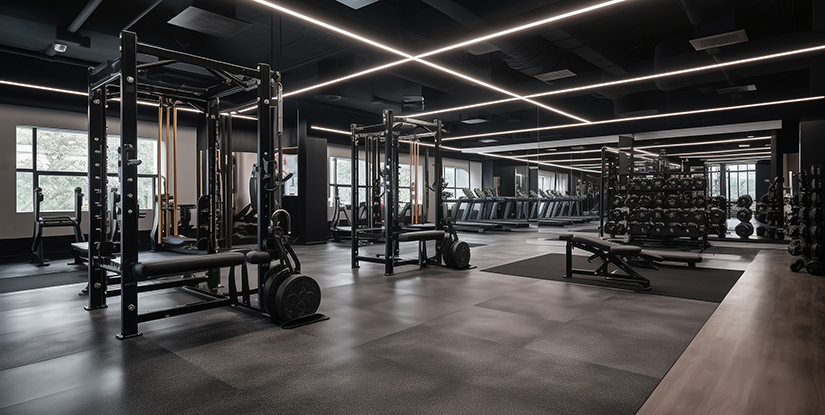
Procuring high-quality hardware for a commercial or premium home facility often begins with a single, critical friction point: the inability to distinguish between consumer-grade retail and true commercial-grade inventory. Many facility operators face the problem of premature component fatigue, where resistance cables snap or electronic consoles fail within months of installation. This failure is rarely due to poor usage; rather, it stems from sourcing equipment from providers that do not differentiate their stock by duty cycle. Understanding the operational nuances of Fitness Equipment Stores is the first step in mitigating these long-term capital expenditures.
Evaluating Inventory Durability and Duty Cycle Classifications
Before engaging with any potential supplier, an operator must understand the fundamental distinction between domestic and commercial specifications. The core cause of equipment failure in professional settings is often the application of a high-frequency workload to a machine designed for low-frequency use. A professional facility requires equipment capable of constant, heavy-duty use without thermal buildup or mechanical strain.
When navigating various Fitness Equipment Stores, you must demand clarity on the machine's duty cycle. A duty cycle refers to the frequency and intensity of use the machine can sustain before requiring non-scheduled maintenance. For instance, a treadmill intended for a home office will lack the reinforced motor cooling systems required for a high-traffic gym environment. Relying on a consumer-grade motor under commercial loads leads to overheating and permanent electronic failure.
| Specification Factor | Residential Grade | Commercial Grade (High-Traffic) |
|---|---|---|
| Motor Cooling | Passive/Standard | Active/Advanced Heat Dissipation |
| Frame Construction | Lightweight Steel/Aluminum | Heavy-Gauge Reinforced Steel |
| Warranty Coverage | Limited to Private Use | Structured for Business Operations |
| Component Lifespan | Low-to-Medium Durability | Maximum Endurance/Constant Load |
Verifying these specs requires more than reading a brochure; you must inspect the thickness of the steel tubing and the robustness of the weld points. Once you have identified the correct durability class, the next critical decision involves the logistical complexities of procurement and onsite installation.
Strategic Procurement and Logistics Coordination
Selecting the right tier of equipment is only half the battle; the secondary challenge lies in the logistics of moving heavy, precision-engineered machinery into a controlled environment. A common mistake among new facility managers is failing to account for the spatial and structural requirements of the delivery process.
Effective procurement involves more than just a transaction; it is a coordination of site readiness and delivery windows. Many operators overlook the necessity of professional installation, choosing instead to rely on standard freight delivery. However, high-end resistance machines and large-scale strength stations require precision calibration during the assembly phase to ensure alignment and safety.
Site Readiness Checklist
- Floor Load Capacity: Ensure the subfloor can support the static and dynamic weight of heavy strength machines.
- Clearance Zones: Verify a minimum 36-inch clearance around all moving parts and high-impact areas.
- Power Requirements: Confirm that electrical circuits can handle the peak draw of multiple high-performance treadmills or ellipticals simultaneously.
- Entry Point Dimensions: Measure all doors and hallways to ensure large-scale equipment can pass through without damage.
By preparing the site according to these professional standards, you reduce the risk of delivery delays and assembly errors. Proper site preparation leads directly into the more technical phase of inspecting the physical integrity of the delivered units.
Explore the complete technical specifications:
Olympic Fitness Equipment: Competition Specifications and Facility Guide
Technical Inspection Protocols for Delivered Inventory
The transition from a delivered unit to an operational machine is where many technical defects are first encountered. If an operator fails to perform a rigorous initial inspection, subtle manufacturing flaws or transit-induced misalignments may go unnoticed until a user experiences a failure during use.
Upon receipt of equipment from Fitness Equipment Stores, a systematic inspection protocol must be executed. This process targets three main areas: structural integrity, mechanical movement, and electronic function. A failure to verify these can result in catastrophic failure of bearings, belts, or drive systems.
The Three-Tier Inspection Process
1. Structural Integrity Check: Examine every weld point for cracks or discoloration. Check all bolts and fasteners to ensure they meet the required torque specifications. A loose bolt in a heavy strength station can lead to catastrophic vibration and eventual frame fracture.
2. Mechanical and Movement Audit: For machines with moving parts (such as cable pulleys or treadmills), test the smooth transition of the weight stack or belt. Listen for irregular grinding or high-pitched squealing, which indicates a lack of lubrication or a misalignment in the pulley system. If a belt feels uneven or jerky, the tensioning system is likely miscalibrated.
3. Electronic and Interface Verification: Power on all consoles and cycle through every function. Verify that sensors (such as heart rate monitors or speed sensors) are transmitting accurate data. In many cases, software glitches or sensor connectivity issues are detectable only during the first full-cycle operation.
Establishing a rigid inspection baseline ensures that any shipping damage or manufacturing defects are identified and addressed before the machine enters service. This rigorous verification process provides the necessary foundation for a long-term maintenance cycle.
Explore the complete technical specifications:
Fitness Equipment Trading Company: Sourcing, Logistics & Procurement
Preventative Maintenance and Lifecycle Management
Once the equipment is successfully installed and verified, the focus must shift from procurement to long-term operational stability. The most common cause of equipment downtime in a commercial setting is the absence of a structured maintenance schedule, often leading to the "reactive repair" trap where parts are only replaced after they break.
A proactive approach to maintenance involves regular intervals of lubrication, cleaning, and component replacement. For instance, high-use motorized equipment requires periodic belt tension checks and motor brush inspections to prevent total motor failure. Without these, the internal friction causes excessive heat, which eventually degrades the electronic control boards.
| Maintenance Task | Frequency (High-Traffic) | Primary Goal | Verification Method |
|---|---|---|---|
| Lubrication (Pulleys/Bearings) | Bi-Weekly / Monthly | Reduce friction and wear | Smooth, silent movement |
| Belt Tension Adjustment | Quarterly | Optimize power transfer | Correct tension via manufacturer spec |
| Fastener Torque Check | Quarterly | Maintain structural stability | Torque wrench verification |
| Deep Surface Cleaning | Weekly | Prevent corrosion/abrasion | Visual inspection of frame/upholstery |
Failure to follow these cycles often results in an exponential increase in repair costs. For example, neglecting to clean dust from a treadmill motor cover can lead to a short circuit in the control board, an expensive repair that could have been avoided with basic air-compression cleaning. Consistent upkeep is the only way to guarantee the ROI of your initial purchase.
Explore the complete technical specifications:
Fitness Equipment Wholesalers: Commercial Sourcing Partnerships Guide
Addressing Common Failures in Resistance and Cardio Systems
Despite best efforts in maintenance, certain mechanical issues are inevitable in high-performance environments. Understanding the underlying causes of these failures allows an operator to react quickly and minimize downtime. Most common failures are not spontaneous; they are the end result of a specific mechanical or environmental stressor.
In the realm of resistance training, cable snapping is a frequent concern. This is often caused by the fraying of the internal wire due to insufficient lubrication or the use of low-grade cables that cannot withstand repetitive bending stress. In the cardio sector, motor overheating is the primary culprit for electronic failure, often driven by high ambient room temperatures or blocked air intake vents.
Troubleshooting Guide for Operators
Problem: Jerky or Uneven Treadmill Motion
Possible Cause: Worn running belt or uneven deck surface.
Action: Check belt tension and inspect the deck for debris. If the surface is worn, a full deck replacement is required to prevent damage to the drive motor.
Problem: Noisy Cable Pulley Systems
Possible Cause: Lack of lubrication or worn bushings.
Action: Apply a high-grade silicone-based lubricant to the pulley wheels. If the noise persists, the bearings within the pulley may be damaged and require replacement.
Problem: Console Display Unresponsive
Possible Cause: Power surge or moisture intrusion.
Action: Check the power connection and reset the circuit breaker. If the issue is moisture-related, the control board may need a professional electronic repair or total replacement.
Identifying these patterns early allows for more effective discussions with Fitness Equipment Stores regarding replacement parts or specialized service requests. Once these failure modes are mastered, the operator can focus on the broader strategic goals of the facility.
Explore the complete technical specifications:
Custom Gym Cables | Bespoke Wire Rope Assemblies for Fitness Equipment
Strategic Selection Criteria for Long-Term Facility Growth
As a facility grows, the need for modularity and scalability becomes apparent. The final stage in the procurement journey is recognizing that your current equipment needs are likely part of a larger, evolving landscape. Choosing equipment that allows for easy upgrades or expansion is a hallmark of professional management.
When evaluating potential Fitness Equipment Stores, ask about their product roadmap and the availability of modular components. A high-quality provider will offer machines that can be upgraded with new software, better consoles, or different resistance modules. This prevents the entire machine from becoming obsolete just because a single electronic component has fallen behind technological trends.
The ability to scale your facility is often limited by the footprints of the equipment you choose today. Consider the following decision-making pillars to ensure long-term viability:
- Modularity: Can the resistance or electronic components be upgraded without replacing the frame?
- Interchangeability: Do the accessories (weights, cables, attachments) follow a standard size for easy replacement?
- Software Integration: Is the equipment compatible with modern data-tracking ecosystems and API standards?
- Footprint Efficiency: How much space will additional machines occupy if the facility expands?
A well-considered procurement strategy addresses not just the initial purchase, but the entire lifecycle of the facility. By prioritizing durability, thorough inspection, and modularity, operators can transform a simple equipment acquisition into a sustainable competitive advantage. Navigating Fitness Equipment Stores with this level of technical rigor ensures that your investment remains an asset rather than a liability.