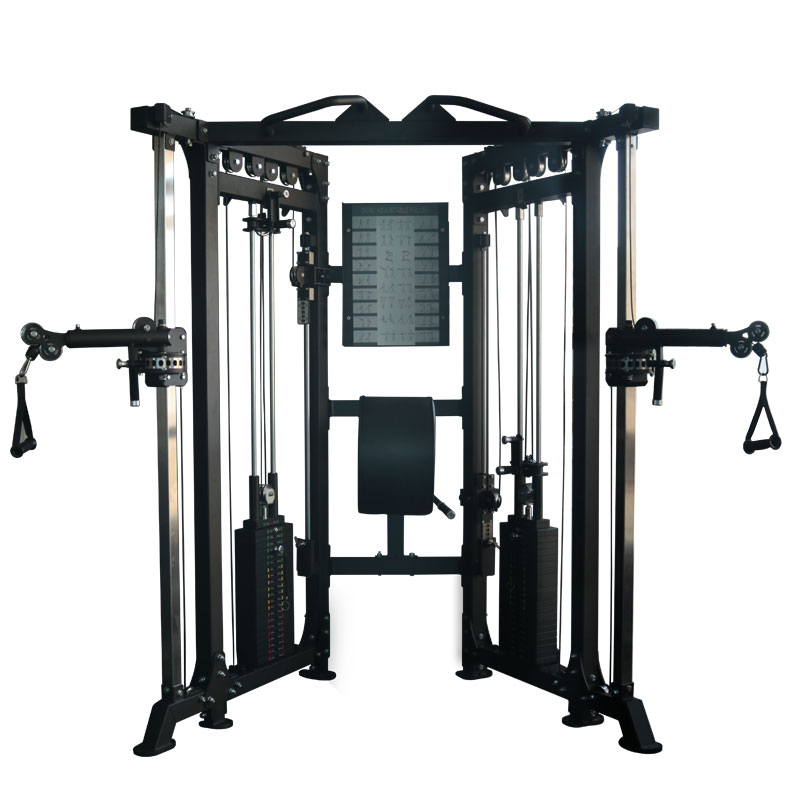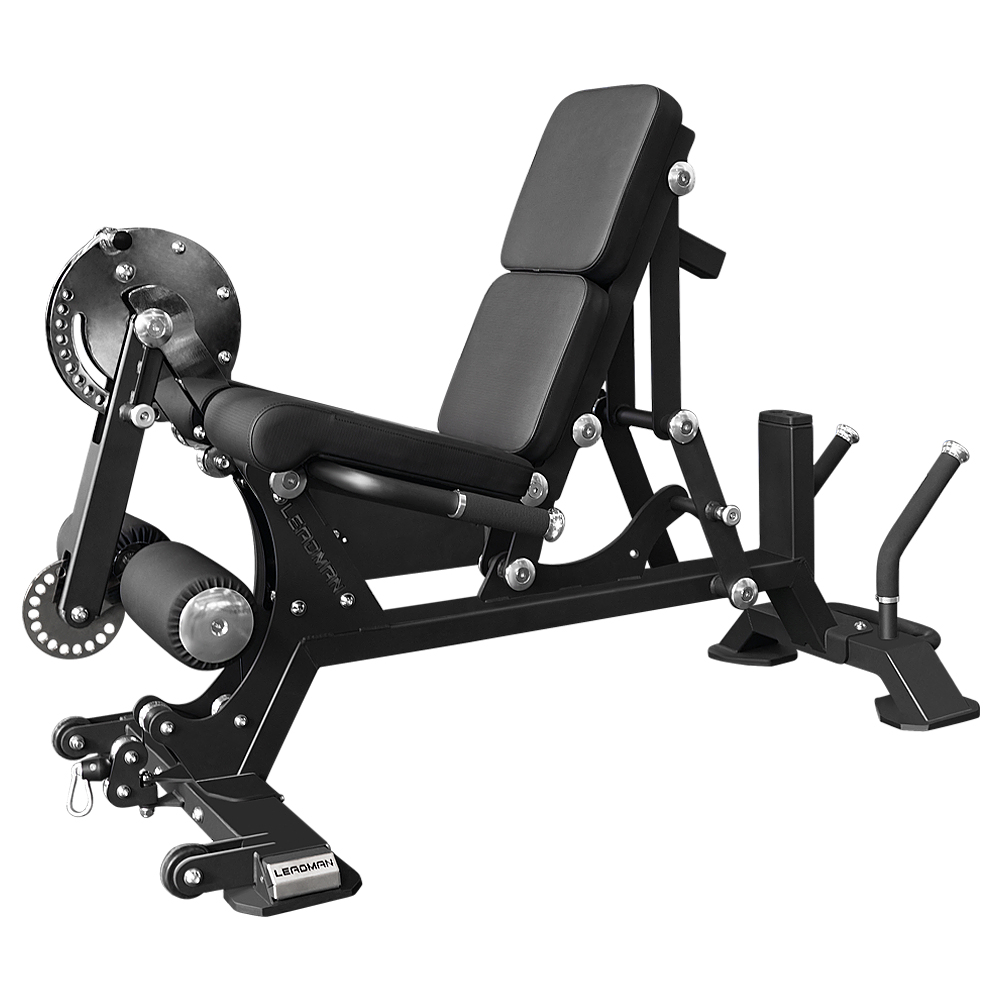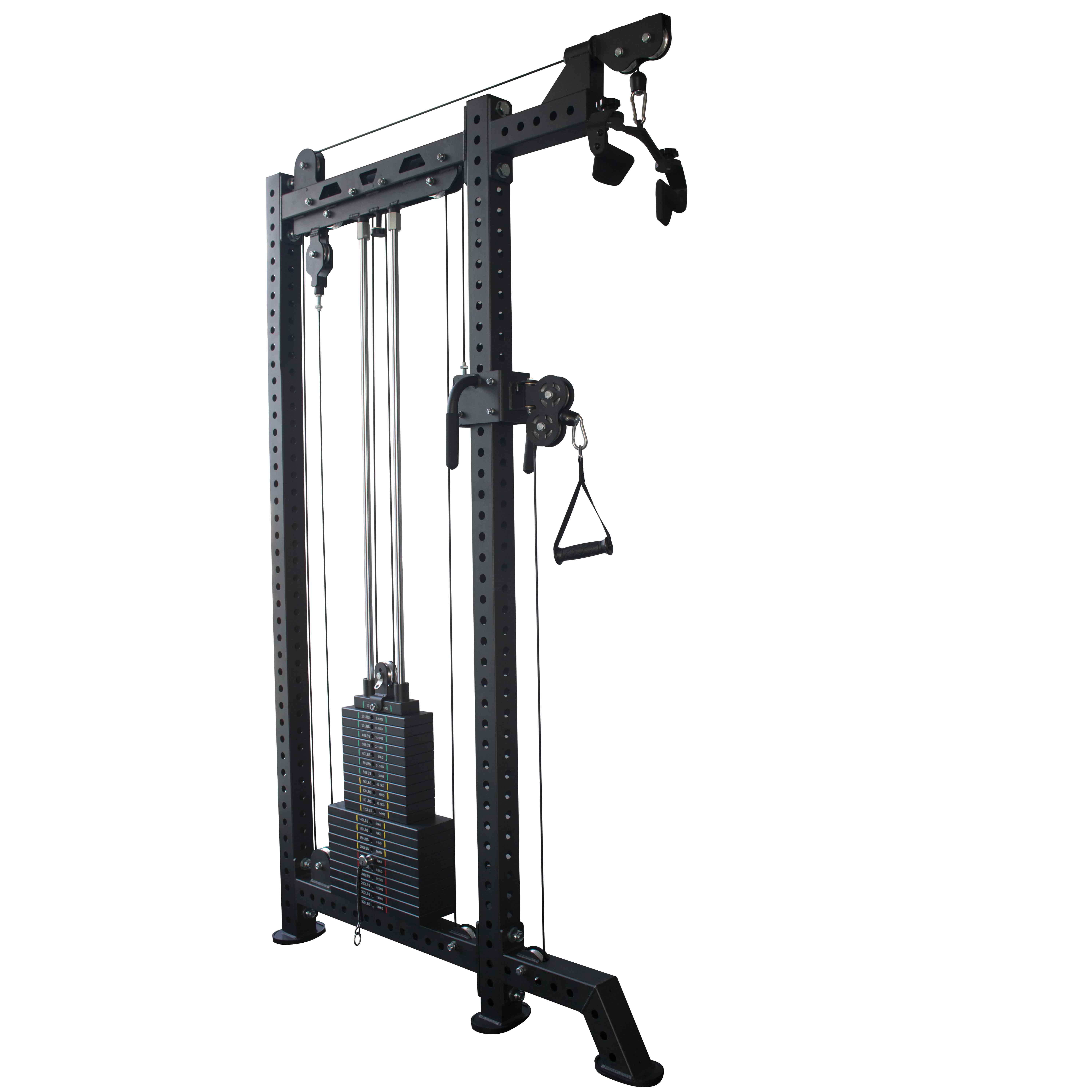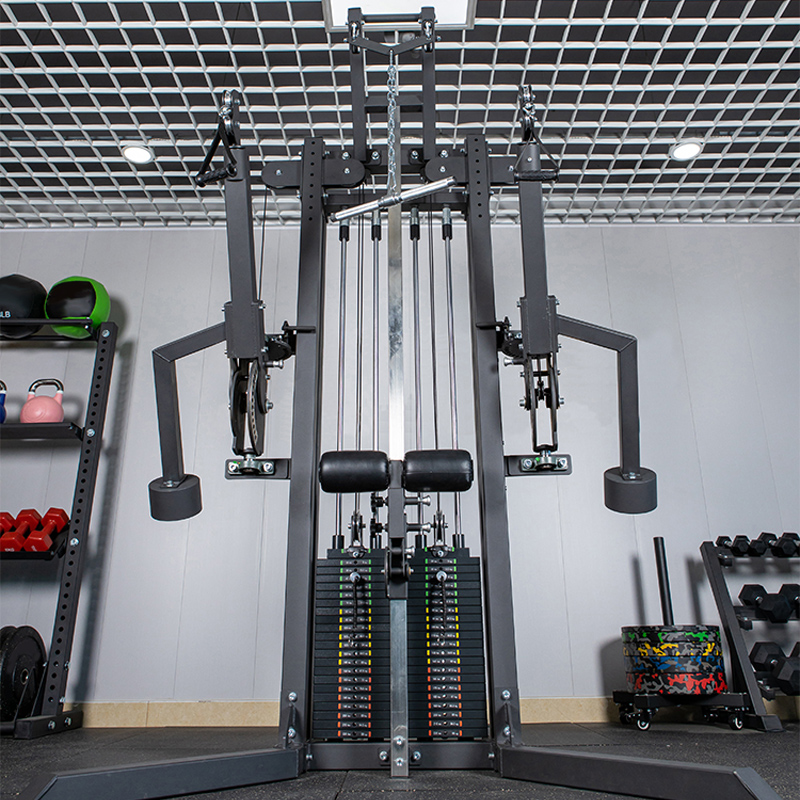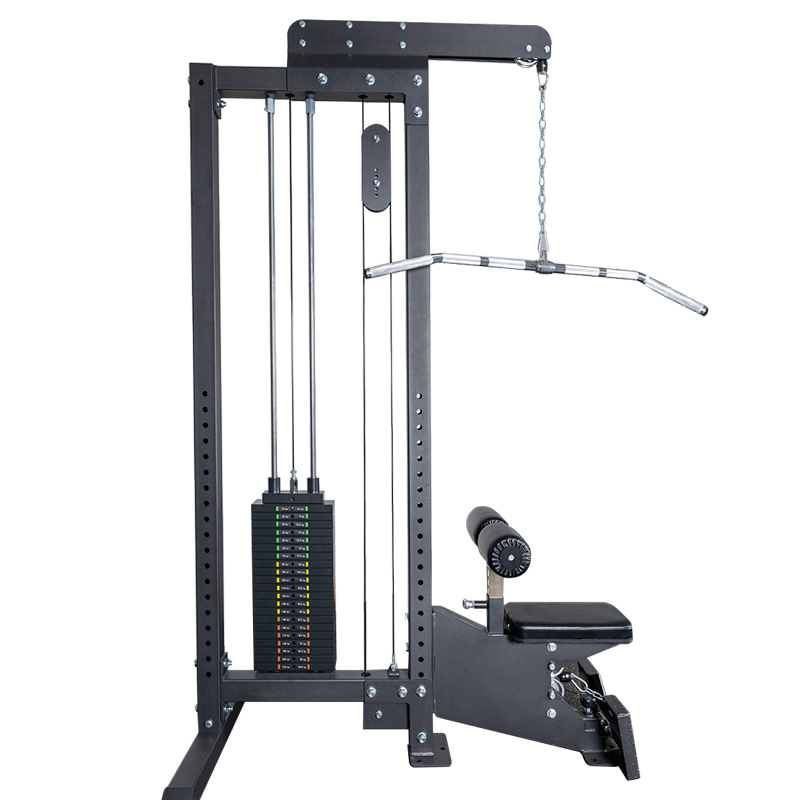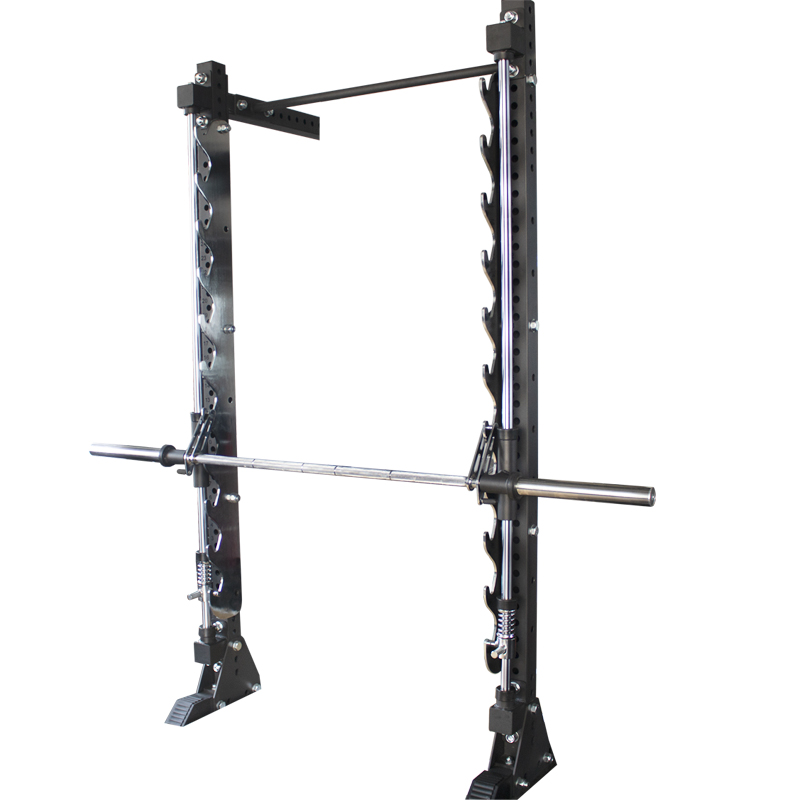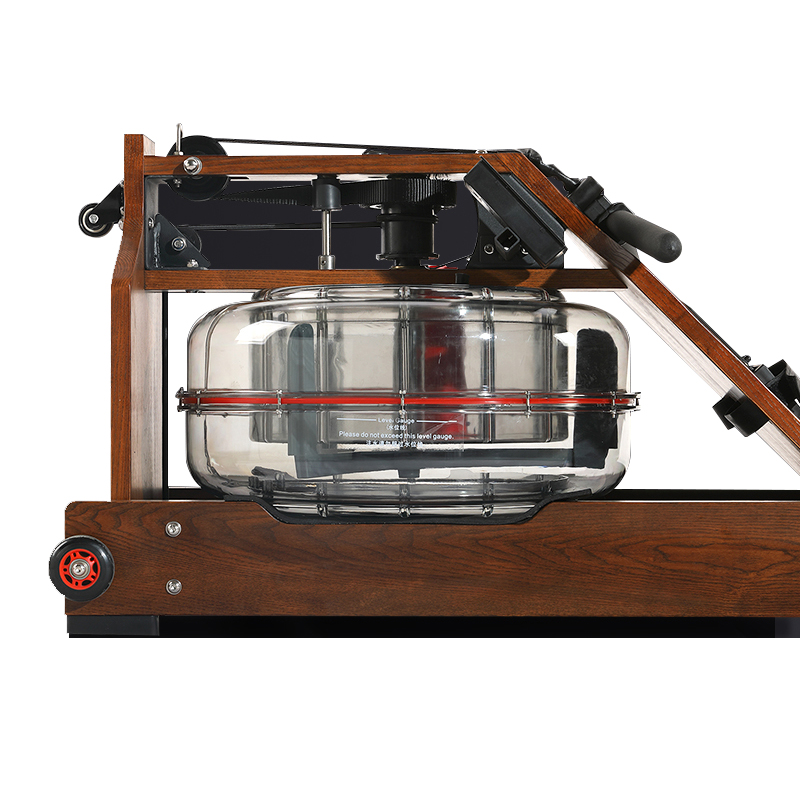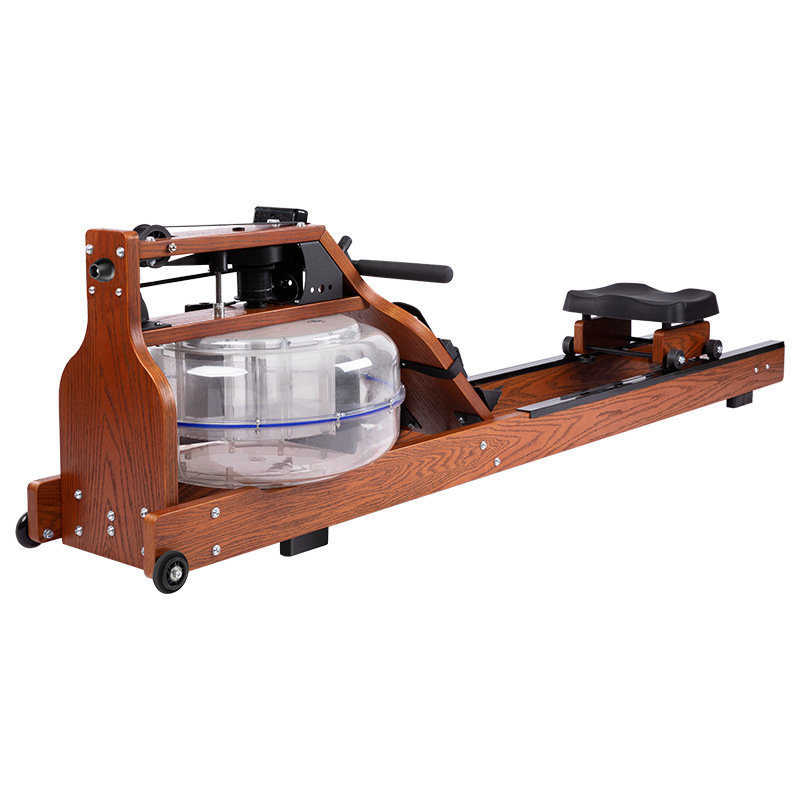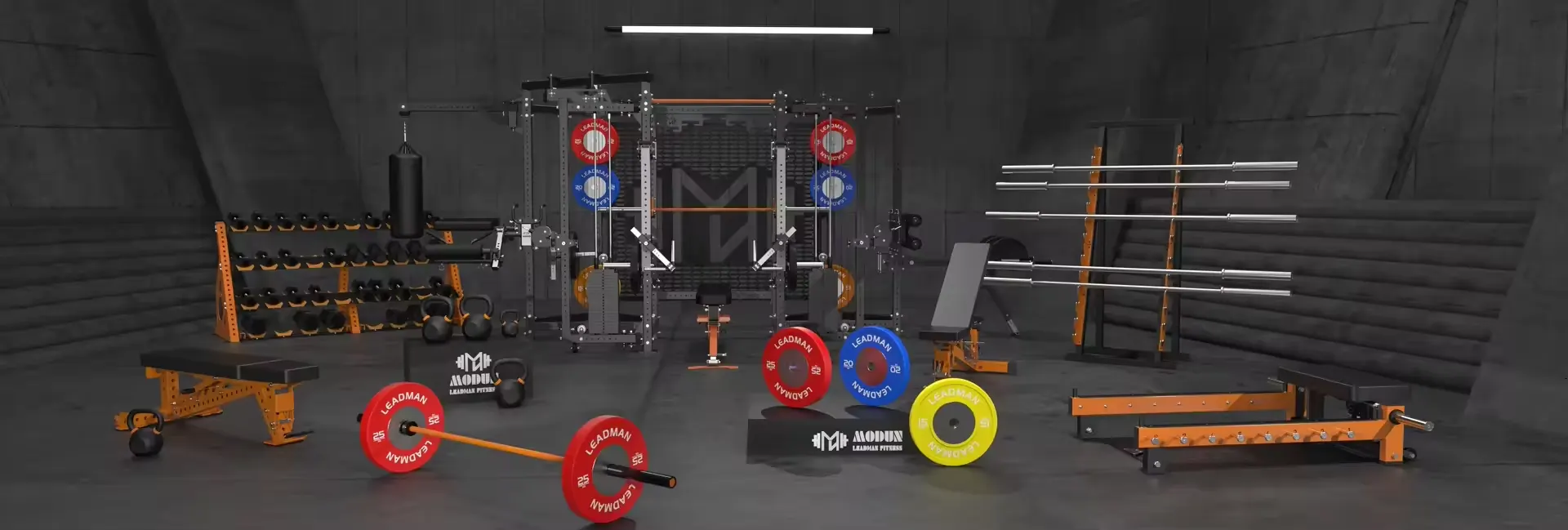
In the complex web of global fitness supply chains, the fitness equipment trading company serves as a critical intermediary, bridging the gap between specialised manufacturers and diverse end-markets. Unlike direct factory sourcing, trading companies aggregate product lines from multiple production facilities, offering buyers consolidated access to a broad portfolio—including strength machines, cardio units, accessories, and flooring—without the administrative burden of managing hundreds of supplier relationships. This one-stop model proves particularly valuable for new facility operators, franchise developers, and boutique studio owners who lack the procurement bandwidth to independently qualify manufacturers across different product categories.
The value proposition of a fitness equipment trading company extends beyond simple aggregation. Established players maintain significant warehousing capacity, often carrying $5-15 million in inventory to support rapid order fulfilment and emergency replacement needs. Their logistics infrastructure—including dedicated freight consolidation, customs brokerage partnerships, and regional distribution centres—enables them to reduce landed costs by 12-18% compared to fragmented direct sourcing. Moreover, trading companies absorb foreign exchange risk, manage letters of credit, and navigate export documentation complexities, allowing buyers to transact in their local currency while benefiting from competitive factory-direct pricing.
However, the intermediary model introduces specific risks that demand rigorous evaluation. Product transparency issues are common; a single container may contain goods from multiple subcontractors, each with different quality standards. To mitigate these risks, procurement professionals must demand brand transparency, requiring disclosure of OEM partners and factory audit reports. Requesting inspection protocols, such as mandatory batch inspection with AQL 1.0 standards and detailed QC documentation, is also essential. They must also verify the trading company's physical warehouse capacity, whether through on-site visits or live video verification, to distinguish real inventory holders from pure brokers who merely route orders without value-added services.
Strategically, the strongest fitness equipment trading companies evolve into supply chain partners rather than transactional vendors. They provide market intelligence on regional preference trends, pre-shipment sample approval workflows, and dedicated account management that anticipates seasonal volume spikes. For buyers, the decision to partner with a trading company should hinge on a balanced assessment of procurement efficiency against margin dilution—typically 8-15% above factory pricing—measured against the internal cost of building and managing a direct sourcing infrastructure. When executed with due diligence, trading relationships accelerate market entry, reduce operational complexity, and provide the agility to scale fitness offerings without the capital intensity of establishing direct manufacturing partnerships.

Let our experts design the perfect gym solution for your business. Get a free consultation and quote today.