

How to Perform Better Weight Plates Selection and Maintenance
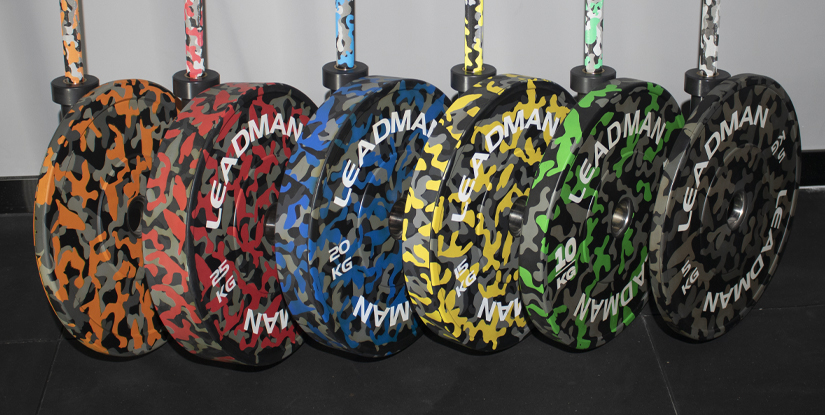
Optimizing Equipment Longevity via Material Selection
Achieving high-performance results in a strength training environment begins long before the first lift. To perform better weight plates selection is not merely a matter of choosing a color or a weight increment; it is a technical decision involving density, durability, and impact resistance. Operators often face the problem of premature degradation—cracked rubber bumpers or chipped iron edges—which stems from a mismatch between the material properties and the intended usage environment.
Defining Material Specifications
When selecting plates, one must evaluate the core composition. For example, high-density polyurethane (PU) offers superior durability compared to standard rubber, but it comes at a higher initial cost. If the environment involves high-impact drops, a specialized high-density rubber is required to prevent structural fracturing. Choosing the wrong density leads to accelerated wear and increased replacement cycles.
| Material Type | Primary Benefit | Common Failure Mode | Best Use Case |
|---|---|---|---|
| Cast Iron | High density, low cost | Rust and edge chipping | Standard barbell training |
| Rubber Coated | Sound reduction | Outer layer peeling | Commercial gym environments |
| Polyurethane | Extreme durability | Higher cost/weight | High-intensity CrossFit/Olympic lifting |
| Bumper Plates | Impact absorption | Deformation after heavy use | Olympic lifting and dropping |
By understanding these material nuances, procurement officers can avoid the trap of buying cheap, short-lived alternatives. Establishing these baseline standards ensures that the equipment can withstand the rigors of daily operation. Once the correct materials are on-site, the focus must shift toward how these components interact with the loading systems.
Technical Tolerances and Load Accuracy Verification
Selecting the right material is only the first step; the next challenge is ensuring that the weight being lifted is actually the weight being measured. A common pain point for professional athletes and facility managers is weight discrepancy, where a '20kg' plate actually weighs 19.6kg or 20.4kg. This lack of precision can disrupt training programming and undermine user trust.
Measuring Dimensional and Mass Deviations
To maintain high standards, operators must implement a verification protocol. Precision in manufacturing is critical, and even top-tier equipment can drift from its nominal weight due to environmental factors or manufacturing variances. A systematic approach to verifying plate accuracy involves both mass and dimensional checks.
- Mass Calibration: Use a certified digital scale to check a sample of 10% of the inventory every quarter.
- Dimensional Thickness: Measure the center thickness to ensure plates sit flush on the barbell, preventing uneven loading.
- Tolerance Thresholds: Aim for a variance of less than 1% for professional-grade equipment.
If a significant number of plates fall outside the acceptable 1% threshold, it indicates a problem with either the batch quality or the storage conditions. Verifying these metrics regularly prevents the cumulative error that occurs when multiple 'off-weight' plates are combined on a single bar. With accuracy confirmed, the operator can move toward managing the physical interaction between the plates and the barbell sleeves.
Managing Friction and Barbell Sleeve Interaction
Once weight plates are loaded, the focus shifts to the interface between the plate and the barbell. Poor performance here is often caused by excessive friction or debris buildup within the barbell sleeve, which can lead to uneven weight distribution and potential injury during dynamic lifts. This mechanical resistance prevents the bar from rotating smoothly, forcing the lifter to fight the equipment rather than the weight.
Addressing Sleeve Obstruction and Debris
A common mistake is ignoring the buildup of chalk, sweat, and dust inside the bar sleeves. This debris acts as an abrasive, increasing friction and potentially scoring the metal. To solve this, a regular cleaning and lubrication schedule must be established. While the plates themselves do not require lubrication, the bar they sit on is a critical component of the weight plate system.
The Troubleshooting Checklist for Smooth Rotation:
- Visual Inspection: Check for visible powder or grit inside the sleeves.
- Rotation Test: Spin the empty barbell; if it feels 'stiff' or 'crunchy,' debris is present.
- Cleaning Protocol: Use a dry micro-fiber cloth to remove excess chalk before applying a specialized bearing/bushing cleaner if necessary.
Maintaining a clean interface ensures that the plates move in perfect synchronization with the bar's rotation. This smooth transition is essential for high-level movement. However, even with a clean bar, the physical condition of the plates themselves requires regular monitoring to prevent mechanical interference.
Explore the complete technical specifications:
Weight Plates Manufacturers: Global Sourcing, Quality & Cost Guide
Developing a Rigorous Inspection Routine
To perform better weight plates maintenance involves more than just occasional cleaning; it requires a structured inspection routine to detect structural flaws before they become safety hazards. A failure to inspect regularly leads to the most dangerous scenario: a plate fracturing under load, which can cause catastrophic imbalances.
Identifying Structural Integrity Issues
Operators should look for specific visual and tactile indicators of wear. Cracks in the center ring of a bumper plate, for instance, are often invisible until the plate is under tension. A proactive approach involves a two-stage inspection process: visual and mechanical.
| Inspection Type | What to Look For | Action Required |
|---|---|---|
| Visual Inspection | Surface cracks, discoloration, or peeling coating | Remove from rotation for repair or replacement |
| Tactile/Mechanical | Wobble in the center hole, uneven thickness | Verify bar compatibility or discard |
| Impact Test | Bounce inconsistency or odd sounds upon dropping | Inspect internal core for density shifts |
By implementing these checks, facilities can transition from reactive repairs to proactive management. Identifying a minor crack today prevents a broken plate tomorrow. This constant vigilance leads directly into the long-term storage and environmental control strategies needed to preserve the equipment's value.
Explore the complete technical specifications:
Rubber Bumper Weight Plates: The Definitive Commercial Guide
Mitigating Environmental Impact on Plate Integrity
The durability of weight plates is heavily influenced by the environment in which they are stored and used. Many operators fail to realize that temperature fluctuations and humidity levels can physically alter the composition of certain plates, leading to premature failure. This is a core cause of the 'cracking' or 'warping' seen in many high-end facilities.
Managing Humidity and Temperature Extremes
For rubber and polyurethane-based plates, extreme cold can make the material brittle, increasing the risk of shattering upon impact. Conversely, excessive heat in non-climate-controlled gyms can lead to 'outgassing' or the softening of the outer coatings. Managing these variables is essential for maximizing the ROI of your equipment.
- Storage Elevation: Never store plates directly on a concrete floor; use metal racks to avoid moisture wicking.
- Climate Monitoring: In high-humidity areas, ensure adequate ventilation to prevent oxidation of any exposed metal components.
- Temperature Buffer: Avoid storing heavy plate sets in direct sunlight or near external heating units.
When environmental factors are controlled, the physical lifecycle of the plates extends significantly. This stability is the foundation for efficient operation, but as equipment ages, even the best-stored plates will require specific handling techniques to maintain performance.
Explore the complete technical specifications:
Custom Barbell Plates | OEM Weight Plates with Logos & Colors
Optimizing Loading and Unloading Techniques
Even high-quality plates can be damaged through poor operational habits. The way staff and athletes load and unload a barbell determines the long-term stability of the plates. A common mistake is 'slamming' plates onto the bar with high velocity, which creates a shockwave that can damage both the plate'ables center ring and the barbell's bearings.
Reducing Mechanical Shock and Impact Damage
To preserve the equipment, the loading process should be controlled and deliberate. This is particularly important for high-density bumper plates, which are designed for impact but are still susceptible to internal structural fatigue if treated improperly. Proper handling reduces the frequency of maintenance and the need for replacements.
Professional Loading Standard:
- The 'Controlled Slide' Method: Always guide the plate onto the sleeve rather than dropping it from a height.
- One-at-a-Time Loading: Avoid loading multiple plates simultaneously, which can cause uneven pressure on the barbell sleeve.
- The Soft-Landing Rule: When unloading, ensure the bar is resting on a stable surface or a lifting platform to minimize vibration.
Consistent application of these techniques will significantly reduce the rate of wear and tear. This disciplined approach to usage is the final piece in the operational loop of equipment management.
Explore the complete technical specifications:
45 lb Rubber Bumper Plates | 450mm Diameter Weight Plates for Deadlifts
Long-term Lifecycle and Replacement Strategy
Effective equipment management culminates in a well-defined replacement strategy. Relying on a 'run-to-failure' model is expensive and creates safety risks. Instead, professional facilities should treat weight plate aging as a predictable lifecycle rather than an unexpected event. This requires tracking usage intensity against the material types selected at the beginning of the process.
Determining the Replacement Trigger
Knowing when to retire a plate is a balance of cost and safety. If a plate has become irregular in weight or has developed structural fissures, it has reached its end-of-life. For commercial operators, the decision to replace equipment should be based on data-driven thresholds rather than intuition.
| Metric | Signal for Replacement | Replacement Priority |
|---|---|---|
| Weight Deviation | Exceeds 2% of nominal mass | Medium |
| Physical Integrity | Visible cracks or significant edge chipping | High (Immediate) |
| Surface Condition | Excessive peeling or odor (outgassing) | Low/Medium |
By documenting these metrics, you create a historical record that informs future procurement. This creates a continuous loop of improvement, ensuring that your facility always maintains high standards of both safety and performance.