

Optimizing Strength Training with 15 Bumper Plates: A Technical Guide
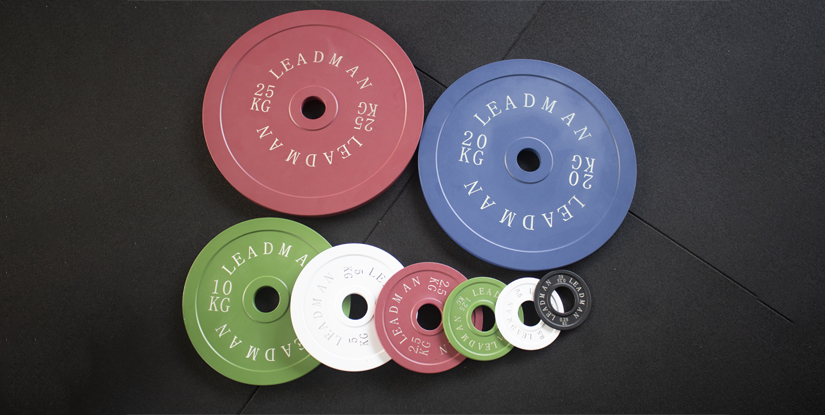
The Critical Role of 15 Bumper Plates in Load Increments
In high-performance weightlifting environments, the transition between standard increments can often present a technical gap. While 10kg and 20kg plates are ubiquitous, the 15 Bumper Plates serve as a vital intermediary, allowing for precise progressive overload without the sudden jumps in intensity that often lead to technical breakdown or injury. A common problem for facility operators is managing the 'weight gap'—the difficulty of adding meaningful resistance to a barbell when the next standard increment is too large for the athlete's current capacity.
The cause of this issue is often a lack of diversity in plate diameters or weight classes within a lifting inventory. When a barbell is loaded with only 20kg plates, an athlete may find themselves stuck at a plateau because they cannot safely bridge the gap to the next major milestone. By integrating 15kg units, operators provide a controlled mechanism for steady advancement. To verify if your facility is properly equipped for this transition, check your current barbell loading patterns to see if athletes are frequently 'under-loading' to avoid large jumps. Establishing a tiered weight system ensures that progress remains continuous and measurable. This granular control requires not just the right weight, but the right material construction to withstand the added frequency of use.
Material Composition and Density Variance
Understanding the structural integrity of your equipment is the first step in maintaining a safe lifting environment. Because 15 Bumper Plates are often used in high-repetition metabolic conditioning or heavy Olympic lifting, the material density must be uniform to prevent uneven wear. Most high-quality plates utilize high-density virgin rubber or polyurethane, which offers superior shock absorption compared to cheaper, recycled blends.
The Impact of Density on Durability
A frequent failure mode in commercial gyms is the rapid degradation of the outer rim, often caused by using low-grade recycled rubber that lacks sufficient elasticity. When these plates strike the floor, the lack of structural resilience leads to cracking or 'chunking.' To avoid this, operators should prioritize plates with a high Shore durometer rating, ensuring the material can withstand repeated high-impact force without permanent deformation. Below is a comparison of standard material profiles found in the industry:
| Material Type | Shock Absorption | Durability Rating | Common Use Case |
|---|---|---|---|
| Virgin Rubber | High | Excellent | Olympic Lifting / High-Impact |
| Polyurethane | Medium-High | Superior | Competition-Grade Training |
| Recycled Rubber | Moderate | Fair | General Strength / Budget Gyms |
| Hybrid Blend | Variable | Good | Mixed-Use Fitness Centers |
Identifying the correct material is essential for long-term ROI, as the density directly correlates to how long the plate maintains its shape and diameter. Once the material properties are understood, the focus shifts to ensuring the physical dimensions are precise and consistent.
Dimensional Tolerance and Center of Gravity
Precision is not just about weight; it is about the spatial consistency of the equipment. A common mistake among buyers is ignoring the diameter tolerance of the plates. If a 15kg plate has a significantly different diameter or thickness than a 20kg plate, it can alter the barbell's balance point and the physics of the lift.
Managing Barbell Balance
When an athlete performs a clean or a snatch, the distribution of weight along the sleeve of the barbell is critical. If the 15 Bumper Plates are significantly thinner or thicker than the surrounding weight, the bar's center of gravity may shift unexpectedly during high-velocity movements. This can lead to erratic bar whip or uneven loading, which compromises the integrity of the lift. Operators should verify the 'thickness-to-weight' ratio during procurement to ensure uniformity across the weight spectrum.
- Check Diameter: Ensure all plates fall within the standard 450mm range to prevent uneven barbell tilt.
- Verify Thickness: Measure the width to ensure it aligns with expected bar sleeve-loading profiles.
- Test Balance: Perform a controlled barbell test with mixed plates to ensure no significant tilt occurs during movement.
Maintaining dimensional consistency prevents technical errors during complex lifts, setting the stage for proper storage and maintenance protocols.
Explore the complete technical specifications:
Operational Inspection: Wear Patterns and Surface Integrity
After understanding the physical specs, the next stage is establishing a rigorous inspection cadence. Just as a technician inspects a machine, a gym manager must treat weight plates as living components of the lifting system. Over time, even the best equipment will show signs of stress, and failure to identify these early can lead to equipment replacement costs or safety hazards.
Identifying Common Failure Modes
One of the most frequent issues encountered is the degradation of the center hole or 'hub.' Constant loading and unloading can cause the metal ring inside the rubber to loosen or the rubber itself to deform, leading to a 'wobble' on the barbell sleeve. This is not just a technical nuisance; it can cause uneven torque on the athlete's wrists. Operators should perform a visual and tactile audit every month, checking for the following metrics:
| Inspection Point | Potential Issue | Actionable Fix |
|---|---|---|
| Center Ring | Deformation or loose fit | Replace plate or upgrade to higher-grade hub |
| Surface Texture | Cracking or chunking | Inspect for UV damage or impact fatigue |
| Edge Integrity | Flattening or rounding | Verify if plate is still 'round' for even rolls |
| Weight Accuracy | Significant deviation | Calibrate with a calibrated scale if variance is high |
By catching these issues through regular audits, you prevent the minor wear from becoming a structural failure. This leads directly into the necessity of organized storage and environmental control.
Explore the complete technical specifications:
Storage Solutions for Longevity
Even the highest quality 15 Bumper Plates will suffer premature aging if the storage environment is poorly managed. The way plates are stacked and stored dictates their remaining lifecycle, particularly regarding their ability to retain their shape under constant pressure.
The Risks of Improper Stacking
A significant error in facility management is stacking high-density plates in vertical towers that exceed safe height limits. The pressure at the bottom of a heavy stack can cause 'compression set,' where the bottom plates become permanently flattened. This changes the diameter and the weight distribution, making them less effective for high-precision training. To mitigate this, utilize vertical weight trees or horizontal plate racks designed to distribute weight more evenly. Furthermore, environmental factors like humidity and extreme temperature shifts can affect the elasticity of the rubber. For long-term preservation, ensure your storage area is climate-controlled and away from direct sunlight, which can cause the rubber to become brittle.
Explore the complete technical specifications:
Optimizing Loading Patterns for Training Efficiency
With the foundation of maintenance and storage secured, the final technical challenge is the actual application of the plates during a training session. How a coach or athlete structures their barbell load determines both the efficiency of the session and the wear on the equipment.
Developing an Effective Loading Protocol
When using 15kg increments, the goal is to maintain a logical progression. A common mistake is 'sandwiching' plates in a way that creates an unbalanced bar. For instance, placing a 15kg plate between two 25kg plates on one side, while using 20kg plates on the other, will create a severe weight imbalance. A professional protocol requires symmetry across both sides of the bar at all times.
- Symmetry Check: Always ensure the total weight on the left sleeve matches the right to prevent unilateral fatigue.
- Inner-to-Outer Loading: Load the heaviest, widest plates first to keep the center of gravity stable.
- Sequential Incrementing: Use the 15kg plates as a dedicated step between the 10kg and 20kg marks to allow for granular progression.
By following these systematic loading and storage habits, you ensure that your investment in quality equipment yields both long-term durability and high-performance results for your athletes.