

Understanding the Manufacturing Standards of Commercial Fitness Equipment Manufacturers
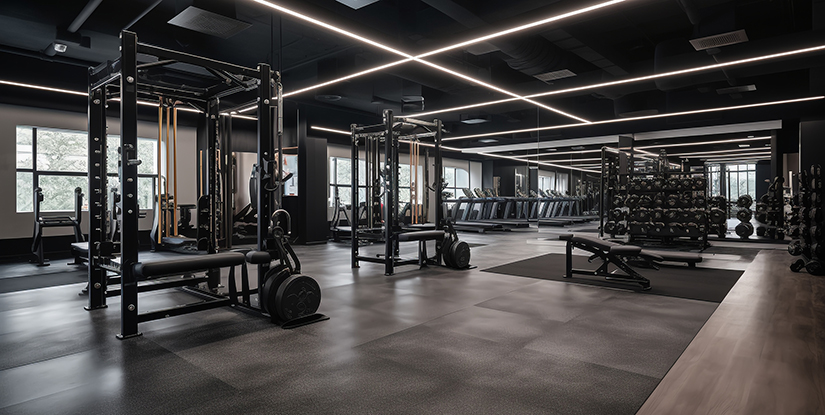
The Lifecycle of High-Performance Fitness Hardware
Selecting equipment for a high-traffic facility is not merely a procurement task; it is a long-term capital investment. The journey of a piece of equipment begins long before it reaches a gym floor, starting with the specialized engineering and material selection protocols used by professional Commercial Fitness Equipment Manufacturers. A standard lifecycle includes the initial design phase, precision fabrication, assembly, deployment, and eventually, the rigorous maintenance required to prevent premature mechanical failure.
Operating a facility without understanding these cycles often leads to the common pitfall of 'hidden depreciation,' where equipment looks functional but is structurally compromising due to internal wear. To avoid this, operators must look beyond the aesthetics and understand the technical genesis of the machines they deploy. This foundational understanding of the manufacturing lifecycle is essential before examining the specific raw materials that define durability.
Material Selection and Structural Integrity Protocols
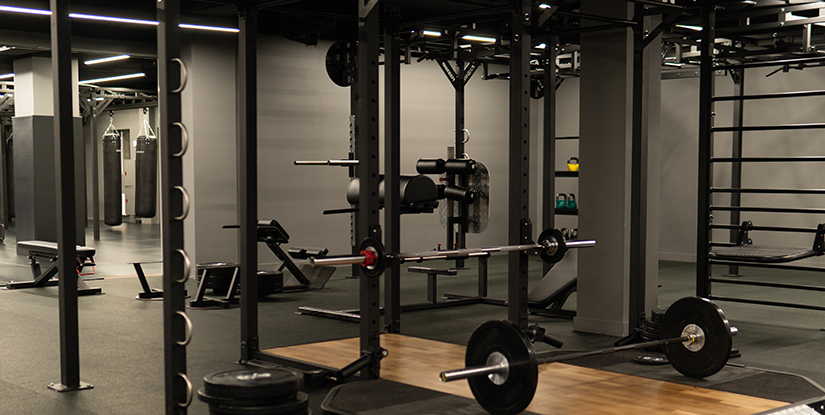
The durability of commercial-grade machines is dictated by the quality of raw inputs. Unlike residential-grade alternatives, professional equipment must withstand hundreds of load cycles daily without significant deformation. The primary concern for engineers is the relationship between tensile strength and weight-bearing capacity.
Steel Gauges and Alloy Specifications
Most high-end manufacturers utilize heavy-gauge carbon steel for the primary chassis. The thickness of the steel (often referred to as the gauge) is a critical metric. A common failure mode in lower-tier manufacturing is the use of thin-walled tubing that may resist buckling under static weight but fails under the dynamic loading of a heavy user. Professionals should verify the steel weight and tubing thickness as part of their specification review.
Component Materiality: Polymers and Bearings
Beyond the steel frame, the contact points—such as upholstery, grips, and bearing housings—require distinct material standards. High-density polyethylene (HDPE) or high-grade polyurethane is often selected for impact zones to prevent cracking. In the realm of motion, the quality of the bearings determines the smoothness of the user experience and the longevity of the machine.
| Component Type | Standard Commercial Material | Common Low-Quality Alternative | Failure Symptom |
|---|---|---|---|
| Main Frame | Heavy-gauge Carbon Steel (11-14 gauge) | Thin-walled mild steel | Frame bowing or weld cracking |
| Upholstery | High-density PU or Vinyl with high tear resistance | Standard PVC or thin foam | Cracking, leaking, or rapid flattening |
| Bushings/Bearings | Sealed precision steel bearings | Open or nylon bushings | Increased friction and noise |
| Weight Stacks | Steel plates with reinforced guide rods | Plastic-coated or thin plate stacks | Guide rod bending or stuttering movement |
By evaluating these material standards during the specification phase, buyers can significantly reduce the frequency of part replacements. Once the materials are vetted, the next critical step in the manufacturing process is the precision shaping and welding of these components.
Precision Fabrication: The Role of CNC and Welding Quality
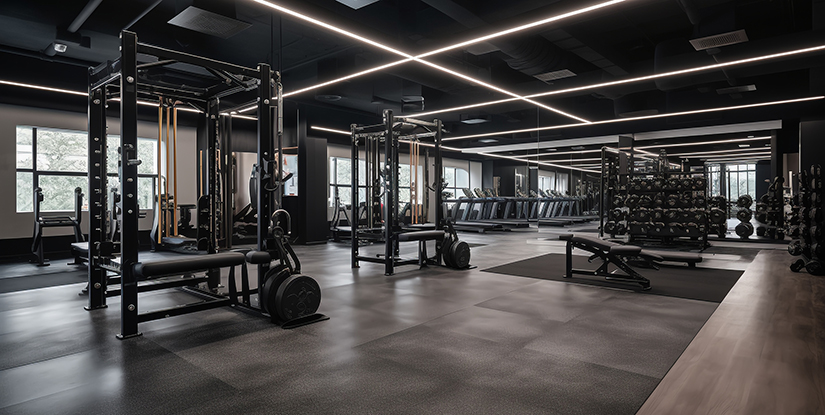
After the raw materials are selected, the transition from a design blueprint to a physical frame occurs through highly controlled fabrication processes. The precision of this stage determines how well the machine's moving parts align over years of use.
Computer Numerical Control (CNC) Accuracy
Modern manufacturing relies heavily on CNC technology for cutting, bending, and drilling. Inconsistent cuts or imprecise angles in the tubing can lead to a cascade of issues during assembly. For example, if a frame is even slightly asymmetrical due to poor CNC tolerance, the weight stack may rub against the guide rods, causing premature wear and user discomfort. A rigorous check of the assembly's symmetry is a vital verification step for any incoming shipment.
Welding Integrity and Stress Distribution
The points where different steel components meet—the welds—are often the weakest links in poorly constructed machines. Manufacturers utilize various welding techniques to ensure structural stability. The goal is to create a bond that is stronger than the base metal itself, distributing stress across the junction rather than concentrating it on a single point.
- TIG Welding: Often used for precision components requiring high aesthetic and structural quality.
- MIG Welding: Frequently used for heavy frame construction due to its speed and deep penetration capabilities.
- The Failure Mode: 'Cold welds' or incomplete penetration can lead to sudden catastrophic failure under high dynamic loads.
A high-quality manufacturer will subject these welded joints to stress testing to ensure they can handle the weight limits advertised. This technical rigor in fabrication sets the stage for the final coating and aesthetic finishing processes.
Explore the complete technical specifications:
Leadman Fitness | Premier Gym Equipment Manufacturer & Supplier
Surface Finishes and Environmental Resistance
A machine's frame is subject to more than just physical weight; it is subject to sweat, humidity, and chemical cleaning agents. The longevity of a machine is often as dependent on its surface finish as it is on its internal steel gauge.
Powder Coating vs. Liquid Painting
Most premium manufacturers employ electrostatic powder coating rather than traditional liquid paint. The reason is twofold: durability and coverage. Powder coating creates a harder, more resilient shell that is significantly more resistant to chipping and abrasion from weights and feet.
| Feature | Powder Coating (Industrial Standard) | Liquid Paint (Consumer Grade) |
|---|---|---|
| Abrasion Resistance | Very High (Resistant to impact) | Moderate (Prone to chipping) |
| Corrosion Protection | Superior (Provides a seamless barrier) | Basic (Susceptible to edge rust) |
| Application Method | Electrostatic spray with heat curing | Spray nozzle with air drying |
| Visual Uniformity | High (Even distribution in corners) | Moderate (Potential for runs/drips) |
When inspecting new equipment, a buyer should look for any imperfections in the coating, such as bubbles or uneven thickness, which may indicate a sub-par curing process. Following the finish application, the machine undergoes its most rigorous testing: the mechanical assembly and quality control inspection.
Explore the complete technical specifications:
Mechanical Assembly and Tolerance Calibration
With the frames coated and the components fabricated, the individual parts must be brought together into a functional machine. This phase is where the infinitesimal errors in manufacturing either become apparent or are corrected.
Calibration of Moving Parts
For selectorized strength equipment or cardio machines, the alignment of the pulley systems and resistance mechanisms is paramount. If the pulleys are not perfectly centered or the cables are not tensioned to exact specifications, the machine will exhibit 'stuttering' or uneven resistance. This is not just a user preference issue; it is a mechanical reliability issue that can lead to cable fraying and failure.
The Verification Checklist for Assembly
When receiving a shipment of commercial equipment, operators should perform a basic 'tolerance check' on the moving parts. This includes:
- Smoothness Test: Does the weight stack move without any audible 'catching' or vibration?
- Cable Tension: Is there any visible slack or excessive tightness in the drive cables?
- Alignment Check: Do the moving parts follow a straight or intended arc without side-to-side friction?
Mechanical precision is the hallmark of a professional manufacturer. However, even a perfectly assembled machine requires a structured approach to long-term care to prevent the inevitable wear and tear of high-volume use.
Explore the complete technical specifications:
Preventative Maintenance and Operational Longevity
Even the highest quality machine from the best Commercial Fitness Equipment Manufacturers will eventually require maintenance. The goal of a professional operator is not to eliminate maintenance, but to manage it through a predictable schedule that prevents unplanned downtime.
Common Wear Points and Maintenance Intervals
Maintenance should be viewed as a proactive rather than reactive discipline. Most mechanical failures in a gym environment are the result of neglected minor issues, such as a dry bearing or a loose bolt, which eventually lead to larger component failures.
- Lubrication: Bearings and guide rods require periodic lubrication with manufacturer-approved lubricants to prevent friction-induced heat.
- Bolt Torquing: High-vibration machines, such as treadmills or heavy free-weight racks, require periodic checks of all fasteners to ensure they haven't loosened.
- Upholstery Inspection: Regular checks for small tears can prevent moisture from entering the foam, which would otherwise lead to rapid deterioration.
A rigorous maintenance log is a valuable asset for facility owners, providing a record of equipment health and helping to justify future capital expenditures. As technology evolves, the way we maintain and monitor this equipment is also beginning to shift.
Explore the complete technical specifications:
The Evolution of Intelligent Equipment Manufacturing
The industry is currently seeing a significant shift toward the integration of electronics and digital interfaces into traditional mechanical systems. This evolution adds a new layer of complexity to both the manufacturing process and the subsequent maintenance requirements.
Sensor Integration and Data Accuracy
Modern cardio and strength machines often feature integrated sensors to track repetitions, wattage, or heart rate. The precision of these sensors is a new metric of quality. Inaccurate data can lead to user frustration and a perceived lack of quality in the facility's amenities. Manufacturers are now focusing on the reliability of the digital-to-analog interface to ensure that the electronic feedback matches the physical exertion.
The Challenge of Electronic Maintenance
The addition of consoles and internal circuit boards means that technicians now need a broader skill set. While a mechanical technician can fix a broken pulley, an electronic component failure may require specialized diagnostic tools. This shift means that when choosing a manufacturer, one must also consider the availability of technical support for their digital ecosystems.
As we look forward, the intersection of high-quality fabrication and digital intelligence will continue to define the leaders in the industry. Ensuring that your equipment meets both mechanical and digital standards is the key to long-term success.
Explore the complete technical specifications:
Core Certification Systems for Professional Fitness Equipment Manufacturers
Final Verification: A Procurement Summary
Navigating the complexities of manufacturing allows a buyer to move from a position of uncertainty to one of informed authority. To summarize, the focus should never be on the lowest price, but on the total cost of ownership over the equipment's lifespan.
By verifying the steel gauge, checking the welding quality, inspecting the powder coating, and testing the mechanical tolerances, you ensure that your facility is built on a foundation of reliability. The transition from a procurement specialist to a successful facility operator begins with this technical rigor.