

Engineering Excellence: A Technical Guide to Selecting a Commercial Gym Equipment Manufacturer
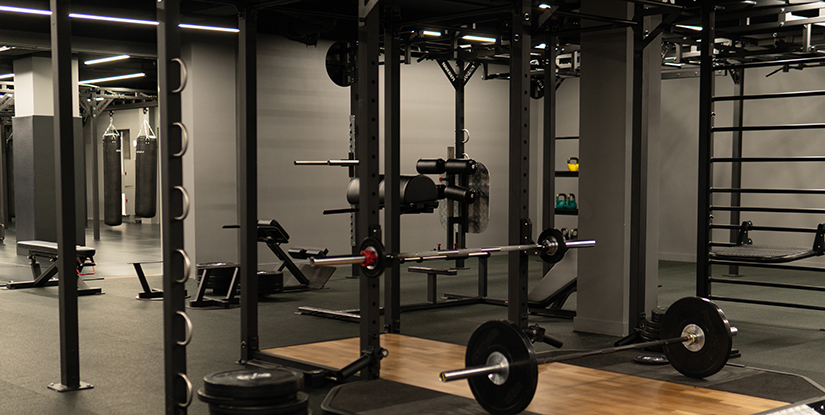
The Lifecycle of High-Performance Fitness Hardware
Understanding the value of a Commercial Gym Equipment Manufacturer requires looking beyond the initial purchase price. A professional gym facility operates on a strict lifecycle: from initial concept and equipment specification to deployment, rigorous daily maintenance, and eventual asset retirement. A single failure in the manufacturing stage—such as poor weld penetration or low-grade steel—cascades through this entire timeline, resulting in increased downtime and higher total cost of ownership.
When procurement teams select a manufacturer, they are essentially choosing a partner for the next decade of operation. If the manufacturer prioritizes speed over structural integrity during the fabrication phase, the facility operator will inevitably face premature component fatigue and safety liabilities. This guide explores the technical depth required at every stage of the manufacturing process to ensure long-term operational stability.
Once the lifecycle framework is understood, the focus must shift to the foundational stage: the selection of raw materials and structural components.
Material Specification and Structural Integrity Standards
The durability of heavy-duty training equipment is directly proportional to the metallurgical quality of the inputs. A high-tier manufacturer does not merely purchase 'steel'; they specify alloys that can withstand high-frequency vibration and repetitive mechanical loading.
Steel Grade and Wall Thickness Parameters
For strength training machines and power racks, the gauge of the steel tubing is a critical safety metric. Commercial-grade equipment typically utilizes high-tensile carbon steel. A common failure mode in low-cost manufacturing is the use of thin-walled tubing (under 11-gauge) which can buckle under heavy plyometric or heavy lifting loads. Operators should verify the wall thickness of load-bearing uprights during the specification phase.
| Material Component | Standard Specification | Risk of Low-Grade Substitution |
|---|---|---|
| Structural Tubing | 11-gauge to 7-gauge high-tensile steel | Structural buckling and weld fracture |
| Bearing Surfaces | Hardened steel or high-density polymer | Increased friction and premature wear |
| Upholstery Core | High-density, multi-layer foam | Rapid compression and sagging |
| Weight Stack Plates | Solid cast iron or high-density urethane | Imbalance and coating chipping |
Choosing the wrong material weight or density leads to a 'death spiral' of maintenance costs. A manufacturer that lacks transparent material sourcing often hides these weaknesses behind aesthetic paint finishes. Moving from raw materials to the actual shaping of the machine requires sophisticated fabrication technology.
Precision in the Fabrication and Welding Phase
Effective manufacturing moves from raw steel to finished parts through a series of controlled-environment processes. The transition from a CAD design to a physical machine is where most structural defects are either prevented or introduced.
CNC Precision and Component Geometry
Modern manufacturing relies heavily on CNC (Computer Numerical Control) bending and cutting to ensure that every angle is precise. If a manufacturer lacks precision CNC bending, the resulting frame may have slight variances in angle, leading to uneven weight distribution and mechanical binding. A slight deviation in a 90-degree bend can cause a machine to 'lean,' creating unnatural torque on the bearings and shortening the lifespan of the entire unit.
The Critical Role of Weld Quality
The most common point of failure in heavy-duty gym equipment is the weld joint. A professional manufacturer employs advanced welding techniques, such as MIG (Metal Inert Gas) or TIG (Tungular Inert Gas) welding, under strict supervision. A weak weld is often the result of inadequate heat control or improper gas shielding, leading to porosity or lack of penetration. This is a major liability in a commercial setting where heavy impact is common.
- Check for: Consistent, smooth bead appearance and full penetration into the joint.
- Failure Mode: 'Cold welds' that look solid on the surface but lack structural depth, leading to sudden fractures.
- Verification: Requesting ultrasonic or X-ray inspection reports for high-load structural components.
After the frame is structurally sound, the manufacturer must address the surface finish to prevent corrosion and wear.
Explore the complete technical specifications:
Surface Treatment and Corrosion Resistance Protocols
A structural frame is only as durable as its protective coating. In high-traffic commercial environments, equipment is frequently subjected to sweat, cleaning chemicals, and humidity. A failure to apply a high-quality surface treatment leads to early-stage oxidation and aesthetic degradation.
Powder Coating vs. Liquid Paint
Professional manufacturers almost exclusively use electrostatic powder coating. Unlike liquid paint, powder coating provides a thick, durable barrier that is highly resistant to chipping and abrasion. This is vital for machines that undergo constant contact with hands and feet.
| Coating Type | Durability Level | Typical Application | Key Advantage |
|---|---|---|---|
| Electrostatic Powder Coat | High | Steel frames and weight stacks | Uniform thickness and chemical resistance |
| Liquid Paint | Medium/Low | Non-load bearing aesthetic parts | Lower cost but prone to scratching |
| Chrome Plating | High | Superior grip and rust prevention |
When inspecting equipment, look for 'orange peel' textures or uneven coverage, which are signs of poor application. Proper surface treatment ensures the machine remains easy to sanitize and visually professional. This brings us to the most complex part of the assembly: the mechanical motion components.
Explore the complete technical specifications:
Precision Engineering of Mechanical Motion Systems
While the frame provides the structure, the mechanical systems—pulleys, cables, and bearings—provide the actual user experience. A manufacturer's ability to source and integrate these components determines whether the machine feels smooth or 'jerky.'
Pulley and Bearing Mechanics
The fluidity of a cable machine is determined by the quality of the pulleys and the internal bearings. High-quality pulleys utilize ball bearings that can handle both radial and axial loads. A common problem in lower-tier manufacturing is the use of nylon bushings instead of bearings, which results in high friction and a 'stuttering' motion that can disrupt a user's movement pattern.
Cable and Tension Integrity
Cables must be composed of high-strength, multi-strand steel and typically feature a nylon or UHMW (Ultra-High Molecular Weight) coating. This coating is essential to prevent the cable from fraying against the pulley edges. Without a high-quality coating, the cable will eventually snap, presenting a severe safety risk to the user.
- Verification: Test the smoothness of the movement across the entire range of motion.
- Failure Mode: 'Notchy' or uneven resistance during a single set of repetitions.
- Implementation: Always check for a consistent tension level through the full travel distance.
Mechanical smoothness is the final layer of the build; once assembled, the machine must undergo rigorous testing.
Explore the complete technical specifications:
Gym Solutions Provider | Commercial Fitness Design & Equipment Installation
Rigorous Quality Control and Stress Testing Protocols
A manufacturer cannot rely on visual inspection alone; they must implement a multi-stage quality control (QC) system that tests the equipment under actual load conditions. This is the final barrier between a quality product and a liability.
Load Testing and Fatigue Simulation
Before any batch of equipment leaves the factory, it should undergo load testing. This involves applying weights that exceed the maximum rated capacity to ensure the structural integrity of the frame and the strength of the welds. Fatigue testing is equally important, simulating years of use by repeating movements thousands of times to identify points of premature wear.
Dimensional and Tolerance Verification
Every component must fall within a strict tolerance range. For example, if a weight stack guide rod is even slightly bowed, the weight will bind and create an inconsistent resistance profile. A professional manufacturer uses precision tools to verify that all moving parts operate within sub-millimeter tolerances.
Manufacturers with robust QC processes will provide detailed specification sheets that include these tolerances, rather than generic marketing descriptions. With these checks in place, the equipment is ready for the final stage: deployment and long-term maintenance.
Explore the complete technical specifications:
Fitness Equipment Manufacturer | Squat Racks, Smith Machines & Gym Benches
Operator-Level Maintenance and Long-Term ROI
Even the highest quality equipment requires a structured maintenance regimen to preserve its lifespan. The goal for the facility operator is to move from reactive repair to proactive maintenance, ensuring the highest possible return on investment (ROI).
Daily vs. Monthly Maintenance Checklists
Effective maintenance starts with daily visual inspections by floor staff and progresses to more technical monthly checks by facility managers. A documented log of these checks is essential for both safety compliance and warranty preservation.
| Maintenance Frequency | Task Type | Key Focus Area |
|---|---|---|
| Daily | Visual Inspection | Cables, upholstery, and loose bolts |
| Weekly | Sanitization & Cleaning | Surface coating integrity and sweat removal |
| Monthly | Mechanical Lubrication | Bearing movement and guide rod lubrication |
| Quarterly | Structural Audit | Weld integrity and bolt torque verification |
Neglecting these steps often leads to a false sense of security. A machine that looks fine on the surface may have internal cable fraying or loose connections that are not visible to the untrained eye. By adhering to these schedules, operators can extend the life of their assets by years.
Explore the complete technical specifications:
Final Selection Criteria for Procurement Professionals
Selecting the right Commercial Gym Equipment Manufacturer is a long-term strategic decision. It is not merely a purchase of metal and fabric, but an investment in the operational continuity of your facility. When evaluating a potential partner, prioritize technical transparency over aesthetic marketing.
A manufacturer that can provide detailed metallurgical reports, welding certifications, and a clear maintenance framework is a far safer bet than one that offers only generic product photos. Always ask for a breakdown of their quality control steps and their approach to material sourcing. Ultimately, the cost of high-quality equipment is offset by the significantly lower frequency of replacements and repairs over the machine's functional life.
In conclusion, by understanding the deep-dive manufacturing processes—from the initial selection of high-tensile steel to the final precision bearing integration—you can make an informed decision that secures the safety and profitability of your fitness operation.