

Critical Technical Specifications to Review for a Commercial Weight Bench
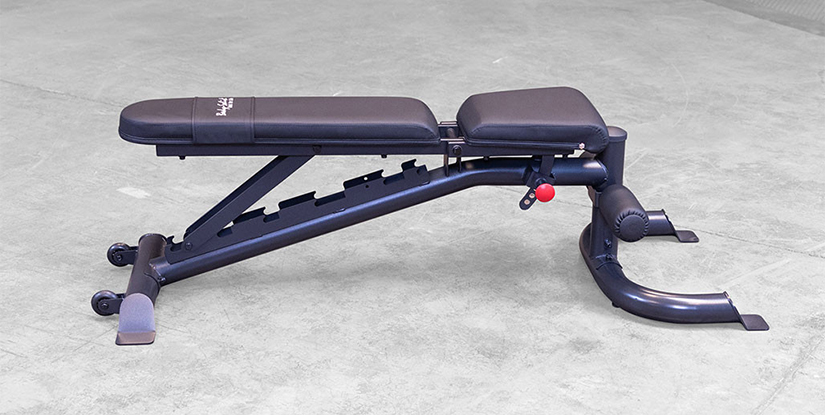
In high-traffic fitness environments, the failure of a single piece of equipment can lead to more than just downtime; it can lead to significant liability and user injury. A common failure mode in commercial facilities is the gradual structural degradation of weight benches, often caused by choosing equipment based on aesthetic appeal rather than engineering rigor. When a bench begins to wobble under load or the upholstery tears under high-frequency use, the root cause is rarely 'bad luck'—it is a failure to verify specific technical parameters during the procurement phase. This guide provides a deep dive into the engineering metrics that distinguish a professional-grade tool from a substandard unit, ensuring long-term ROI and operational safety.
Structural Integrity and Steel Gauge Analysis
The primary reason benches fail under heavy lifting is insufficient steel thickness, leading to metal fatigue or catastrophic buckling. Many buyers mistakenly assume that a heavy bench is a durable bench, but weight is a poor proxy for structural engineering. A high-quality commercial bench must be constructed from high-tensile steel with specific gauge requirements to handle dynamic loading.
When evaluating a bench, the thickness of the steel tubing—often referred to as the gauge—is the most critical specification. A thinner gauge steel is more susceptible to bending under eccentric loads or repetitive high-impact use. For a truly professional environment, you should look for steel with a minimum wall thickness that can withstand the intended usage intensity.
| Component | Standard Specification (Minimum) | Failure Mode if Substandard |
|---|---|---|
| Main Frame Tubing | 11-gauge or 12-gauge steel | Structural buckling or frame warping |
| Support Legs | High-tensile reinforced steel | Side-to-side instability under lateral load |
| Adjustment Hardware | Solid steel pins and heavy-duty bolts | Shearing of adjustment mechanisms |
To verify structural integrity, an operator should inspect the weld quality; look for smooth, continuous beads rather than 'spot' welds, which are prone to cracking under stress. Once the frame density is confirmed, the next critical point of failure shifts from the metal to the mechanism that controls its movement.
Precision of Adjustment Mechanisms and Tolerances
A common user complaint in commercial gyms is the 'play' or 'slop' found in adjustable benches. This occurs when the tolerances between the adjustment pin and the receiver hole are too wide. Such instability not only ruins the user's lifting rhythm but can also lead to unintended angle shifts during a heavy press, posing a severe safety risk.
The mechanism responsible for changing the bench angle must be both robust and precise. In many cases, the failure isn't the steel itself, but the interface where the moving parts meet. Precision engineering ensures that once a position is selected, the bench remains static without microscopic shifting.
Identifying High-Quality Adjustment Systems
- Pop-pin vs. Ladder Adjustment: Ladder-style adjustments with solid steel pins generally offer higher stability than spring-loaded pop-pins, which can develop play over time.
- Micro-adjustability: Higher-end commercial benches often feature tighter tolerances, allowing for incremental changes that are critical for specific hypertrophy training.
- Locking Strength: Verify that the locking mechanism utilizes a full-diameter pin that passes entirely through the frame, rather than a shallow notched system.
Operators can test for quality by setting the bench to an incline and applying moderate pressure to the upper section. If there is a perceptible 'clunk' or movement within the mechanism, the tolerances are insufficient for high-intensity commercial use. Establishing these physical limits leads directly to the necessity of examining the bench's foundation: the uprights and feet.
Explore the complete technical specifications:
Adjustable Bench Commercial: Specifications, Durability & Selection
Stability and Footprint Optimization
Even a perfectly constructed frame will fail the user if it lacks a stable footprint. The most frequent mistake in facility layout planning is neglecting the relationship between the bench's center of gravity and its base width. If a bench is too narrow or top-heavy, it will tip during asymmetrical movements, such as single-arm dumbbell presses.
A stable commercial bench must have a wide enough base to counteract the leverage created by the lifter's body position and the weight being lifted. This is particularly vital for adjustable benches, where the center of gravity shifts significantly as the angle changes.
| Stability Factor | Technical Requirement | Verification Method |
|---|---|---|
| Base Width | Must exceed widest part of ergonomic reach | Measure width at lowest setting |
| Foot Pads | High-density rubber or polyurethane | Check resistance to sliding on floor |
| Weight Distribution | Low center of gravity geometry | Test for oscillation on edges |
Before finalizing a purchase, ensure the bench feet are designed to grip the floor rather than merely resting on it. Once the footprint is secured, the focus must shift to the surface that directly touches the user, as even the strongest frame is useless if the contact point fails.
Explore the complete technical specifications:
Adjustable Bench Press Rack | Buyer's Guide for Commercial Gyms
Upholstery Durability and Hygiene Engineering
While steel and mechanics are the skeleton of the bench, the upholstery is the primary point of contact. In a commercial setting, the failure of upholstery is often seen in the form of cracking, peeling, or sagging. This is rarely a matter of 'bad material' and more often a result of improper density or lack of chemical resistance.
Commercial-grade upholstery must withstand three distinct stressors: heavy physical compression, sweat-induced chemical degradation, and the constant friction of clothing. A high-density foam core is essential to prevent the 'bottoming out' effect, where the user eventually feels the hard frame underneath.
Material Specification Checklist
- Density: Look for high-density, closed-cell foam that retains its shape after repeated compression.
- Cover Material: High-grade vinyl or synthetic leather that is resistant to UV, sweat, and common gym disinfectants.
- Stitching: Double or reinforced stitching is required to prevent the seams from bursting under lateral tension.
A common mistake is choosing a bench with thick padding that lacks sufficient density. While it feels soft initially, the foam will collapse within months, creating an uneven surface that compromises lifting technique. Once the surface integrity is understood, the technical buyer must turn their attention to the finish of the metal parts.
Surface Finish and Corrosion Resistance
The environment of a gym is inherently harsh, characterized by humidity and frequent use of acidic cleaning agents. A bench that looks pristine on delivery may show signs of rust or finish degradation within six months if the protective coatings are substandard. This is a common failure point in humid or high-traffic facility environments.
The finish on the steel components serves two purposes: aesthetic appeal and long-term protection. A professional-grade bench should utilize advanced coating technologies to ensure that the metal remains protected from both environmental moisture and the chemicals used by cleaning crews.
To verify a high-quality finish, observe the uniformity of the powder coating. It should be thick and consistent, with no visible 'orange peel' texture or thin spots around welds. A high-quality electro-static powder coating is the industry standard, as it creates a hard, durable shell that resists chipping and corrosion. This durability ensures that the bench remains a functional asset rather than a maintenance liability. Having secured the physical build and the surface, the final step is implementing a regimen to preserve these specifications.
Operational Maintenance and Inspection Protocols
Even the highest-specification commercial bench requires regular oversight to maintain its structural and functional integrity. Relying on 'set and forget' mentalities is a precursor to equipment failure. A structured maintenance protocol turns reactive repairs into proactive management, significantly extending the lifecycle of the asset.
A professional maintenance program should be divided into three tiers: daily visual inspections, weekly mechanical checks, and monthly structural audits. By identifying minor issues before they become catastrophic, facility managers can ensure both user safety and continuous operation.
Recommended Maintenance Schedule
| Interval | Focus Area | Action Required |
|---|---|---|
| Daily | Upholstery & Surface | Inspect for tears; wipe with approved cleaners. |
| Weekly | Moving Parts | Check adjustment pins for loose fit. |
| Monthly | Fasteners & Structure | Verify bolt torque; inspect welds for cracks. |
Failure to execute these steps often leads to 'incremental looseness'—where bolts gradually back out due to vibration, eventually compromising the entire frame. By adhering to these technical standards, operators can ensure that the specifications reviewed during the initial purchase remain intact for years to come.