

The Versatility of a Commercial Exercise Bench for Strength Training
Structural Integrity and Material Selection in High-Traffic Environments
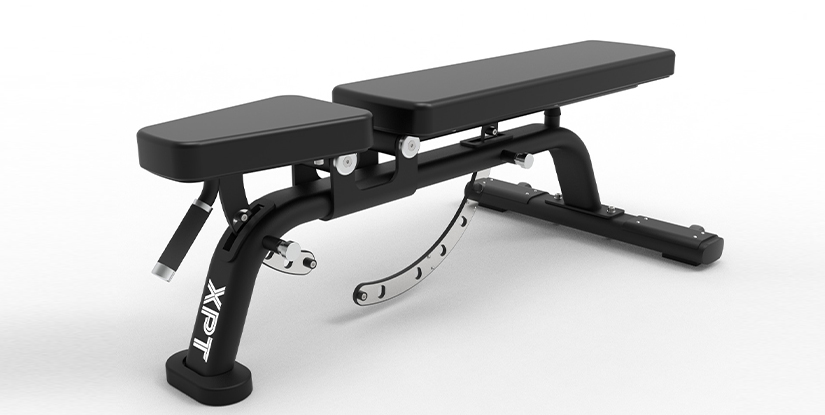
The primary failure mode in strength training facilities often originates from a misunderstanding of structural load limits. When operators utilize a commercial exercise bench for strength training, they are not just buying a piece of furniture; they are investing in a mechanical platform subject to high-frequency impact and lateral stress. A common problem is the premature deformation of the frame, often caused by selecting equipment with insufficient steel gauge thickness. If a bench is designed for light residential use but placed in a high-volume commercial setting, the fatigue on the weld points and the steel tubing becomes critical.
To mitigate this, engineers focus on the gauge of the steel and the quality of the powder coating. A high-quality commercial bench should utilize heavy-duty steel tubing that resists buckling under compressive force. A frequent mistake is overlooking the quality of the welds; sub-standard welding leads to micro-fractures that eventually result in catastrophic failure during heavy lifts. Operators should verify the integrity of the frame by checking for uniform weld beads and ensuring no visible porosity exists in high-stress joints.
| Feature | Standard Commercial Grade | Entry-Level/Residential Grade | Operator Verification Method |
|---|---|---|---|
| Steel Gauge | 11-gauge or 12-gauge steel | 14-gauge or thinner | Check manufacturer's steel thickness spec |
| Weld Quality | Continuous, smooth structural welds | Tack welds or irregular beads | Visual inspection for porosity or gaps |
| Base Stability | Wide-footprint, heavy-duty steel | Narrow or lightweight tubing | Manual shake test under load |
Ensuring the structural foundation is sound is the first step in maintaining a safe lifting environment. Once the frame's integrity is confirmed, the focus must shift to the dynamic components that facilitate movement, specifically the adjustment mechanisms.
Precision Calibration of Adjustable Inclines and Declines
The versatility of a commercial exercise bench for strength training is heavily dependent on the precision of its adjustment angles. A common technical frustration for professional trainers is the 'slop' or lateral movement that occurs when a bench is set at an incline or decline. This instability is typically caused by worn adjustment pins or poorly engineered pivot points. When a pin does not seat perfectly into the receiver, it creates a mechanical play that can destabilize a heavy barbell press, leading to uneven muscle engagement or injury.
To ensure high-performance operation, the mechanism must be examined for its locking efficiency. High-end commercial models often utilize pop-pin systems or heavy-duty ladder adjustments that provide a positive click when engaged. A critical failure point is the pivot bolt; if these are not properly lubricated or if they have become stripped, the transition between angles will be jerky rather than smooth. Operators should implement a regular lubrication schedule for all moving parts to prevent metal-on-metal friction from increasing the resistance during adjustment.
Verifying Angle Accuracy and Stability
Before allowing high-intensity training, the technician should perform a two-step verification: first, ensure the adjustment pin is fully seated in the designated hole, and second, apply lateral pressure to the bench to check for wobble. If the bench shifts significantly when set at a 45-degree incline, the pivot points may require maintenance or replacement. A stable bench is essential for the isolation of specific muscle groups without external interference.
Refining the mechanical movement of the bench is necessary, but the surface contact point—the upholstery—is equally vital for the user's stability and long-term safety.
Upholstery Composition and Surface Tension Management
The usability of a strength training platform is often limited by the failure of its upholstery. In a commercial setting, the most frequent problem is the degradation of the vinyl or foam, which leads to 'bottoming out.' This occurs when the internal foam loses its resilience, causing the lifter to feel the hard structural frame beneath them. This loss of density is a direct result of excessive moisture (sweat) and high-density compression cycles that the material was not designed to withstand.
To solve this, the technical specification of the upholstery must be scrutinized. Commercial-grade benches should feature high-density, multi-layer foam covered by high-tensile, anti-microbial vinyl. The goal is to maintain surface tension even under heavy loads. A common mistake in procurement is selecting benches with low-density foam that feels soft initially but fails after three months of heavy use. Operators can verify the quality by performing a 'pressure recovery test': press firmly into the padding and observe how quickly the foam returns to its original shape. If it remains indented, the density is insufficient for professional use.
- Material Spec: High-tensile, tear-resistant vinyl.
- Internal Core: High-density, dual-layer urethane foam.
- Failure Mode: Cracking or tearing due to chemical cleaners or poor UV resistance.
- Corrective Action: Immediate replacement of torn upholstery to prevent moisture entry into the foam.
A stable, well-padded surface provides the necessary ergonomic support for complex lifts, but the bench must also be prepared for the widest variety of training modalities.
Explore the complete technical specifications:
Optimizing Equipment Use Across Multiple Training Modalities
The true value of a high-quality bench lies in its ability to transition between different strength training modalities. However, an improperly configured bench can actually hinder a workout. For example, transitioning from a flat press to an incline press requires more than just changing an angle; it requires a re-evaluation of the lifter's center of gravity. A major pain point for users is the lack of versatility in benches that are too narrow or too short for certain movements like seated dumbbell presses or Bulgarian split squats.
To maximize utility, the operator must understand the dimensional constraints of the equipment. A bench with a wider seat design facilitates more stable seated exercises, while a longer bench allows for a full range of motion during hip-thrust variations. A common error is assuming all 'adjustable' benches are suitable for all 'seated' movements. This leads to awkward positioning and increased strain on the lower back. When selecting or configuring a bench, consider the following optimization checklist:
| Training Type | Required Bench Feature | Critical Verification Point |
|---|---|---|
| Heavy Barbell Pressing | High-width shoulder support | Check for lateral stability during heavy load |
| Dumbbell Flyes/Press | Sufficient seat length | Verify elbow clearance near the seat edge |
| Seated Exercises | Angle precision and pin security | Test stability at extreme angles |
Expanding the range of movements is only possible if the technician understands the interplay between the equipment's dimensions and the user's biomechanics. This leads directly to the importance of proper layout and maintenance protocols.
Explore the complete technical specifications:
Standardized Maintenance and Inspection Protocols
Consistent operation of a commercial exercise bench for strength training requires a rigorous maintenance cadence to prevent cumulative wear. The primary cause of equipment downtime in professional gyms is often not a broken part, but a neglected one. Small issues, such as a slightly loose bolt or a minor surface scratch, often go unnoticed until they evolve into a safety hazard. A systematic approach to inspection moves from the visual to the mechanical.
A highly effective maintenance strategy involves a two-tier system: daily visual inspections and monthly deep-mechanical audits. During a daily check, staff should look for obvious signs of wear, such as frayed upholstery or loose adjustment pins. During the monthly audit, more technical tasks are required, such as checking the torque of the primary structural bolts and inspecting the friction points. A common mistake is using generic lubricants on the adjustment mechanisms; high-viscosity grease can actually attract dust and create a grinding paste that wears down the metal. Instead, use a dry-film lubricant or a specialized silicone spray that does not leave a sticky residue.
Monthly Inspection Checklist
- Fasteners: Check all bolts for tightness using a torque wrench.
- Adjustment Pins: Inspect for bends or worn-down tips.
- Welds: Look for hair-line fractures or oxidation.
- Upholstery: Search for tears or fluid-saturated areas.
- Leveling: Ensure the bench sits flat on the floor without wobbling.
By maintaining a disciplined inspection routine, facility managers can extend the ROI of their equipment significantly. This proactive approach ensures that the bench remains a reliable tool for all training modalities.
Safety Compliance and Risk Mitigation in Facility Operations
Even with regular maintenance, the operational safety of a commercial exercise bench for strength training relies on human compliance and environmental control. The primary risk is not the equipment failing under normal use, but rather the failure of the user to interact with the equipment correctly or the facility to provide a safe environment. A major problem in high-intensity strength training is the lack of a 'clearance zone' around the bench, which increases the risk of collision during heavy barbell movements.
To mitigate these risks, facilities must implement strict operational guidelines. This includes ensuring that the bench is placed in a location that allows for unobstructed movement of the barbell and the lifter. A common mistake is overcrowding the training area, which limits the safe range of motion. Furthermore, the bench should never be used for any movement that exceeds its documented weight capacity, even if it appears physically stable. Operators should verify that the load capacity is clearly marked and visible to all users to prevent accidental overloading.
Safety is also a matter of environmental control. A wet or sweat-soaked bench is a slip hazard. The use of proper cleaning protocols is not just for hygiene but for mechanical safety. As we have discussed, the chemical composition of cleaning agents can affect both the upholstery and the metal integrity. Operators should verify that only approved, non-corrosive cleaners are used in the facility to maintain both the user's grip and the longevity of the equipment.
Procurement Criteria for Maximizing Long-Term ROI
When transitioning from a small setup to a professional strength facility, the procurement process for a commercial exercise bench for strength training becomes a critical decision point. The most common mistake is prioritizing initial purchase price over long-term operational cost. A cheaper bench may have a lower upfront cost, but the frequency of repairs, the need for replacement, and the potential for injury claims will quickly erode any perceived savings.
A professional procurement strategy focuses on Total Cost of Ownership (TCO). This involves evaluating the durability of materials, the ease of maintenance, and the availability of replacement parts. For instance, a bench with a proprietary adjustment system might be cheaper initially, but if the manufacturer does not sell replacement pins, the entire bench becomes useless if the mechanism fails. Therefore, a key decision criterion is the 'serviceability' of the equipment. Before purchasing, a procurement officer should ask for the detailed steel gauge, the density of the foam, and the availability of modular replacement parts.
| Metric | Low-Cost Option | Professional Grade Option | ROI Impact |
|---|---|---|---|
| Annual Maintenance | High (Frequent parts/repairs) | Low (Routine lubrication/cleaning) | Higher availability in Pro Grade |
| Lifespan | 1–3 Years | 5–10+ Years | Significant long-term savings in Pro Grade |
| User Experience | Inconsistent (Wobble/Softness) | Stable and Consistent | Higher client retention and satisfaction |
By weighing these technical and economic factors, facility owners can ensure they are building a sustainable training environment. The decision-making process must always bridge the gap between immediate needs and long-term operational reliability.
The Future of Bench Design and Technological Integration
As the industry evolves, the versatility of a commercial exercise bench for strength training will likely expand through the integration of smart technology. We are already seeing the emergence of 'intelligent' benches equipped with sensors that can measure load distribution, angle accuracy, and even user fatigue levels. While these advancements offer incredible data, the fundamental requirement for structural integrity and high-quality mechanical design remains unchanged. Even the most advanced smart bench is useless if the base steel is insufficiently heavy or the upholstery fails.
The industry is also moving toward more sustainable materials, with a focus on high-density, biodegradable foams and recycled steel. For the professional operator, the core directive remains the same: prioritize heavy-duty construction, maintain a rigorous inspection cadence, and select equipment that offers both mechanical precision and long-term serviceability. Whether you are a gym owner, a personal trainer, or a facility manager, understanding these technical nuances is the key to a safe, high-performance training environment.