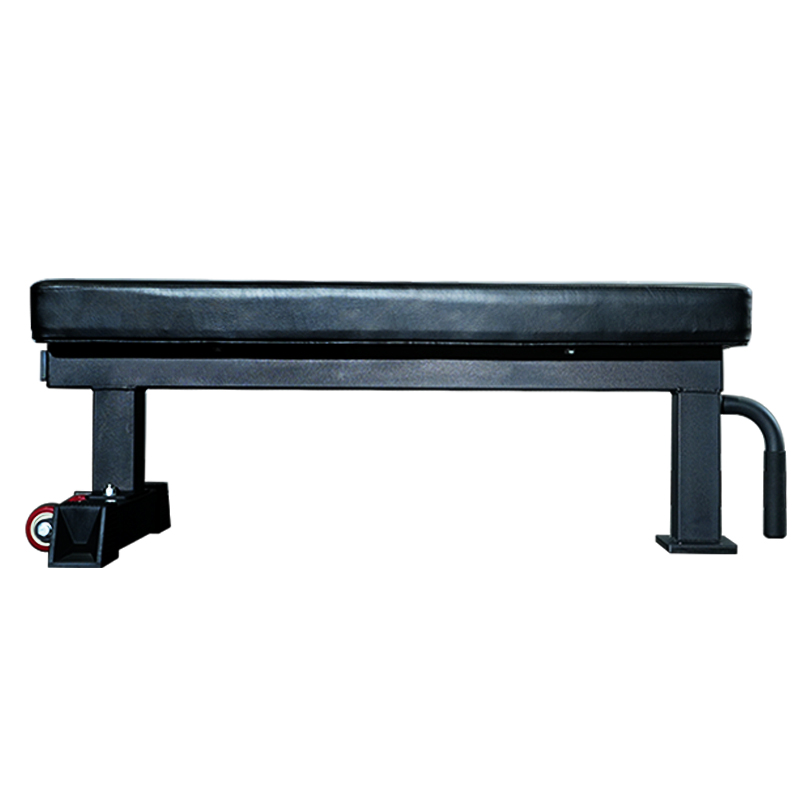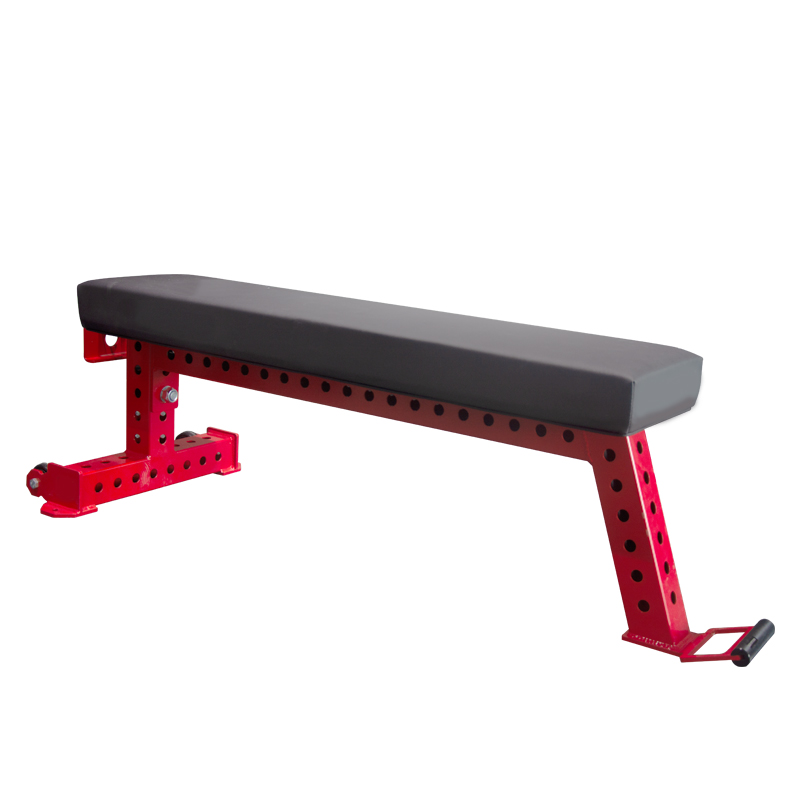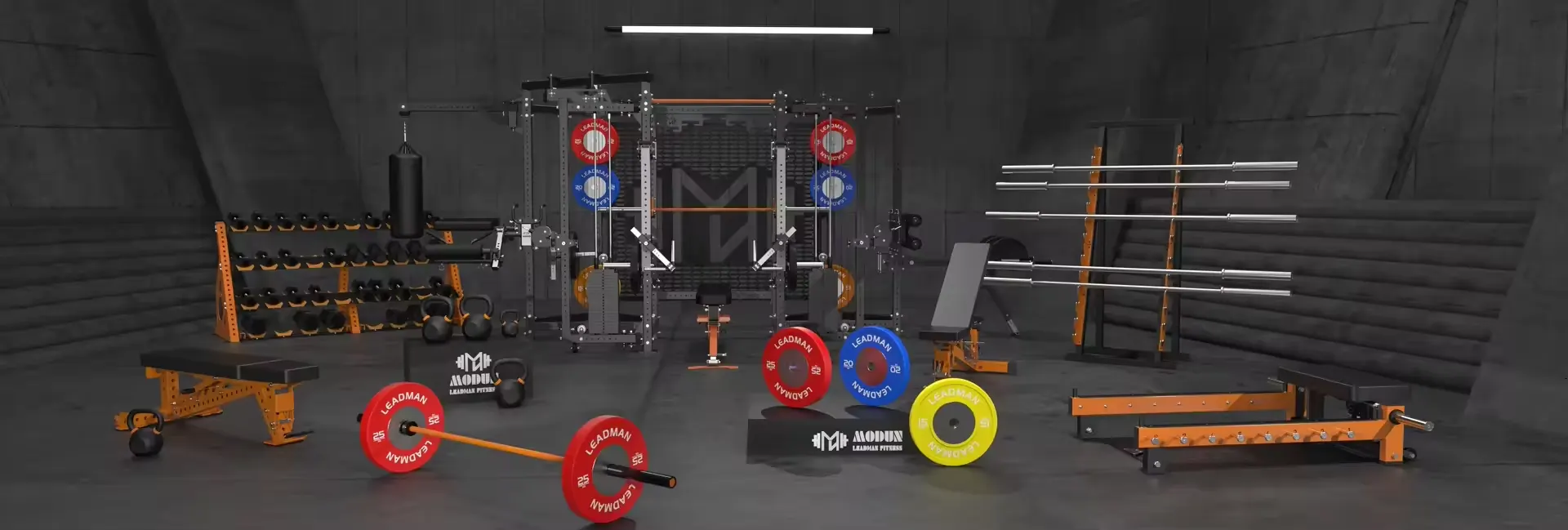
At the intersection of simplicity and versatility lies the workout bench, an enduring cornerstone of strength training that has evolved dramatically over the past decade. No longer merely a flat surface for pressing, the modern commercial workout bench serves as a multifunctional platform that supports everything from heavy barbell incline presses to dynamic plyometric step-ups and core stability work. Its adaptability makes it arguably the most utilized piece of equipment in any gym, demanding exceptional durability and biomechanical precision from its engineering.
The fundamental architecture of a commercial-grade workout bench hinges on its frame construction and weight capacity. Manufacturers typically employ 11-gauge or 12-gauge steel tubing for the main chassis, ensuring resistance to flexing and warping under heavy loads. However, the critical component often overlooked is the pivot and locking mechanism, which must engage with absolute security to prevent accidental collapse. A 2025 survey of gym facility managers identified bench stability as the leading factor influencing member confidence and safety perception, surpassing even the quality of the upholstery.
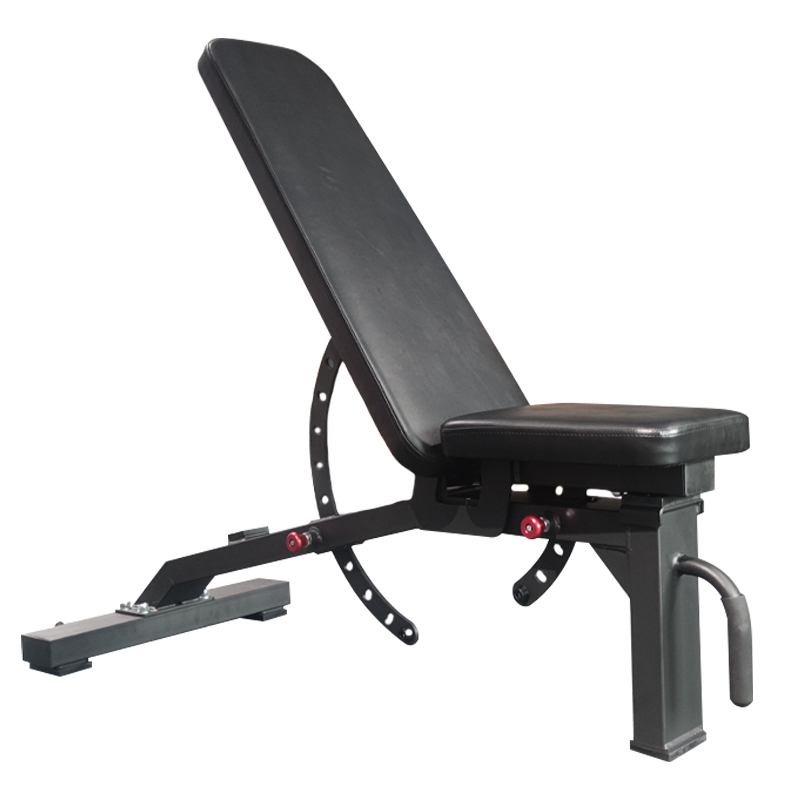
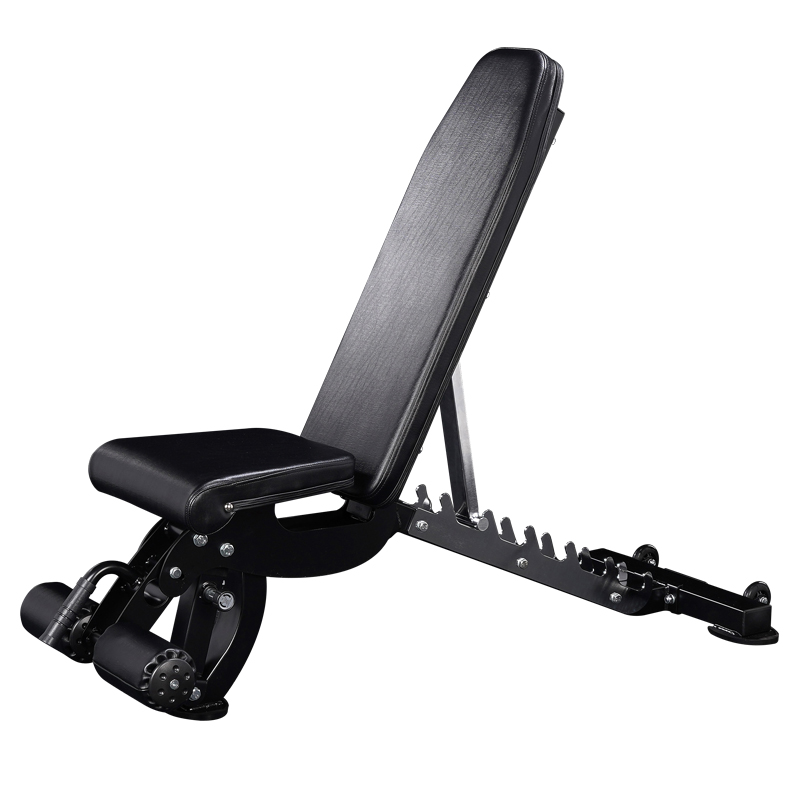
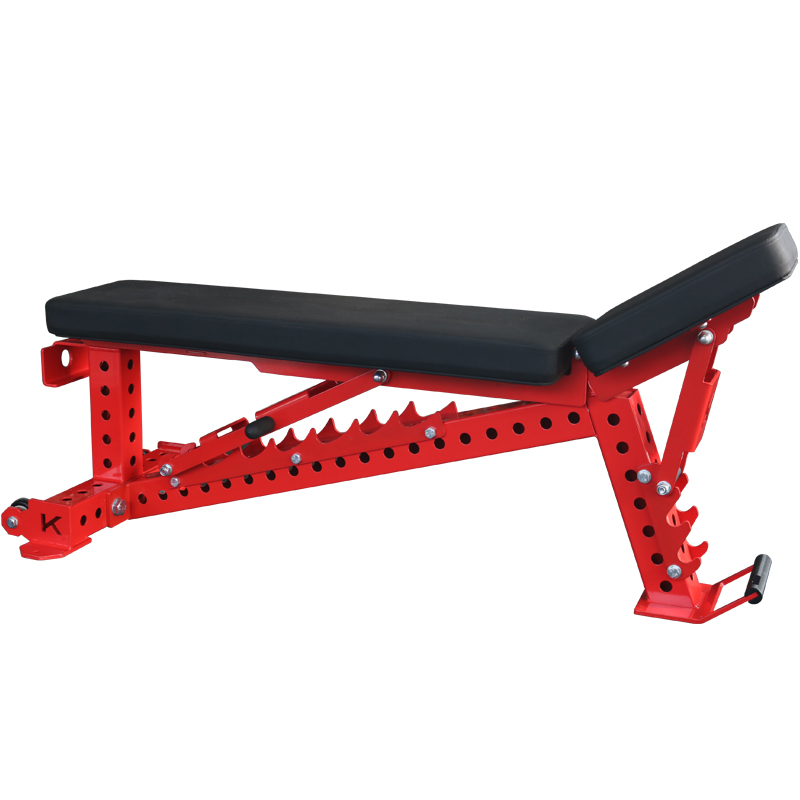
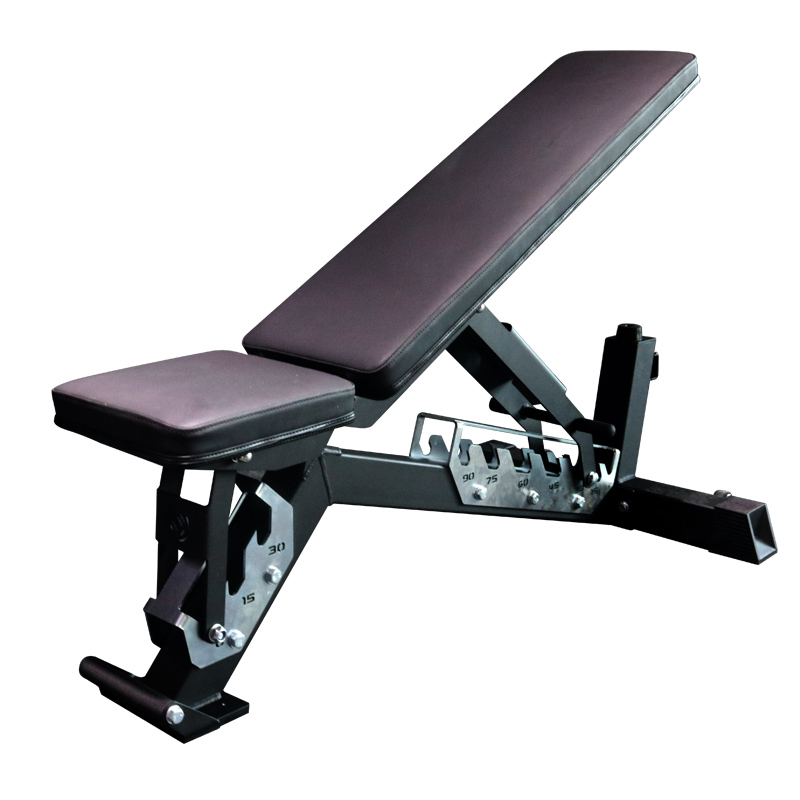
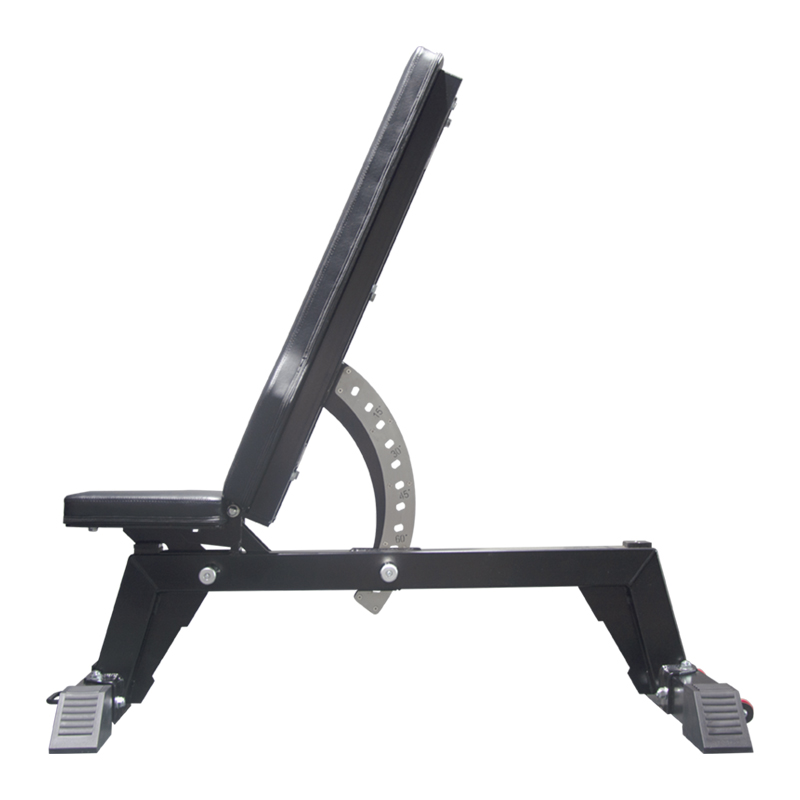
Adjustability is the defining feature distinguishing basic benches from their premium commercial counterparts. A high-end commercial workout bench offers multiple backrest positions—typically ranging from -15 degrees decline to 85 degrees upright—to accommodate a comprehensive exercise selection. The seat pad should also articulate independently, maintaining the correct pelvic tilt for spinal protection across all angles. The most sophisticated models utilize gas-assisted spring mechanisms for effortless and silent angle transitions, eliminating the disruptive clanking sound that often accompanies older mechanical designs.
Equally important is the quality of the padding and upholstery. Commercial benches endure thousands of loading and unloading cycles daily, making abrasion resistance and density retention essential. High-density cold-cured foam with a minimum 3-inch thickness provides the necessary support while conforming to the user's body shape for enhanced stability. The covering material—typically 900-denier ply-vinyl or a comparable marine-grade fabric—must resist tears, moisture absorption, and color fading from sweat and cleaning chemicals. Adjustable weight bench buyers increasingly prioritize low-maintenance, wipe-clean surfaces for hygiene compliance.
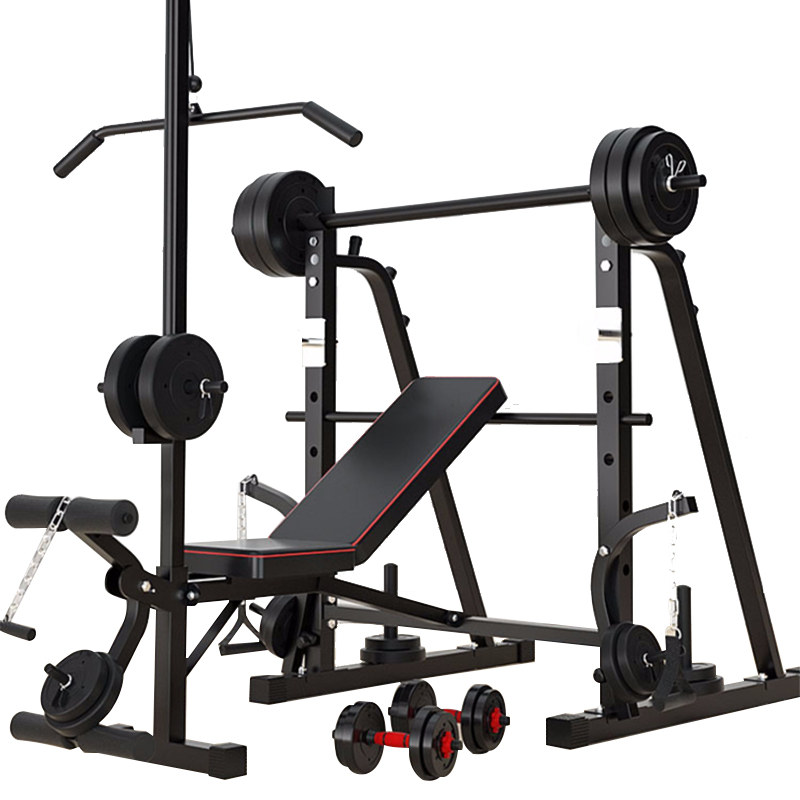
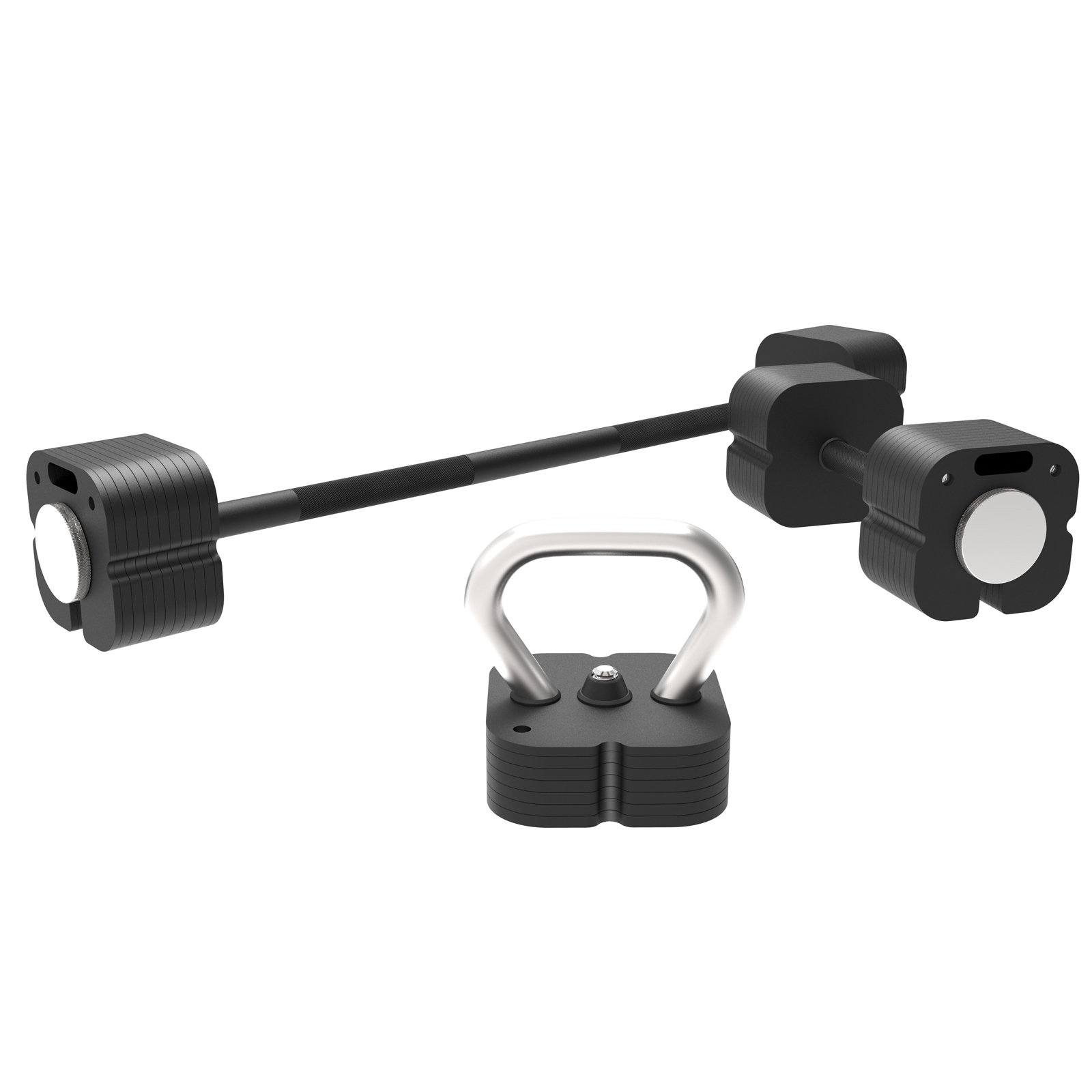
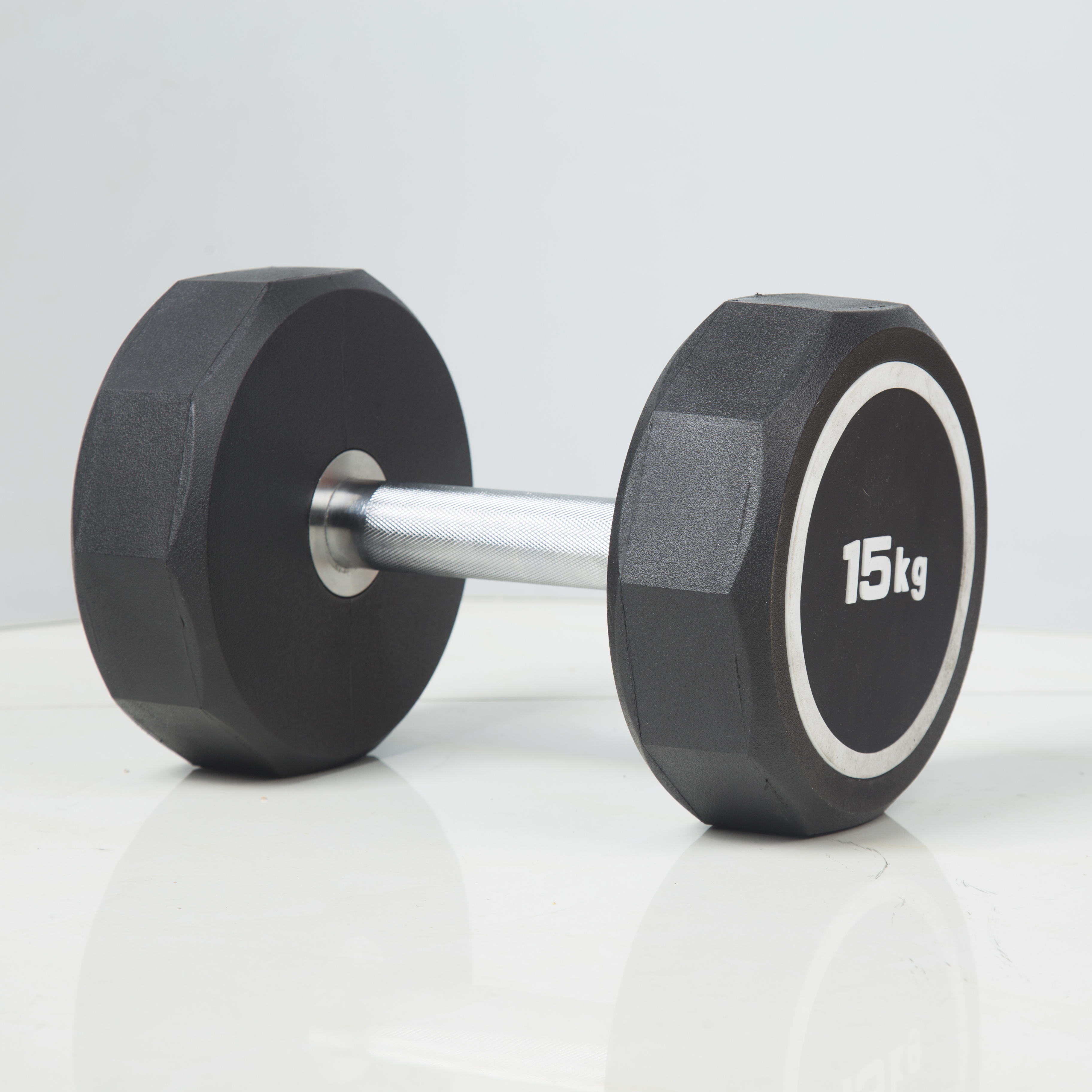
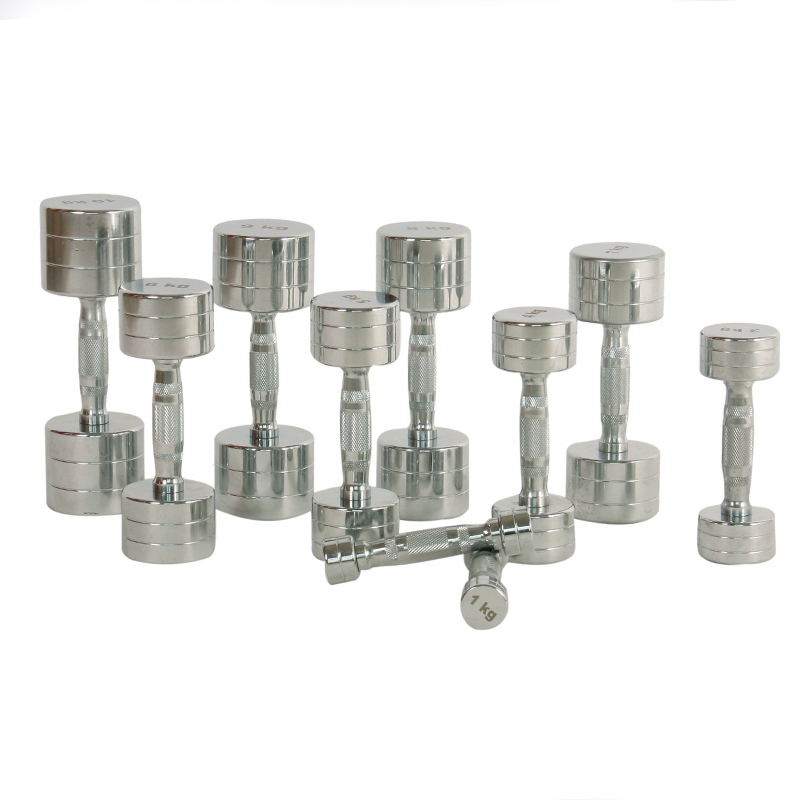
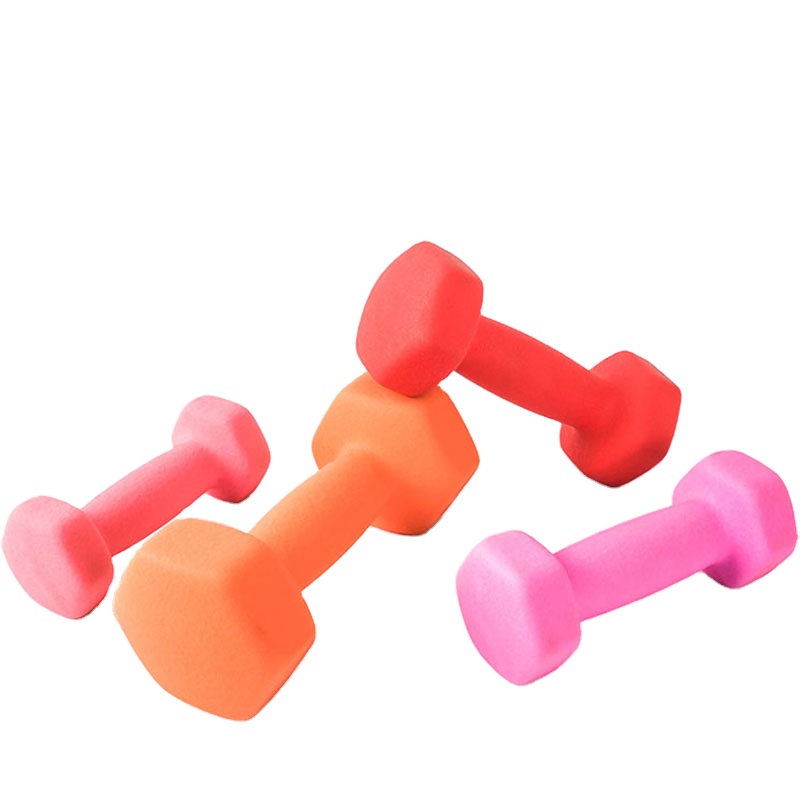
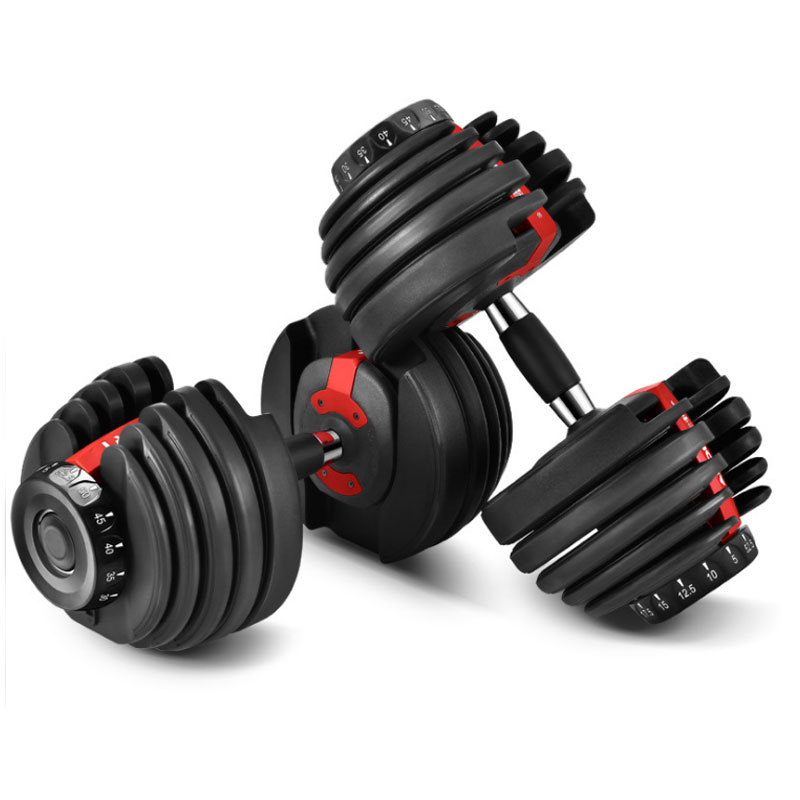
For facility owners, the workout bench represents a critical value proposition in terms of floor efficiency and member engagement. A bench occupying roughly 4 feet by 2 feet of space can unlock dozens of potential exercises, effectively functioning as a micro-gym within the larger facility. The growing trend of pairing benches with adjustable dumbbell sets or resistance band stations further amplifies their utility. Commercial gym benches equipped with integrated accessory attachments—such as leg curl modules or dip handles—offer even greater ROI, attracting functional fitness enthusiasts seeking variety and challenge in their training.

Let our experts design the perfect gym solution for your business. Get a free consultation and quote today.