

Optimizing the Lifecycle of a Justerbar Dumbbell: A Technical Guide
The Operational Challenges of Adjustable Weight Systems
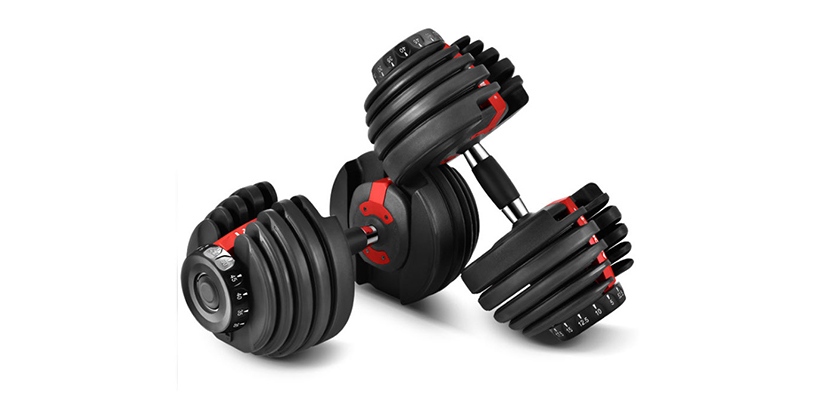
Selecting and maintaining a Justerbar Dumbbell involves more than just choosing a weight range; it requires a deep understanding of the mechanical precision required for daily heavy-duty use. A common pain point for facility managers and serious athletes is the gradual degradation of the weight-selection mechanism. This often manifests as a 'stuck' selector or an inconsistent feel when switching between increments. Such issues are rarely the result of sudden breakage, but rather the consequence of microscopic debris accumulation or lubrication failure within the internal pin systems.
When a mechanism begins to feel sluggish, the cause is typically a buildup of oxidized metal particles or dust within the selection track. If left unaddressed, this friction can lead to a complete seizure of the weight adjustment plate. By mastering the technical nuances of these systems early, operators can transition from reactive repairs to proactive maintenance. Understanding these fundamental mechanical behaviors is the first step toward ensuring the longevity of the entire unit.
Mechanical Architecture and Selection Precision
To effectively manage a high-end adjustable system, one must grasp the internal mechanics that facilitate rapid weight changes. Most modern adjustable units utilize a dial-based or pin-based selection system to lock weight plates into a central axis. The precision of this lock is what differentiates a professional-grade tool from a consumer-level model.
Internal Loading Mechanisms
The internal loading relies on a series of interlocking plates and a primary selector pin. As the user rotates the dial or moves the lever, the pin shifts position to allow or restrict the rotation of the weight stack. High-quality systems use high-density polymer or reinforced steel to ensure that even under high-impact usage, the tolerances remain within acceptable limits. If the tolerances are too loose, the dumbbell may feel 'rattly' during lateral movements; if they are too tight, the selection process becomes labor-intensive.
Selecting the Right Weight Increment System
When evaluating different units, the increment method is a critical decision criterion. The following table compares the two most common mechanical architectures found in the industry.
| Feature | Dial-Driven Mechanism | Pin-and-Plate Mechanism |
|---|---|---|
| Selection Speed | High (Smooth Rotation) | Medium (Requires Manual Alignment) |
| Mechanical Complexity | Higher (Requires Internal Gear Sync) | Lower (Direct Physical Displacement) |
| Durability Factor | Sensitive to fine dust/debris | Highly resistant to heavy vibration |
| Typical Use Case | High-frequency, rapid switching | Traditional, heavy-lifting stability |
Choosing the correct mechanism depends heavily on the intended training intensity and the environmental cleanliness of the facility. Once the architecture is understood, the focus must shift to the inevitable wear and tear caused by friction and environmental factors.
Preventing Mechanical Seizure Through Lubrication Protocols
As established in the discussion on mechanical architecture, friction is the primary antagonist of the selection mechanism. Without a proper lubrication protocol, the transition between weight increments will inevitably suffer from increased resistance. This is especially prevalent in environments with high humidity or where fine dust particles are present.
A common mistake among operators is the over-application of generic lubricants. Using a heavy, viscous oil can actually exacerbate the problem by attracting more debris, which then forms a grinding paste inside the mechanism. Instead, a dry-film lubricant or a specialized light-grade silicone spray is recommended to maintain smooth motion without the residue buildup.
Lubrication Implementation Checklist
- Step 1: Clean the selection track using compressed air to remove loose debris.
- Step 2: Apply a minimal amount of dry-film lubricant to the contact points of the selector pin.
- Step 3:
Cycle the mechanism through its full weight range 5–10 times to distribute the coating.- Step 4: Wipe away any excess liquid to prevent dust adhesion.
Proper application ensures that the internal components move with minimal resistance. However, lubrication alone is insufficient if the structural integrity of the plates is compromised, which leads us to the necessity of regular physical inspections.
Explore the complete technical specifications:
15Lbs Plates: Intermediate Weight Selection for Commercial Gyms
Structural Integrity and Material Stress Testing
Beyond the internal selector, the outer shell and the weight plates themselves are subject to significant centrifugal and impact forces. A failure in the external housing can lead to a catastrophic release of the weight plates, posing a severe safety risk to the user. Therefore, monitoring the structural integrity is a non-negotiable part of a professional maintenance routine.
Common Failure Modes in Outer Housings
Operators should be vigilant for signs of material fatigue. A common failure mode occurs when the plastic or metal casing surrounding the weight plates begins to show hairline fractures. This is often caused by dropping the dumbbell from a height that exceeds its engineered impact tolerance. Furthermore, the handles are subject to repeated torque stress, which can lead to ergonomic degradation or even snapping if the material quality is substandard.
Verification of Plate Stability
To ensure the plates remain securely seated during high-intensity movements, implement the following verification test monthly. This is a simple way to catch micro-oscillations before they become macro-failures.
| Inspection Point | Verification Method | Acceptable Result |
|---|---|---|
| Weight Plate Seating | Manual shake test at low weight | Zero audible rattling or shifting |
| Handle Grip Integrity | Visual check for micro-cracks | Uniform surface texture with no chips |
| Selection Pin Alignment | Full-range rotation check | Consistent resistance across all settings |
By conducting these checks, you ensure that the tool remains a reliable asset rather than a liability. With the physical structure verified, the operator can then focus on the fine-tuning of the internal mechanics.
Explore the complete technical specifications:
Managing User Error and Impact Fatigue
While equipment maintenance is vital, a significant portion of the operational lifespan of a Justerbar Dumbbell is determined by how it is treated by the end-user. Many mechanical failures are not actually product defects, but rather the result of improper handling or 'impact fatigue' caused by improper dropping techniques. When a user drops a heavy adjustable unit, the shockwave travels directly into the delicate internal selector gear, often causing permanent misalignment.
One of the most frequent errors is attempting to change the weight while the dumbbell is in motion or mid-rep. This introduces lateral forces that the selection pin is not designed to withstand, leading to bent pins or stripped teeth in the adjustment gear. Instructing users on the proper way to set the weight down is as important as the mechanical upkeep of the device itself.
Impact Mitigation Strategies
To extend the life of the equipment, facilities should implement specific protocols for handling. This includes using high-density rubber flooring to absorb the kinetic energy of a dropped weight and ensuring that the selection dial is never turned while the unit is being held in a dynamic position. These simple behavioral changes can significantly reduce the frequency of expensive mechanical repairs.
Explore the complete technical specifications:
Standard Operating Procedures for Daily Inspection
Moving from general handling to specific daily routines, a structured approach to inspection ensures that small issues are caught before they escalate. A professional operator does not wait for a breakdown; they look for the subtle precursors of failure. This involves a routine that combines visual, tactile, and auditory feedback to assess the unit's health.
The Daily Three-Point Inspection
The daily inspection should take no more than sixty seconds per unit and should cover three specific areas of concern: the selection mechanism, the structural housing, and the ergonomic grip. This ritualistic approach ensures that consistency is maintained across large inventories of equipment.
- Tactile Check: Feel the weight-changing lever for any unusual resistance or 'notchy' sensations that indicate a lack of smooth motion.
- Auditory Check: Listen for any metallic clicking or grinding sounds when the weight plates are moved or when the dumbbell is set on the floor.
- Visual Check: Look for any discoloration on the handle or any signs of fluid leakage from the internal compartment.
A well-documented daily check provides a baseline of performance. When an anomaly is detected, the operator can immediately decide whether the unit requires simple lubrication or a more comprehensive technical overhaul.
Explore the complete technical specifications:
Troubleshooting Common Weight Adjustment Malfunctions
When an adjustment error occurs, it is essential to diagnose the root cause before attempting a fix. Attempting to force a stuck mechanism can lead to irreversible damage to the internal gear teeth. If the Justerbar Dumbbell fails to transition to the desired weight, follow this diagnostic ladder to identify the failure point.
Diagnostic Troubleshooting Guide
If the mechanism is unresponsive, the problem typically lies in one of three areas: obstruction, misalignment, or lubrication failure. Use the following guide to determine your next action.
| Observed Symptom | Likely Cause | Recommended Action |
|---|---|---|
| Stuck at a specific weight | Debris in the selection track | Clean with compressed air; do not force |
| Loose/Rattling feeling | Misaligned selection pin | Cycle through full range slowly |
| High resistance across all weights | Dried out lubricants/Oxidation | Apply dry-film lubricant to internal pivots |
| Mechanism won't lock | Internal plate fatigue | Retire unit for professional repair |
Once the diagnostic step is complete, the operator can proceed with the appropriate fix. This methodical approach prevents the common mistake of 'force-fixing' which often results in total mechanical failure.
Explore the complete technical specifications:
Adjustable Bench Commercial: Specifications, Durability & Selection
Future Trends in Adjustable Weight Technology
As we look toward the future, the evolution of adjustable weight systems is moving toward even higher degrees of automation and smarter materials. While current models rely on mechanical pins and gears, the next generation of technology is expected to integrate electromagnetic locking systems that eliminate the friction-based wear currently seen in most adjustable units. This would essentially solve the primary cause of the mechanical seizure discussed throughout this guide.
Furthermore, the integration of sensor-based diagnostics will likely become a standard feature. Future dumbbells may be able to communicate their internal state to a facility manager's dashboard, providing real-time alerts when a selection pin is nearing its fatigue limit or when the internal lubrication levels are critically low. This shift from manual inspection to automated, data-driven maintenance will redefine how professional training facilities manage their equipment lifecycles.