

Strategic Procurement: How to Choose Commercial Weight Equipment That Lasts
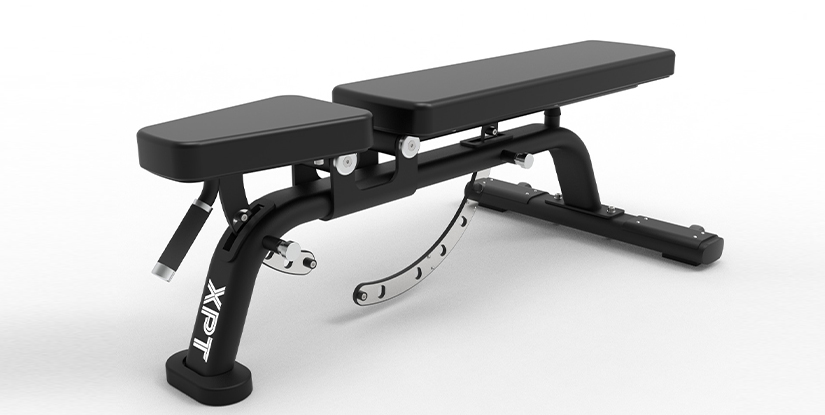
For facility operators and procurement specialists, the acquisition of weight equipment is not merely a shopping task; it is a high-stakes capital expenditure decision. A common failure mode in facility management is the 'low-cost trap,' where initial savings on equipment are completely eroded by premature component failure, high maintenance frequency, and the eventual necessity of full replacement within 24 months. Understanding how to choose commercial weight equipment that lasts requires moving beyond aesthetic appeal toward a deep analysis of material science, mechanical tolerances, and structural integrity.
Evaluating Structural Framework and Gauge Thickness
The fundamental strength of any resistance machine or free weight station begins with its steel skeleton. A common mistake among novice buyers is assuming that any heavy-duty steel is sufficient for a high-traffic commercial environment. However, the distinction lies in the gauge thickness and the quality of the welding processes utilized during manufacturing.
Steel Gauge and Tubing Specifications
When reviewing technical spec sheets, look specifically for the wall thickness of the steel tubing. While residential-grade equipment may use thin-walled tubing, commercial-grade equipment typically utilizes 11-gauge or 12-gauge steel. Using thinner steel leads to structural deflection—a subtle bending that, over time, compromises the alignment of the entire machine.
- Low-Grade Risk: 14-gauge or thinner steel often results in wobbling or frame fatigue under heavy loads.
- Commercial Standard: 11-gauge to 12-gauge steel provides the rigidity necessary to withstand lateral forces during dynamic movements.
- Verification Method: During a showroom visit, apply moderate pressure to the frame. If there is any perceptible vibration or flex, the gauge is likely insufficient for heavy commercial use.
The rigidity of the frame sets the stage for the movement of the machine, which is governed by the precision of the mechanical components and their tolerance levels.
Mechanical Tolerances and Bearing Precision
Once a robust frame is established, the focus must shift to the points of articulation: the bearings, bushings, and pivot points. This is where the most frequent mechanical failures occur, often manifesting as 'grinding' or 'stuttering' during a repetition.
Bearing Types and Longevity Factors
The smoothness of a weight machine's movement is a direct result of the bearing quality. Low-cost manufacturers often substitute high-performance bearings with nylon bushings to save costs, which significantly increases friction and heat during use.
| Component Type | Performance Characteristic | Durability Outlook |
|---|---|---|
| Sealed Ball Bearings | Low friction, high precision, high load capacity | Excellent; minimal maintenance required |
| Nylon Bushings | Moderate friction, high stability | Good for low-intensity; wears faster in high-traffic |
| Open Bushings | High friction, high wear rate | Poor; prone to jamming and rapid degradation |
A critical decision criterion is whether the bearings are sealed. Sealed bearings prevent the ingress of dust, sweat, and cleaning agents, which are the primary causes of internal corrosion and premature failure. If you notice a machine 'catching' or feeling inconsistent, the tolerances are either too wide or the bearings have already begun to degrade.
With the internal movement mechanisms understood, an operator must now look at the external contact points to ensure user safety and long-term comfort.
Upholstery Durability and Surface Finish Standards
A machine can have a perfect internal mechanism, but if the upholstery cracks or the paint chips within six months, the perceived quality of the facility drops. Upholstery failure is rarely a matter of comfort; it is a matter of hygiene and structural integrity.
Material Selection for High-Impact Environments
Commercial environments introduce significant moisture and chemical exposure from cleaning agents. Standard vinyl will crack under these conditions. High-durichity upholstery typically employs high-density foam wrapped in medical-grade or heavy-duty vinyl that is resistant to both perspiration and common disinfectants.
- Failure Mode: Cracking or 'peeling' of the vinyl surface usually indicates low-quality polymers that cannot handle UV exposure or chemical saturation.
- Implementation Detail: Check the stitching density. Double or triple stitching at the edges of the pads prevents seam failure under heavy load.
- Verification: Inspect the edge-guards. High-quality equipment uses high-density plastic or rubber edging to prevent the upholstery from fraying at the contact points.
Surface integrity is closely linked to the overall maintenance regimen, as a well-maintained surface is easier to sanitize and lasts longer.
Explore the complete technical specifications:
Weight Stack Integrity and Selector Pin Precision
For selectorized strength training, the weight stack is the heart of the machine. Many operators fail to realize that the longevity of a weight stack is not just about the plates themselves, but about the guide rods and the selector pin assembly.
Guide Rod Smoothness and Weight Plate Composition
The guide rods must be perfectly straight and highly polished. Any deviation in the straightness of these rods will cause the weight stack to bounce or bind, which can eventually snap the cables or damage the pulley system.
- The Problem: Using lightweight, hollow plastic-coated plates can lead to uneven weight distribution and increased vibration.
- The Solution: High-density steel or iron plates with a consistent coating ensure a smoother vertical travel.
- Verification: Watch the stack during a full range of motion. If the stack 'chatters' or hits the top/bottom with excessive force, the guide rods or the stack guide system may be poorly calibrated.
As the weights move, they exert stress on the cables and pulleys, making the inspection of these specific components vital for preventing catastrophic failures.
Cable Strength and Pulley System Maintenance
Cables are the most common 'consumable' part of commercial weight equipment. If a manufacturer uses low-tensile strength cables, the facility will face high replacement costs and potential liability issues due to snap-induced accidents.
Cable Composition and Pulley Diameter
The diameter of the pulley wheel significantly impacts the lifespan of the cable. A small pulley wheel creates a tighter bend radius, which causes internal fraying of the cable strands over time.
| Feature | Standard/Requirement | Reason for Importance |
|---|---|---|
| Cable Material | Steel core with high-tensile nylon or nylon-coated steel | Prevents snapping and reduces friction |
| Pulley Diameter | Large diameter (typically 4+ inches) | Reduces the bend radius and extends cable life |
| Pulley Material | Aluminum or high-strength nylon | Prevents pulley deformation under load |
To verify cable health, operators should perform a visual inspection for 'kinks' or frayed strands every month. A common mistake is ignoring a slight fray, which almost always leads to a total cable snap shortly thereafter.
Routine Inspection Checklist for Operators
To prevent the issues mentioned above, implement the following monthly inspection routine:
- Frame/Bolts: Check all structural bolts for tightness and signs of rust.
- Movement: Test for any grinding or resistance in the bearings.
- Upholstery: Inspect for cracks, tears, or loose stitching.
- Cables: Look for fraying or discoloration in the cable sheath.
- Weight Stacks: Ensure the selector pin is seated deeply and the stack moves smoothly.
Effective maintenance is the bridge between a one-year lifecycle and a ten-year lifecycle for your investment.
Total Cost of Ownership vs. Initial Purchase Price
When calculating the ROI of your equipment, you must look beyond the sticker price. A 'budget' machine that requires a $200 part replacement every three months is far more expensive than a high-end machine that requires only $50 of maintenance per year. This is the core of strategic procurement.
Calculating the Long-Term ROI
When comparing two models, create a spreadsheet that accounts for both the purchase price and the projected maintenance costs over five years. Include the labor costs for your maintenance staff and the potential revenue loss from 'down' machines that cannot be used by members.
- Low-Cost Model: Low initial cost + high frequency of parts replacement + high labor cost.
- Commercial-Grade Model: High initial cost + low frequency of parts replacement + low labor cost.
By focusing on the total cost of ownership, you ensure that your facility remains operational and profitable without constant reinvestment in replacement parts.
The Impact of Layout and Load Distribution
Even the best equipment will fail prematurely if it is not installed and positioned correctly. The way weight is distributed across the floor and the spacing between machines affects the structural stress on the equipment and the facility itself.
Environmental and Placement Factors
Placing heavy weight stations on uneven or soft flooring can lead to structural leaning, which places uneven pressure on the guide rods and bearings. For the longest lifespan, ensure that all machines are placed on a level, high-density rubber flooring system designed to absorb impact and distribute weight evenly.
- Mistake: Placing heavy racks too close together, causing collision damage during use.
- Fix: Implement a minimum 'clearance zone' around each piece of equipment to protect both the machine and the user.
Understanding these environmental factors completes the picture of how to maintain a high-performance training environment.
Conclusion: Developing a Long-Term Procurement Strategy
Choosing commercial weight equipment that lasts is a multifaceted process involving material science, mechanical inspection, and long-term financial modeling. By prioritizing steel gauge, bearing quality, and total cost of ownership over the lowest initial price, facility owners can build a durable, high-performing asset base. Success lies in the ability to verify technical specs before the purchase and maintain strict inspection protocols after it is on the floor.