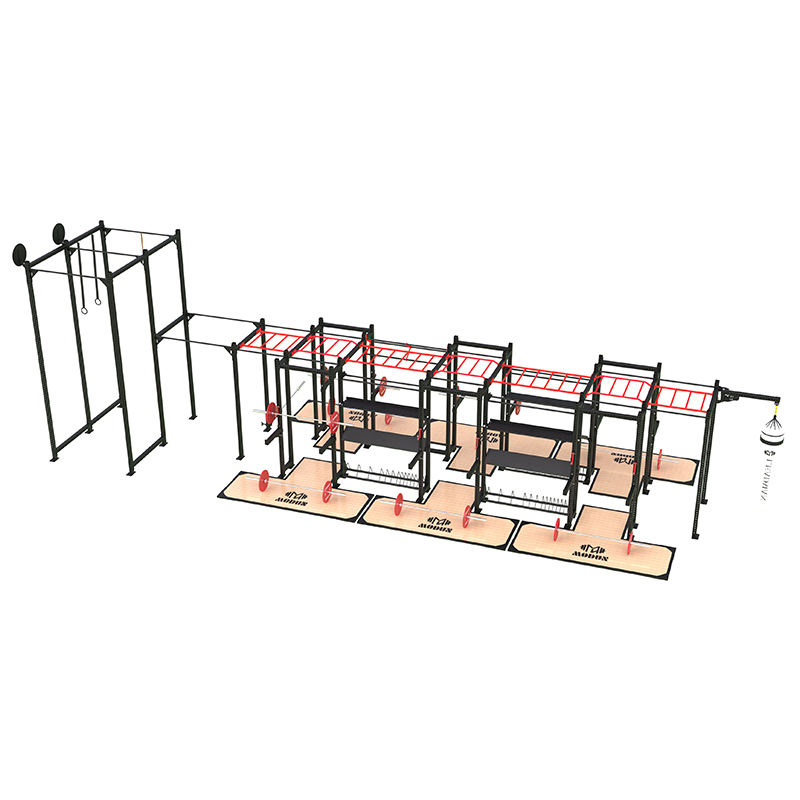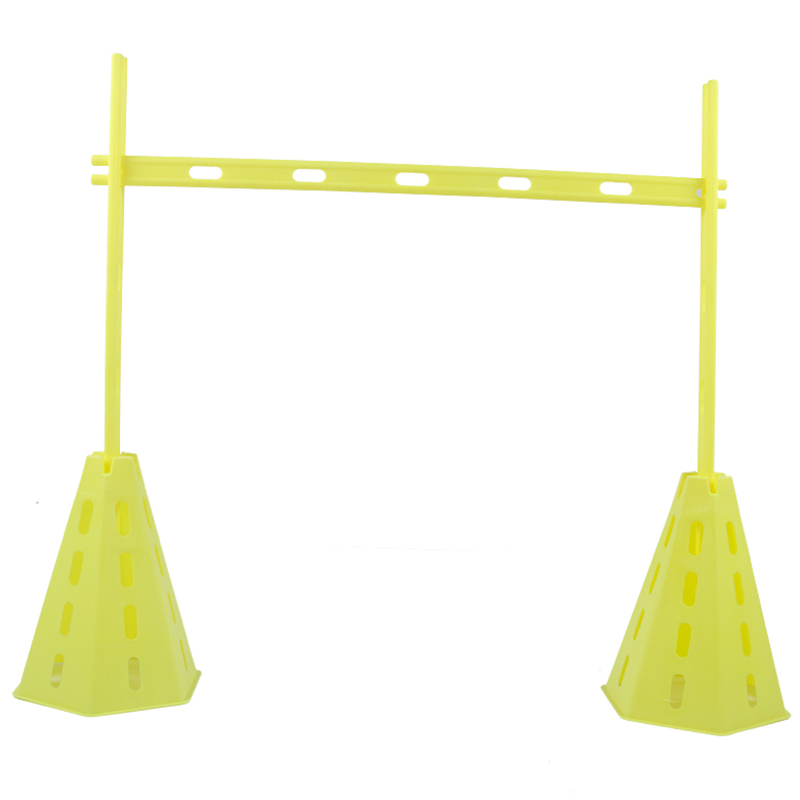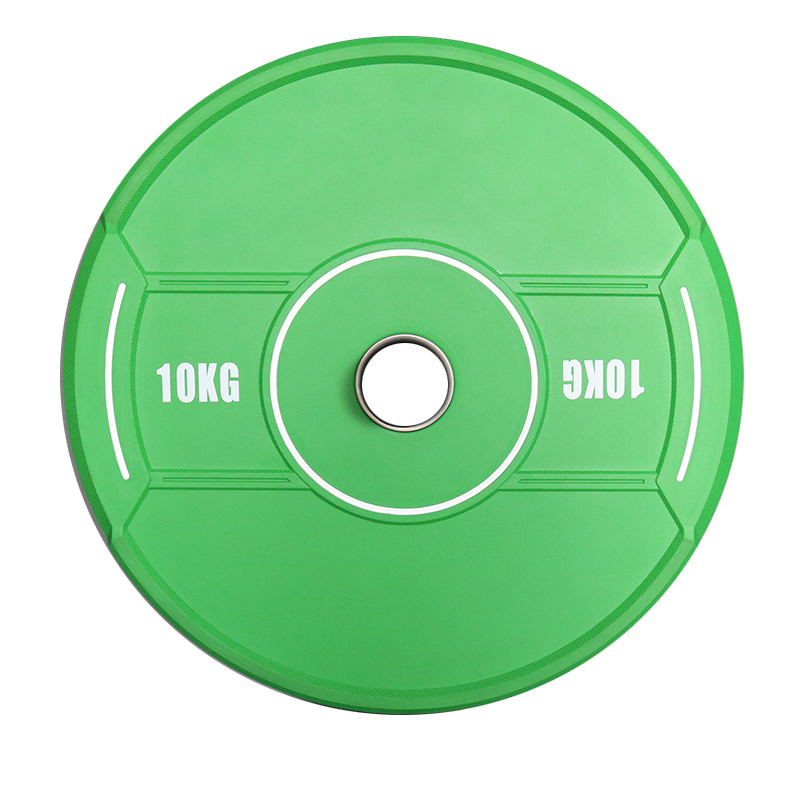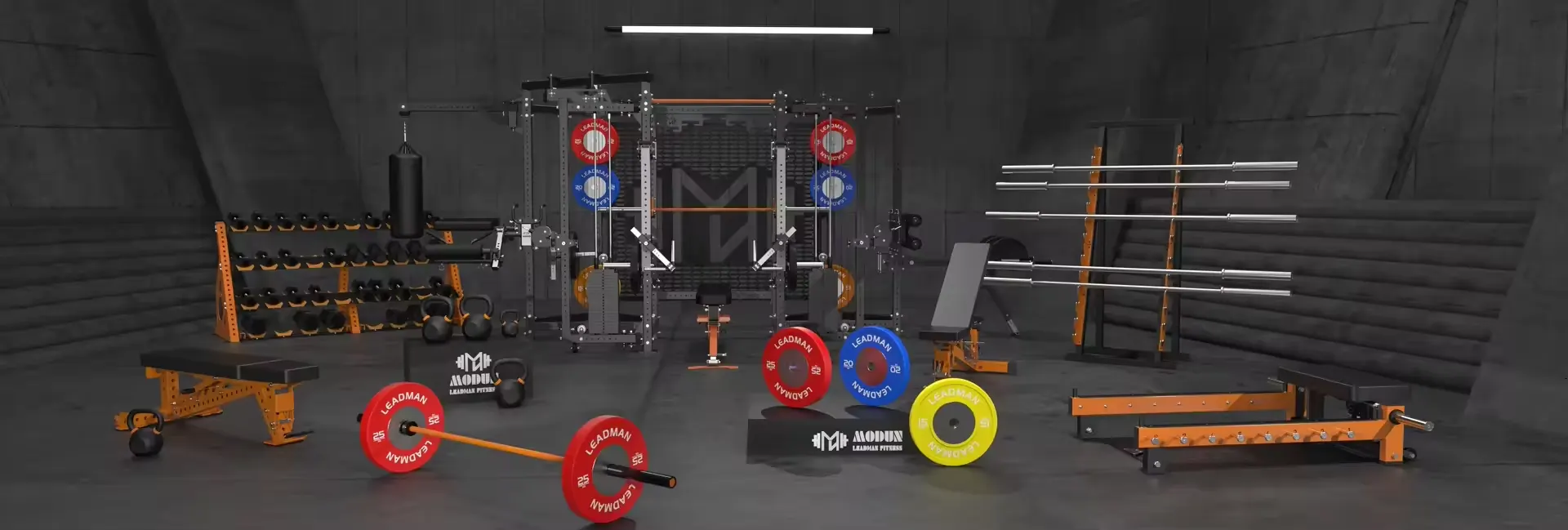
Optimizing Facility Throughput with Circuit Training Systems. High-traffic commercial gyms and performance centers require specialized equipment designed to facilitate high-intensity interval training (HIIT), metabolic conditioning, and rapid station transitions. Circuit training equipment serves as the backbone for structured, time-efficient workouts, allowing multiple users to move through a predetermined sequence of exercises without compromising on mechanical integrity or safety.
Core Engineering and Structural Requirements. Unlike standard standalone machines, professional-grade circuit equipment must be engineered for heavy-duty, continuous use. Key technical considerations for procurement managers include:
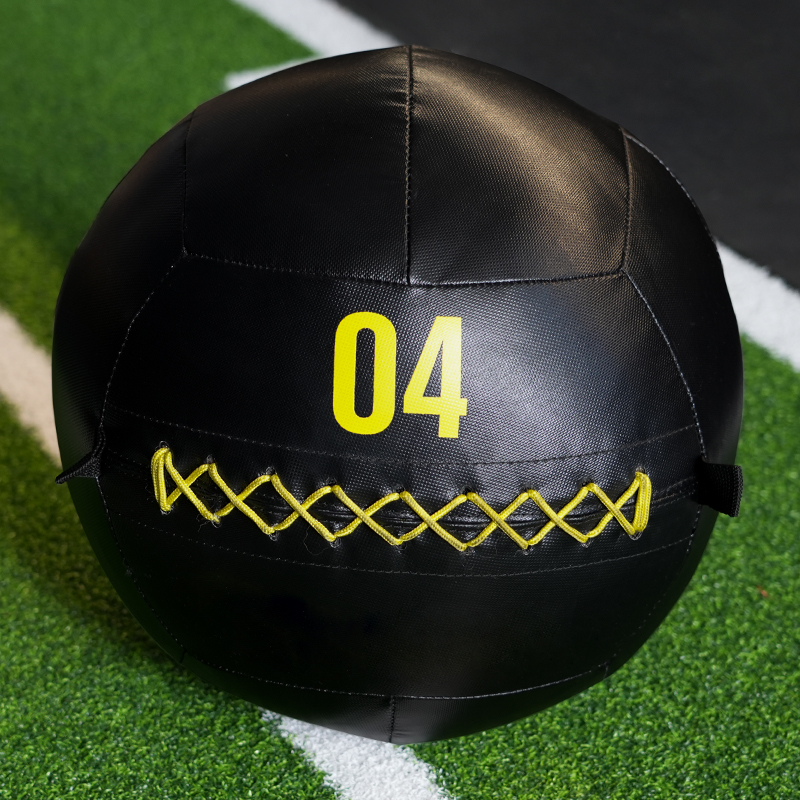
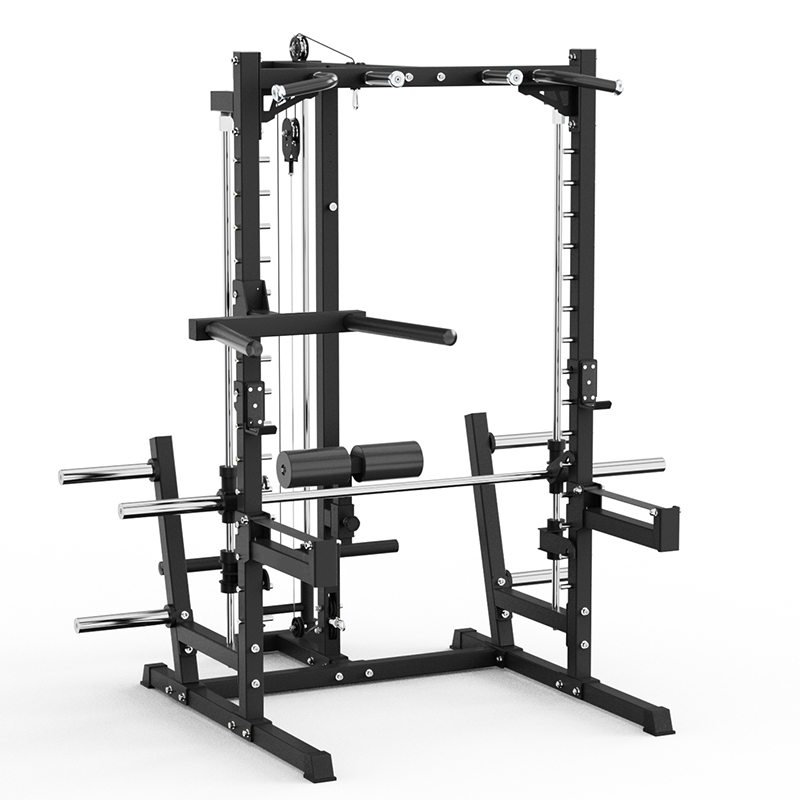
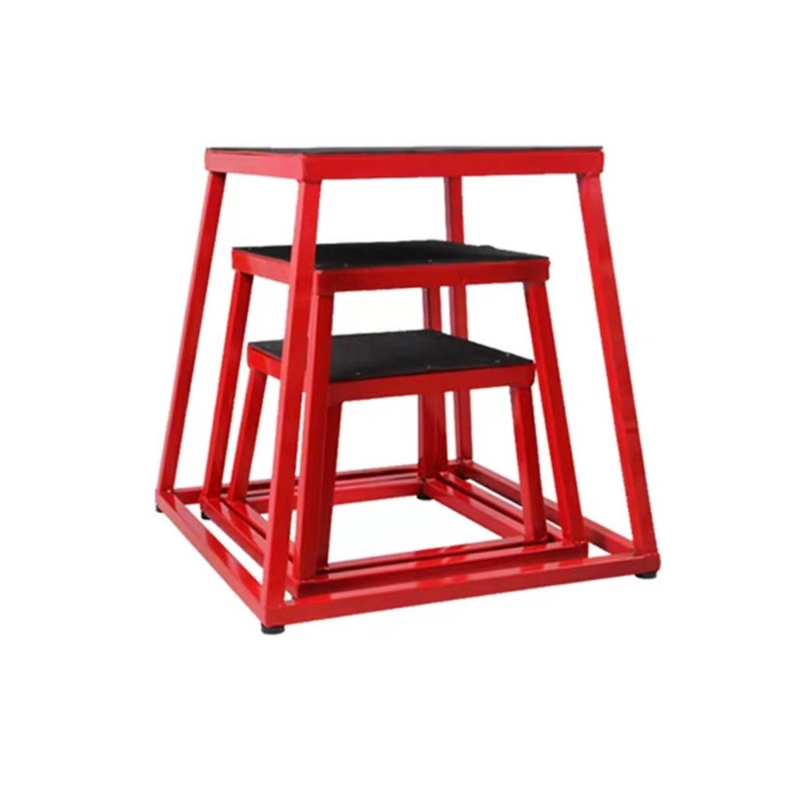
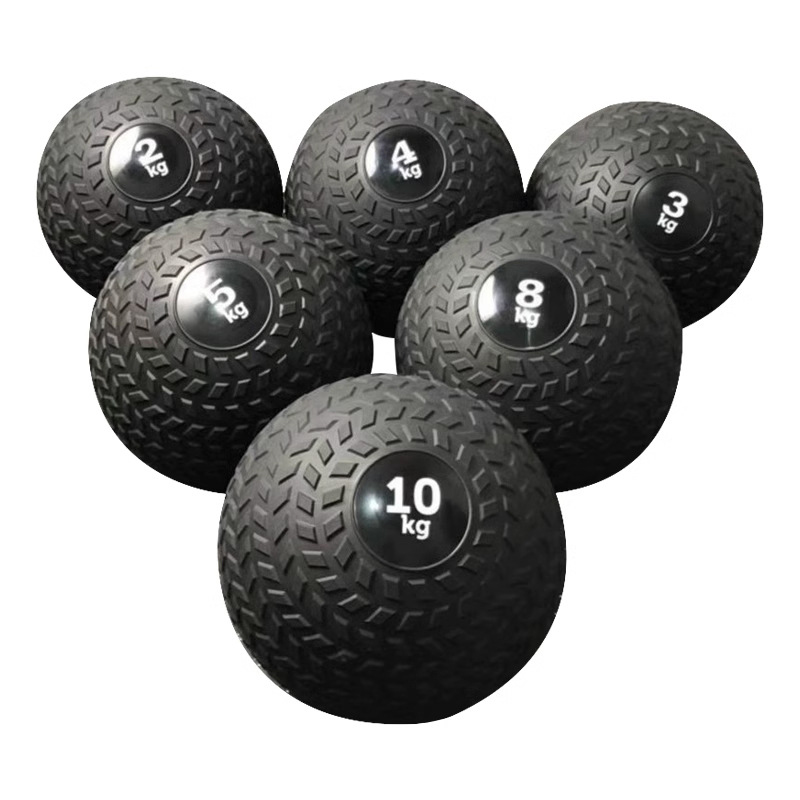
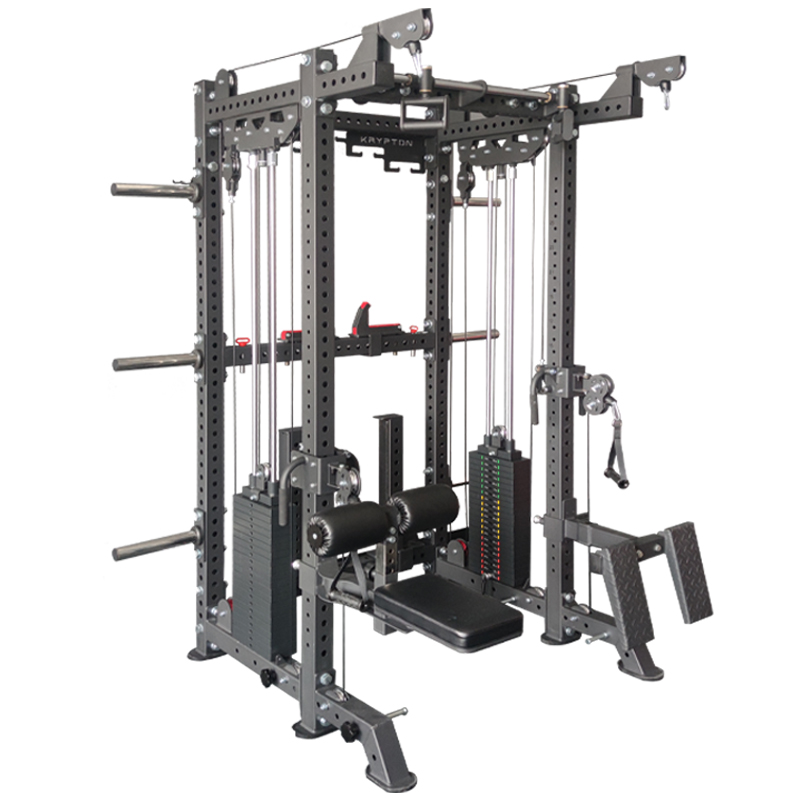
Types of Circuit Modalities. Depending on the facility's target demographic, equipment selections may vary between strength-dominant and cardio-dominant configurations. Strength-based circuits often incorporate multi-functional stations featuring selectorized weight stacks, cable pulleys, and resistance bands. Functional training circuits prioritize mobility and core stability, utilizing items such as kettlebells, medicine ball walls, and plyometric boxes. For comprehensive training environments, integrated circuit systems—which combine strength, cardiovascular, and bodyweight elements into a single, unified footprint—are the optimal choice for maximizing square footage efficiency.
Strategic Sourcing for Commercial Facilities. When sourcing circuit training solutions, buyers must prioritize total cost of ownership (TCO) rather than initial unit price. Reliable commercial equipment should offer low maintenance requirements, highly compatible replacement parts, and a structural warranty that reflects its intended commercial lifecycle. Investing in high-spec training systems enhances member retention by providing a professional, high-performance environment that supports diverse fitness programming.

Let our experts design the perfect gym solution for your business. Get a free consultation and quote today.