In the commercial fitness industry, understanding weight capacity is not merely a matter of usability, but a critical factor in structural integrity, user safety, and long-term equipment lifecycle. For facility managers, gym owners, and procurement specialists, distinguishing between different types of load limits is essential when sourcing high-performance strength training apparatus.
Understanding Static vs. Dynamic Loads
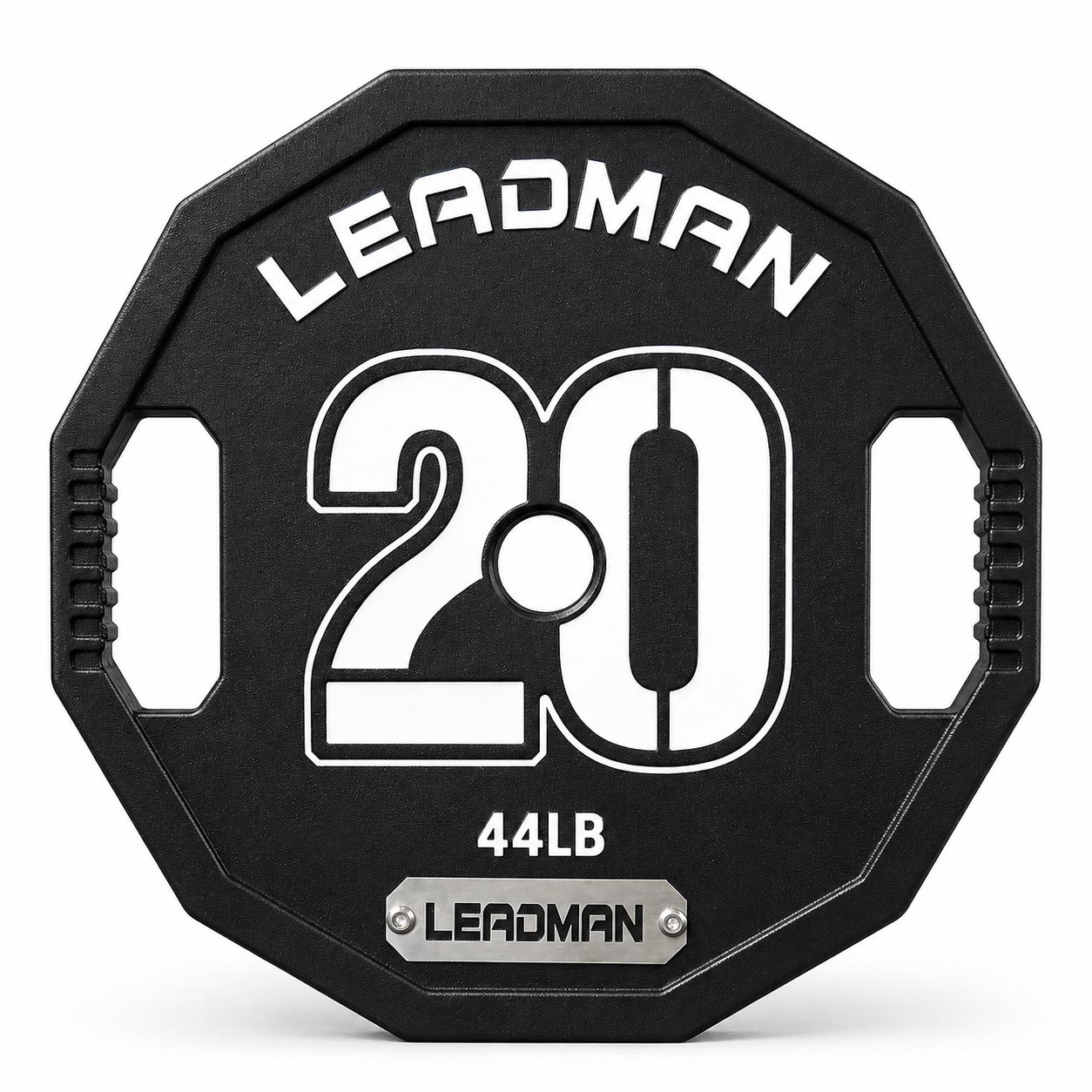
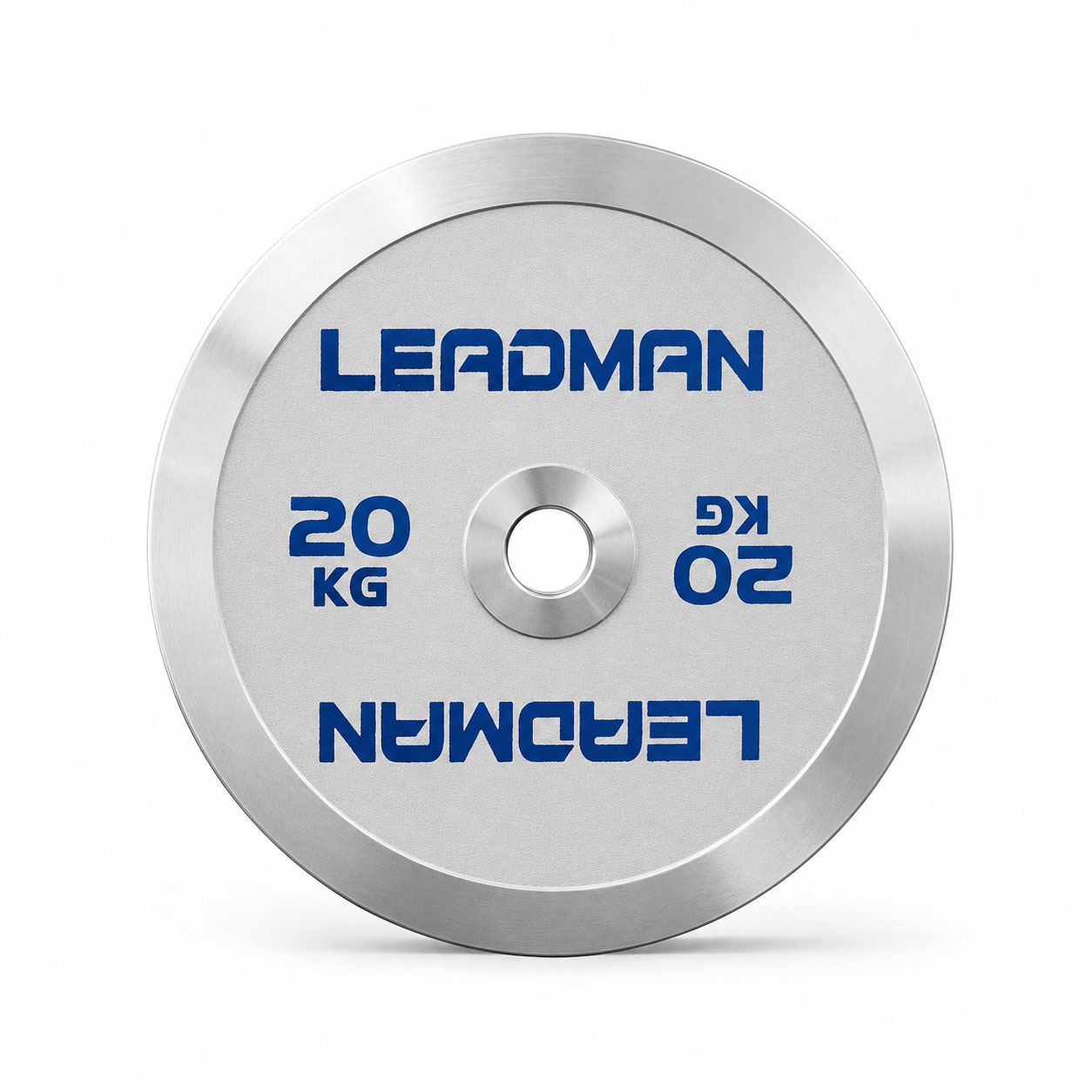
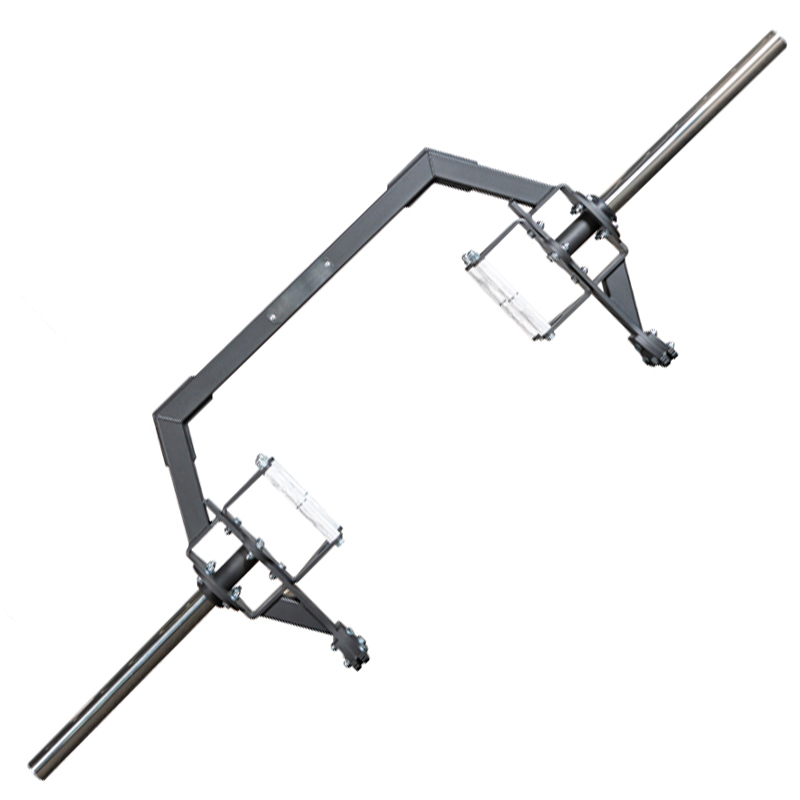
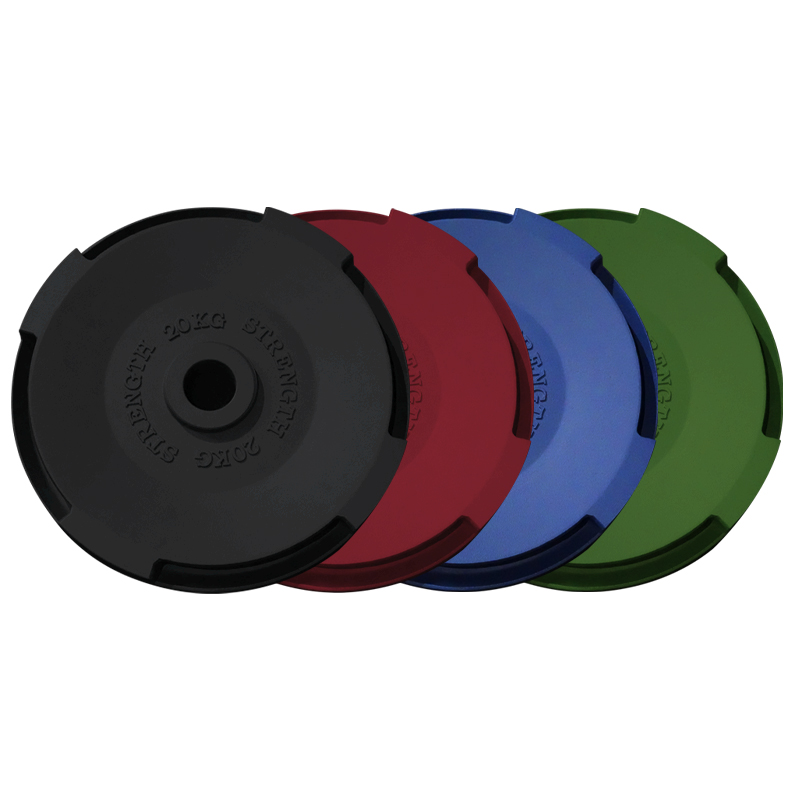
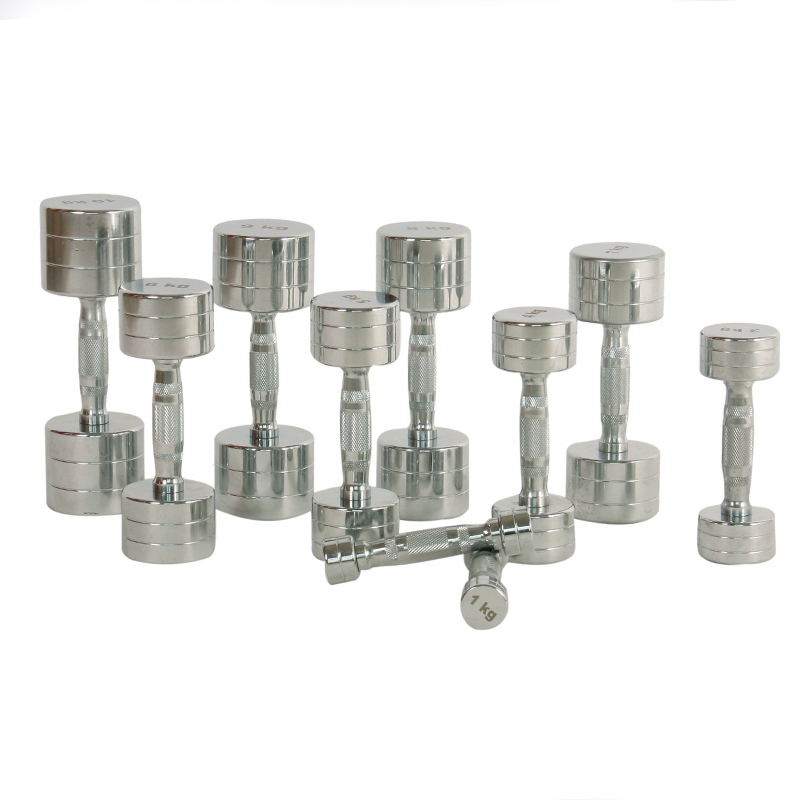
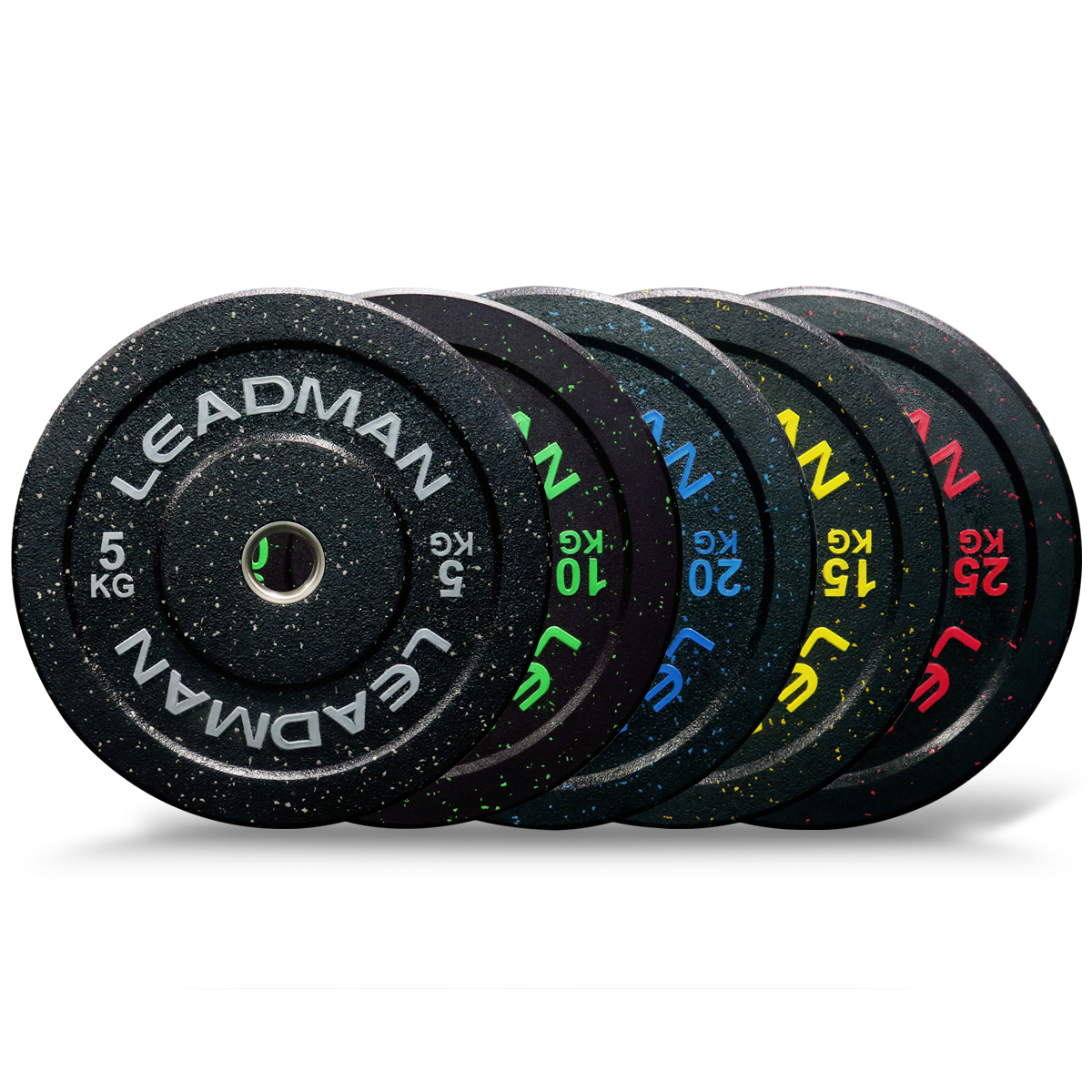
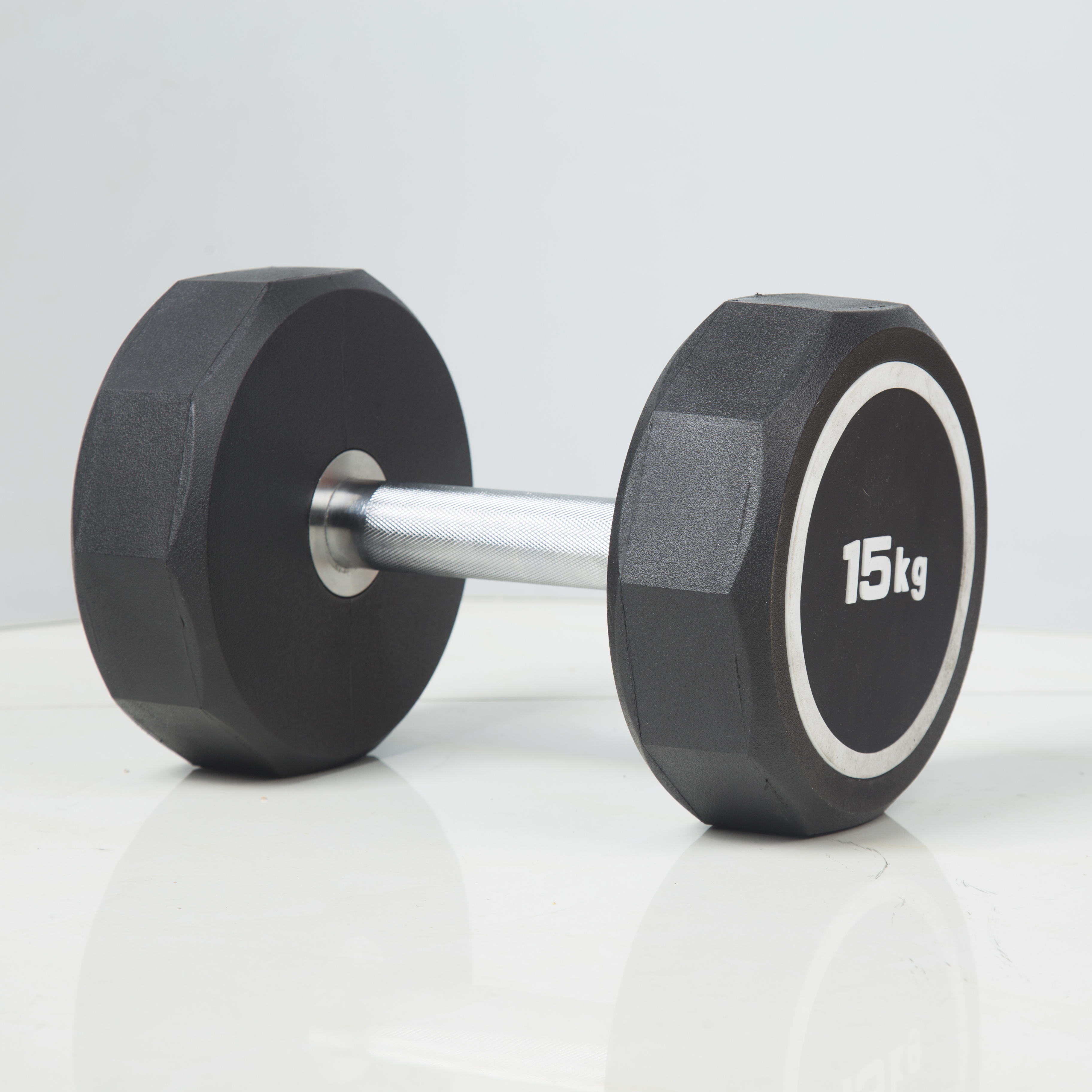
When evaluating equipment specifications, one must differentiate between static and dynamic load capacities. Static load capacity refers to the maximum weight an item can support while stationary, such as a weight plate sitting on a storage rack. Conversely, dynamic load capacity accounts for the kinetic energy and momentum generated during active use. For example, a barbell or a heavy dumbbells during a high-velocity movement exerts significantly more force on a frame than its resting weight. Equipment designed for high-traffic commercial environments must be engineered to withstand these dynamic stresses without structural fatigue.
Critical Equipment Categories and Load Requirements
Procurement and Quality Assurance Benchmarks
When sourcing equipment, professional buyers should demand technical specification sheets rather than marketing brochures. Look for certifications that validate structural testing and load-bearing endurance. High-quality commercial-grade equipment should provide clear documentation regarding the maximum user weight versus the maximum equipment load. Ignoring these distinctions can lead to premature equipment failure, increased maintenance costs, and significant liability risks in a commercial setting.
Summary of Inspection Criteria
To ensure long-term operational stability, always verify the following during the procurement process:
1. The thickness (gauge) of the steel construction.
2. The specific dynamic load rating for resistance machines.
3. The maximum weight-bearing capacity for all accessory storage components.
4. The presence of reinforced welding and high-grade mechanical fasteners.

Let our experts design the perfect gym solution for your business. Get a free consultation and quote today.