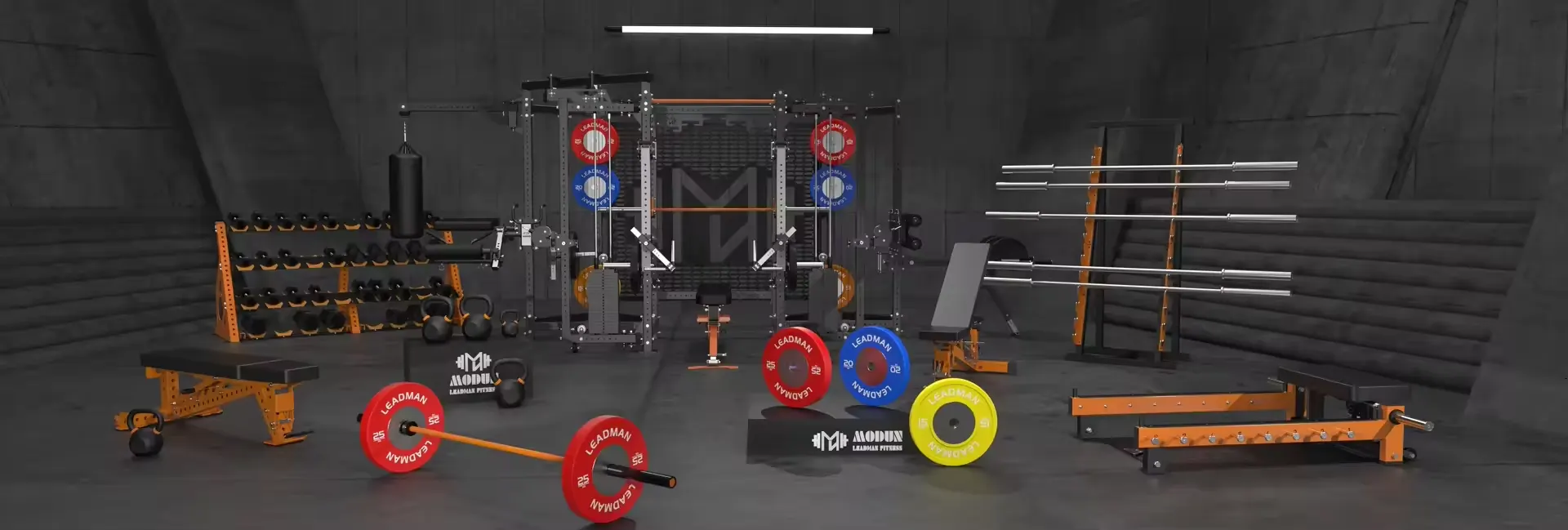
Gym weight equipment forms the structural backbone of any serious fitness facility, representing the largest capital investment and the primary driver of member retention for strength-focused demographics. Unlike cardio machines that often see sporadic usage, weight equipment—comprising dumbbells, barbells, plates, racks, and selectorized machines—experiences continuous, high-intensity utilization throughout operating hours. The strategic selection of gym weight equipment directly influences workout quality, safety outcomes, and the overall perception of a facility's commitment to professional-grade training. For operators, this category demands careful analysis of usage patterns, member demographics, and space constraints to build a roster that serves both casual gym-goers and competitive athletes with equal effectiveness.
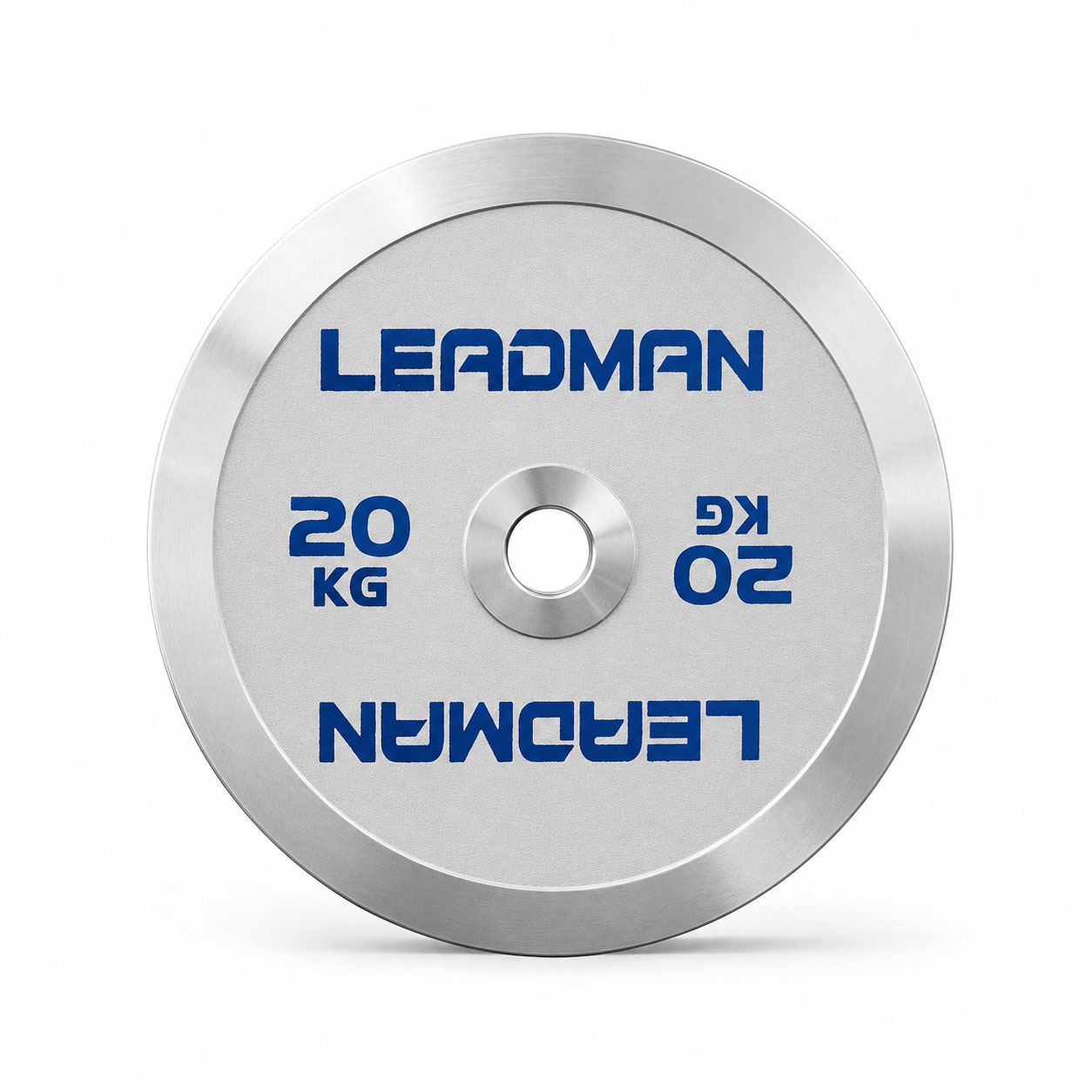
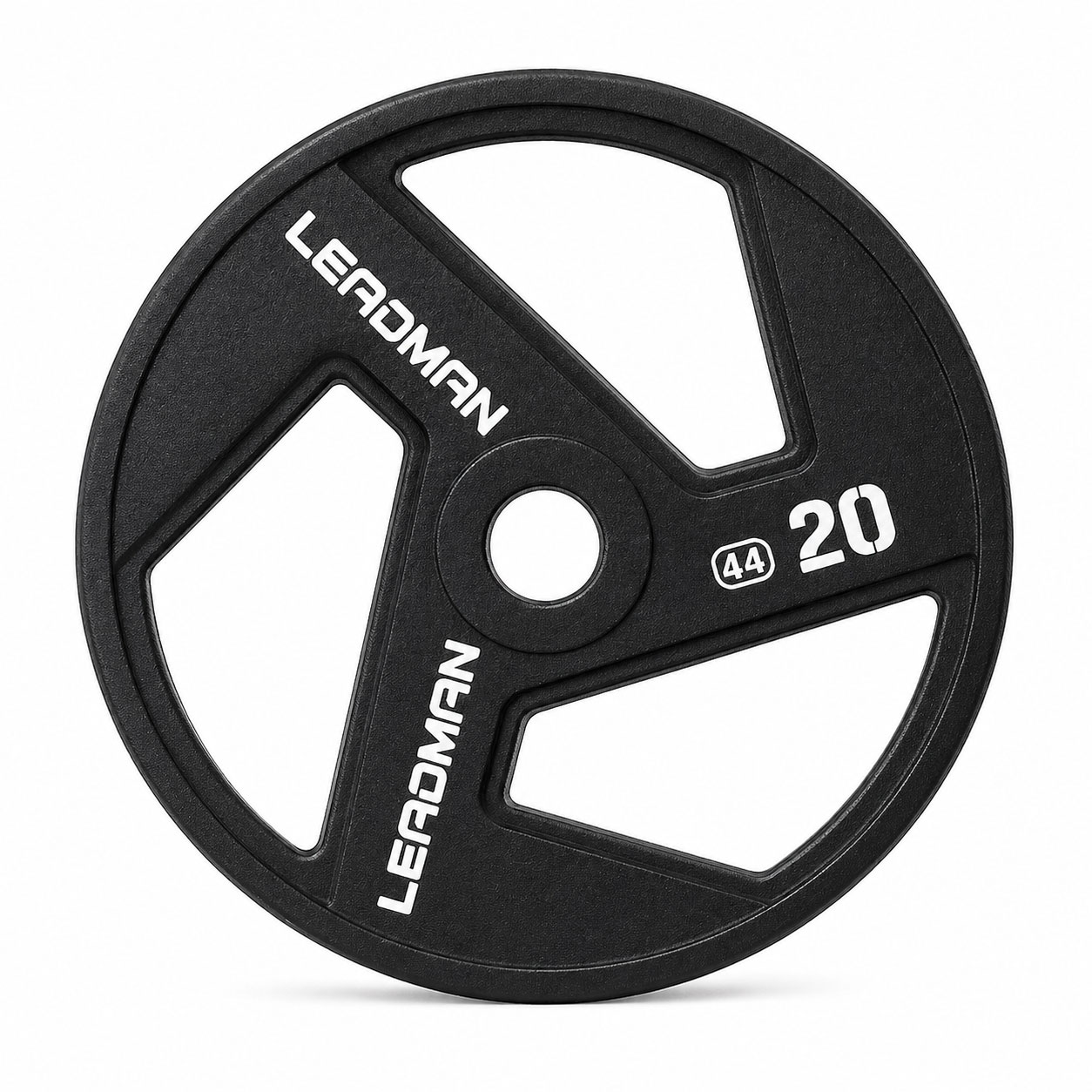
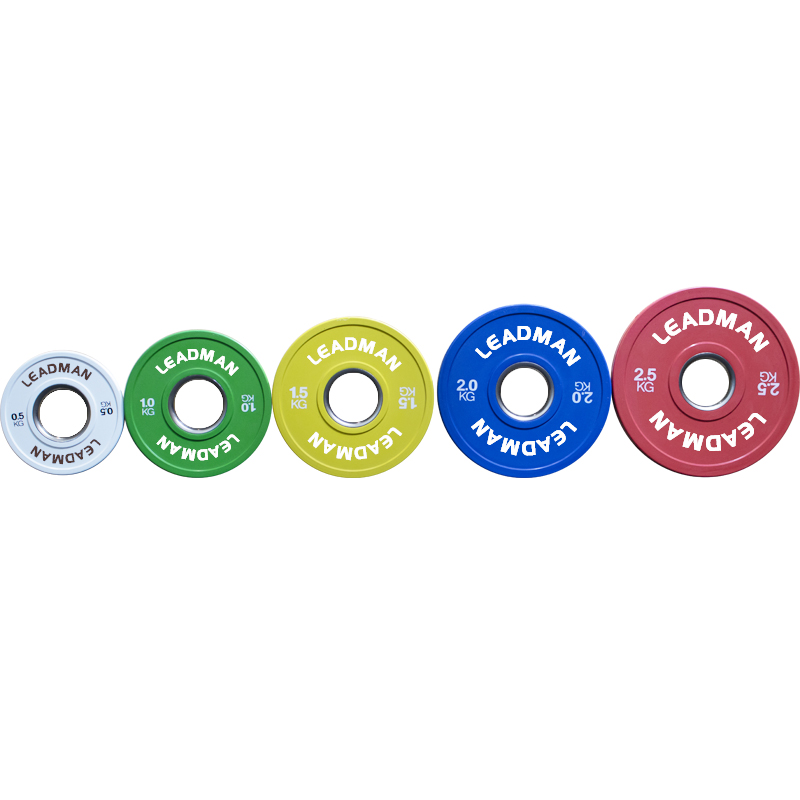
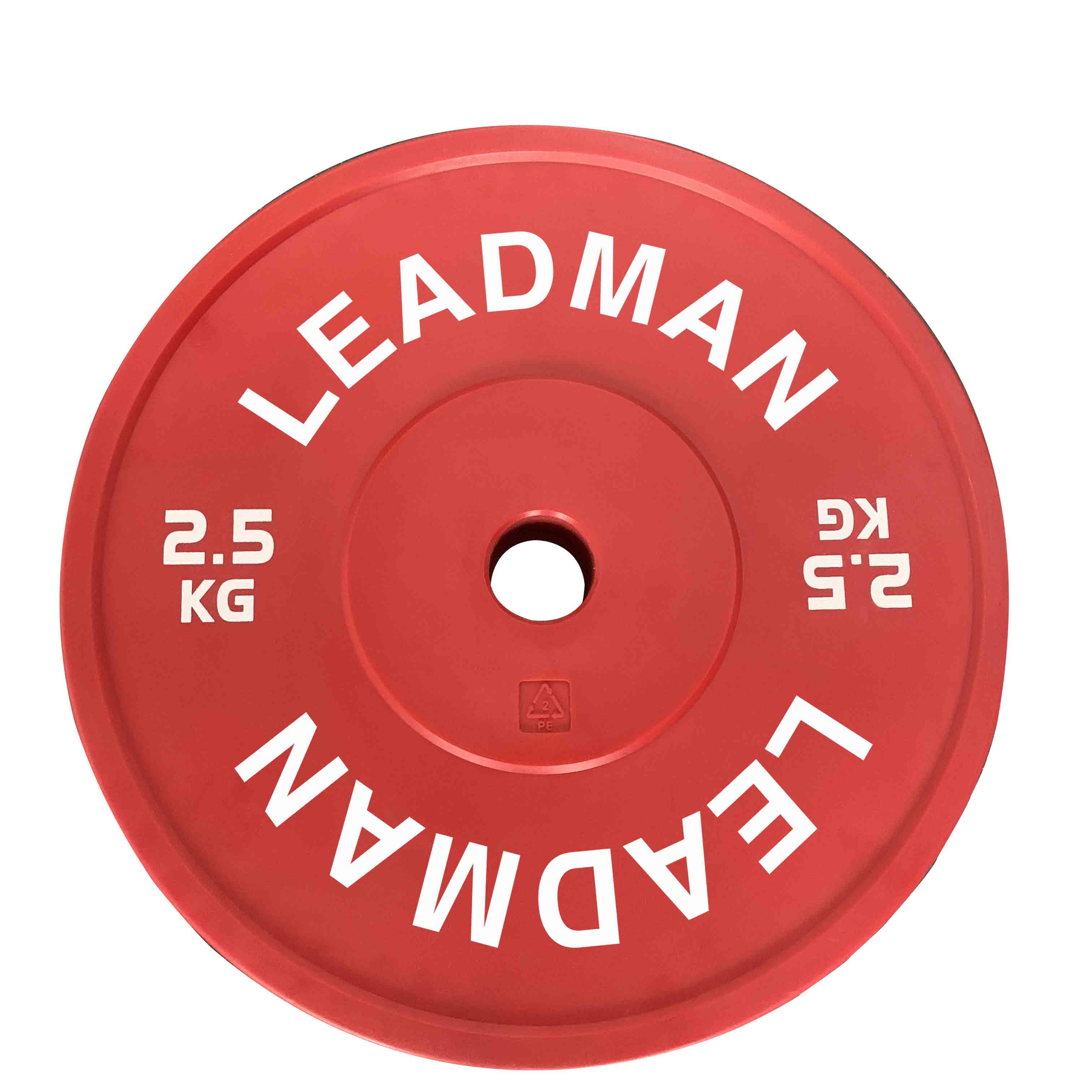
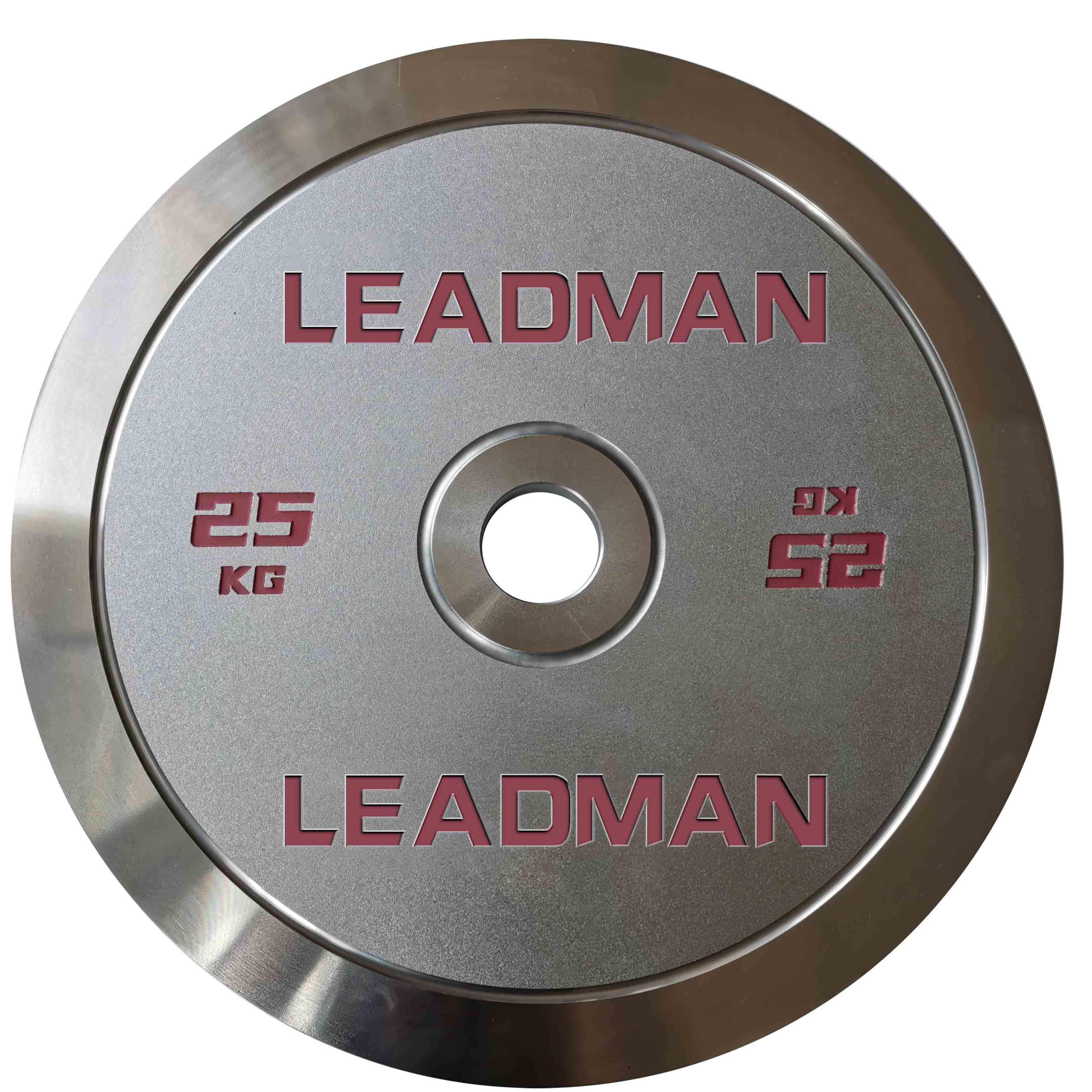
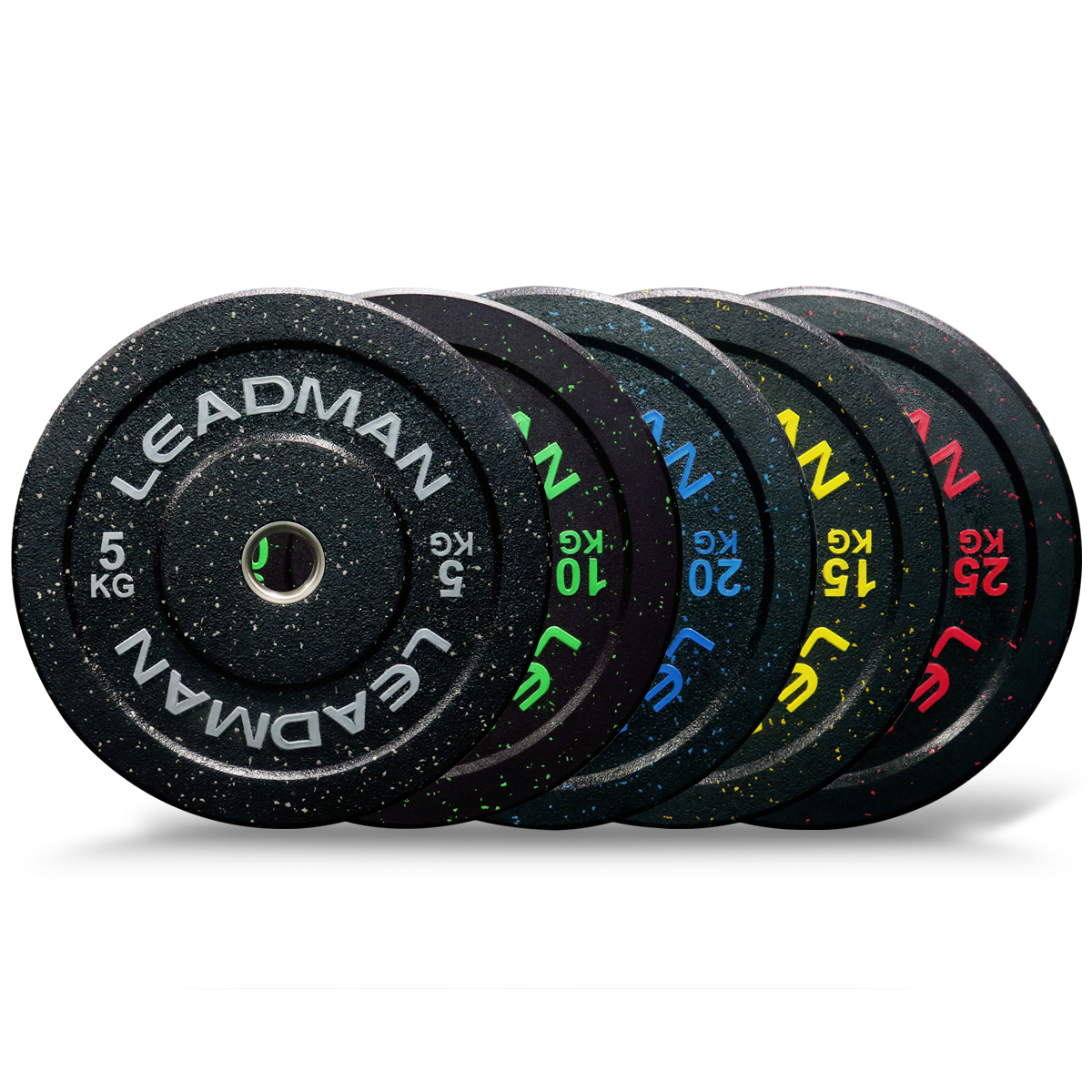
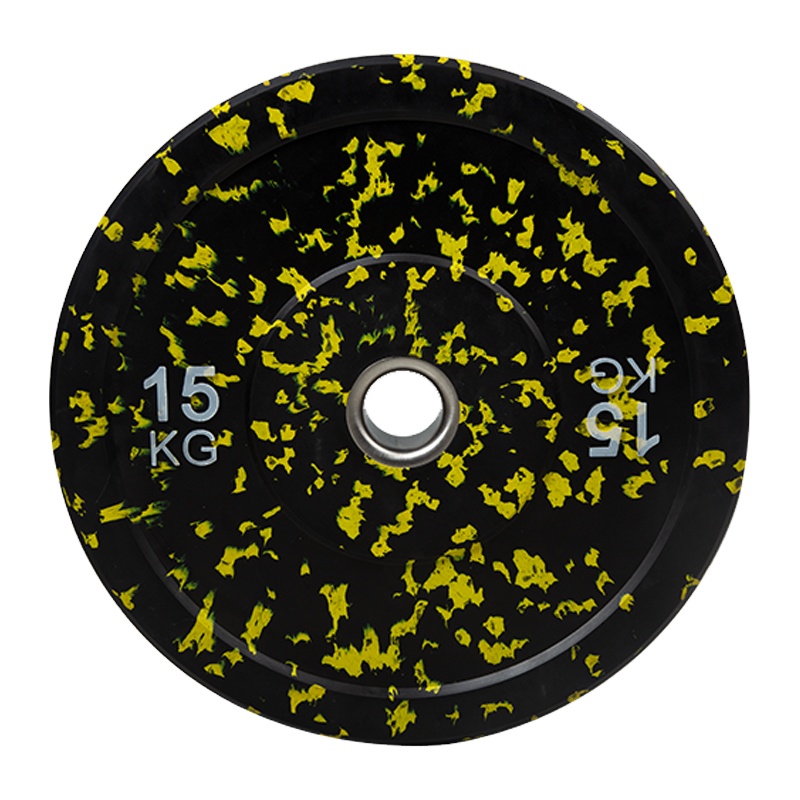
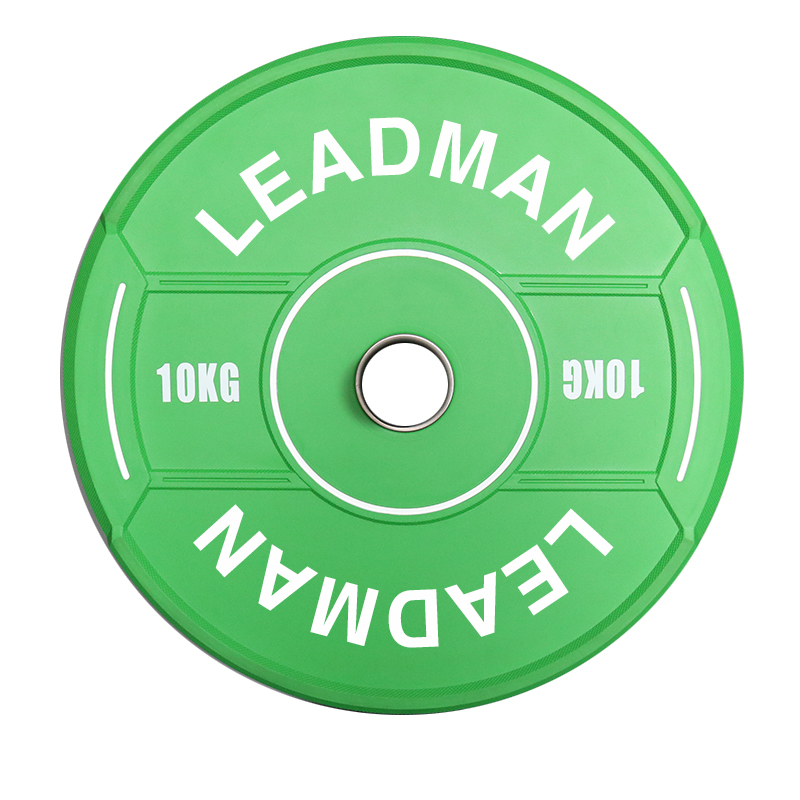
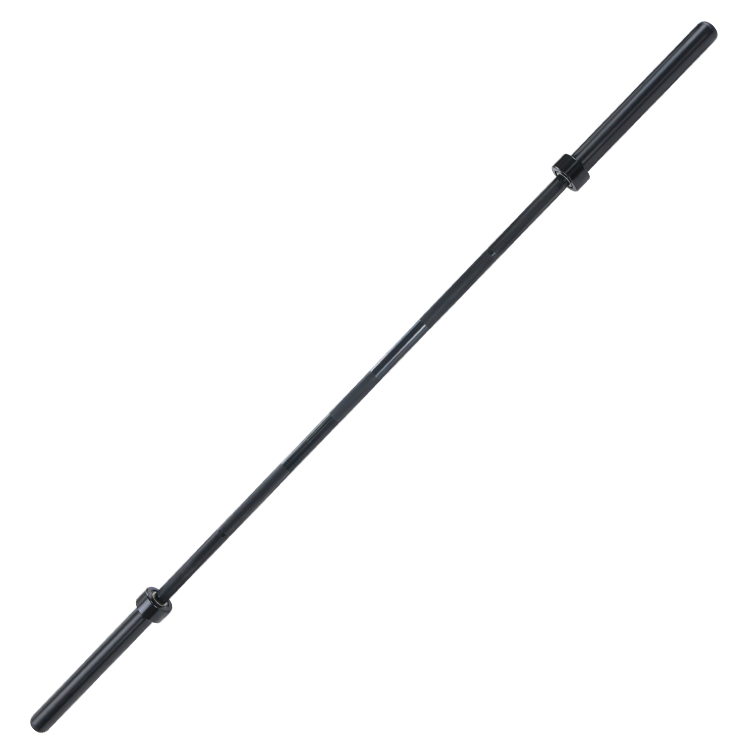
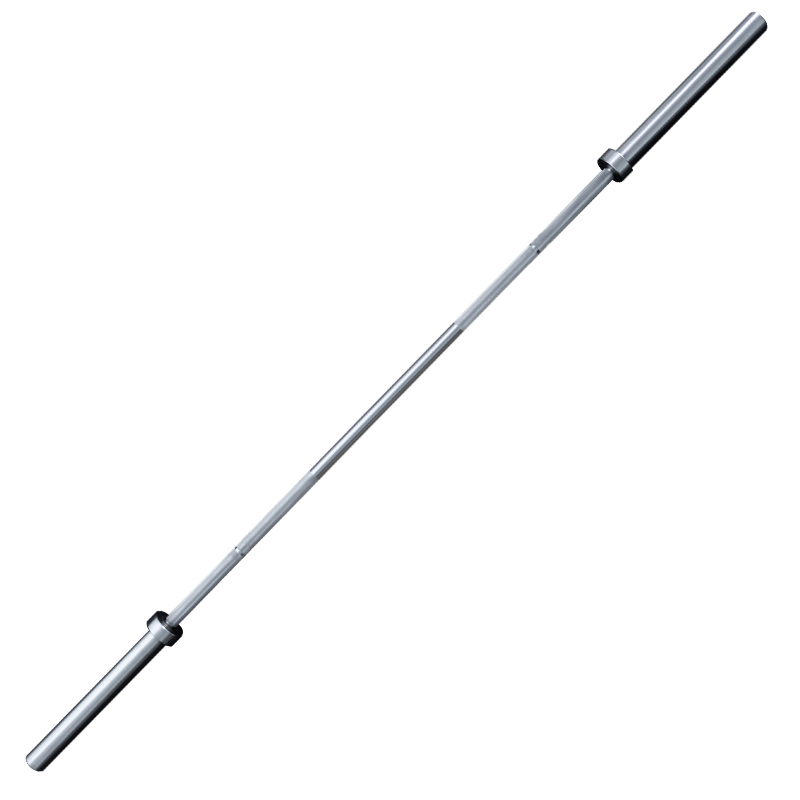
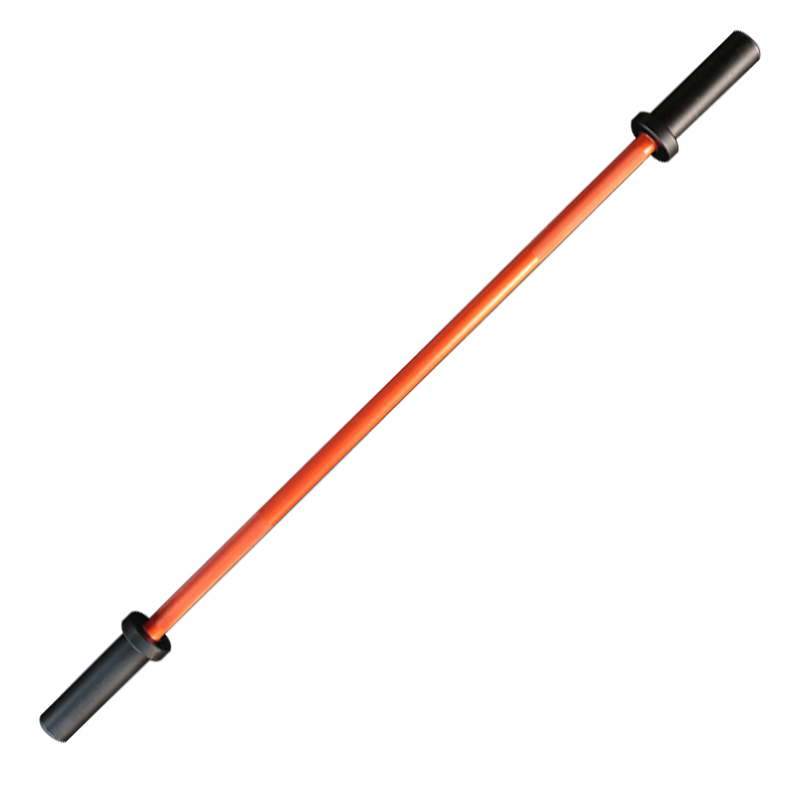
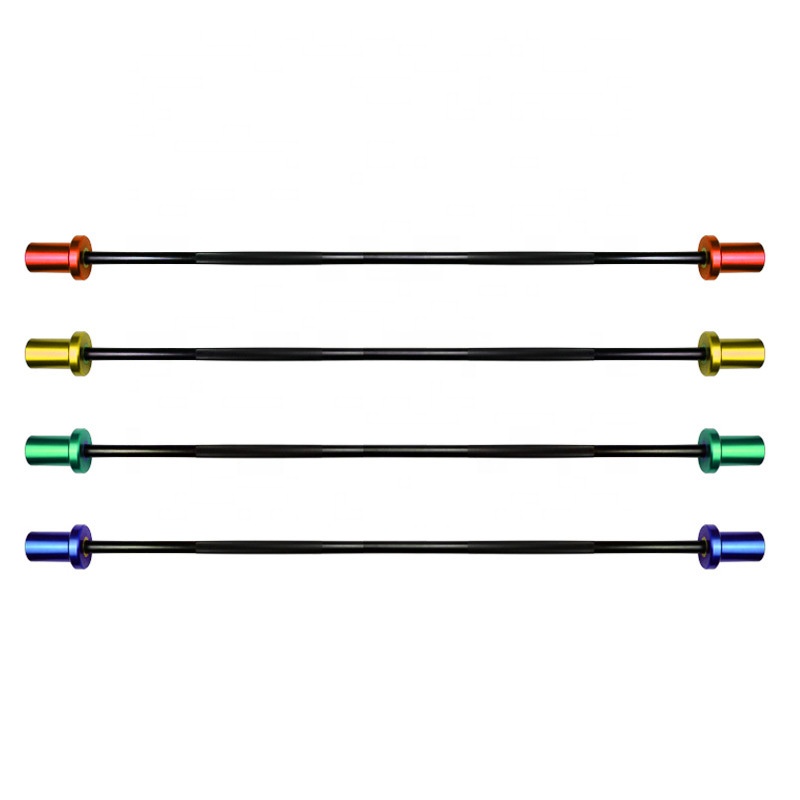
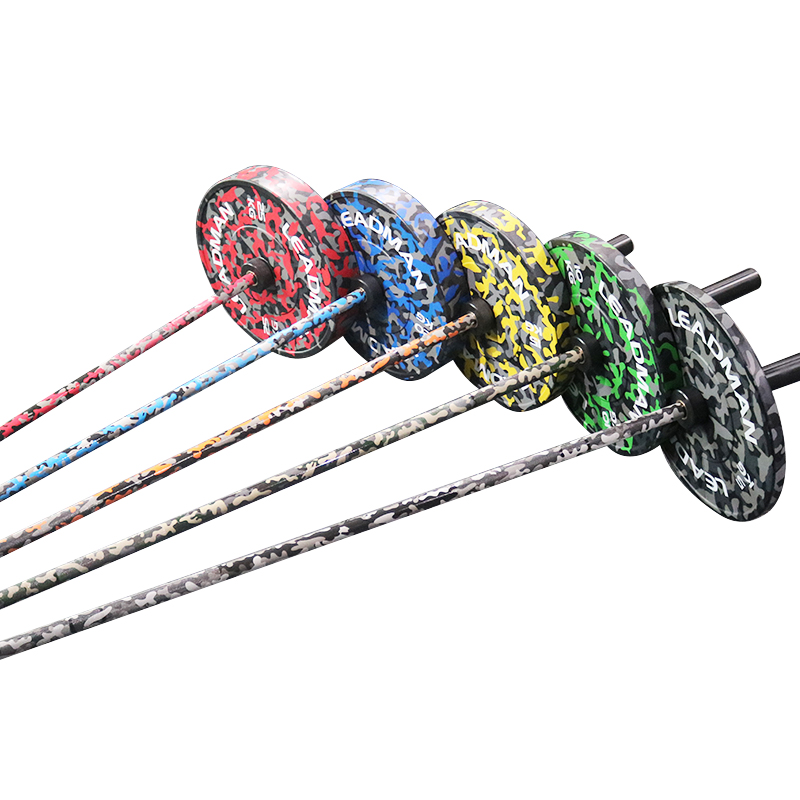
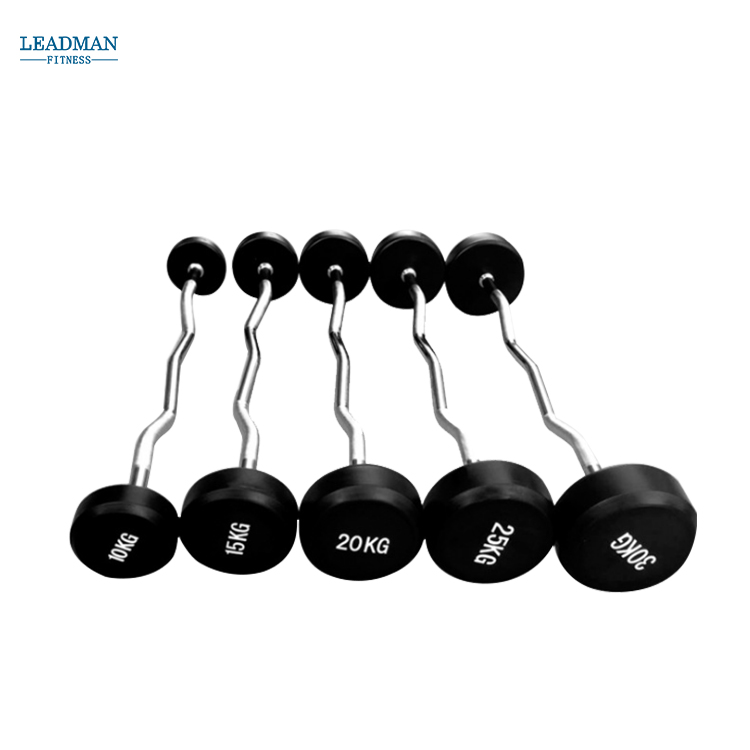
The fundamental architecture of strength training equipment begins with free weights: Olympic barbells (20 kg men's, 15 kg women's), fractional plates (0.5–2.5 kg for micro-progression), and bumper plates engineered from virgin rubber for drop-safe Olympic lifting. Complementing these are weight machines for gyms, which include selectorized stations—cable crossover systems, leg presses, lat pulldowns, and pec decks—that offer controlled movement patterns ideal for beginners and isolation work. The commercial weight equipment ecosystem also encompasses plate-loaded machines, where users add weight plates manually, offering greater load flexibility and typically lower maintenance costs than their selectorized counterparts. Each category serves distinct user needs: free weights develop stabilizer muscles and functional strength, selectorized machines provide safety and ease of use, and plate-loaded apparatus bridges both worlds with heavy-duty capacity and progressive overload potential.
Material specifications for gym weight machines dictate longevity and user experience. Frames constructed from 11-gauge or thicker steel tubing withstand the torsional stresses of heavy lifting, while powder-coated finishes resist corrosion and scratching in high-humidity environments. Weight stacks in selectorized machines should utilize precision-ground cast iron or steel plates with ±2% weight accuracy, ensuring consistent loading across multiple stations. Bearings and bushings represent critical wear points; sealed ball bearings outlast bronze bushings by significant margins, particularly in cable-driven systems where repetitive motion generates substantial friction. For fitness weight equipment destined for high-traffic commercial spaces, cable sheathing material—polyurethane offers superior abrasion resistance compared to standard nylon, extending service intervals from months to years.
Economic modeling for weight equipment procurement involves analyzing cost-per-use metrics against projected facility traffic. Industry benchmarks suggest allocating 40–50% of total equipment budget to weight training apparatus, with free weights typically offering the lowest cost-per-use ratio due to their mechanical simplicity and minimal maintenance requirements. Conversely, selectorized machines command higher upfront costs but deliver superior user accessibility, potentially increasing utilization among novice members. Smart procurement strategies often blend both categories: foundational free weight zones for serious lifters, complemented by a core selection of selectorized machines for broad demographic appeal. For facilities serving diverse populations, gym strength equipment packages with adjustable benches, squat racks, and multi-station cable systems provide maximum versatility per square foot. As the fitness industry continues its trajectory toward hybrid training models—combining traditional strength work with functional movement and digital tracking—the importance of versatile, durable weight equipment remains undiminished, serving as the immutable foundation upon which all other fitness offerings are built.
Let our experts design the perfect gym solution for your business. Get a free consultation and quote today.