

How to Choose the Best Commercial Gym Equipment Manufacturers
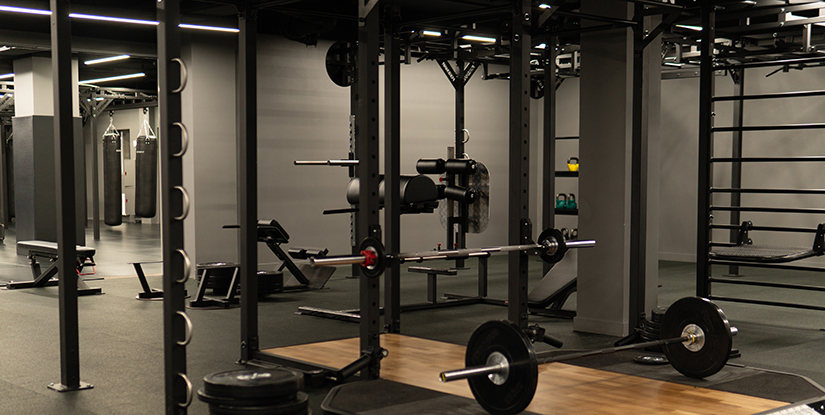
Navigating the Procurement Lifecycle of Commercial Fitness Assets
Selecting high-end fitness assets is not a singular transaction but a multi-stage lifecycle management process. From the initial conceptualization of a fitness facility to the eventual decommissioning of heavy machinery, every decision impacts long-term Return on Investment (ROI). Understanding how to choose the best commercial gym equipment manufacturers requires an appreciation of this timeline: planning, specification, procurement, deployment, and maintenance.
A common mistake among facility operators is treating procurement as a one-time purchase focused solely on the initial invoice. However, the true cost of ownership is dictated by the durability of the materials and the reliability of the supply chain. A manufacturer that excels at fabrication but fails at post-sale support will eventually drive up your operational costs through frequent downtime. As we move from the macro view of procurement cycles into the technical specifics of manufacturing, we must first establish the foundational metrics for evaluating a supplier's capability.
The Four Stages of Equipment Lifecycle
Specification Phase: Defining load capacities, footprint requirements, and aesthetic standards.Evaluating Structural Integrity and Raw Material Standards
Once the procurement lifecycle is understood, the focus must shift to the physical reality of the equipment: the materials. The primary pain point for gym owners is structural failure—broken welds, bent frames, or snapped cables—which often stems from substandard raw materials or rushed fabrication processes. High-quality commercial equipment must be constructed from high-density, structural-grade steel and reinforced components designed for constant, high-frequency cyclic loading.
When auditing a potential manufacturer, you must move beyond surface-level aesthetics to verify the technical specifications of their primary inputs. For instance, the gauge of steel used in a power rack significantly dictates its longevity. A manufacturer using thinner-walled tubing may offer a lower price point, but the risk of frame deformation under heavy loads is a critical failure mode that can lead to catastrophic injury and legal liability.
Material Specification Comparison Checklist
| Component Type | Premium Commercial Standard | Standard/Light Commercial Expectation | Critical Failure Mode |
|---|---|---|---|
| Frame Construction | 11-gauge or 12-gauge heavy-duty steel | 14-gauge standard steel | Frame bowing or structural collapse |
| Bearing Systems | Sealed precision ball bearings | Open or standard metal bearings | Excessive friction and noise |
| Upholstery | High-density, double-stitched medical-grade vinyl | Standard polyurethane foam/vinyl | Tearing and moisture seepage |
| Cable Lifespan | Multi-strand coated steel or high-tensile nylon | Single-strand coated steel | Cable fraying and snapping |
Verifying these material standards during the RFP (Request for-proposal) stage allows you to quantify the difference between a product that lasts five years and one that lasts fifteen. Establishing these technical thresholds is the prerequisite for the next phase: analyzing the actual manufacturing processes used to shape these materials.
The Technical Anatomy of High-Quality Fabrication
Knowing the materials is only the first step; understanding how those materials are transformed into a finished machine is essential to identifying the best commercial gym equipment manufacturers. The manufacturing process is a 0-to-1 journey that begins with precise cutting and ends with rigorous quality control. A failure in any single step—such as improper heat treatment or incorrect welding temperature—can result in a product that looks perfect but possesses hidden structural weaknesses.
Phase 1: Precision Shaping and Cutting
The process begins with high-precision CNC (Computer Numerical Control) cutting. Whether using laser or waterjet cutting, the goal is to ensure that every component meets extremely tight tolerances. Inconsistent cutting leads to gaps in joints, which necessitates excessive welding, ultimately weakening the structural integrity of the machine. You should verify if a manufacturer utilizes automated cutting systems to ensure consistency across large production runs.
Phase 2: Advanced Joining and Welding Techniques
The strength of a weight machine or a rack is largely determined by its welds. High-quality manufacturers utilize TIG (Tungsten Inert Gas) or MIG (Metal Inert Gas) welding performed by certified technicians. A common defect is the "cold weld," where the metal is joined superficially without deep penetration, creating a point of failure. A manufacturer's ability to demonstrate consistent, high-penetration weld beads is a hallmark of technical competence.
Phase 3: Surface Treatment and Finishing
After fabrication, the equipment undergoes surface treatment to prevent corrosion—a major issue in high-humidity commercial environments. This typically involves chemical de-greasing, sandblasting, and advanced powder coating. A thin or uneven powder coat can chip easily, exposing the steel to oxidation. During your audit, ask about the micron thickness of their powder coating and the method used for application (e.g., electrostatic spray).
With the manufacturing process understood, the focus shifts from the internal mechanics to the external reliability: how the equipment performs during its initial deployment and long-term operation.
Explore the complete technical specifications:
Gym Equipment Maker: Commercial Manufacturing Excellence Guide
Verifying Quality Control and Failure Mode Mitigation
A robust manufacturing process is irrelevant if the final product is not subjected to rigorous stress testing. The most significant risk in the procurement process is receiving a batch of equipment that has passed basic visual inspection but fails under real-world operational stress. Effective manufacturers implement multi-stage quality control (QC) protocols that target specific failure modes before the product leaves the factory.
When evaluating a manufacturer, do not simply ask if they have a QC department; ask for their specific testing protocols. A professional-grade manufacturer will use empirical data from stress tests to validate their equipment's durability. This proactive approach to failure-mode mitigation is what separates top-tier suppliers from generic distributors.
Essential QC Checkpoints for Buyers
Load Testing: Does the manufacturer subject their strength equipment to 1.5x or 2x the rated load capacity?By demanding transparency regarding these QC metrics, you move from a position of hope to a position of technical certainty. Once you have verified that the manufacturer produces high-quality units, you must then determine how those units will be integrated into your facility through optimized layout and maintenance.
Optimizing Facility Layout and Operational ROI
Even the highest-quality equipment will fail to provide a return on investment if it is poorly integrated into the facility's layout. The relationship between equipment design and spatial efficiency is a critical factor in the long-term profitability of a commercial gym. Improper spacing leads to two distinct problems: reduced member throughput (congestion) and increased collision risks.
As part of your selection process, consider how a manufacturer’s product dimensions and ergonomic designs align with your available square footage. A manufacturer that offers diverse footprints—ranging from compact functional trainers to expansive full-body platforms—provides the flexibility needed to maximize your revenue per square foot. This stage of the decision-making process is where the technical specifications of the equipment meet the practical realities of facility management.
Spatial Efficiency Strategy Matrix
| Equipment Type | High-Density Design Benefit | Low-Density Design Risk | Optimization Strategy |
|---|---|---|---|
| Selectorized Strength | Small footprint allows for more stations in limited space. | Large, bulky frames create dead zones. | Select equipment with integrated weight stacks. |
| Cardio Row | Integrated consoles and streamlined designs. | Oversized footprints limit user count. | Prioritize side-by-side configurations. |
| Functional Training | Multi-purpose stations (e.g., cable systems). | Specialized machines that occupy space without versatility. | Invest in modular, reconfigurable systems. |
Effective layout planning is the bridge between procurement and long-term profitability. Once the equipment is installed and optimized, the final, and perhaps most crucial, phase of the lifecycle begins: the maintenance and longevity phase.
Implementing Preventative Maintenance for Longevity
The transition from a new installation to a seasoned commercial asset requires a disciplined approach to maintenance. A major pain point for operators is the sudden, unscheduled downtime of a popular machine, which frustrates members and reduces the equipment's effective lifespan. To avoid this, you must select a manufacturer whose products are designed for ease of service and whose parts are readily available.
Effective maintenance is not about fixing things when they break; it is about preventing the breakage. This requires a structured protocol that addresses the mechanical, electrical, and structural components of your inventory. By understanding the maintenance needs of your equipment before you buy it, you can budget accurately for the long term.
Critical Maintenance Categories and Protocols
1. Mechanical Systems (Pulleys, Cables, Bearings): These components are subject to constant friction. Regular lubrication of bearings and inspection of cable sheaths is necessary to prevent fraying and seizing. A manufacturer using high-quality, sealed bearings will require significantly less frequent intervention. Failure Mode: If bearings are not maintained, the resulting friction can lead to motor burnout in motorized equipment.
2. Structural Integrity (Bolts, Welds, Frames): High-vibration environments, such as free-weight areas, can cause bolts to loosen over time. A monthly torque check on all primary fasteners is a standard requirement for commercial-grade strength equipment. Inspecting welds for any signs of hairline cracking is essential for safety. Common Mistake: Ignoring minor vibration-induced loosening until a structural component fails during peak hours.
3. Electronics and Consoles: For cardio and smart-strength equipment, environmental factors like dust and humidity can degrade sensitive circuitry. Implement a quarterly deep-clean of sensor ports and check power cord integrity to prevent intermittent connectivity issues.
Final Checklist for Manufacturer Selection
Choosing the right partner is a high-stakes decision. To ensure you are working with a top-tier manufacturer, consolidate your findings into a final vetting document. Do not rely on sales pitches; rely on the technical data points gathered during your research. Use the following checklist to finalize your decision:
Technical Documentation: Does the manufacturer provide detailed CAD drawings or spec sheets for every major component?By following this rigorous framework, you transition from a reactive purchaser to a strategic facility manager, ensuring your investment produces long-term value and safety for your members.