

Durability Engineering: How Heavy Duty Commercial Gym Equipment Handles High Traffic
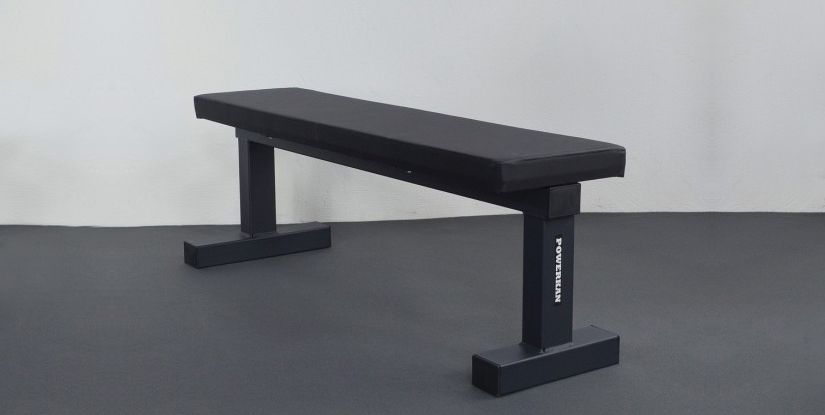
The Myth of Indestructibility in Fitness Design
In the fitness industry, there is a common misconception that heavy-duty equipment is virtually indestructible. While commercial-grade machines are engineered for extreme longevity, they are not exempt from the laws of physics and mechanical wear. High-traffic environments, such as large-scale fitness clubs or university training centers, subject machinery to a relentless cycle of stress, impact, and repetitive motion. Understanding how these machines manage such demand requires looking beyond the surface-level aesthetics to the underlying structural engineering.
When evaluating durability, facility managers often make the mistake of prioritizing visual bulk over actual structural integrity. A thick-looking frame does not guarantee longevity if the internal steel gauge is insufficient. To avoid premature failure, one must look for specific construction parameters rather than just outward appearance. This foundational understanding of material density leads us directly into the primary component of structural resilience: material integrity.
Material Integrity and Steel Gauge Standards
The backbone of any high-traffic machine is its frame. Commercial-grade equipment typically utilizes high-gauge carbon steel, which provides the necessary rigidity to prevent bending under heavy loads. When selecting equipment, a key decision criterion is the wall thickness of the tubing. For instance, while residential equipment may use thin-walled tubing, commercial-grade units often utilize a thicker gauge to ensure that the frame does not flex or oscillate during high-intensity movements.
Common Failure Modes in Frame Construction:
- Metal Fatigue: Occurs when the frame is subjected to repeated, heavy loading that exceeds its elastic limit, leading to micro-cracks.
- Weld Failure: Poor quality welds at structural junctions can fail under lateral stress, often caused by non-standardized assembly processes.
A critical checklist for inspecting frame quality includes checking for uniform weld beads, verifying the absence of structural wobbles during heavy use, and ensuring all junctions are reinforced. This structural strength is only effective if the moving parts within that frame are also built to withstand constant friction.
Friction Management in Moving Parts
High-traffic environments place an enormous strain on the moving components of a machine, such as pulleys, cables, and bearings. Friction is the natural enemy of mechanical longevity. In a commercial setting, the difference between a machine that lasts five years and one that lasts fifteen often lies in how the manufacturer manages these frictional forces. High-quality equipment utilizes precision-engineered bearings and high-tensile cables designed to minimize resistance and heat buildup.
Decision Criteria for Moving Components:
- Bearing Type: Look for sealed, high-precision bearings that prevent dust and sweat from entering the mechanism.
- Cable Composition: High-traffic machines should utilize aircraft-grade steel cables with reinforced coatings to prevent fraying.
- Pulley Material: Nylon or aluminum pulleys are often preferred over cheap plastics to handle higher rotational speeds and weight loads.
Failure to monitor these components often results in the 'jerky' sensation experienced by users when a cable or pulley begins to degrade. While friction management keeps movement smooth, the stability of the entire unit depends on the physical connection between the machine and the floor.
Explore the complete technical specifications:
Heavy Duty Commercial Gym Equipment: Engineering, Specs & Selection
Stability and Footprint Engineering
Even the strongest steel frame will fail if it is not properly stabilized. In a high-traffic gym, users are not just applying weight; they are often applying lateral forces through uneven movements or sudden impacts. If a machine lacks a sufficient footprint or improper leveling, the resulting vibration can cause catastrophic failure of both the machine and the surrounding flooring.
Stability Checklist for Facility Managers:
| Feature | Requirement for High Traffic | Failure Sign |
|---|---|---|
| Leveling Feet | Heavy-duty, adjustable steel feet | Machine rocking or tilted appearance |
| Base Width | Wide, weighted footprint | Lateral tipping during heavy lifts |
| Floor Anchoring | Compatible with commercial flooring | Excessive vibration or sliding |
Ensuring stability is a continuous process that involves more than just initial setup; it requires regular mechanical checks. Once the physical stability is addressed, the next challenge is the maintenance of the machine's interface, specifically the electronic components.
Explore the complete technical specifications:
Electronics and Digital Interface Durability
Modern commercial gym equipment is increasingly reliant on digital consoles and integrated software. However, electronic components are often the most vulnerable part of a machine in a high-traffic setting. The combination of sweat, humidity, and constant physical contact can quickly degrade sensitive circuitry if it is not properly protected.
A common mistake among facility operators is using standard cleaning protocols on high-tech consoles. Using harsh chemical disinfectants can strip the protective coatings from touchscreens and buttons, leading to unresponsive interfaces or complete electronic failure. Instead, commercial-grade equipment should be treated with non-abrasive, manufacturer-approved solutions. Furthermore, the internal electronics should be housed in IP-rated (Ingress Protection) enclosures to defend against moisture and dust infiltration.
While electronics manage the user experience, the physical contact points—the upholstery and grips—suffer a different type of degradation that requires constant vigilance.
Upholstery Resilience and Hygiene Standards
In a high-traffic facility, the upholstery is one of the most frequently touched and abused parts of the machine. Users apply pressure, friction, and body heat, and the surfaces are constantly exposed to sweat and skin oils. Standard foam and vinyl will degrade rapidly in these environments, leading to tears and hygiene issues.
Material Selection Parameters:
- Density: High-density, dual-layer foam is necessary to prevent the user from 'bottoming out' against the frame.
- Covering: Medical-grade vinyl or high-durability synthetic materials that are resistant to tearing and chemical penetration.
- Seam Integrity: Look for reinforced, double-stitched seams that prevent moisture from entering the internal foam.
If the upholstery begins to crack or peel, it is not just an aesthetic issue; it is a hygiene risk. Maintaining these surfaces is a vital part of a larger maintenance ecosystem that keeps the entire machine functional.
Preventative Maintenance and Operational Routines
To ensure that heavy-duty equipment survives the rigors of high traffic, a rigorous preventative maintenance program is non-negotiable. Relying on 'reactive maintenance'—fixing things only when they break—is a costly error that leads to excessive downtime and user frustration. A proactive approach involves scheduled technical inspections that target specific mechanical failure points.
The Monthly Maintenance Protocol:
- Fastener Check: Use a torque wrench to verify that all structural bolts remain at the specified tension.
- Lubrication: Apply specialized lubricants to guide rods and pulleys to reduce friction.
- Cable Inspection: Visually inspect cables for any signs of fraying or outer-coat damage.
- Leveling Verification: Re-check the leveling feet to ensure no shifting has occurred due to floor vibration.
By implementing these routines, facility managers can extend the lifespan of their assets significantly. This regular oversight ensures that the structural and mechanical integrity discussed earlier remains intact for years.
Conclusion: The Long-Term Value of Quality Engineering
Understanding how heavy-duty commercial gym equipment handles high traffic is about appreciating the synergy between different engineering disciplines. From the gauge of the steel used in the frame to the precision of the electronic interfaces, every component plays a role in the machine's total durability. While no machine is indestructible, a combination of high-quality material selection and a strict maintenance regimen will ensure that a fitness facility remains operational and safe for its members over the long term.