

Optimizing Gym Procurement: What Functional Fitness Products Every Gym Needs
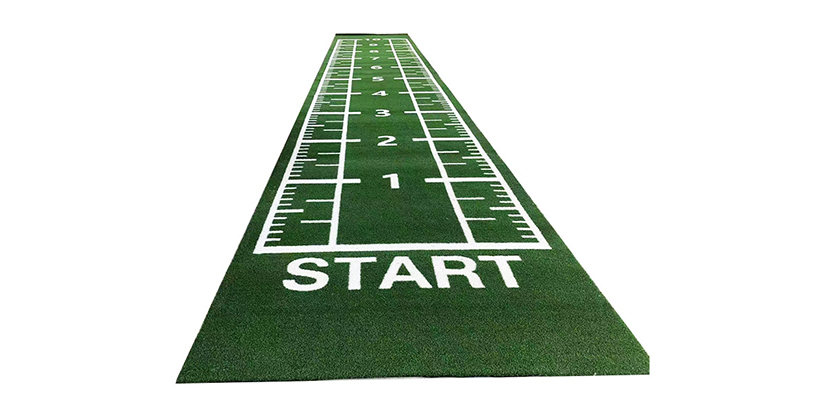
Addressing the Capacity and Versatility Gap
Modern fitness facilities are shifting away from traditional isolation machines toward integrated ecosystems that promote multi-planar movement. When evaluating what functional fitness products every gym needs, the primary goal is to bridge the gap between static strength and dynamic athleticism. A versatile gym layout requires equipment that can accommodate diverse training styles, from HIIT to heavy strength training, without requiring a massive footprint.
Implementation Checklist:- Assess available floor space vs. movement range requirements.
- Determine the ratio of strength-based to cardio-based training users.
- Identify if the facility will host group classes or solo training.
Failure to address this gap often results in a 'dead zone' within the gym—areas filled with single-use machines that occupy space but lack the versatility required by modern athletes. Once the capacity and versatility requirements are defined, procurement should focus on the foundational hardware that supports these movements.
High-Durability Strength Fundamentals
At the core of any functional space lies the strength foundation. This includes adjustable weight systems, kettlebells, and heavy-duty resistance tools. Unlike standard lifting, functional strength training often involves unconventional loading patterns, which puts unique stress on the equipment. For instance, a high-quality kettlebell must have a perfectly balanced center of gravity to prevent wrist strain during unilateral movements.
Decision Criteria: Material & Construction| Equipment Type | Ideal Material | Key Parameter |
|---|---|---|
| Kettlebells/Dumbbells | Cast Iron or High-Density Polymer | Seamless surface finish |
| Resistance Bands | Latex or Fabric-Wrapped Elastic | Tear resistance/Tensile strength |
| Medicine Balls | Reinforced Synthetic Leather | Impact absorption capacity |
A common mistake is purchasing lightweight or low-grade resistance bands that snap under high tension, creating a safety hazard. Investing in industrial-grade steel and reinforced polymers ensures that your strength fundamentals remain intact even under high-frequency usage. This structural integrity serves as the backbone for more explosive movements, such as plyometrics.
Plyometric Stability and Impact Absorption
Plyometric training is essential for developing explosive power, but it presents a significant challenge for facility maintenance: impact. Every jump and lateral movement exerts force on both the athlete and the equipment. To manage this, a gym must invest in high-grade plyometric boxes and specialized flooring.
Implementation Detail: Box SelectionWhen selecting plyometric boxes, consider the material density. Wooden boxes offer the best stability for heavy landings but require inspected mitered joints to prevent structural failure. Foam boxes, conversely, provide superior impact absorption and are safer for high-velocity drills, provided the high-density foam recovers its shape immediately after use.
If your facility lacks proper impact-absorbing surfaces or high-quality boxes, you risk frequent equipment damage and potential athlete injury. This brings us to the necessity of high-intensity metabolic conditioning tools to round out the functional ecosystem.
Explore the complete technical specifications:
Gym Equipment Guide | Commercial Strength & Cardio Machine Selection
Metabolic Conditioning for High-Intensity Training
Metabolic conditioning (MetCon) requires equipment that can withstand high-cadence, high-intensity bursts. Traditional treadmills often fail in a high-traffic functional setting due to electronic and mechanical fatigue. Instead, professionals often opt for air-resistance or mechanical-driven equipment.
Comparison: Air-Resistance vs. Motorized SystemsAir-resistance systems rely on mechanical physics rather than electrical motors. This makes them significantly more durable for high-intensity interval training (HIIT). While motorized treadmills may offer precision speed control, air-resistance equipment provides an unlimited ceiling for intensity, making it more suitable for competitive-grade functional training environments.
A common failure mode in MetCon areas is the degradation of mechanical parts due to lack of lubrication or improper load management. Ensuring your equipment can handle these intense intervals is crucial for maintaining a high-performance atmosphere. This level of intensity naturally leads to a need for proper recovery and mobility tools.
Mobility and Recovery Tools
A truly functional gym does not just focus on output; it also focuses on the maintenance of the human machine. Mobility tools like foam rollers, resistance bands for stretching, and specialized massage equipment are indispensable for long-term athlete longevity. Without these, the high-intensity training performed in the gym may lead to an increase in overuse injuries among your members.
Maintenance Checklist: Mobility Tools- Inspect foam rollers for permanent indentation or 'dead spots'.
- Check vinyl-wrapped tools for cracks or surface tears.
- Verify that resistance bands have not lost their elastic tension.
Neglecting the mobility station is a mistake that can impact member retention, as athletes realize the value of a facility that supports both performance and recovery. However, even the best recovery tools are useless if the heavy-duty equipment used to train them is poorly maintained.
Operational Maintenance Protocols
The longevity of your functional fitness products is directly tied to your maintenance schedule. High-use items like rigs, racks, and heavy weights undergo constant vibration and tension, which can cause gradual structural degradation if left unchecked.
Implementation Detail: The Weekly Safety AuditFor commercial-grade functional training racks, a weekly check with a torque wrench is the industry standard. This prevents the gradual loosening of bolts caused by vibration and heavy loading. A failure to perform these routine checks can lead to structural instability, posing a catastrophic risk to users.
Regularly auditing your hardware is not just about safety; it is about protecting your investment. As you manage these physical assets, you must also consider the long-term economic implications of your procurement choices.
Economics of Longevity and ROI
When determining what functional fitness products every gym needs, the initial price tag is often a deceptive metric. A lower upfront cost for 'budget' equipment frequently leads to a much higher 'cost-per-use' over the lifespan of the product due to frequent replacements and maintenance costs.
The Cost-Per-Use ComparisonHigh-grade steel equipment with modular components may require a larger initial capital expenditure (CAPEX). However, when compared to entry-level equipment that requires replacement every 18-24 months, the high-grade option offers a significantly better long-term Return on Investment (ROI). The ability to replace individual parts rather than the entire unit is a key factor in long-term operational efficiency.
Strategic procurement focuses on durability, modularity, and ease of repair, ensuring that your facility remains a high-performance environment for years to come.
Summary: Building a High-Performance Ecosystem
Building a world-class functional training area requires more than just buying random pieces of equipment. It requires a systematic approach that begins with understanding your capacity needs, moving through the procurement of heavy-duty strength and conditioning tools, and concluding with a rigorous maintenance and recovery protocol. By prioritizing durability and versatility, you ensure that your facility remains both a safe and high-performing environment for every athlete.