

How Functional Fitness Gear Supports Member Goals through Performance and Reliability
In the competitive landscape of modern fitness facilities, the distinction between a standard gym and a high-performance training center lies in the quality of its implementation. For facility operators, the challenge is no longer just acquiring equipment, but ensuring that the selected tools actively facilitate the complex, multi-planar movements required in functional training. When gear fails to meet the demands of high-intensity interval training (HIIT) or strength and conditioning, it doesn't just pose a mechanical risk; it actively undermines the progress of the members it is meant to serve. Understanding how functional fitness gear supports member goals requires a deep dive into material durability, ergonomic precision, and maintenance-driven reliability.
Evaluating Material Durability for High-Volume Training Cycles
The fundamental problem facing operators is the rapid depreciation of assets due to high-impact usage. Functional training often involves dropping weights, rapid transitions, and high-friction movements. If the material composition of the gear is insufficient, the resulting wear and tear leads to high replacement costs and member dissatisfaction. A common failure mode is the degradation of high-density foam or the fraying of heavy-duty nylon in sleds or battle ropes, often caused by selecting equipment designed for light residential use rather than commercial-grade density.
To mitigate this, operators must look beyond the aesthetic and scrutinize the technical specifications of the materials. For instance, when selecting kettlebells or dumbbells, the focus should be on the thickness of the coating and the integrity of the casting. Below is a set of criteria for evaluating material suitability across different gear categories.
| Gear Category | High-Performance Material Standard | Common Failure Mode | Verification Method |
|---|---|---|---|
| Resistance Gear | Latex-free, reinforced fabric wraps | Snap breakage due to UV or salt exposure | Visual check for micro-cracks in rubber |
| Weight Lifting | High-tensile steel with polymer coating | Bearing seizure or sleeve friction | Manual spin test for smooth rotation |
| Cardio/Endurance | Hardened steel and heavy-duty bearings | Belt slippage or uneven resistance | Resistance consistency test during load |
Selecting high-grade materials ensures that the gear maintains its functional profile even under extreme load. Once the material integrity is established, the focus must shift to how these tools are positioned to drive specific physiological adaptations.
Aligning Equipment Geometry with Movement Mechanics
Even high-quality materials cannot compensate for poor geometry. A recurring issue in facility management is the mismatch between the tool's design and the human body's natural planes of motion. If a piece of gear restricts a natural range of motion—such as a poorly designed rowing machine or a fixed-path weight machine used for functional movements—it can actually impede the goal of improving mobility and proprioception. This mechanical restriction can lead to compensatory patterns and increased injury risk.
To ensure that gear supports rather than restricts, operators must prioritize tools that offer multi-planar freedom. This involves assessing the degrees of freedom inherent in the equipment's design.
Freedom of Movement vs. Fixed Path Resistance
In functional training, the goal is often to improve stability in unpredictable environments. Therefore, the distinction between free-weight systems and fixed-path machines is critical. While fixed machines offer safety for beginners, they lack the cognitive and neuromuscular engagement required for advanced functional goals. Operators should verify that a significant percentage of their floor space is dedicated to gear that requires active stabilization.
- Free Weight Systems: High degree of instability, promotes core engagement and joint stability.
- Cable/Pulley Systems: Variable resistance, allows for multi-angle pull/push patterns.
- Fixed Path Machines: Controlled environment, best for hypertrophy or rehabilitation focus.
By understanding these mechanical distinctions, operators can curate a diverse inventory that meets a wide range of member skill levels. This structural variety must be supported by a rigorous inspection cadence to ensure that the movement paths remain unobstructed and safe.
Explore the complete technical specifications:
Standardizing Inspection Protocols for Multi-User Gear
The shift from material selection to mechanical application necessitates a strict maintenance framework. The primary problem in high-traffic facilities is 'invisible wear'—the gradual loosening of bolts, the slight fraying of cables, or the subtle loss of friction that goes unnoticed until a failure occurs. For the member, a mechanical failure is not just an inconvenience; it is a breach of trust in the facility's professional standards.
Effective facility management requires moving from reactive repairs to proactive inspection cycles. A documented inspection protocol ensures that all equipment is capable of supporting the explosive and heavy-load movements characteristic of functional fitness.
The Daily and Weekly Maintenance Checklist
Rather than waiting for a breakdown, operators should implement a tiered verification system. This ensures that the mechanical integrity of the gear remains constant throughout the training cycle.
| Frequency | Task Category | Specific Action Item | Success Indicator |
|---|---|---|---|
| Daily | Visual & Safety | Check for loose bolts on racks and sleds | No vibration or movement during use |
| Daily | Surface Inspection | Verify cleanliness of grip areas and handles | No moisture or residue on handles |
| Weekly | Structural Integrity | Inspect weight plates and barbell sleeves | No visible cracks or excessive play |
| Weekly | Cable & Tension | Check pulley cables for fraying or kinks | Smooth, consistent travel through range |
Maintaining these standards is the only way to guarantee that the gear continues to perform at the level members expect. However, even with perfect maintenance, the industry is constantly evolving, requiring operators to keep an eye on how gear design is shifting toward new training modalities.
Explore the complete technical specifications:
Commercial Grade Gym Equipment: Durable Solutions for Facilities
Analyzing the ROI of High-Spec Functional Equipment
A common mistake among facility owners is viewing premium gear as a luxury expense rather than a strategic investment. The procurement of lower-cost, non-commercial grade equipment often results in a higher Total Cost of Ownership (TCO) due to frequent replacements and the downtime associated with repairs. To truly understand how functional fitness gear supports member goals, one must look at the return on investment (ROI) through the lens of member retention and facility uptime.
High-spec equipment provides a reliable training environment that allows members to push their limits without fear of equipment failure. This reliability is a key driver of member loyalty in the high-intensity training market.
Comparing TCO: Budget vs. Premium Gear
When making procurement decisions, operators should weigh the initial purchase price against the projected lifecycle and maintenance requirements. A detailed comparison reveals that premium-grade gear often provides a more stable long-term financial outlook.
- Budget-Grade: Low initial cost; high depreciation; requires monthly parts replacement; higher risk of sudden failure.
- Premium-Grade: High initial cost; long lifecycle; low-frequency maintenance; minimal downtime; higher resale value.
By prioritizing quality over initial savings, operators create a more resilient business model. This resilience is not just financial, but also operational, as it provides the foundation for a sophisticated training ecosystem that can adapt to new trends.
Optimizing Flooring and Surface Stability for Safety
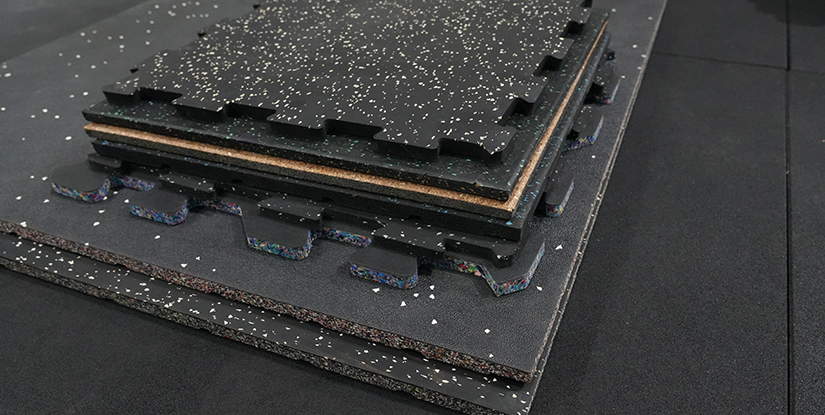
One often overlooked aspect of functional training is the interaction between the equipment and the ground. Whether it is a heavy sled being pushed or a barbell being dropped, the flooring serves as the final component of the functional gear system. Improper flooring selection leads to two major issues: inadequate shock absorption (causing structural damage to the facility) and insufficient friction (causing stability issues for the member).
When selecting flooring, operators should consider the impact resistance (the ability to absorb energy from dropped weights) and the coefficient of friction (to prevent slipping during lateral movements). For example, high-impact zones near heavy lifting platforms require a different specification than a general mobility area.
Flooring Selection Criteria
- Shock Absorption: High-density rubber tiles or drop-zones for weight lifting to prevent sub-floor cracking.
- Texture and Grip: Non-slip surfaces that remain effective even when damp from sweat or cleaning agents.
- Thickness: Minimum thresholds (e.g., 15mm to 25mm) for high-intensity zones to protect both gear and floor.
Ensuring the ground beneath the gear is as high-spec as the gear itself completes the stability loop, allowing members to execute high-intensity movements with total confidence in their physical surroundings.
Adapting to Emerging Trends in Training Technology
As functional fitness evolves, so does the technology embedded in the gear. We are seeing a shift from purely mechanical tools to digitally integrated systems that provide real-time feedback on movement quality and power output. This evolution represents the next frontier in how equipment can support the diverse goals of members, from general wellness to elite athletic performance.
The transition toward integrated technology means that operators must now consider not only mechanical durability but also digital compatibility and software longevity. This adds a new layer to the maintenance and inspection process, requiring a dual-track approach of both mechanical and digital upkeep.
Digital Integration Requirements
Modern facilities are increasingly looking for gear that can connect to central ecosystems. When evaluating these tools, consider the following:
- Data Latency: Ensuring real-time feedback (e.g., rep counts or wattage) is instantaneous for better coaching.
- Software Updates: Verifying that the manufacturer provides regular firmware updates to maintain connectivity.
- User Interface: The ease with which a member can interact with the digital readout without disrupting their workout flow.
This technological shift allows for a more personalized experience, turning simple training sessions into data-driven journeys toward peak performance.
The Future of Functional Integration and Member Success
The convergence of durable mechanical engineering and intelligent digital feedback is redefining the standard for functional training. As the market moves toward more data-driven experiences, the ability of gear to provide actionable insights into a user's performance will become a primary differentiator for premium facilities. Ultimately, the success of any facility lies in its ability to provide a seamless, reliable, and high-performance environment where the gear acts as a silent, capable partner in the member's journey toward their fitness goals. By focusing on material integrity, mechanical precision, and technological adaptability, operators can ensure their facility remains at the forefront of the industry.