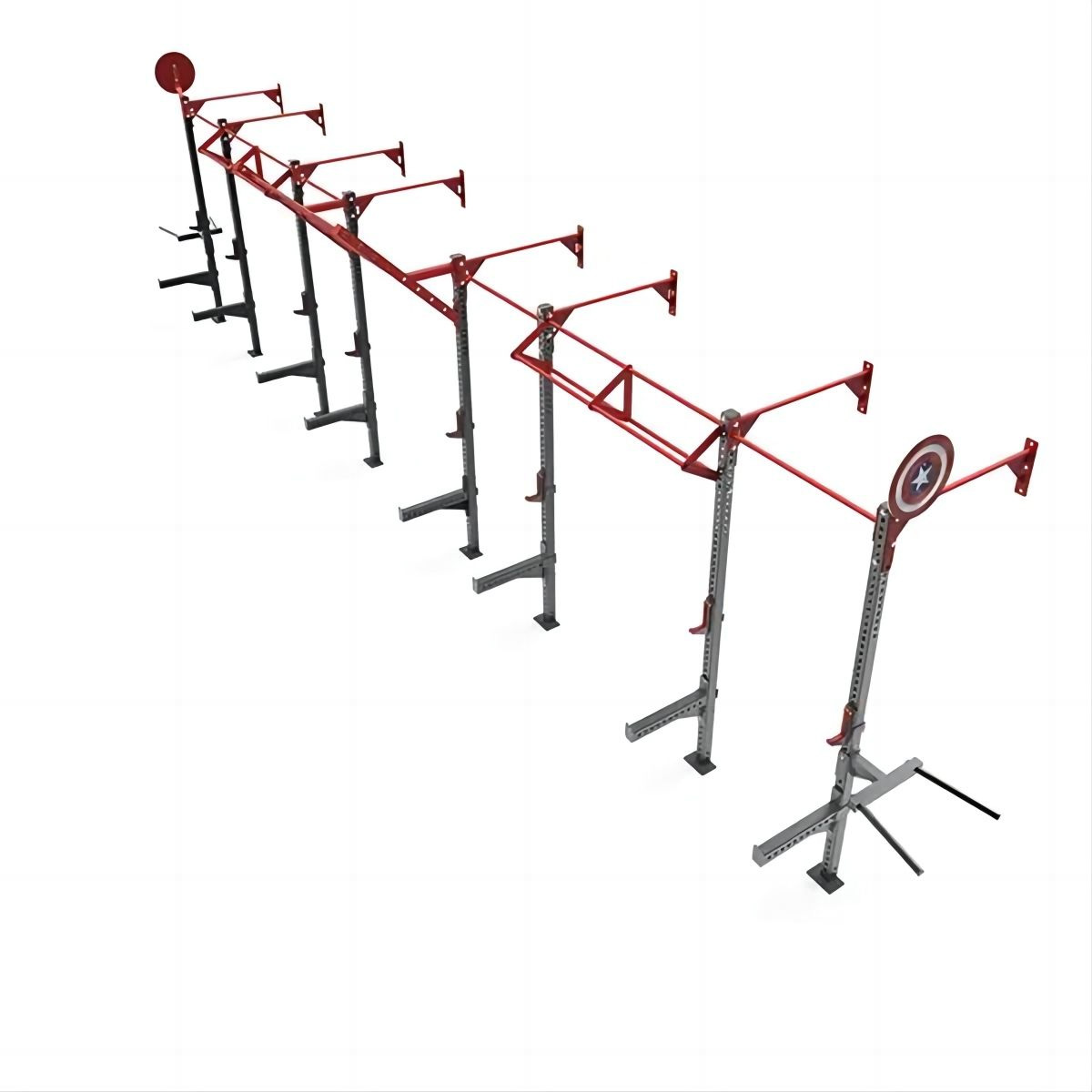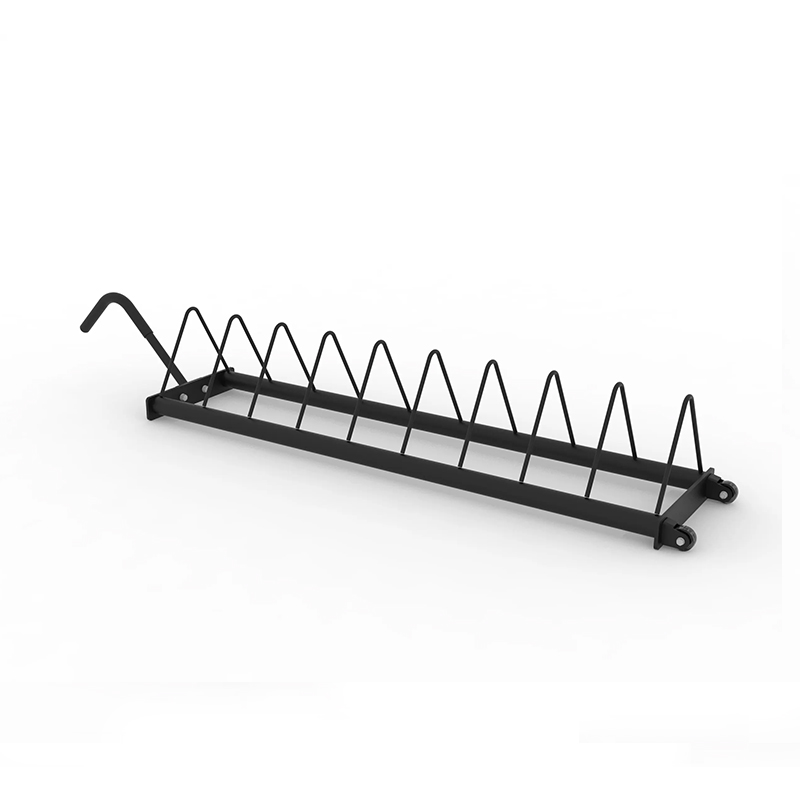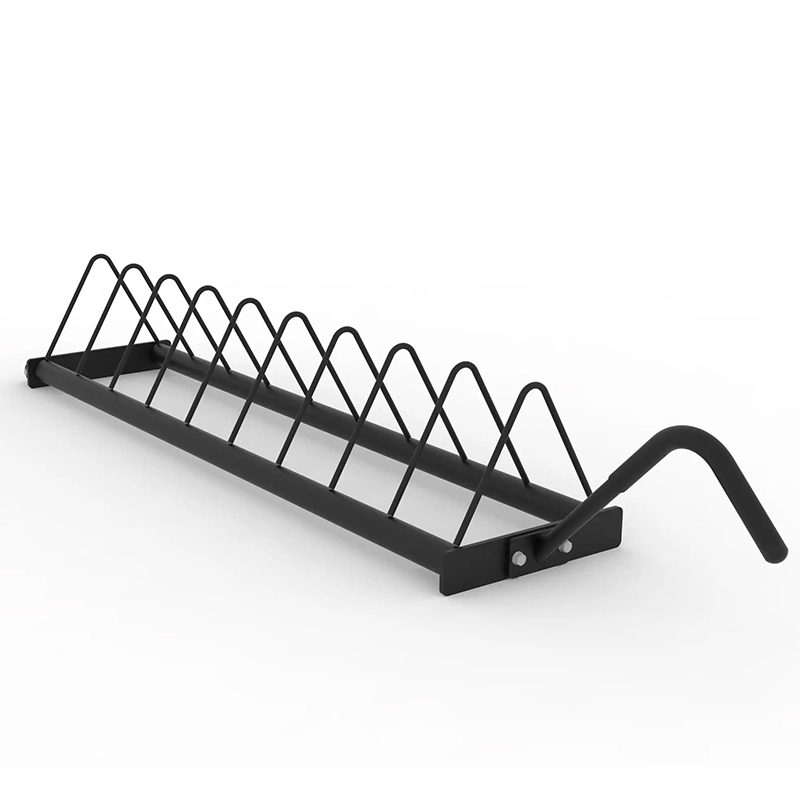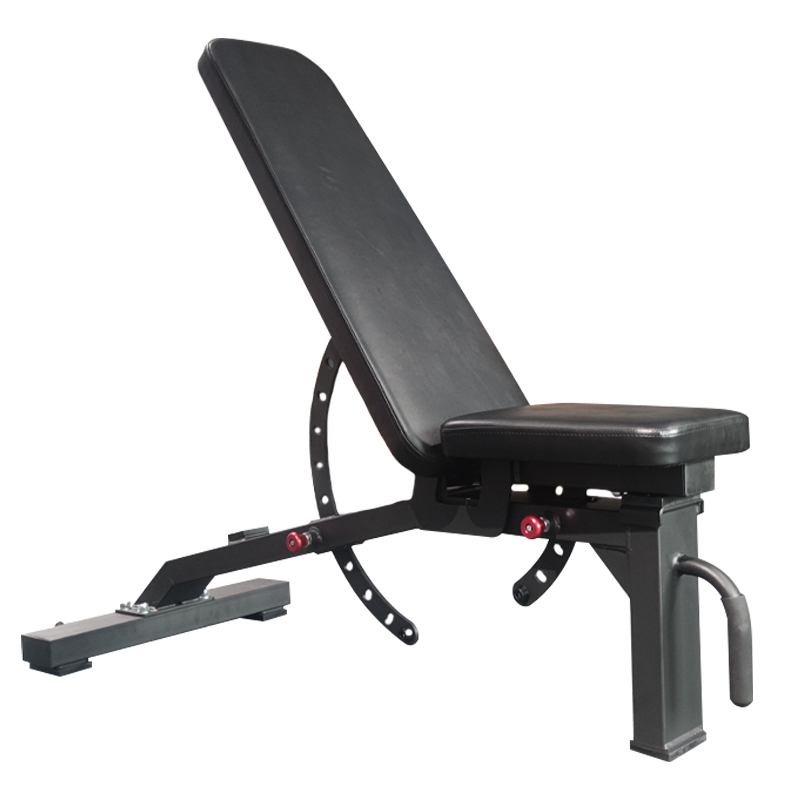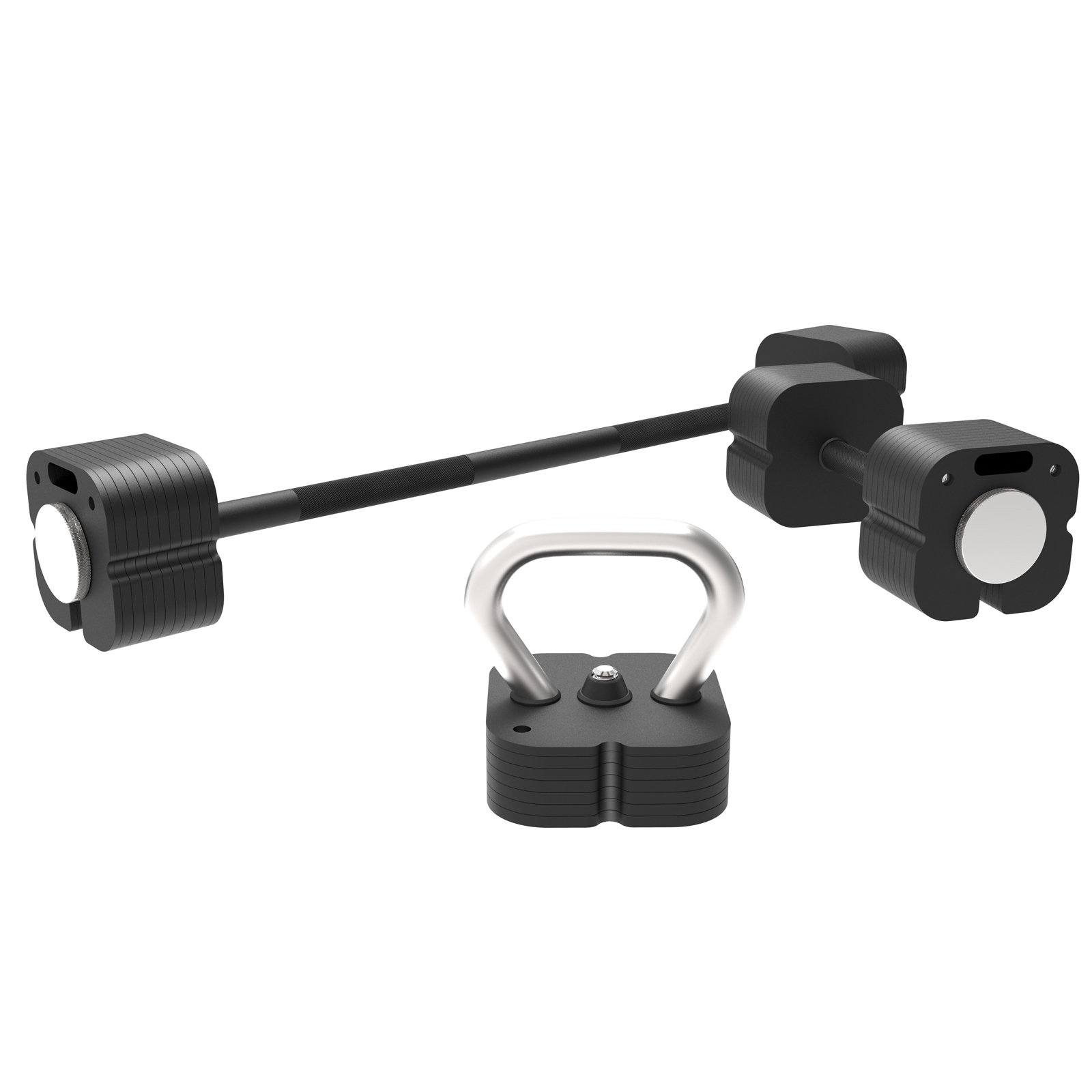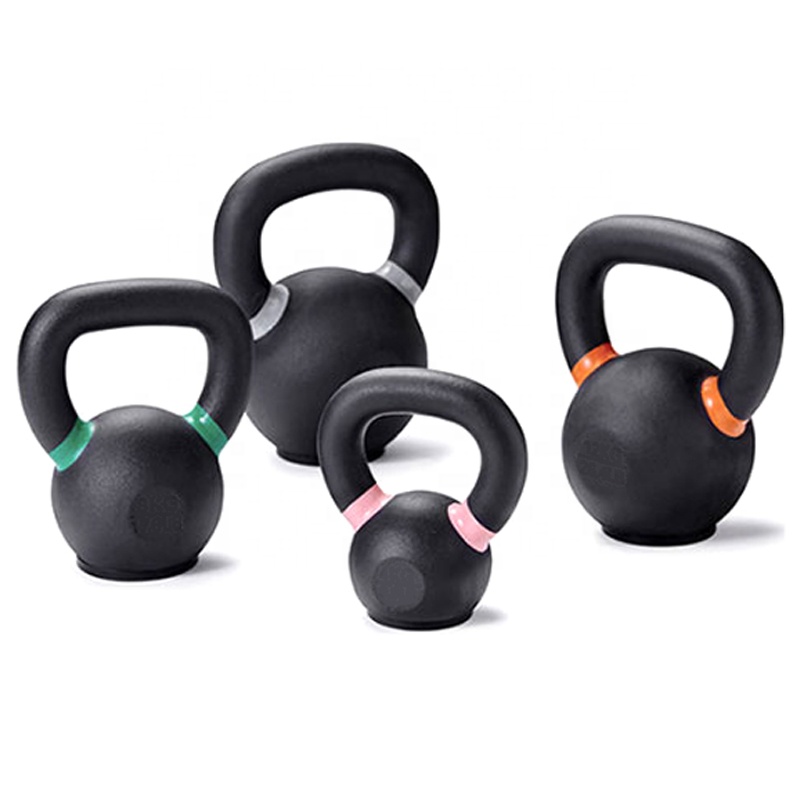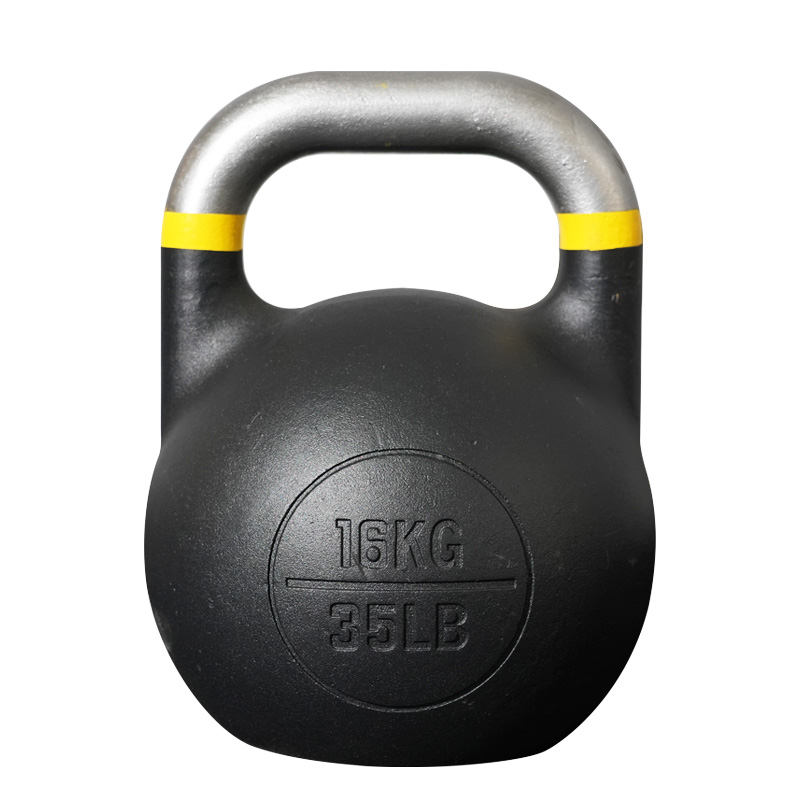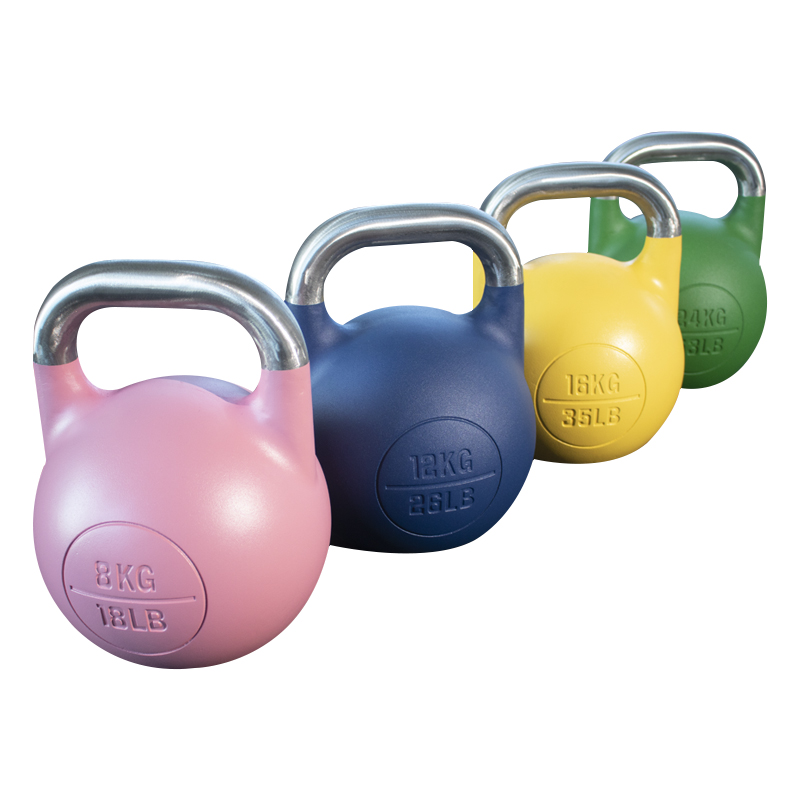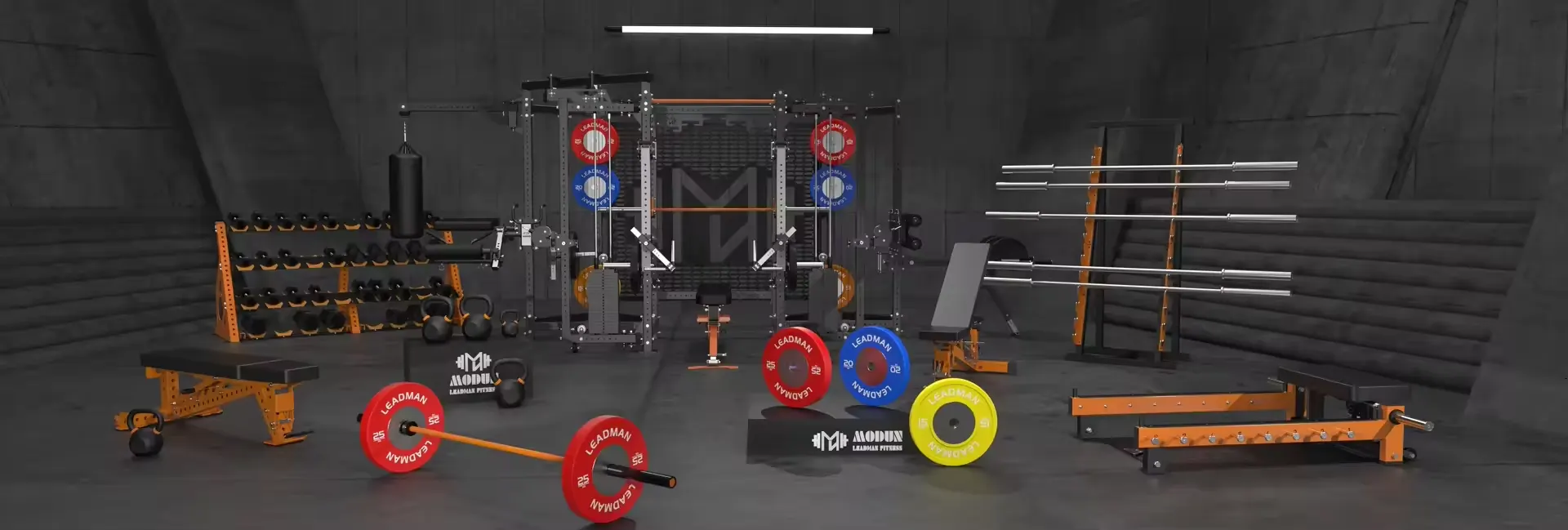
Gym equipment for commercial use must withstand high-frequency loading cycles, typically exceeding 50,000 repetitions per year for selectorized machines. The engineering foundation rests on material science (ASTM A500 Grade B/C steel tubing, 11-gauge to 7-gauge wall thickness), tribology (linear bearings and low-friction coatings), and biomechanics (cam profiles matching human strength curves). Selectorized machines dominate circuit training with weight changes under two seconds via pin-selected stacks. Primary failure points include the selector pin spring (wear after 50,000 insertions), 7x19 aircraft cable (fraying every 18–36 months), and guide rod scoring from inadequate lubrication. Plate-loaded machines offer unlimited resistance scaling and no cables for direct-drive designs, making them more durable but slower to adjust. Power racks with 11-gauge 3x3-inch tubing can outlast the facility itself, requiring only occasional bolt tightening.
Cardio equipment divides into motorized (treadmills with 3.0–5.0 HP continuous duty motors) and self-powered (fan bikes, rowers). Treadmill belts and decks are the highest-wear component: a new unit shows friction coefficient of 0.10–0.15, degrading to 0.30–0.40 without lubrication, increasing motor amp draw by 50–100%. Standard maintenance includes belt tensioning and silicone lubrication every 250–400 hours. Deck wear manifests as visible grooves or chalky residue; ignoring these leads to motor controller burnout ($800–1,500 repair). For high-traffic facilities, rotating treadmill units between primary and backup positions every 6 months equalizes wear and extends belt replacement intervals beyond the typical 8,000–12,000 miles (3–5 years).
Total cost of ownership (TCO) over 7 years equals initial purchase price plus annual maintenance (plus energy for cardio). A $5,000 treadmill has TCO of $1.5–2.0x purchase price; selectorized strength runs 1.2–1.4x. Commercial warranties specify frame (10 years to lifetime), parts (3–5 years), and labor (1–3 years). Key certifications include ASTM F3022 (racks), ASTM F3105 (selectorized), and EN 957 Class S. Equipment placement requires 80–120 square feet per piece for general facilities. Emerging technologies include electromagnetic resistance and AI coaching with computer vision for form analysis, though smart equipment introduces new failure modes in motor controllers and network connectivity.
Let our experts design the perfect gym solution for your business. Get a free consultation and quote today.