

The Technical Blueprint for Using Custom Gym Plates for Facility Branding
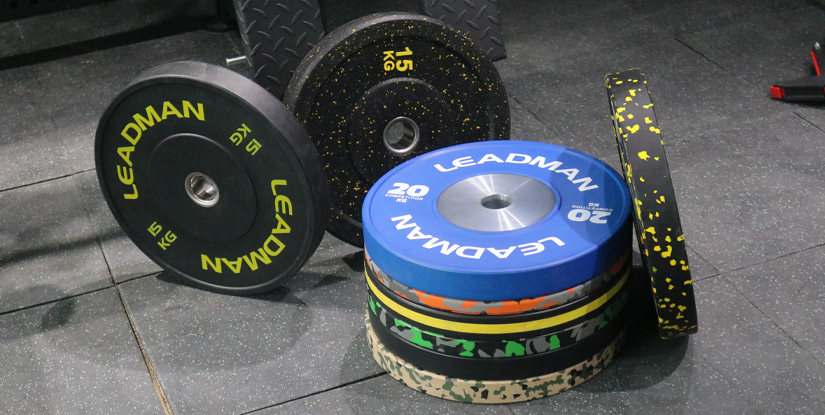
Facility operators often face a significant challenge: maintaining a high-end, cohesive aesthetic while managing the constant wear and tear of heavy-use environments. Standard, mass-produced weight plates can lead to a generic 'commodity' feel that fails to distinguish a premium fitness center from a budget gym. Using custom gym plates for facility branding offers a sophisticated solution, but moving from a standard procurement model to a customized branding model requires a deep understanding of material engineering, manufacturing tolerances, and long-term durability. This guide analyzes the technical requirements and operational considerations necessary to implement branded weight sets effectively.
Material Selection and Dimensional Stability in Custom Branding
The initial problem many operators face is the degradation of brand imagery due to poor material choices. When a facility invests in custom plates, the primary goal is longevity; however, a lack of technical foresight in material selection can lead to surface peeling or logo erosion. The cause is often a mismatch between the substrate material and the branding application method.
For high-end branding, operators must choose between high-density rubberized coatings, urethane finishes, or cast iron with recessed engraving. While urethane offers superior durability and a premium tactile feel, it is more susceptible to 'bubbling' if the thermal expansion rates of the base material and the coating are not aligned. Conversely, rubberized surfaces are more forgiving but require specialized heat-transfer or injection molding processes to ensure the logo remains legible under heavy friction.
| Material Type | Branding Method | Durability Profile | Ideal Use Case |
|---|---|---|---|
| Urethane-Coated | Direct Injection/Overlay | Very High; resistant to oils | Premium Strength & Conditioning Areas |
| Vulcanized Rubber | Heat Transfer/Embossing | High; excellent impact absorption | High-Traffic Weight Rooms |
| Cast Iron | Recessed Engraving | Permanent; immune to surface wear | Classic/Old-School Strength Zones |
| Steel/Polymer Hybrid | Sublimation/Silk Screen | Moderate; prone to scratch erosion | Lightweight/Aerobic Training |
A common mistake is prioritizing aesthetic brightness over material density. A vibrant, multicolored plate that lacks sufficient density will suffer from weight fluctuations over time due to uneven polymer aging. Operators should verify that any custom plate order includes a certification of density consistency to ensure the branding does not compromise the technical accuracy of the weight. Once the material foundation is selected, the next critical step is ensuring the precision of the visual elements through advanced manufacturing processes.
Manufacturing Precision and Visual Integrity Standards
Achieving consistent brand representation across a full set of weights requires more than just a high-resolution logo; it requires strict control over the manufacturing execution. A common failure mode in custom gym plate production is 'visual drift,' where the logo placement or color saturation varies between the 5kg and 25kg plates, leading to a disjointed appearance on the weight rack.
To prevent this, the manufacturing process must utilize high-precision molds and calibrated color-matching technology. For instance, if a facility utilizes an embossed logo (where the branding is part of the physical mold), the mold depth must be consistent to ensure that the plate's center of gravity is not offset. If the embossing is too deep, it creates a structural weak point; if it is too shallow, the brand identity is lost during regular use.
Calibration and Quality Control Metrics
When reviewing specifications from a manufacturer, operators should demand data on the following three parameters to ensure visual and structural quality:
- Tolerance Thresholds: Ensure that the thickness variations remain within a +/- 1% margin to prevent stacking issues on barbell sleeves.
- Color Consistency (Delta E): Request a Delta E value for color accuracy. A low Delta E ensures that the facility's brand colors remain identical across different lighting environments and material batches.
- Adhesion Testing: For any surface-applied branding, ask if the manufacturer performs a cross-hatch adhesion test to ensure the logo won't flake off during high-impact drops.
Rigorous adherence to these manufacturing standards ensures that the visual identity remains intact through thousands of cycles. However, even a perfectly manufactured plate requires a strategic maintenance protocol to remain a long-term asset.
Explore the complete technical specifications:
Custom Built Gym Equipment: Engineering, Branding & Procurement Guide
Operational Maintenance and Longevity Protocols
Even with high-quality materials, improper facility management can prematurely age custom branding. The primary cause of brand degradation is the accumulation of skin oils, chalk, and cleaning chemical residues that can chemically react with the plate's surface or cause the branding to cloud. This is especially prevalent when using highly colored urethane or specialized polymer coatings.
A standard maintenance failure occurs when staff use aggressive, solvent-based cleaners on branded surfaces. These chemicals can dissolve the top layer of the polymer or the pigment used for the logo, leading to a faded, unprofessional appearance. Instead, operators must implement a strict cleaning regimen tailored to the specific plate material.
Recommended Maintenance Checklist for Branded Plates:
- Daily: Wipe down with a slightly damp, non-abrasive microfiber cloth to remove sweat and skin oils.
- Weekly: Perform a visual inspection of high-use plates (e.g., 20kg/45lb) for any signs of edge chipping or logo discoloration.
- Monthly: Check for 'chalk buildup' in recessed branding areas. Use a soft-bristled brush to clear out calcium carbonate residue before it hardens.
- Quarterly: Audit the weight precision. If a custom plate shows a weight variance of more than 2% due to surface degradation, it should be removed from the floor.
Implementing these protocols ensures the ROI on your branding remains high, but the facility must also be prepared for the logistical complexities of managing a customized inventory.
Inventory Management and Lifecycle Tracking
Managing a set of custom-branded weights is fundamentally different from managing standard equipment. Because these items are often bespoke, replacing a single 'lost' or 'damaged' plate is not as simple as buying a generic replacement from a local distributor. This creates a logistical vulnerability if an operator does not have a lifecycle tracking system in place.
The core problem is the 'Broken Set Syndrome,' where a facility has a high-end branded set with several missing or mismatched weights due to poor tracking. This undermines the premium brand image the facility worked so hard to build. To avoid this, operators should treat custom plates as a tracked asset rather than a consumable. This involves documenting the exact specification, color code, and manufacturing batch for every custom order.
Implementation Strategy: The Lifecycle Matrix
| Phase | Action Required | Goal |
|---|---|---|
| Procurement | Record Batch ID and Material Spec | Ensures future replacement matching |
| Onboarding | Assign unique IDs to weight classes | Simplifies inventory counts |
| Operational Use | Bi-monthly inventory count | Identifies missing units early |
| Retirement | Assess structural/aesthetic wear | Decides on rebranding needs |
By treating branding as an integrated part of the facility's physical asset management, operators can mitigate the risks of mismatched inventory. This strategic approach to procurement leads directly into the final stage of the process: verifying that the investment is actually meeting the intended branding outcomes.
Visual Branding vs. Functional Longevity: The Trade-off Analysis
When planning a facility upgrade, operators often fall into the trap of selecting purely for visual impact without weighing the functional consequences. A highly intricate, multi-color logo might look stunning in a digital mockup, but under the stress of high-impact weight training, it may become a liability. The goal is to find the 'sweet spot' between high-definition branding and extreme durability.
A common decision criterion is whether the branding is 'embedded' or 'applied.' Embedded branding (such as recessed metal or injection-molded patterns) is virtually indestructible but limits design complexity. Applied branding (such as high-grade color printing or vinyl overlays) allows for photographic-quality logos but is susceptible to mechanical abrasion. Operators must decide based on their facility type: a luxury boutique studio might prioritize applied high-def branding, whereas a high-intensity functional training center must prioritize embedded, indestructible designs.
- Criterion 1: If using high-impact drop zones, prioritize recessed engraving or thick-walled urethane.
- Criterion 2: If using color-coded weight systems, ensure the pigment is integrated into the material rather than just sitting on the surface.
Understanding these trade-offs prevents the frustration of seeing brand-new equipment look 'worn out' within months. Once the design philosophy is set, the facility can proceed to the final verification stage.
Verifying Brand Impact and Technical ROI
The final step in a successful implementation is verifying that the custom plates are delivering the intended value. This is not merely a qualitative assessment of 'looking good,' but a technical verification of the brand's durability and the equipment's performance. A common mistake is failing to set a benchmark for what constitutes a 'successful' branded implementation.
To verify the success of using custom gym plates for facility branding, the operator should measure three distinct KPIs: Aesthetic Longevity, Weight Accuracy, and Brand Cohesion. If the plates are losing color or the logos are becoming illegible after only six months of heavy use, the procurement strategy for the next cycle must be adjusted to a more durable material, such as cast iron with deep engraving or higher-grade urethane.
Verification Protocol:
- The Scratch Test: Perform a controlled check on a non-weight-bearing edge of a plate to see how easily the surface pigment reacts to minor abrasions.
- The Weight Audit: Use a digital scale to ensure that the weight precision has not drifted due to material compression or uneven wearing of the surface.
- The Uniformity Check: Compare the color of a 5kg plate with a 25kg plate under standard facility lighting to ensure there is no noticeable variance.
With these verification steps established, the facility can confidently transition from a standard equipment model to a customized, brand-centric operational model that enhances both identity and long-term asset value.