

Why Custom Gym Plates Are Worth the Investment for High-Performance Facilities
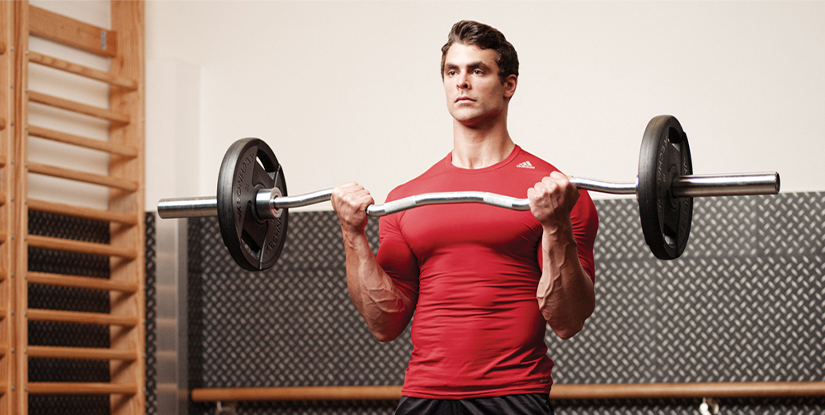
Deconstructing the Myth of Generic Weight Standardization
A common misconception among facility managers and procurement officers is that all weight plates are functionally identical, varying only in aesthetic design. This perspective treats gym equipment as a pure commodity, ignoring the critical mechanical variances in density, tolerance, and center-of-mass stability. In a high-performance environment, the assumption that 'standard' is 'sufficient' often leads to premature equipment degradation and inconsistent training experiences.
The reality is that mass-produced, generic plates frequently suffer from uneven density distribution and inconsistent edge thicknesses. These flaws are not merely cosmetic; they create centrifugal imbalances during dynamic movements, such as Olympic lifting or high-velocity functional training. When a facility opts for custom solutions, they are not just paying for a logo; they are investing in precision-engineered mass. Understanding these technical nuances is the first step in evaluating why a custom approach serves as a long-term operational asset rather than a luxury expense.
This technical foundation leads directly to the more granular examination of material science and how it dictates the longevity of your weight room.
Material Composition and the Impact of Density Uniformity
The core of any weight plate is its substrate, and the choice between high-density rubber, polyurethane, or cast iron determines the equipment's lifecycle. A primary failure mode in low-quality plates is 'outgassing' or chemical degradation of the binding agents, which causes the plate to become brittle or even crumble under temperature fluctuations.
Comparing Material Performance Profiles
When evaluating custom options, operators must look beyond the surface texture to the underlying material density. Custom manufacturing allows for tighter control over the ratio of polymer to filler, ensuring the plate maintains its structural integrity under heavy impact.
| Material Type | Primary Benefit | Common Failure Mode | Ideal Use Case |
|---|---|---|---|
| High-Density Rubber | Shock absorption and noise reduction | Surface cracking from UV exposure | Standard strength training and heavy lifting |
| Polyurethane (PU) | Extreme durability and non-porous surface | Cost-intensive manufacturing process | High-end commercial and professional facilities |
| Precision Cast Iron | Maximum density and thin profile | Oxidation and surface rust if poorly coated | Barbell-only setups and compact storage |
Choosing a material involves balancing the immediate procurement cost against the projected replacement rate. A failure to verify the chemical stability of the binding agents often results in 'chalking' or surface peeling, a sign that the material density is non-uniform. By selecting custom-engineered materials, operators can mitigate these maintenance-heavy failure modes.
Once the material substrate is finalized, the technical focus must shift to the geometric precision of the plate itself.
Geometric Tolerances and the Physics of Imbalance
One of the most significant technical advantages of custom gym plates is the ability to mandate strict dimensional tolerances. In the realm of precision lifting, even a 1% variance in diameter or a slight shift in the center of mass can be the difference between a balanced lift and a dangerous mechanical oscillation.
The Risk of Offset Weight Distribution
In mass-market manufacturing, many plates exhibit an 'offset weight' problem. This occurs when the density is concentrated toward one side of the plate, causing it to tilt or wobble when placed on a barbell. This imbalance is particularly problematic for lifters performing high-repetition movements where momentum is a factor. Custom manufacturing processes allow for centrifugal casting or precision molding that ensures the weight is distributed symmetrically around the center bore.
- Verification Step: To test for balance, place a single plate on a leveled barbell and observe the oscillation frequency. A well-balanced plate should remain static or move with a predictable, symmetrical rhythm.
- Measurement Criteria: Demand a thickness tolerance within +/- 0.5mm for high-performance applications.
Maintaining this level of precision requires a deep understanding of the manufacturing specifications. This level of control over the physical dimensions sets the stage for the next critical factor: the interface between the plate and the barbell.
Explore the complete technical specifications:
Custom Gym Plates: Branded Weight Plates for Commercial Facilities
Bore Precision and Sleeve Compatibility
A frequent pain point for facility operators is the 'slop' or excessive movement between the plate and the barbell sleeve. If the center bore of the plate is too large, the weight will rattle excessively, increasing wear on the barbell bearings. If it is too tight, the plate will be difficult to load and unload, increasing the time required for transitions.
Designing for Seamless Loading
Custom gym plates offer the ability to define the exact inner diameter (ID) to match specific bar types, whether they are standard 50mm Olympic bars or specialized training bars. This precision ensures a snug fit that minimizes rotational friction and preserves the longevity of the barbell's bushings or bearings.
A common mistake during procurement is failing to specify the bore diameter in relation to the intended barbell's sleeve thickness. A mismatch here can lead to accelerated wear on the barbell or an inconsistent feel during complex lifts. Operators should always verify the internal diameter of the plate against the external diameter of the bar's sleeve before a bulk order is finalized.
The precision of the bore is a component of the overall durability profile, which is heavily influenced by the surface finish and edge treatment.
Explore the complete technical specifications:
Surface Texture and Maintenance Intervals
The surface of a weight plate is its primary defense against environmental degradation and user wear. Standard plates often feature a simple, rough texture that is prone to abrasion. However, custom plates can be engineered with specific surface morphologies designed to optimize both grip and longevity.
Optimizing Surface Resilience
A high-quality surface finish reduces the frequency of maintenance. For instance, a polyurethane-coated surface is much easier to clean and more resistant to sweat-induced corrosion than standard rubber. In a commercial setting, the ability to quickly sanitize equipment is vital for both hygiene and operational efficiency.
| Surface Type | Cleaning Requirement | Durability Rating | Maintenance Action |
|---|---|---|---|
| Rough Textured Rubber | High (requires frequent brushing) | Moderate | Periodic deep cleaning to remove chalk/dust |
| Smooth Polyurethane | Low (easy wipe-down) | Very High | Standard wipe with non-corrosive cleaner |
| Coated Cast Iron | Moderate (requires anti-rust care) | High | Visual inspection for oxidation/flaking |
When calculating the Total Cost of Ownership (TCO), the ease of maintenance and the durability of the surface finish should be weighted heavily. A plate that requires less frequent cleaning and shows no sign of surface failure will extend the lifespan of the entire weight room. This brings us to the necessity of a rigorous inspection protocol.
Standard Operating Procedures for Equipment Inspection
Even the highest-quality custom plates require periodic inspection to ensure they remain within the specified safety and performance parameters. A lack of a formal inspection routine can negate the benefits of the initial investment by allowing undetected damage to accumulate.
The Daily and Monthly Inspection Checklist
Operators should implement a tiered inspection system to catch mechanical or material failures before they impact user safety. This process moves from visual cues to physical measurements.
- Level 1: Visual Inspection (Daily/Weekly) - Check for surface cracks, edge chipping, or any signs of material discoloration.
- Level 2: Dimensional Check (Monthly) - Use a caliper to ensure the plate thickness and bore diameter have not deviated beyond the specified tolerances.
- Level 3: Impact Test (Quarterly) - Place plates on the floor (as per manufacturer guidelines) to ensure the density remains consistent and no internal structural fractures have developed.
By following these steps, an operator can verify the continued performance of their investment. This leads to the final consideration: how these technical specs translate into long-term economic value.
Calculating the True Return on Investment (ROI)
The decision to move from generic to custom is often a tug-of-war between CAPEX (Capital Expenditure) and OPEX (Operating Expenditure). While custom plates represent a higher initial cost, the ROI is realized through reduced replacement frequency and lower maintenance overhead.
Long-Term Cost Analysis
The following table illustrates how the cost-per-year changes as the equipment ages, highlighting the value of precision-engineered products.
| Metric | Generic/Standard Plates | Custom/High-Performance Plates |
|---|---|---|
| Initial Procurement Cost | Low | Moderate to High |
| Average Lifespan | 2–4 Years | 7–10+ Years |
| Annual Maintenance Effort | High (cleaning/replacement) | Low (periodic inspection) |
| Replacement Frequency | High (due to wear/damage) | Low (due to material stability) |
In the long run, the customized solution often presents a lower cost-per-use. The investment is not just in the physical object, but in the operational stability and the preservation of the facility's reputation for high-quality equipment.
Implementation and Procurement Best Practices
To ensure the successful deployment of custom gym plates, procurement should be treated as a technical specification process rather than a simple purchase. It is essential to move from a 'price-first' to a 'spec-first' mindset.
The Professional Buyer's Procurement Workflow
Before issuing a purchase order, follow these steps to ensure you are receiving the level of precision promised:
- Define the Tolerance: State clearly the required +/- millimeter tolerances for thickness and bore diameter.
- Request Material Certifications: Ask for documentation regarding the density and chemical stability of the rubber or polyurethane used.
- Request a Prototype/Sample: Before a full-scale order, request a single unit to test for bore-to-bar compatibility and weight distribution.
- Verify Manufacturing Capacity: Ensure the supplier has the ability to maintain these standards across large batches.
By adhering to these rigorous standards, the transition from standard to custom equipment becomes a controlled, predictable upgrade that elevates the entire facility's operational capacity.